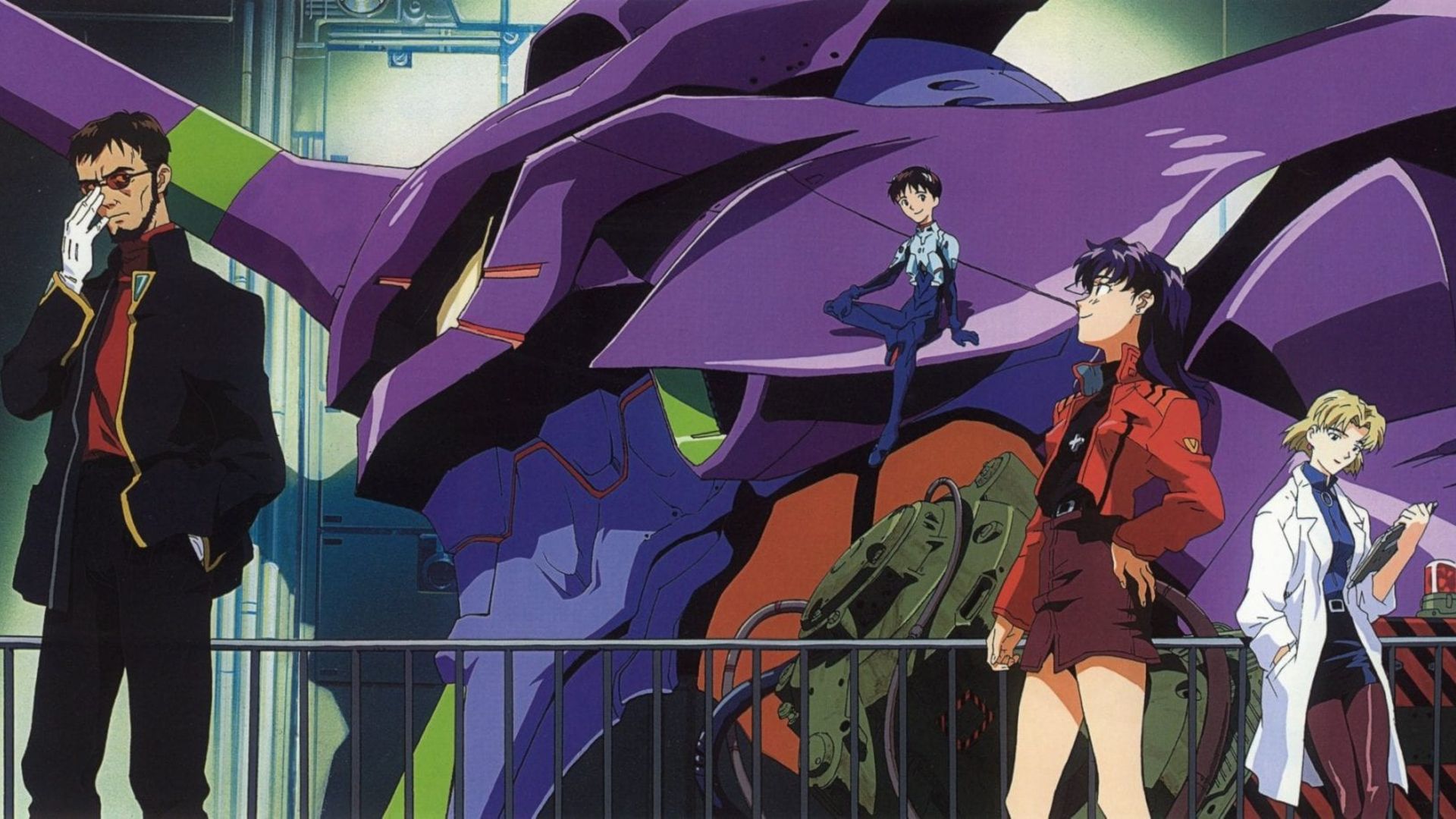
Released in 1995, this series had a massive and unique impact on popular culture. It revolutionized both its genres and the world of TV anime. Since it first aired, it’s consistently sparked enthusiastic debate and remains incredibly popular after 30 years.
Though Neon Genesis Evangelion told a complete story in its original anime, it became a hugely popular franchise. What’s unique about its sequels isn’t that they continue the story, but that each new installment—like the recent short film—retells the same story in a different way. The series even playfully recognizes its tendency to create alternate timelines and endings.
Each End of Evangelion Adds Something Significant to the Overarching Story
The original Neon Genesis Evangelion anime is widely and deservedly considered a classic. While starting out seeming like a standard action show with weekly battles, it quickly evolves into a deep and unsettling psychological drama. The series delves into the broken minds of its characters as the world faces destruction. It becomes increasingly complex and daring with each episode, ultimately delivering an ending that remains famously controversial yet powerfully memorable.
The show’s ending is strange and mind-bending, but it perfectly wraps up the central story of Shinji Ikari, who has struggled with pressure and isolation throughout the series. The finale hints at alternate realities, showing Shinji glimpses of what could have been. While it doesn’t explain everything that happens to the world, it provides a satisfying and emotional conclusion to Shinji’s personal journey.
The movie The End of Evangelion essentially retells the story of the original series, though some see it as showing the same events from a new angle. The film vividly depicts the horrifying consequences of Instrumentality, ultimately leaving Shinji and Asuka as the only survivors in a ruined and bloody world. Whether humanity can rebuild depends on the choices they make, a question left open for the audience to decide.
The Rebuild of Evangelion movies aren’t a direct continuation of the original series or the End of Evangelion film; they unfold in a separate timeline. This four-part series was Hideaki Anno’s way of revisiting his iconic work with a fresh perspective, ultimately offering a more optimistic and conclusive ending. In this new version, many characters resolve their past traumas, and Shinji achieves a future where Evas no longer exist – creating a different path for the Evangelion story.
The Rebuild movies suggest that Evangelion exists in a repeating cycle. Kaworu clearly implies he’s aware of different timelines, and the movies’ imagery – like red seas and a blood-red moon – hints that a cataclysmic event has already occurred in this version of the story. However, these references to earlier Evangelion versions could also be a self-aware commentary, much like the latest short film does with the overall narrative.
The 30th Anniversary Event Short Film Looks at the Series’ Different Continuities from the Perspective of Its “Best Girl”
At the celebration of Evangelion’s 30th anniversary, called EVANGELION: 30+, fans were treated to a special short film featuring Asuka, a popular character from the series. The 14-minute film begins with a comedic dialogue between Asuka Langley Sohryu from the original Evangelion and Asuka Shikinami Langley from the Rebuild films. They quickly acknowledge being the same person from different versions of the story, and the original Asuka voices her disappointment at never having a positive resolution to her story.
Asuka’s ‘Rebuilds’ storyline explores the idea of waking up in different versions of reality. This leads to funny situations where things have changed – like Asuka interrupting a battle, playing chess with Fuyutsuki, or even going on a date with Shinji that ends with him falling off a cliff. However, Asuka isn’t happy with any of these alternate realities, and usually ends up feeling embarrassed and frustrated.
I found the short film to be pretty funny overall – it’s clearly meant as a playful wink to longtime fans, especially considering the series’ love for alternate realities. But it’s not just comedy; there’s a genuine emotional core underneath all the jokes. Things definitely get more serious as it goes on. In the final timeline Asuka explores, Shinji actually invites her to join him, and we see a really sweet montage of what their life could be like together – them meeting in different ways, getting married, and even having a child. It was surprisingly touching.
Honestly, seeing Asuka finally realize that perfect, peaceful life just wasn’t for her was so powerful! She decided she needed to forge her own path and rely on herself to find happiness, and that really resonated with me. While the short film is lighthearted, it was incredibly satisfying to see her character get that closure – a resolution where she chooses her own future and embraces her independence. It felt like a perfect way to give her story a truly self-determined ending.
This Is Hardly the End of the Line for Neon Genesis Evangelion
Evangelion isn’t a self-contained story; instead, it exists as a collection of different versions—including the original series, the Rebuild films, and the manga—all of which hold equal weight and can be considered official. Hideaki Anno, the creator, always intended for Evangelion to be a franchise that wasn’t solely defined by his own ideas, despite being the driving force behind most of its popular iterations.
While fans are familiar with the core story of Evangelion, the franchise is moving forward with new installments that will explore different territory. Announced at the same event where the Asuka short film was shown, a new Evangelion project is in development. This time, however, Hideaki Anno won’t be directing. Kazuya Tsurumaki, who previously worked on the Rebuild films and the anime Mobile Suit Gundam GQuuuuuuX, will take on the director’s role.
The anime’s story will be written by Yoko Taro, known for the NieR series, promising a surreal and intellectually stimulating narrative. Keiichi Okabe, the composer for NieR, is also contributing to the music. This is a thrilling development for the Evangelion franchise. While fans love the original, it’s a good time to explore new stories and characters beyond those created by Anno.
Found an error? Send it so it can be corrected.
Read More
- Invincible Season 4 Episode 4 Release Date, Time, Where to Watch
- How Martin Clunes has been supported by TV power player wife Philippa Braithwaite and their anti-nepo baby daughter after escaping a ‘rotten marriage’
- Gold Rate Forecast
- eFootball 2026 is bringing the v5.3.1 update: What to expect and what’s coming
- Clash Royale Balance Changes March 2026 — All Buffs, Nerfs & Reworks
- CookieRun: OvenSmash coupon codes and how to use them (March 2026)
- American Idol vet Caleb Flynn in solitary confinement after being charged for allegedly murdering wife
- Invincible Creator on Why More Spin-offs Haven’t Happened Yet
- Only One Straw Hat Hasn’t Been Introduced In Netflix’s Live-Action One Piece
- Olivia Colman’s highest-rated drama hailed as “exceptional” is a must-see on TV tonight
2026-03-29 16:43