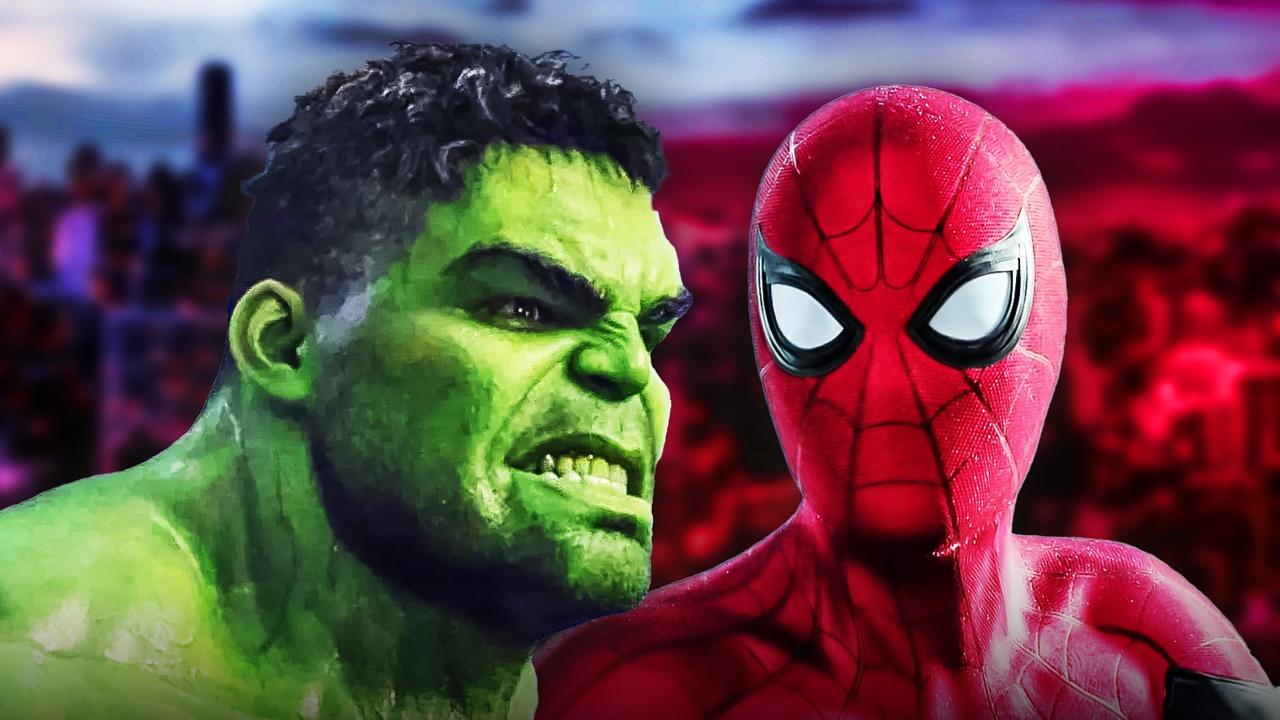
For the past ten years, Marvel Studios has been developing the character of Bruce Banner, but they’ve largely removed the dramatic visual of his transformation into the Hulk. Despite the Hulk fighting in major battles throughout the Marvel Cinematic Universe (MCU), the franchise hasn’t shown his actual transformation on screen for thirteen years. The last time audiences saw Banner physically change into the Green Goliath was during the 2012 Battle of New York.
Just before the Avengers famously stand back-to-back in the 2012 film, Captain America tells Dr. Banner, “Now might be a really good time for you to get angry.”
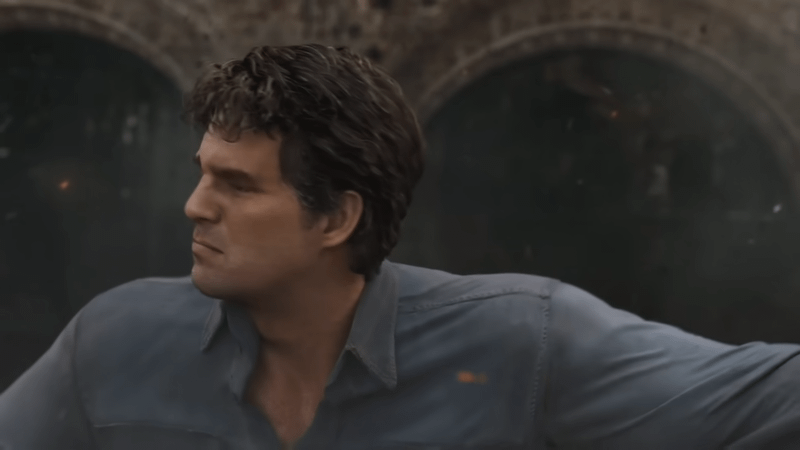
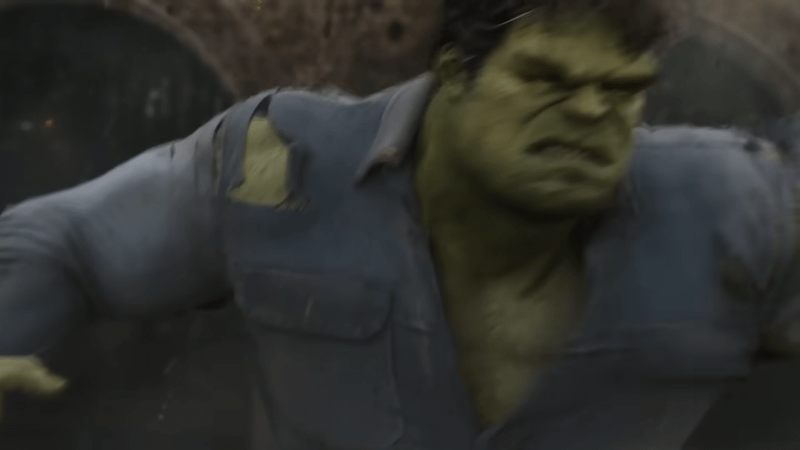
Bruce Banner then delivers his famous line, “That’s my secret, Cap. I’m always angry,” before turning into the Hulk and destroying a Chitauri Leviathan. Surprisingly, even though Mark Ruffalo has appeared as Banner in six Marvel movies and one Disney+ series since The Avengers, this is the last time we’ve seen his character actually transform into the Hulk on screen.
As the sixth phase of Marvel movies reaches its climax, there’s hope that Spider-Man: Brand New Day will be a turning point. Recent news indicates Mark Ruffalo will reprise his role as Hulk, and the film might bring back a more raw and aggressive version of the character – a side of Hulk we haven’t seen since the days before he became Smart Hulk.
It’s become a quiet trend to avoid showing characters physically transforming on screen. For example, in Avengers: Age of Ultron, when Bruce Banner changed in Johannesburg, the scene was hidden by the surroundings and actually happened after Scarlet Witch influenced his mind, keeping the transformation itself unseen.
In Thor: Ragnarok, the film quickly cut from Bruce Banner falling to the Hulk transforming behind the scenes. Avengers: Infinity War highlighted Banner’s struggle to even become the Hulk. By the time Avengers: Endgame arrived, the merging of Banner and Hulk into ‘Smart Hulk’ had already happened during the five-year gap, so the painful details of the transformation weren’t shown on screen.
Bruce Banner finally found some much-needed peace, but it looks like that’s starting to disappear as the Marvel Cinematic Universe heads into bigger, more dangerous storylines. While the ‘Smart Hulk’ version helped explain things, it also took away the fear and unpredictability that made the character so compelling in the beginning.
Spider-Man Brand New Day Needs To Break Unfortunate Hulk Streak
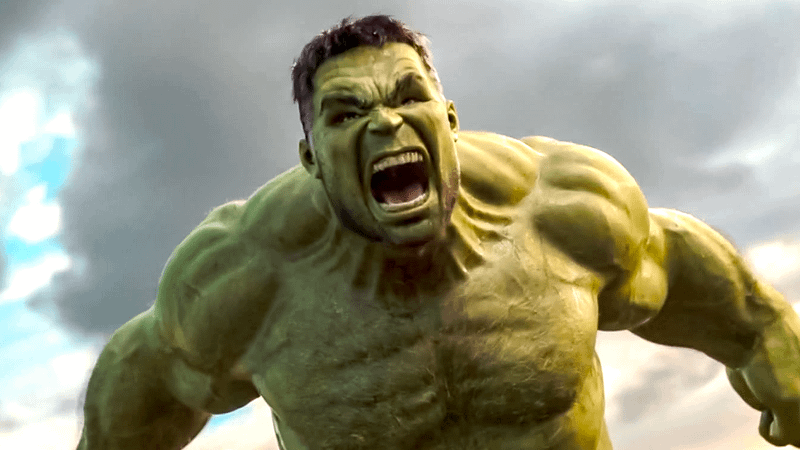
The new Spider-Man: Brand New Day movie offers a great opportunity to finally show Bruce Banner transforming into the Hulk on screen. Recent pictures from the set reveal a badly injured Banner, suggesting the transformation might be particularly violent and dramatic.
The upcoming film, Brand New Day, might show Bruce Banner struggling to control his Hulk transformations. If the movie aims for a more frightening portrayal of the character, now would be the ideal moment to visually depict his change again on screen.
The Hulk is most effective when viewers clearly see Bruce Banner changing into the monster. Setting the story in a dangerous, realistic place like New York City allows the transformation itself to build real suspense.
Seeing Bruce Banner transform into the Hulk in a public place – witnessing his body visibly change and struggle – would instantly remind everyone how powerful and dangerous he truly is.
Bringing back a more primal, powerful version of Hulk would be beneficial to the Marvel Cinematic Universe’s current storyline. The upcoming Avengers: Doomsday and Secret Wars films will require the heroes to have access to the Hulk’s unrestrained strength, as seen in earlier iterations.
Why Has the MCU Avoided Showing Hulk’s Onscreen Transformation for So Long?
Animating Bruce Banner’s full transformation into the Hulk is incredibly expensive and takes a long time because it demands highly realistic visual effects – showing skin stretching, bones breaking, and muscles growing in a believable way. To save money and focus on bigger action scenes, Marvel uses fast editing during the transformation, rather than dwelling on the detailed and sometimes disturbing biological changes.
Besides the expense, it’s important to think about how the portrayal of the Hulk has changed. Early Marvel Cinematic Universe films emphasized the frightening, physical transformation, similar to classic werewolf movies where changing is a painful and uncontrollable ordeal.
As the Marvel franchise became more focused on families and teamwork, the increasingly violent transformation of Bruce Banner into the Hulk felt too intense. To maintain a faster pace and more heroic feel, Marvel began using quick camera cuts instead of showing the full, graphic change.
Creating the visual effects for the Hulk is particularly challenging because it requires seamlessly blending Mark Ruffalo’s acting with the Hulk’s body. While animating a regular Hulk is hard enough, the transformation sequence – where human skin details smoothly change into the Hulk’s muscular form – needs a huge amount of computing power and takes a long time to create.
Cutting these scenes helps the studio keep the character’s appearance consistent and prevents any noticeably poor visual effects that could distract viewers. However, Marvel Studios has the money and capabilities to handle this kind of effect well, so bringing it back would likely be a popular choice with audiences.
Read More
- Clash Royale Best Boss Bandit Champion decks
- Vampire’s Fall 2 redeem codes and how to use them (June 2025)
- Mobile Legends January 2026 Leaks: Upcoming new skins, heroes, events and more
- World Eternal Online promo codes and how to use them (September 2025)
- How to find the Roaming Oak Tree in Heartopia
- Best Arena 9 Decks in Clast Royale
- Clash Royale Furnace Evolution best decks guide
- Clash Royale Season 79 “Fire and Ice” January 2026 Update and Balance Changes
- Clash Royale Witch Evolution best decks guide
- Brawl Stars December 2025 Brawl Talk: Two New Brawlers, Buffie, Vault, New Skins, Game Modes, and more
2026-01-14 18:35