The enduring popularity of Mad Max is even more impressive considering its modest start. George Miller made the first film in 1979 with a tiny budget – a sum that would seem laughable compared to today’s big-budget blockbusters. From that small beginning grew a massive cinematic franchise that still thrills viewers. And Mad Max didn’t immediately let its success change it, at least not at first.
George Miller’s original Mad Max was a fast-paced, action-packed film set in a bleak, post-apocalyptic world. It created a distinctive visual style – gritty, smelling of fuel and leather – where characters battled for dominance using heavily modified vehicles. In this world, power came down to who had the strongest car, enough gas, and the courage to use it against their enemies.
Though Mad Max 2: The Road Warrior had a larger budget and more attention, director George Miller stuck with what worked, delivering another action-packed, high-speed chase film. Max himself became a more damaged and cynical character as the world around him fell into greater disarray, but the sequel remained true to the gritty style of the original Mad Max.
Everything shifted with the 1985 film Mad Max Beyond Thunderdome. Director George Miller made a sudden and jarring change in style, a move that still feels out of place even today. Although the Mad Max series later recognized this wasn’t the right direction, it only makes Beyond Thunderdome stand out as even more unusual when we look back on it.
Beyond Thunderdome Is A Slightly More Intense Take On The Goonies

While the first two Mad Max films flowed naturally into each other, Beyond Thunderdome felt noticeably different. It had a more polished look, a simpler storyline, and featured a memorable performance by Tina Turner. Some might say this film revitalized the Mad Max series in a way similar to how Load and Reload refreshed Metallica’s sound. However, these changes weren’t necessarily bad and didn’t fundamentally alter the core action genre of the franchise.
What set Mad Max Beyond Thunderdome apart from previous films was its story. Around the middle of the movie, when Max meets a group of young survivors living in a hidden oasis, the film shifts into a classic 1980s adventure, almost like The Goonies directed by Richard Donner with a post-apocalyptic twist. The desolate landscape starts to feel more playful, with children enjoying swings and slides. Max also becomes surprisingly talkative, evolving from a brooding antihero into something of a father figure. Even the final action sequence takes a more comedic turn, featuring a villain repeatedly struck with a frying pan.
Beyond Thunderdome isn’t really a road movie, despite its ending. While cars and chases were central to the first two Mad Max films, the third one mostly takes place in just two locations, with only a little bit of travel on foot in between.
Consequently, Mad Max Beyond Thunderdome moved away from the dark, road-trip style of the earlier films. The post-apocalyptic setting felt less bleak, the movie featured only a short road sequence, and the raw, intense atmosphere of director George Miller’s first two Mad Max films was toned down. Beyond Thunderdome became more of a typical 1980s action movie – not exactly a family film, but definitely aiming for a wider, more general audience than its predecessors.
Mad Max Realized Its Mistake Ahead Of Fury Road
Despite being the least popular of the Mad Max films, Beyond Thunderdome is still a lot of fun to watch. The entire Mad Max series is remarkably consistent – even the ‘weakest’ installment is as good as a less-loved album by a legendary band like Led Zeppelin, which is high praise indeed.
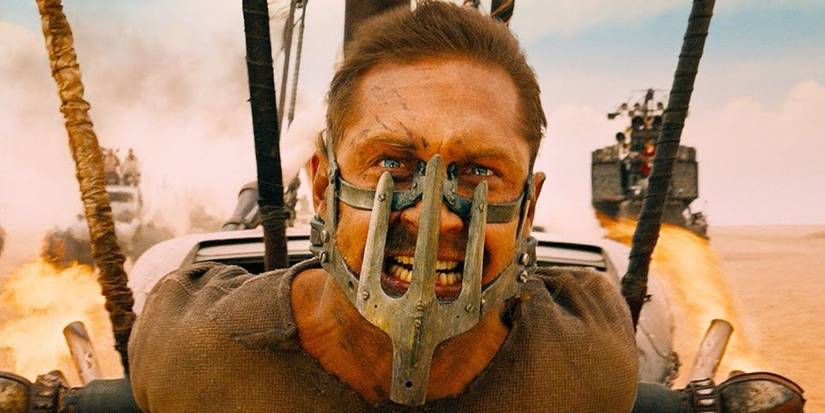
While Beyond Thunderdome was easier to watch and had clearer themes, it wasn’t what originally drew audiences to Max Rockatansky. By the time Mad Max Fury Road arrived in the 2010s, a fresh start was necessary. With decades having passed and a new actor, Tom Hardy, taking on the lead role, Fury Road had the potential to introduce Mad Max to a new generation. The question was whether it would recapture the brilliance of The Road Warrior – updating the original’s gritty feel with modern filmmaking – or become more like Thunderdome, conforming to typical Hollywood expectations. Thankfully, Mad Max Fury Road chose to follow the path of its predecessor and deliver something truly special.
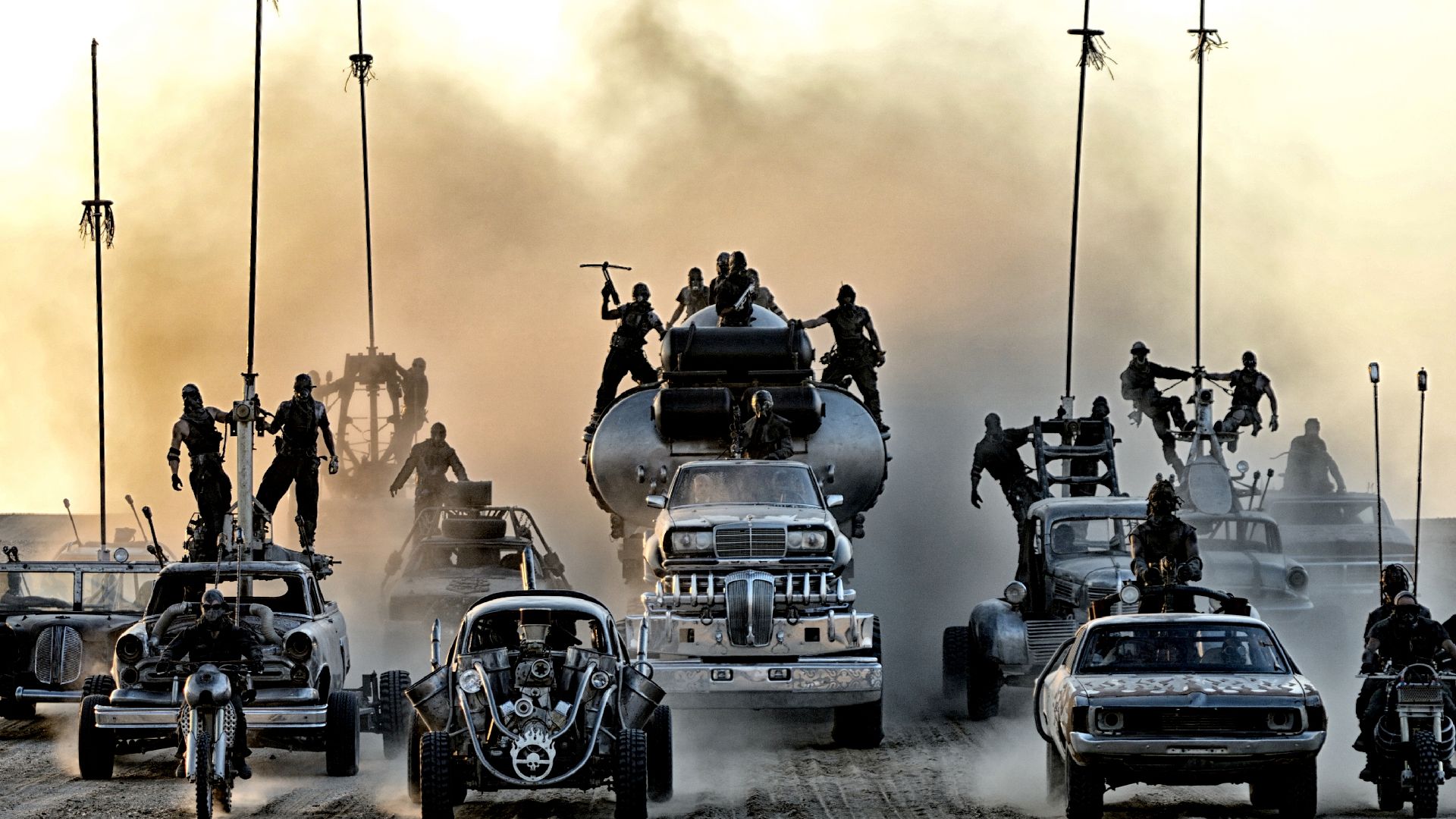
Hugh Keays-Byrne was back, this time as the intimidating Immortan Joe. A more menacing villain than his previous role as Aunty Entity, Joe revitalized the gritty, aggressive energy that defined the Mad Max series. The fourth film returned to the core themes of survival and brutal conflict within a post-apocalyptic Australia, and truly earned its title Fury Road with even more spectacular vehicles and high-octane chases.
But Fury Road wasn’t simply a rehash of familiar Mad Max themes. Similar to its predecessor, The Road Warrior, it built upon what came before, transforming into something even more impressive. It became both strikingly beautiful and disturbingly unsettling, evolving in unexpected ways.
Beyond Thunderdome Lacks The One Thing Every Other Mad Max Has
A key to the lasting appeal of Mad Max is its timeless quality. Beyond improvements in visuals and changing styles, the films feel disconnected from any specific era. The fact that Mad Max and The Road Warrior were made outside the traditional Hollywood system, coupled with the franchise’s deliberately unclear timeline, creates a world unto itself. This allows Mad Max to remain relevant even after long breaks – like the 30-year gap before Fury Road, which felt fresh and powerful, completely ignoring passing trends and expectations.
Unlike the other Mad Max films, Beyond Thunderdome is very much a product of the 1980s. It’s not just the style and music, but the overall feel – a sense of youthful adventure and straightforward heroism – that defines it. This film truly belongs to that specific era and couldn’t have been made at any other time. The other films, Mad Max and The Road Warrior, would still feel relevant today, and Fury Road could have easily been made back in 1981 as a direct sequel to the original. Beyond Thunderdome is the only one that feels incomplete without understanding the 1980s context in which it was created.
2026-05-27 19:40