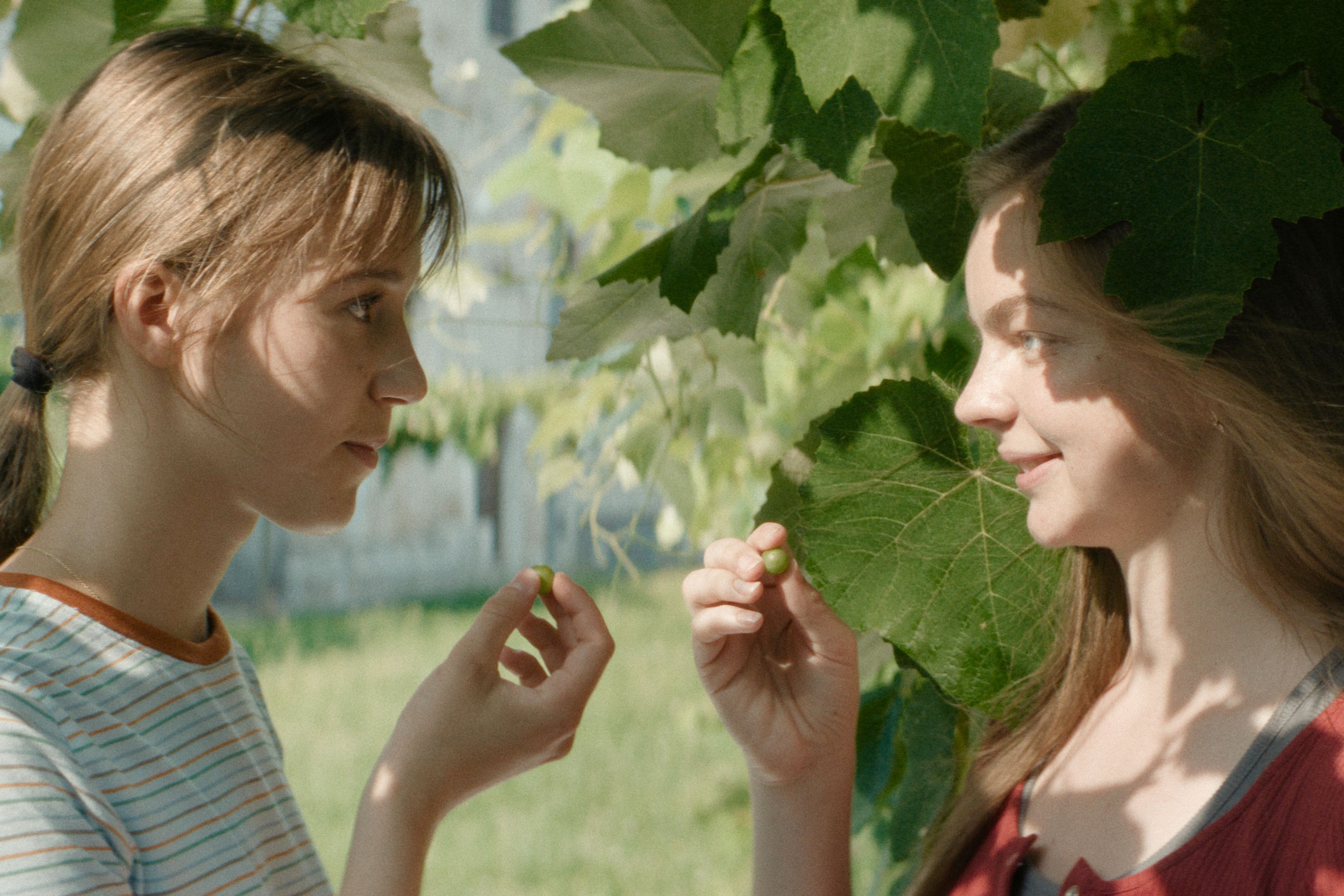
This film explores our relationship with our bodies – how we understand them, how we exert control, and how we navigate desire. In her impressive first feature film, director Urška Djukić follows sixteen-year-old Lucia (Jara Sofija Ostan) as she figures out who she is and what she’s willing to share with others. The film is both deeply moving and thrillingly honest in its portrayal of teenage experience, offering a unique and captivating coming-of-age story. It unfolds at a deliberate pace, but delivers moments of powerful impact.
Many of the visuals feel instantly recognizable. Djukić and cinematographer Lev Predan Kowarski capture images reminiscent of Georgia O’Keeffe – blooming flowers, intimate close-ups of hands and mouths, flushed faces, and fields of tall grass, alongside Persian rugs that subtly hint at female forms. The film flirts with sensuality, but consistently stops short of explicit depiction, much like its main character cautiously exploring newfound pleasure. Djukić’s film, similar to Call Me By Your Name blended with the intensity of Whiplash, is a detailed and often provocative exploration of queer identity and artistic development.
Little Trouble Girls is a remarkably subtle and well-crafted film. Djukić skillfully draws the viewer into Lucia’s world using evocative sound and a limited but impactful use of perspective. The film’s structure mirrors Lucia’s awakening sexuality, reflecting a young woman discovering new things while also being expected to maintain control.
Lucia, a shy and sheltered high school student in Ljubljana, Slovenia, sings in her church choir. Raised by her strict and traditional mother, Nataša Burger, she’s easily embarrassed and avoids anything she considers wrong. During choir practice, she finds herself seated next to Ana-Maria, a much older and confident student who is everything Lucia isn’t. It turns out the lipstick Lucia’s mother scolded her about actually belonged to Ana-Maria, who playfully offers to put it on Lucia.
The choir is going on a three-day retreat to Cividale del Friuli, a small medieval town in Italy, near the Slovenian border. For Lucia, it feels like a completely different world. Away from the stresses of home and with newfound freedom, she’s exposed to new experiences thanks to Ana-Maria and her friends – experiences that go beyond her religious upbringing. They introduce her to games like Truth or Dare, the idea of sex being enjoyable, and small acts of defiance, such as stealing a shirt from a construction worker named Matia Casson and swimming naked in the river.
Director Djukić creates a tender and insightful film where the young women first understand their own desires before connecting with others. It’s a remarkably delicate and sensitive introduction to female and lesbian sexuality.
Watching the workers relax by the water, Ana-Maria playfully shows Lucia how to practice kissing on her own hand before kissing her. The director, Djukić, sensitively portrays the young women discovering themselves before connecting with each other, offering a tender introduction to female and sapphic desire. However, their newfound freedom is complicated by the strict religious environment around them. After Ana-Maria steals a shirt from one of the workers, she jokingly suggests they eat sour grapes to ‘wash away’ their transgression, but this act, referencing a biblical story, unexpectedly intensifies their attraction.
Despite her lack of experience, Lucia is the only character genuinely seeking something real. Ana-Maria treats sexuality casually, and the choir conductor, Saša Tabaković, seems to be struggling with his own complicated feelings. The film, Little Trouble Girls, powerfully depicts the confusing and often painful experience of discovering queer feelings in a world stuck in old-fashioned ideas about gender and sex. Ostan delivers a beautifully sensitive performance as Lucia, allowing the audience to connect with the intensity of her awakening and her wide-ranging interests.
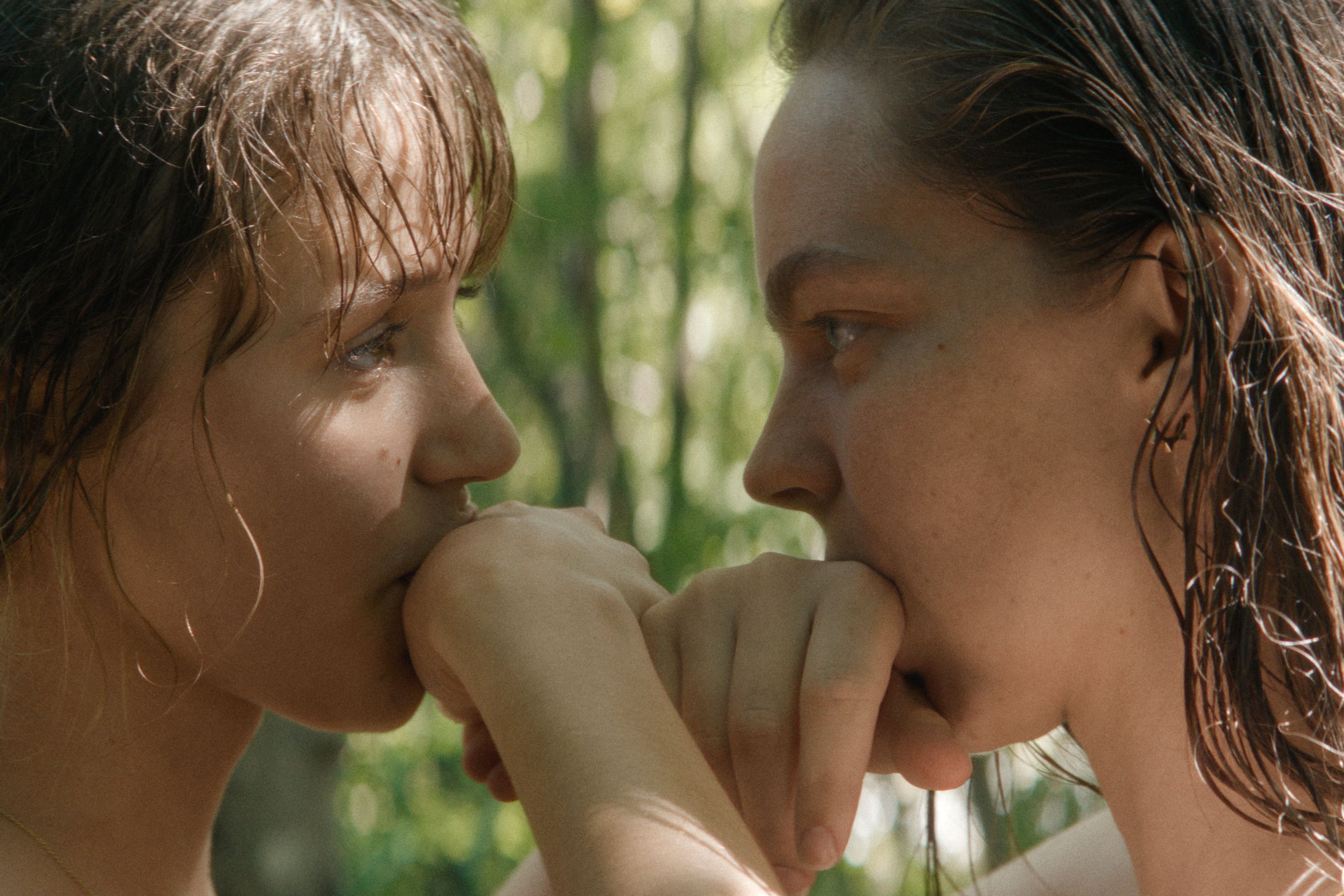
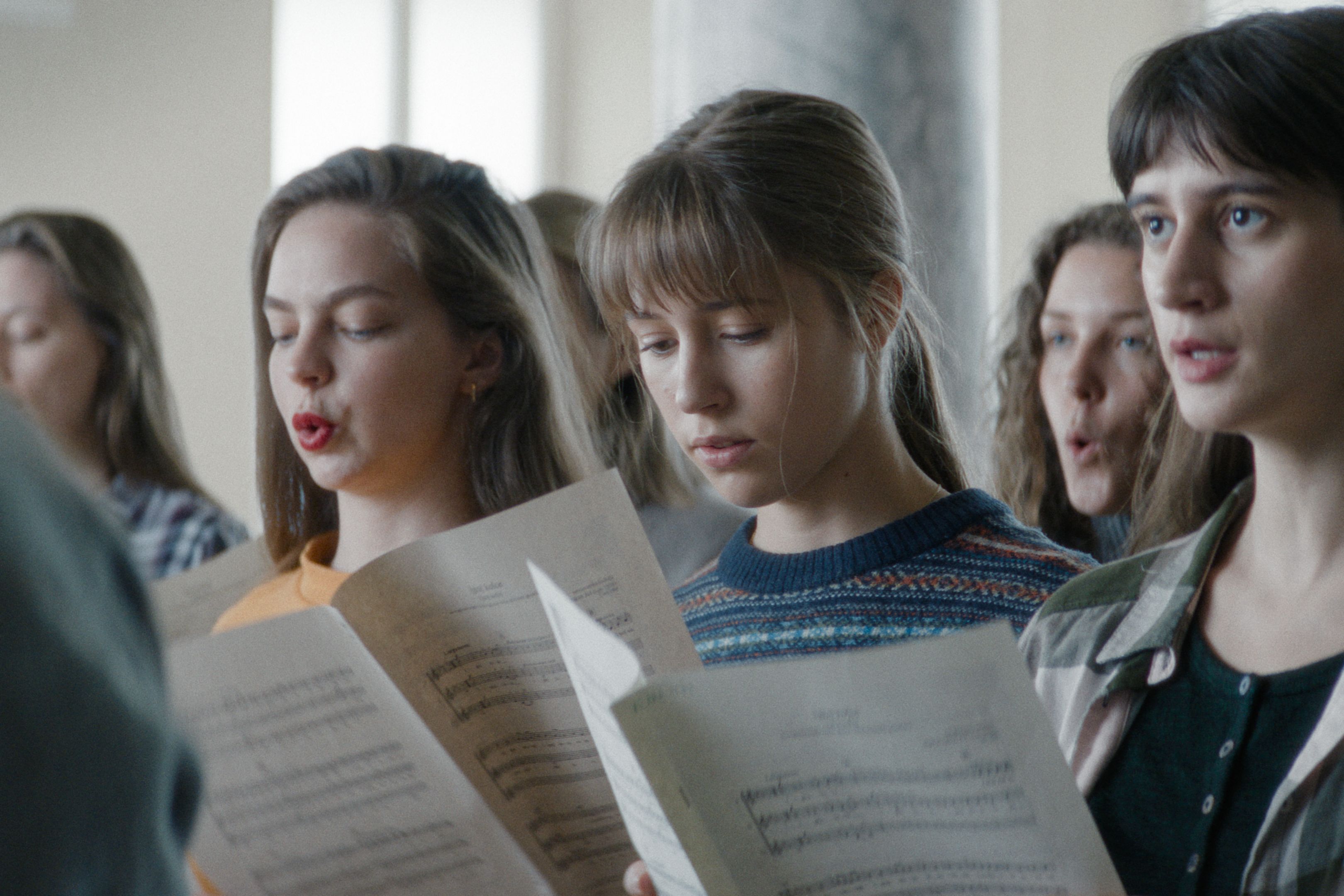

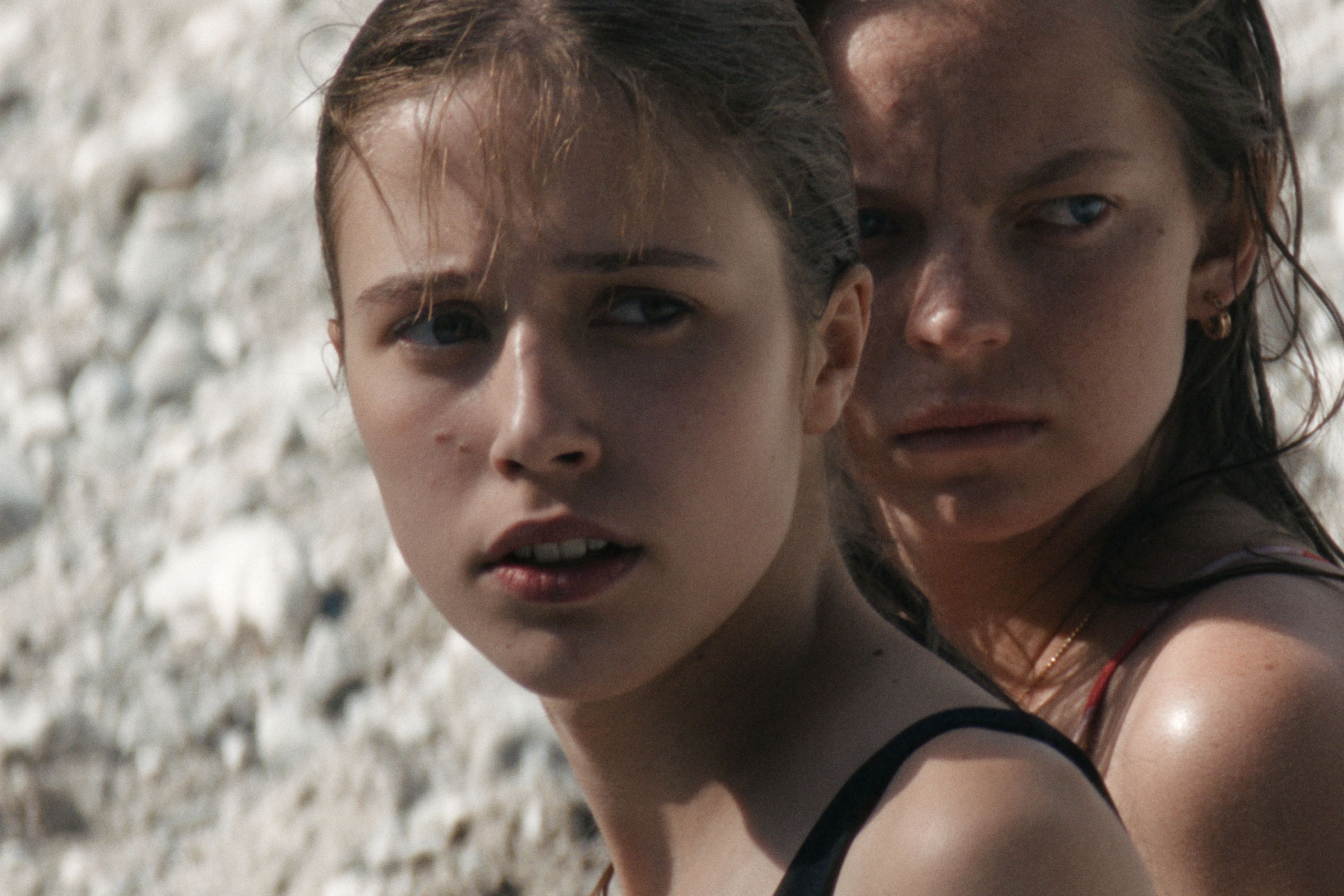
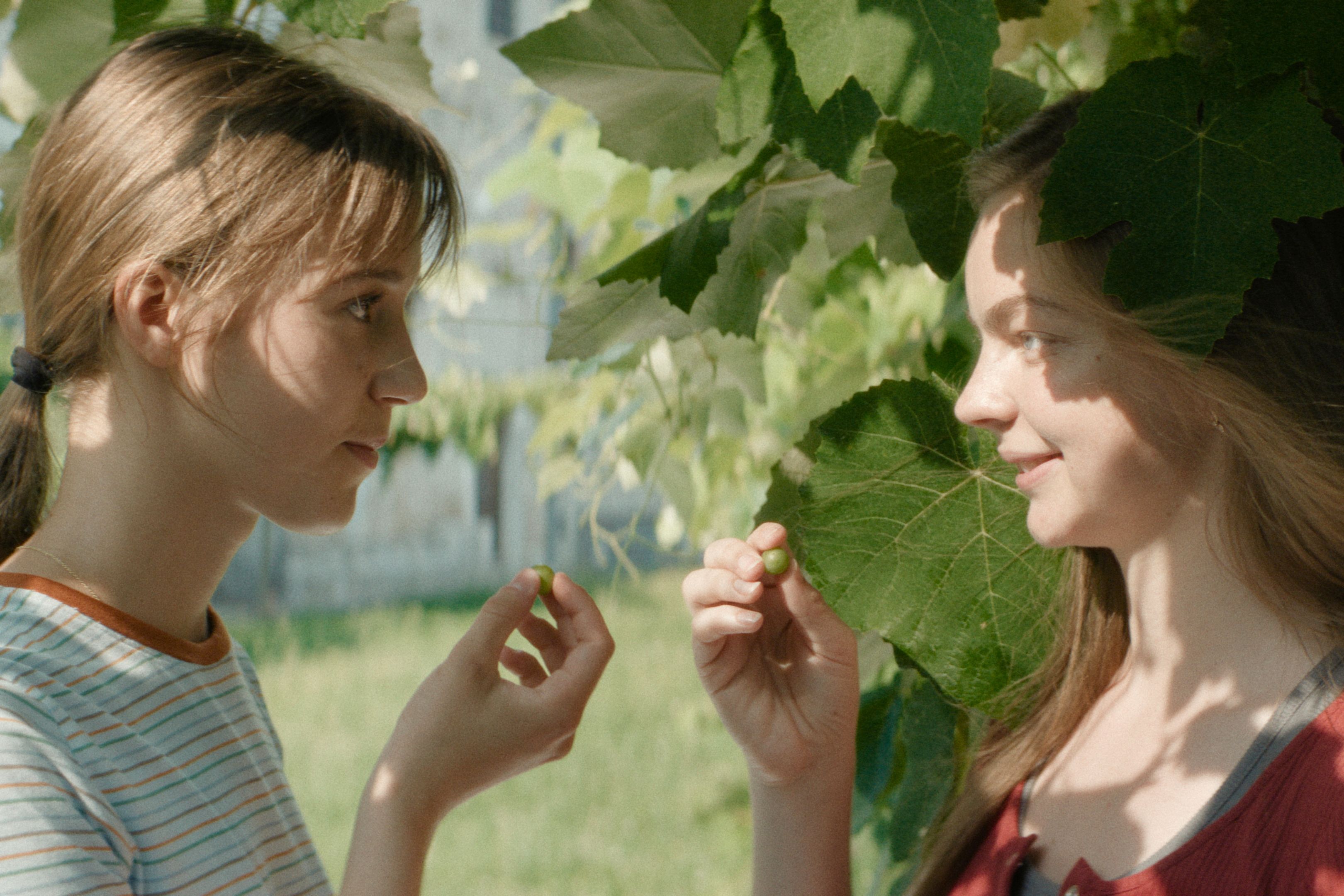


Djukić, known for her work with various media, uses intense sound and extreme close-up shots to show how quickly her young character, Lucia, is changing. The film highlights an irony: Lucia is expected to sing with skill beyond her years, and simultaneously, she’s pressured to reconcile her own feelings with what’s expected of her by religious authority.
Lucia struggles to find her footing, overwhelmed by the intense sensations of choir practice – the feeling of breath around her, intrusive thoughts, and the subtly suggestive nature of her faith. The story suggests, however, that true balance isn’t about blocking things out, but consciously deciding what we allow into our lives and how we experience it.
Read More
- Clash Royale Best Boss Bandit Champion decks
- Vampire’s Fall 2 redeem codes and how to use them (June 2025)
- Mobile Legends January 2026 Leaks: Upcoming new skins, heroes, events and more
- World Eternal Online promo codes and how to use them (September 2025)
- How to find the Roaming Oak Tree in Heartopia
- Clash Royale Season 79 “Fire and Ice” January 2026 Update and Balance Changes
- Best Arena 9 Decks in Clast Royale
- Clash Royale Furnace Evolution best decks guide
- Best Hero Card Decks in Clash Royale
- FC Mobile 26: EA opens voting for its official Team of the Year (TOTY)
2025-12-02 22:03