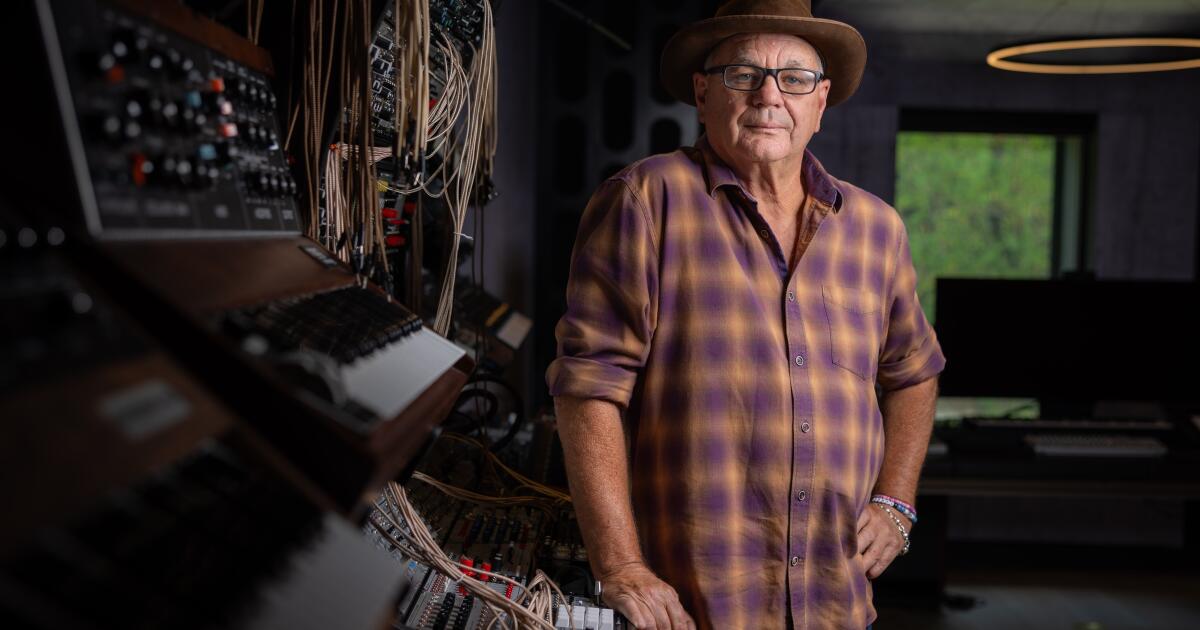
Kevin Lyman is known for his fast-paced lifestyle. For years, that meant constantly traveling with the Warped Tour, a large-scale punk rock festival. Now that the tour has returned to celebrate its 30th anniversary, he’s traded buses for planes. What began as a two-month U.S. and Canada tour has evolved into a five-city event, kicking off this weekend in Long Beach, with stops in Montreal, Mexico City, Orlando, and Washington D.C. The tour has expanded thanks to a partnership with EDM promoter Insomniac, but Lyman emphasizes that it still maintains its original spirit.
Combining punk, emo, ska, hardcore, metal, and action sports, the Warped Tour introduced a new generation to the festival experience. This meant founder Kevin Lyman constantly had to embrace new music while preserving the community spirit that made Warped more than just a yearly concert series.
He recently spoke with The Times about how they’re bringing the festival back and why it remains an important event each summer.
What were your initial thoughts after Warped Tour’s big comeback in Long Beach last year?
I felt incredibly anxious because I understood this was a crucial opportunity. While we planned for larger events with more elaborate production in the future, my priority was to recreate the energetic atmosphere of classic Warped Tour during downtime between bands. We aimed for that same mix of fun and controlled chaos – the merchandise areas, sponsor booths, skate ramps, and daily surprises – and I think we succeeded. The response from fans has been overwhelmingly positive. Some older attendees found it a bit exhausting, but overall, Warped Tour made a strong comeback. Tickets for 2026 went back on sale quickly, and it was amazing that half of them sold immediately, even before the band lineup was announced.
Jimmy Eat World is celebrating the 25th anniversary of their album “Bleed American” at the festival this year. How does it feel to see some of the bands who were popular during the early days of Warped Tour performing here again?
Seeing so many great bands felt amazing. Rise Against really stood out for me last year – it was a truly special moment. They were such a staple of the Warped Tour, and bringing them back created an incredible scene. Everyone was holding up their phones, and it seemed like half the audience was seeing them live for the first time.
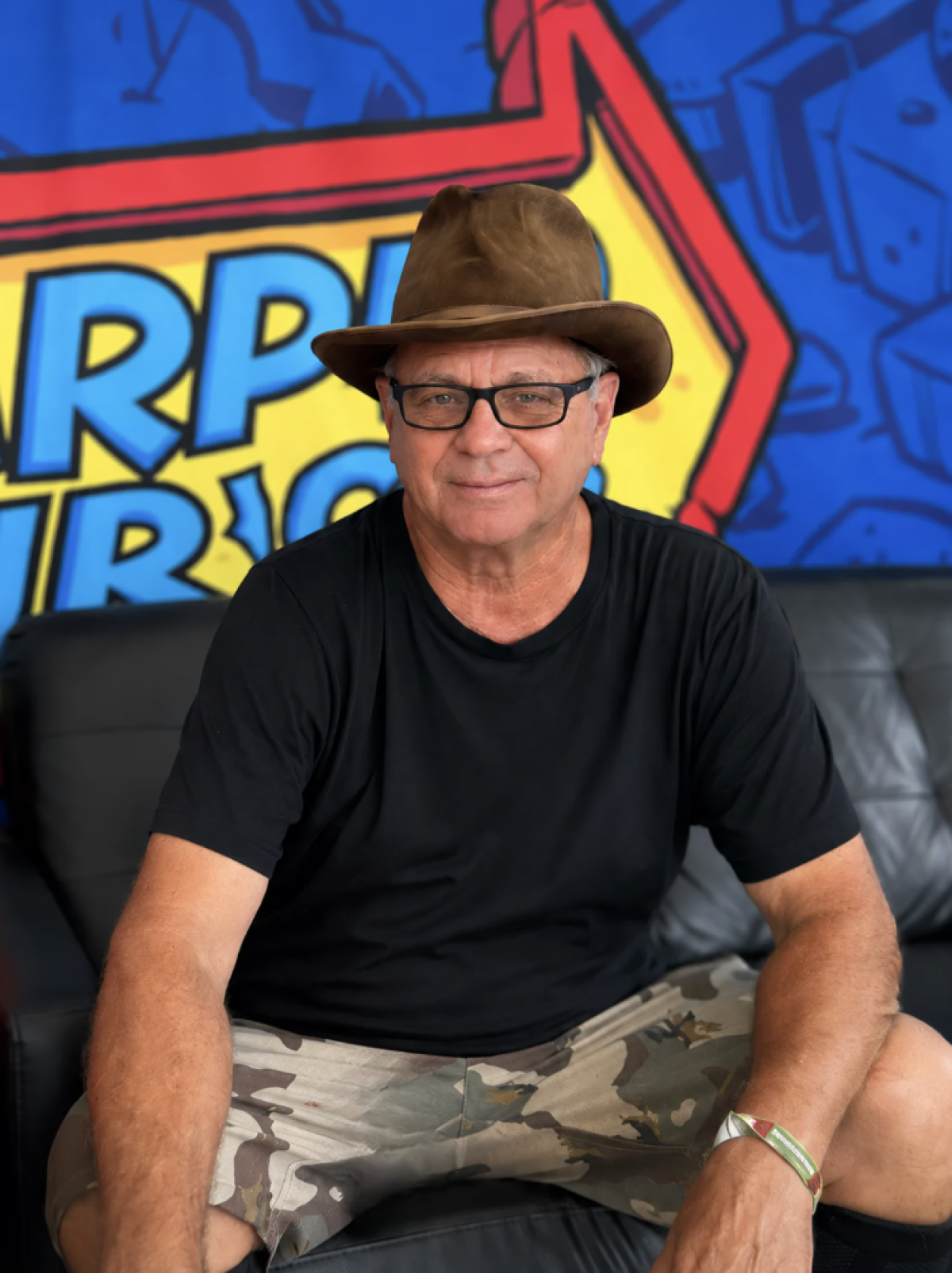
Warped Tour always felt unique because you approached things differently, creating a special atmosphere. Why do you think that distinct style is still so important for music festivals now?
I always knew I needed to create my own path in this industry, as I never really fit in. That independent spirit comes from my time with Goldenvoice in the ‘80s, where I worked with the equally rebellious Gary Tovar. I’ve always believed in doing things differently and making them unique. Now, when I teach at USC, I emphasize the importance of understanding the fundamentals of any business. For me, that meant spending years working in L.A. clubs, really learning the ropes, before forging my own way. I encourage anyone pursuing a dream to fully commit, and that’s what I did. Luckily, my approach connected with people who saw something different and were willing to support me instead of tearing me down. I’ve always been a bit of a disruptor, and that disruption has drawn the right people to me. We’ve built a dedicated community – like the crowd at Warped Tour – a real niche of people who get it.

How did you keep Warped on people’s minds year-round while you were planning it out this year?
It used to be easier to connect with fans because we did a two-month tour, which really helped us build a strong community. Building that community is really important to me. Everything we’re doing now focuses on investing in our fans, and I think it’s paying off. We’ve been holding events in different cities – like Long Beach, Orlando, Mexico City, and Montreal – and organizing things like food drives, blood drives, and voter registration. We do these events consistently to stay top-of-mind with our audience. It’s not about making money off our most dedicated fans; it’s about showing them appreciation. A free event, like the one we held in Long Beach, is a way of saying thank you. Those are the fans who will naturally promote our content, share it with their friends, and spread the word. A lot of people at Warped Tour – about a third – were attending a festival or concert for the very first time, so we need to connect with them in new and different ways.
What are your ways of scouting out bands you want to take a chance on when booking the festival?
I work with a fantastic booker named Amanda Phelan who handles direct communication with agents and manages bookings for me. While I still talk to agents, my focus now is on discovering up-and-coming bands – seeing what’s getting buzz from other musicians and younger audiences. I also stay connected with independent promoters I’ve worked with in the past.
Why do you think younger generation of fest goers will keep discovering Warped Tour?
We used to be the festival that wrapped up early, before dark, making it easy for parents to pick up their kids or for everyone to head home. We were often people’s first festival experience. We hope to be that again, but affordability will be key. We understand that the cost of attending Warped Tour worked for two types of people: those trying out festivals for the first time, and those who don’t have as much time or money to go to shows anymore. It offered a way to enjoy live music for a day or two and recapture that feeling of youth.
2026-07-24 00:01