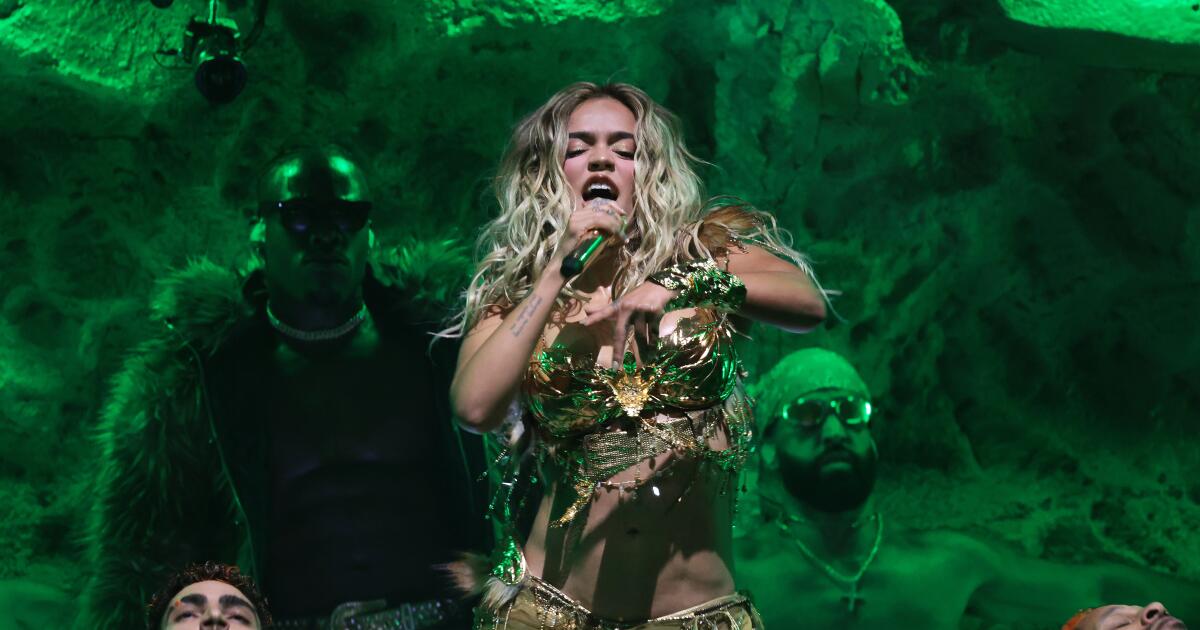
During the first night of Coachella, headlining artist Karol G encouraged her fans – both in the US and around the world – to persevere and keep striving for their goals.
Speaking to the tens of thousands of fans at her concert – and many more watching online – the Colombian singer addressed the challenges her Latino fans have been facing. Having recently spoken out against ICE, she used her performance to celebrate their strength and resilience. “I want everyone to feel proud of their heritage and welcome in our culture,” she said. “Don’t be afraid – be proud!”
As a huge music fan, it’s amazing to see any artist headlining major shows, but honestly, a lot of international bands are starting to get really hesitant about touring here in the States. It’s not just the usual touring headaches – it’s a combination of things. The increased ICE raids, tougher border security, and even just feeling like you have to watch what you say politically are making things scary. Plus, everything’s gotten so expensive – visas, gas, everything needed for a big tour – and it’s starting to feel like the cost of coming to the U.S. just isn’t worth it for a lot of artists.
Despite worries about ICE raids at concerts, those fears haven’t come true, but they are still having a discouraging effect, according to Andy Gensler, editor of Pollstar, a leading industry publication. Gensler notes it’s only been a year since the former president returned to office, so the full impact remains to be seen. However, the current situation signals that artists with politically charged messages may face visa issues. Combined with the economic pressures of high gas prices and reduced tourism, these factors are creating a challenging environment.

Music
Last week, Minneapolis rapper and activist Nur-D (Matthew Allen) physically intervened to protest against ICE.
As a huge music fan, I’m happy to report the SoCal music scene is still going strong! Coachella completely sold out, and fans really splashed out – spending was way up this year. There was some worry beforehand about ICE potentially showing up due to a major Latin artist headlining, but thankfully that didn’t happen. I reached out to ICE for a statement, but they didn’t respond. The Riverside County Sheriff’s office also confirmed they don’t get involved in immigration enforcement at events like that, which is good to hear.
But in smaller venues featuring emerging and mid-tier global acts, some see trouble ahead.
According to Pollstar and Gensler, the number of concerts they monitored in the U.S. during the first three months of 2026 was roughly 17% lower than the same period last year. This decrease might be caused by various economic issues, and a reduction in international tours could also be playing a role.
Let me tell you, the US remains the biggest and most profitable place to play for musicians. The venues are huge, and frankly, you just can’t earn as much anywhere else. However, I’m hearing some worrying things. People seem to be attending fewer events – I’ve heard reports about a drop in attendance at South by Southwest, for example – and fewer Canadians are traveling down here, including those coming for music festivals and concerts in places like California. With rising costs, especially gas prices, and potential new barriers to travel, it’s really unclear how all this will impact the touring scene going forward.

Music
The 2026 festival marks a quarter-century of music and art, and has grown into a huge, worldwide cultural event.
Talent agencies that bring international artists to the U.S. started seeing a decline in interest even before this year’s festival season began. Adam Lewis, who leads Planetary Group – a company that promotes musicians and hosts showcases in the U.S., working with many international artists – says performers who usually jump at the chance to play American festivals are now carefully weighing the potential benefits against the risks.
Lewis explained that artists are reconsidering working in the U.S. due to current government policies. The cost of visas is too high for many, creating fear within the music community. As a result, both artists and industry professionals are hesitant to participate in U.S. music events, and are taking their business elsewhere.
Covering South by Southwest this year, I definitely sensed a change. It was one of the first big festivals to feel the impact of some real headwinds, and I heard from several people that there were fewer international artists performing. The biggest sign, though? Canada cancelled its usual showcase for 2025, saying the current political climate made it just not worth the trouble. While plenty of events still went off without a hitch, there was a definite feeling that things aren’t quite as open and optimistic as they used to be.
According to Angela Dorgan, director of Music From Ireland (funded by Culture Ireland), many artists are hesitant to perform in the U.S. due to the increased difficulty of getting accepted and fear of rejection. Music From Ireland has a track record of successfully launching Irish artists in the U.S., including CMAT, who recently performed at Coachella, and Fontaines DC.

Music
CMAT, a rising country-pop artist from Ireland, performed at Coachella for the first time. She’s become very popular in Ireland by combining her Irish roots with a fascination for American culture, and she brought that unique style to the festival audience.
Despite the challenges, artists still want to perform in the United States. There’s a special connection between America and Irish people, and we don’t want to see that harmed,” Dorgan explained. “Irish artists believe their American fans really need music right now and are eager to keep that connection alive and show their support.
Takafumi Sugahara, who organized the “Tokyo Calling X Inspired By Tokyo” event at South by Southwest, noted that getting visas for Japanese artists to come to the U.S. has always been a hurdle. He believes the process has recently become even more difficult, potentially due to the current political situation.
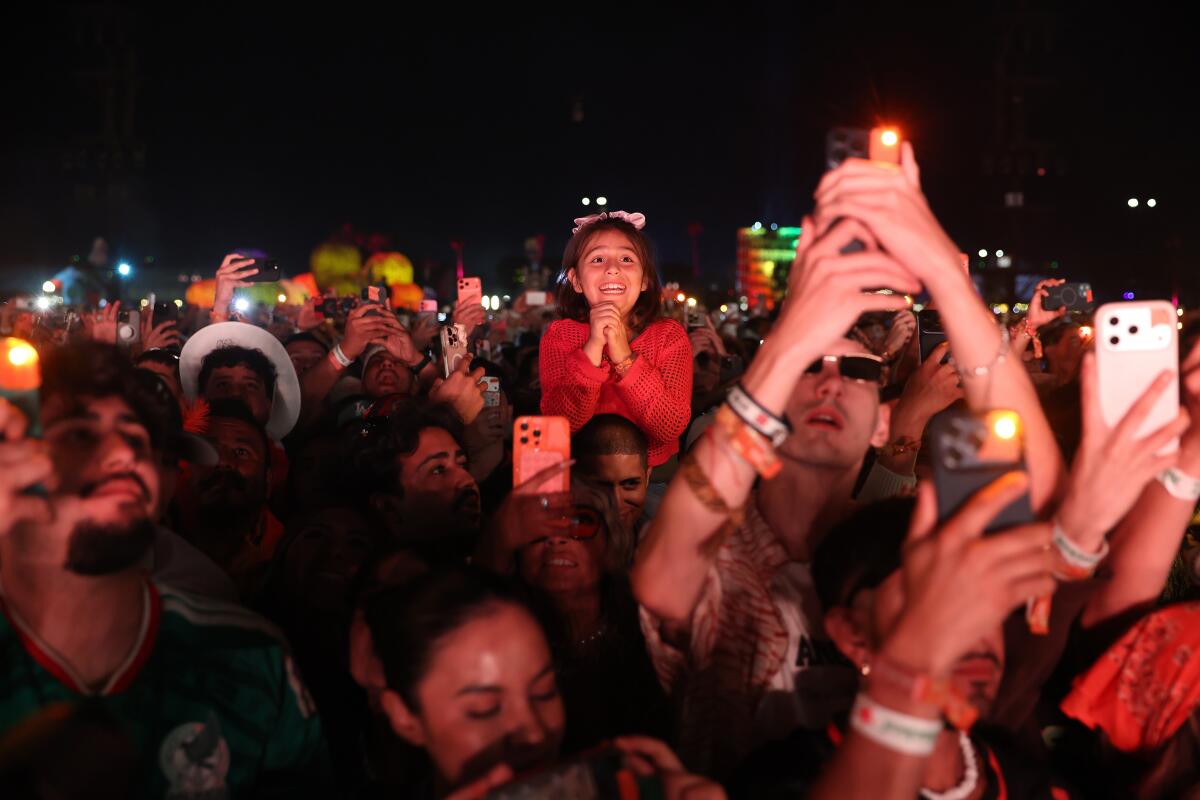
Recent arrests of tourists and concerns about speaking out politically are making people reconsider their plans. While current global conflicts haven’t drastically changed artists’ choices yet, that could change if the situation escalates. As one source explained, ‘Right now, the impact doesn’t seem strong, but things could shift if the situation worsens.’
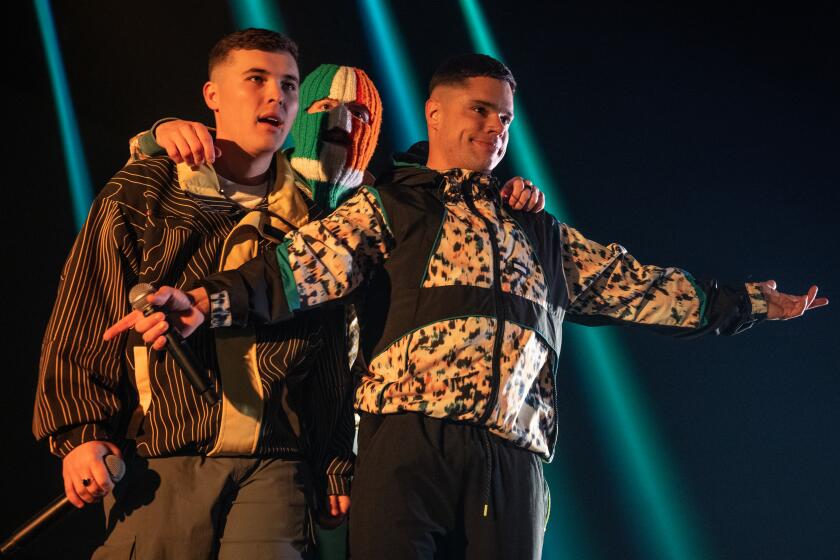
Every year, Coachella and other events often run into problems getting artists visas to enter the U.S. This year, electronic artist Tourist had to cancel his performance, following a similar situation with FKA Twigs last year. The Grammy-winning group Tinariwen also had to cancel a tour due to new travel restrictions put in place by the Trump administration, impacting 19 countries including Mali. Visa issues have also affected other artists; folk legend Cat Stevens cancelled a book tour, and outspoken U.K. duo Bob Vylan were denied visas for their criticism of Israel. Irish rap group Kneecap faced similar difficulties after their visa sponsor withdrew support for the same reason last year.
Music
The band from Northern Ireland announced on social media that they had planned to display messages during their first weekend performance, but those messages – concerning what they described as a US-backed genocide in Gaza – didn’t show up on the screens.
A European band, who wished to remain anonymous due to concerns about potential repercussions from the U.S. government, had a U.S. theater tour booked for last year. However, their visas were denied shortly before the tour was scheduled to start, forcing them to cancel and reschedule for spring 2026. This cancellation resulted in significant financial losses – tens of thousands of dollars in costs they’d already paid that weren’t recoverable. Obtaining a performance visa now typically costs $6,000, and expedited processing, which is often necessary, adds to that expense.
The band explained that their manager told them, ‘Despite your payment and the check clearing, your visas won’t be approved – something that’s never happened before.’ They initially thought their support for Palestine might be the reason, but now they believe the issue stemmed from changes made to their application forms.
A small error cost us tens of thousands of dollars, which was a major financial blow for a band like ours with a dedicated fanbase,” they explained. “We had to play extra shows just to cover the loss, then reapply for visas, paying an additional $4,000 to get them processed quickly. We even had to take out a loan. It felt like we were constantly being taken advantage of. We love playing in the U.S., but we’ve reached a point where we have to accept the financial reality and stop touring there. We’re not alone – many bands are now giving up on the U.S. market.”
They expressed feeling powerless, saying the U.S. government seems able to act without consequence, and they have no choice but to accept it. They feel constantly unsettled because the rules keep changing, which is frightening.

Music
As Coachella approaches, many international performers are worried about getting visas and potential issues stemming from stricter policies and increased scrutiny under the Trump administration.
That fate can befall even major acts, particularly those from Latin America.
Several popular Mexican musical groups have recently had their U.S. concerts canceled due to visa issues. Last year, Julión Álvarez had to cancel a show for 50,000 fans in Texas after his visa was revoked. Similarly, Grupo Firme faced cancellation at a festival in Napa Valley. And Los Alegres del Barranco lost their visas when they displayed an image of a known drug lord, “El Mencho,” during a performance.
According to Oscar Aréliz, a Latin music expert at Pollstar, the situation highlighted how vulnerable promoters are under the current administration regarding visas, and how rapidly changes can lead to significant financial losses – potentially millions of dollars.
A performer as well-known as Karol G likely faces different challenges, but she’s shared that speaking out can be risky. She told Playboy that voicing an opinion could lead to visa issues, making her a target for those wanting to demonstrate their authority.
If a major artist like Álvarez can experience this, it shows anyone could. This might lead some Latin American performers to focus on other areas instead.
Bad Bunny decided against a U.S. tour because he worried about potential ICE raids at his concerts. Instead, he chose to perform for a longer period in his home country, Puerto Rico.

Essay: Bad Bunny will star in the Super Bowl LX halftime show. But will his fans be safe?
Bad Bunny, the popular Puerto Rican artist, isn’t including the U.S. in his next tour because he’s worried about ICE targeting Latino communities. This raises questions about why he’s agreed to perform at the Super Bowl in 2026.
Latin music scenes in cities like Santa Fe Springs and Pico Rivera have been significantly impacted by recent ICE raids, with many fans now afraid to attend events. While Las Vegas is usually a popular stop for Mexican artists during September’s independence celebrations, things feel different this year, according to Aréliz. He anticipates a substantial decrease in music tourism from both northern and southern regions.
Las Vegas gets many visitors from Canada and Mexico, and we expect other countries to see a boost in tourism as a result. If performers find it difficult to get visas to tour in the US, they’ll likely choose to perform in Mexico and throughout Latin America instead.
Most concert tours are scheduled a year ahead of time, meaning we likely won’t see the full impact of visa problems and concerns about ICE until late 2026 or 2027. The upcoming midterm election results could also shift how safe America seems to international performers. Despite these challenges, the U.S. remains a very important and profitable market for artists who can successfully tour here.
The global music scene views the U.S. with sympathy, hoping we can overcome our current challenges and return to our former strength. They’re looking forward to a brighter future for American music.
For several years, we’ve been exploring ways to reach new audiences for Irish music in the U.S.,” Dorgan explained. “Our recent Ireland Music Week showcase was essentially a message to America: we still value our relationship, but we’re also looking to expand our reach elsewhere.”
Read More
- These Cartoon Reboots Totally Missed the Point of the Originals (& Went Downhill Fast)
- Gold Rate Forecast
- Total Football free codes and how to redeem them (March 2026)
- Netflix’s Best Stranger Things Replacement Officially Takes America By Storm
- $292M KelpDAO Exploit: LayerZero Uncovers Single-Verifier Flaw in Massive Hack
- 6 Animated Movie Trilogies Where Every Entry Is Near-Perfect
- Zenless Zone Zero version 2.8 ‘New: Eridan Sunset’ update will release on May 6, 2026
- Maggie Smith’s sons “deeply touched” by huge honour to the late “national treasure”
- STARBUCKS STAND by BEAMS Channels Kenyan Coffee Heritage Into Its Latest Spring/Summer Wardrobe
- Top 5 Best New Mobile Games to play in May 2026
2026-04-19 13:39