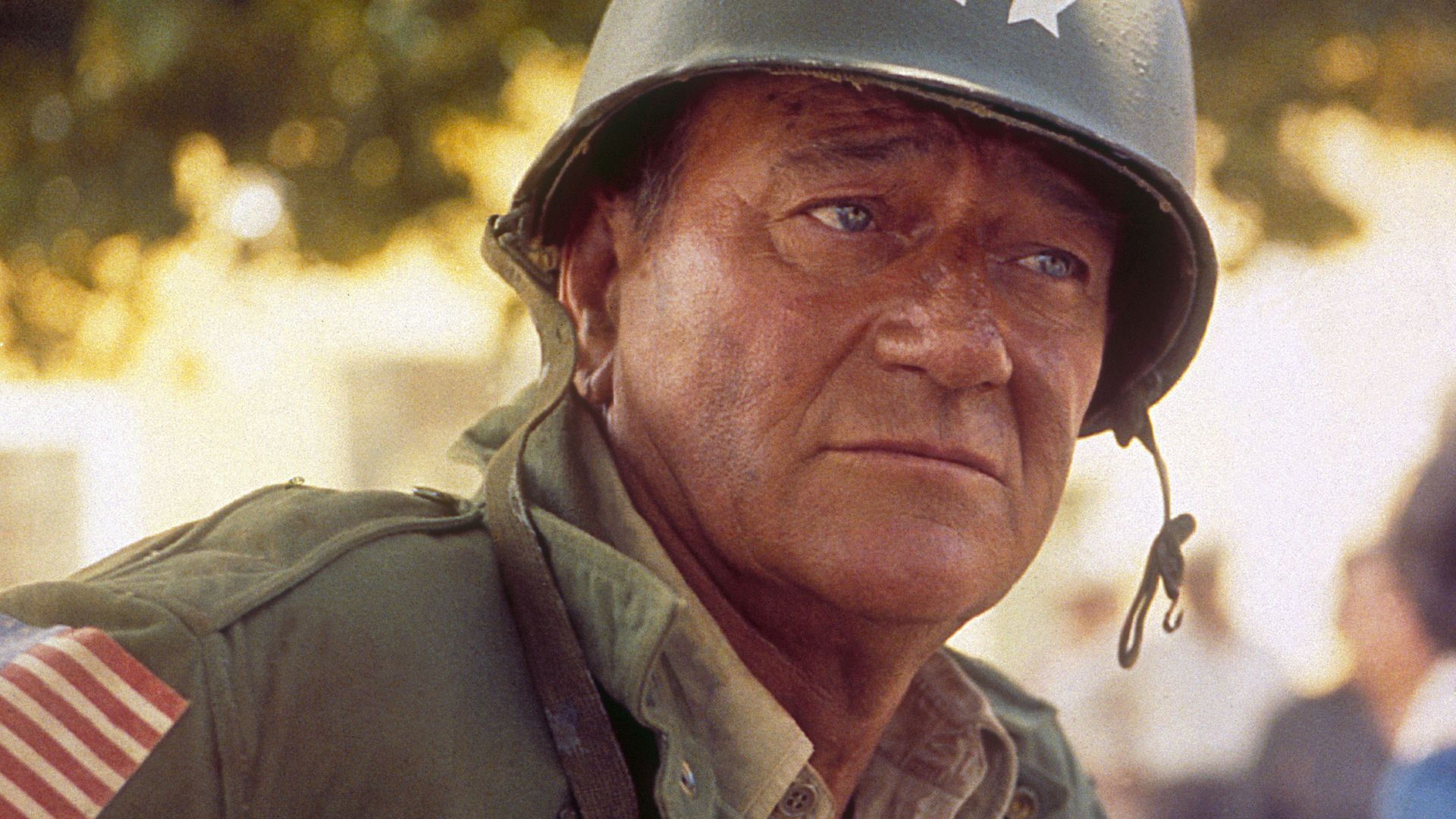
Although John Wayne was a famous Western actor for over 50 years, he didn’t often direct films. But when he did, he took on large-scale projects. He benefited from working with talented directors like John Ford, Howard Hawks, and Henry Hathaway, who helped shape his skills behind the camera.
Despite working with many talented people, John Wayne often had disagreements with directors, even getting into a physical fight with John Huston on the set of The Barbarian and the Geisha. Although he learned from skilled filmmakers, directing didn’t come easily to him.
The films he directed, whether on his own or with others, generally received a mixed reaction from critics and didn’t perform strongly at the box office. Unlike Clint Eastwood, who quickly proved a skilled director, John Wayne’s directing style often felt forced and overshadowed his movies. However, he clearly poured his heart into his work, particularly one ambitious project he envisioned in 1960.
5. The Green Berets (1968)
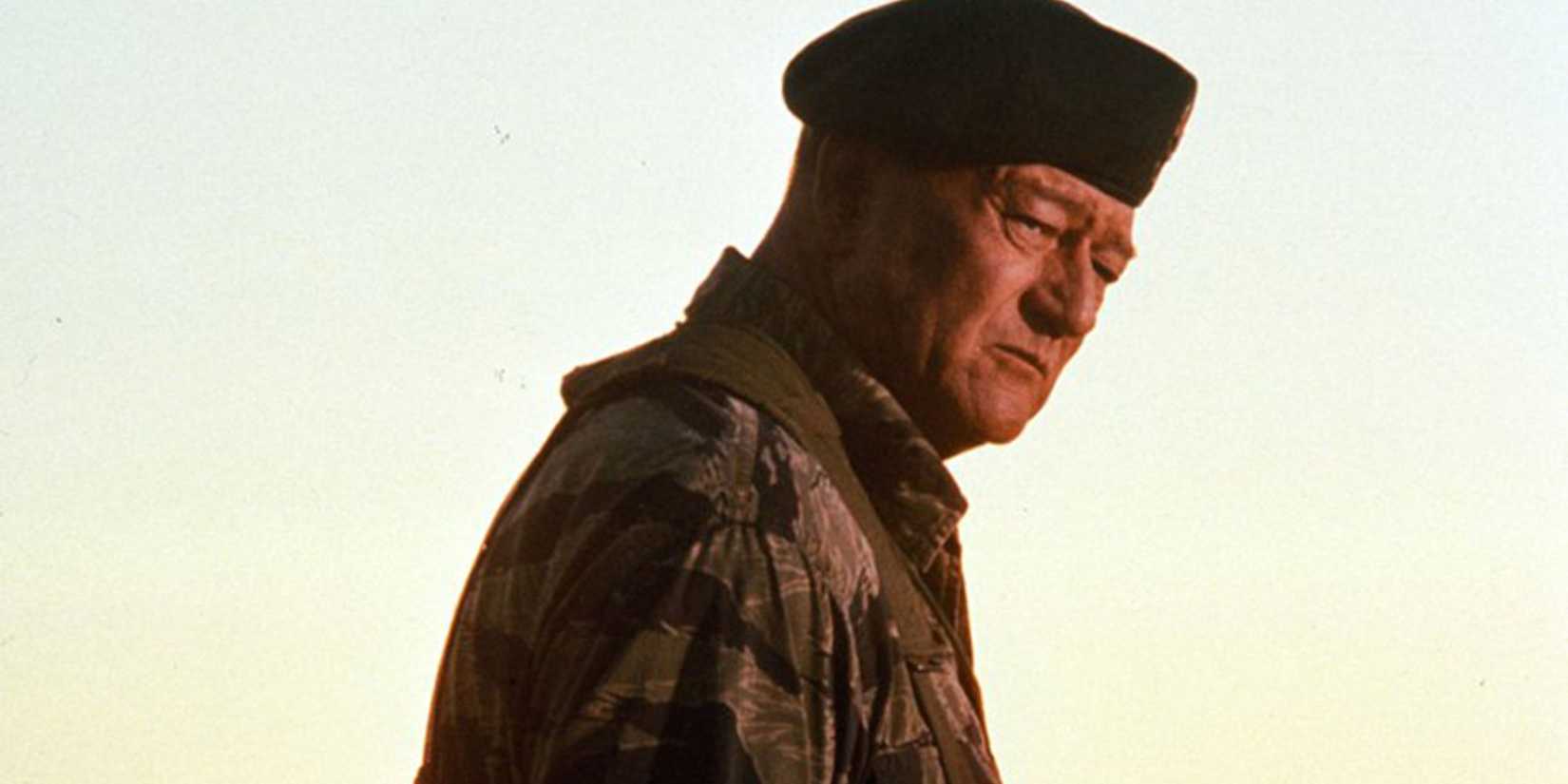 Image by INSTARImages.com
John Wayne was known for his traditional beliefs and wasn’t shy about sharing his political opinions. He strongly supported the Hollywood Blacklist, and he even co-directed the film The Green Berets specifically to generate public approval for the Vietnam War. Though the movie is clearly patriotic, it’s also quite obvious in its attempt to persuade viewers.
Wayne directed the film alongside Ray Kellogg, and despite its unexpected success, it received some of the most negative reviews of his career. Notably, Roger Ebert – who would later give Wayne’s True Grit a four-star rating – gave The Green Berets no stars at all.
Although some reviewers weren’t quite as harsh, the movie generally received negative feedback due to its slow pace, unnatural dialogue, and unrealistic portrayal of the war. The battle sequences are visually impressive, but the film’s nearly two-and-a-half-hour runtime feels excessive and exhausting.
Released in 1968, The Green Berets feels incredibly dated today – almost unwatchable after nearly 60 years. While it offers a glimpse into the attitudes of the time, it’s mostly for dedicated fans of John Wayne.
4. The Alamo (1960)
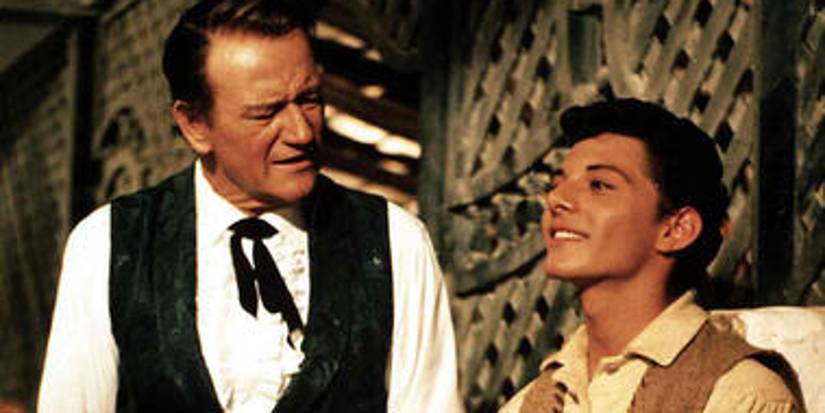
John Wayne’s only self-directed film, The Alamo, was a passion project he’d dreamed of for years. He spent more than ten years trying to bring it to life, and ultimately decided to direct it himself because he had a very specific idea of how it should be done.
John Wayne personally invested over $1.5 million of his own money into the film The Alamo, which cost a remarkable $12 million to produce at the time. This sweeping Western is truly epic, featuring massive battle scenes, detailed sets, and a star-studded cast including Wayne, Richard Widmark, and Laurence Harvey.
Wayne clearly put a lot of passion into The Alamo, but ultimately, he wasn’t the best choice to direct it. The film feels overly long, as Wayne allowed scenes with lots of dialogue to drag on, hurting the movie’s flow and overall story.
As a film critic, I have to say The Alamo shares a fate similar to The Green Berets – it’s been rightfully criticized for not being entirely accurate. But despite its flaws, it remains essential viewing for John Wayne devotees. It’s undeniably overlong and, frankly, a bit of a narrative mess. However, it was Wayne’s biggest risk, a passion project where he really poured his heart and soul into the production, and that counts for something.
3. Blood Alley (1955)
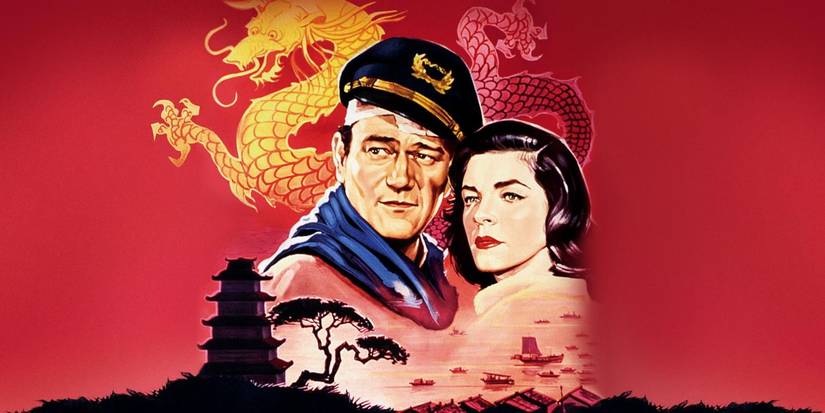
When Robert Mitchum was fired from Blood Alley – allegedly for throwing the film’s transportation manager into the San Francisco Bay – Wayne stepped in to take his place. Wayne’s production company, Batjec, made the movie, and he ended up starring in it himself after other big names turned down the role.
The film features Wayne as an American merchant rescued from a Chinese prison. He’s then charged with leading 200 villagers to safety. While an unusual story, the movie’s portrayal of Chinese people hasn’t held up well over time.
Wayne and his leading lady, Lauren Bacall, don’t share much on-screen connection, although Bacall generally outperforms her co-star. The film, Blood Alley, was directed by William A. Wellman, but he fired Mitchum after a serious disagreement between them. Interestingly, when Wellman became sick during production, Wayne briefly took over as director.
I have to admit, this movie is a bit odd, but it really grew on me. Wayne and Bacall are just fantastic together, and visually, it’s stunning – the cinematography and sets are gorgeous. Plus, it’s packed with some really well-done action sequences, too.
2. The Comancheros (1961)
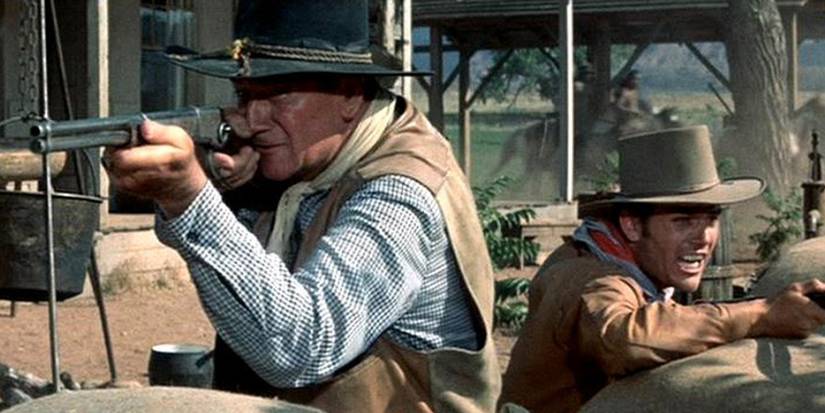
After The Alamo didn’t quite hit the mark, Duke himself confessed he needed some quick paychecks, and The Comancheros was definitely one of those jobs. Honestly, it’s a pretty standard Western – nothing groundbreaking – but it’s a fun, lighthearted ride. Perfect for a lazy Sunday if you just want to be entertained.
Hollywood veteran Michael Curtiz, famous for directing Casablanca, directed the movie, even though he was battling terminal cancer while filming. Often too sick to continue, Curtiz relied on Wayne to step in and help complete the Western.
Overall, The Comancheros is a fun, straightforward Western, featuring John Wayne as the strong, confident hero his audience expected. While it’s not a standout film in his career, it’s certainly not a disappointment, and offers more entertainment than The Alamo.
1. Big Jake (1971)
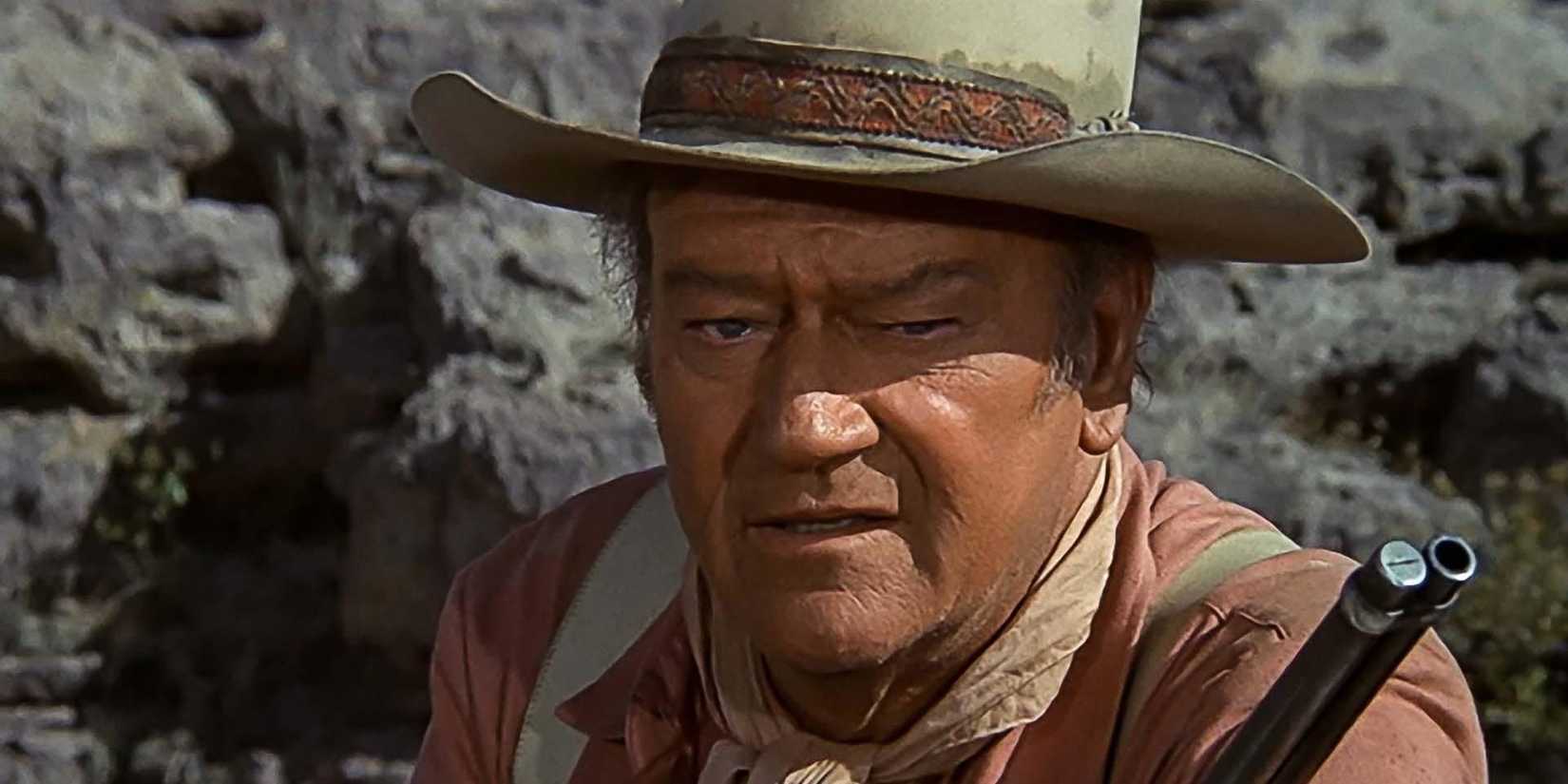
John Wayne’s film Big Jake is his most action-packed, centering around a grandfather who comes together with his sons – including his real-life son, Patrick – to rescue his kidnapped grandson. The mission quickly becomes a violent and dangerous one.
Although George Sherman was officially the director of Big Jake, his poor health meant John Wayne ended up directing much of the action and outdoor scenes. While the cast and crew acknowledged Wayne’s significant contributions to directing the film, he didn’t want to be officially credited as a director.
Out of all the films John Wayne directed or had a significant role in, Big Jake is arguably the most fun to watch. It moves at a great pace, features exciting action sequences, and includes some truly memorable and ruthless villains for Wayne’s character to confront. Compared to his other movies, Big Jake also has a surprisingly strong impact when it comes to action and violence.
While it’s among the best of the star’s later Westerns, it doesn’t quite reach classic status. The film suffers from awkwardly placed comedic scenes – added at the request of John Wayne, who was worried about the film being too violent – and ultimately feels like a solid, well-crafted B-movie.
Read More
- Clash Royale Best Boss Bandit Champion decks
- Vampire’s Fall 2 redeem codes and how to use them (June 2025)
- Mobile Legends January 2026 Leaks: Upcoming new skins, heroes, events and more
- M7 Pass Event Guide: All you need to know
- Clash Royale Furnace Evolution best decks guide
- World Eternal Online promo codes and how to use them (September 2025)
- Clash Royale Season 79 “Fire and Ice” January 2026 Update and Balance Changes
- Best Arena 9 Decks in Clast Royale
- Clash of Clans January 2026: List of Weekly Events, Challenges, and Rewards
- Best Hero Card Decks in Clash Royale
2026-01-09 16:01