I thought Netflix’s Jay Kelly would be perfect for me. I’ve spent the last 18 years as an entertainment journalist in Los Angeles, closely following the film industry and the people who work in it. Movies about filmmaking have always been a bit of a specialty genre, with films like The Player and State and Main appearing occasionally.
For a long time, movies about filmmaking were only popular with a small group of people, mainly because they weren’t very profitable. However, that started to change with the start of the 21st century. Films like Tropic Thunder, Birdman, La La Land, The Disaster Artist, and The Fablemans gained attention – either from critics, audiences, or both – by focusing on the world of filmmaking itself.
This trend has also become popular on television, most notably with the Apple TV+ series The Studio, which won a record-breaking 13 Emmy Awards in a single season. The new film Jay Kelly, directed and written by Noah Baumbach (known for Marriage Story), is another example of this type of show or movie.
Despite being well-received by critics, the conclusion of ‘Jay Kelly’ highlights a frustrating trend: Hollywood’s obsession with making films about Hollywood.
Jay Kelly’s Supposed Duality Of The Movie Star Falters At The End
 Peter Mountain/Netflix
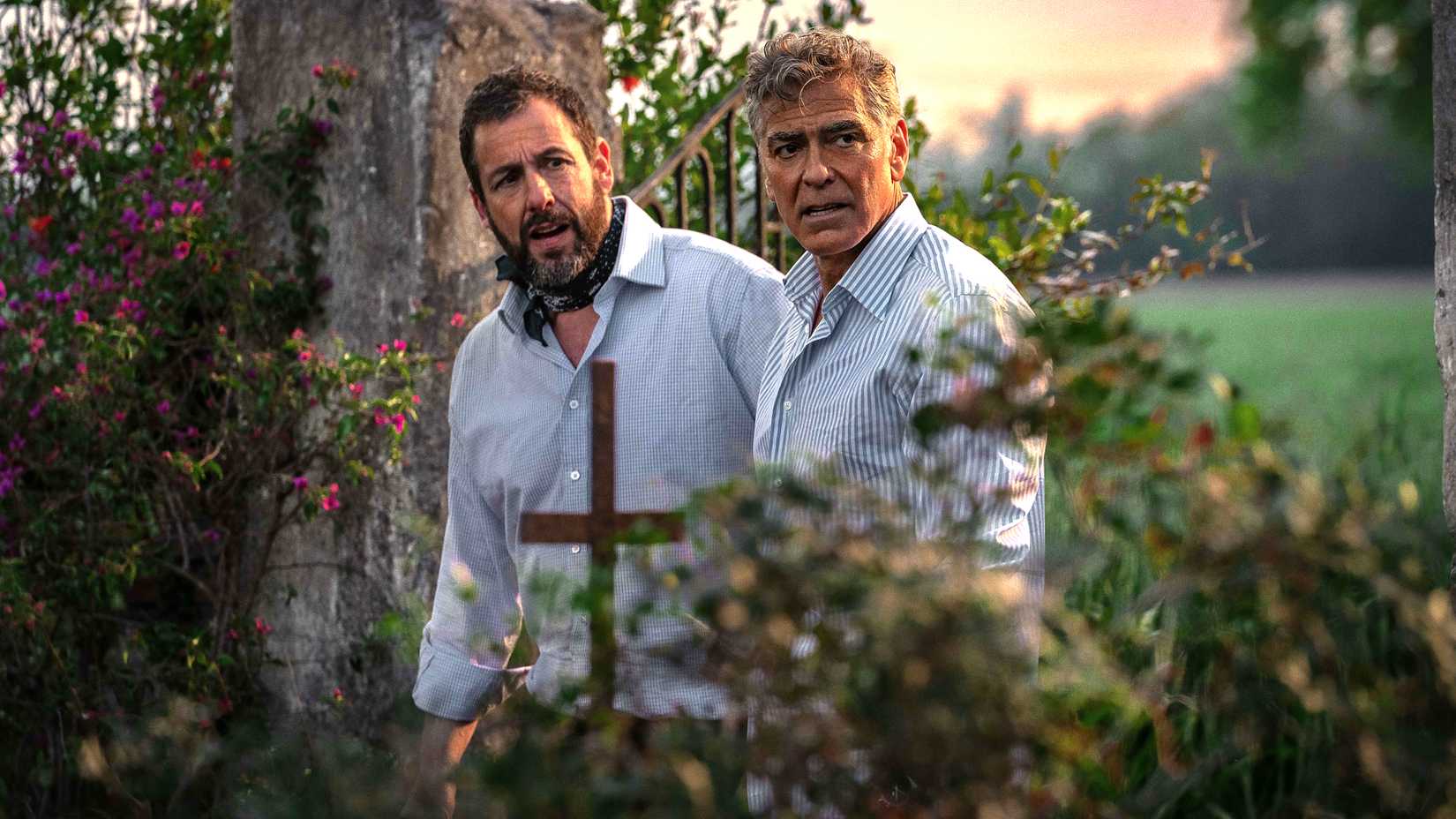
George Clooney plays a character who feels like a slightly fictionalized version of himself, similar to how Adam Sandler played a heightened version of himself in the 2009 film Funny People. Both Clooney’s character and Jay Kelly are incredibly famous actors who have starred in many successful films of all kinds, but they aren’t exactly the same.
Jay Kelly is an unmarried man whose infidelity led to the end of his marriage, while George Clooney successfully transitioned from being a bachelor to a devoted family man, having married Amal in 2014. Kelly seems to have lost touch with most people in his life, a stark contrast to Clooney, who maintains strong connections with others.
Like George Clooney, Mark Kelly remains a popular actor as he approaches his 60s. Interestingly, both actors share a connection to Kentucky, and the film even includes clips from Clooney’s movies during Kelly’s tribute. The movie aims to give audiences a look at what life is like for celebrities by contrasting two distinct occasions.
It all started so unexpectedly. I saw Jay at the funeral of Peter, the director who really launched his career. It was sad, of course, but then he bumped into Tim, an old friend he hadn’t seen in ages, and they started chatting. It was nice, a real catch-up… until things took a really dark turn. Somehow, it ended with a full-blown street fight right outside the bar. It was shocking, to say the least.
The two friends met at their favorite old bar for drinks. At first, they seemed as close as ever, but after a few drinks, Tim confessed he’s secretly resented Jay for forty years. He explained that Jay got his start by essentially taking an opportunity that was meant for Tim – he went with Tim to an audition, ended up auditioning himself, and got the part, which launched Jay’s career.
A friendly meeting between Tim and Jay quickly turns violent when Tim unexpectedly attacks Jay, and a witness captures the fight on video. This incident casts a dark shadow over everything that follows, constantly suggesting that Jay’s successful career could be ruined.
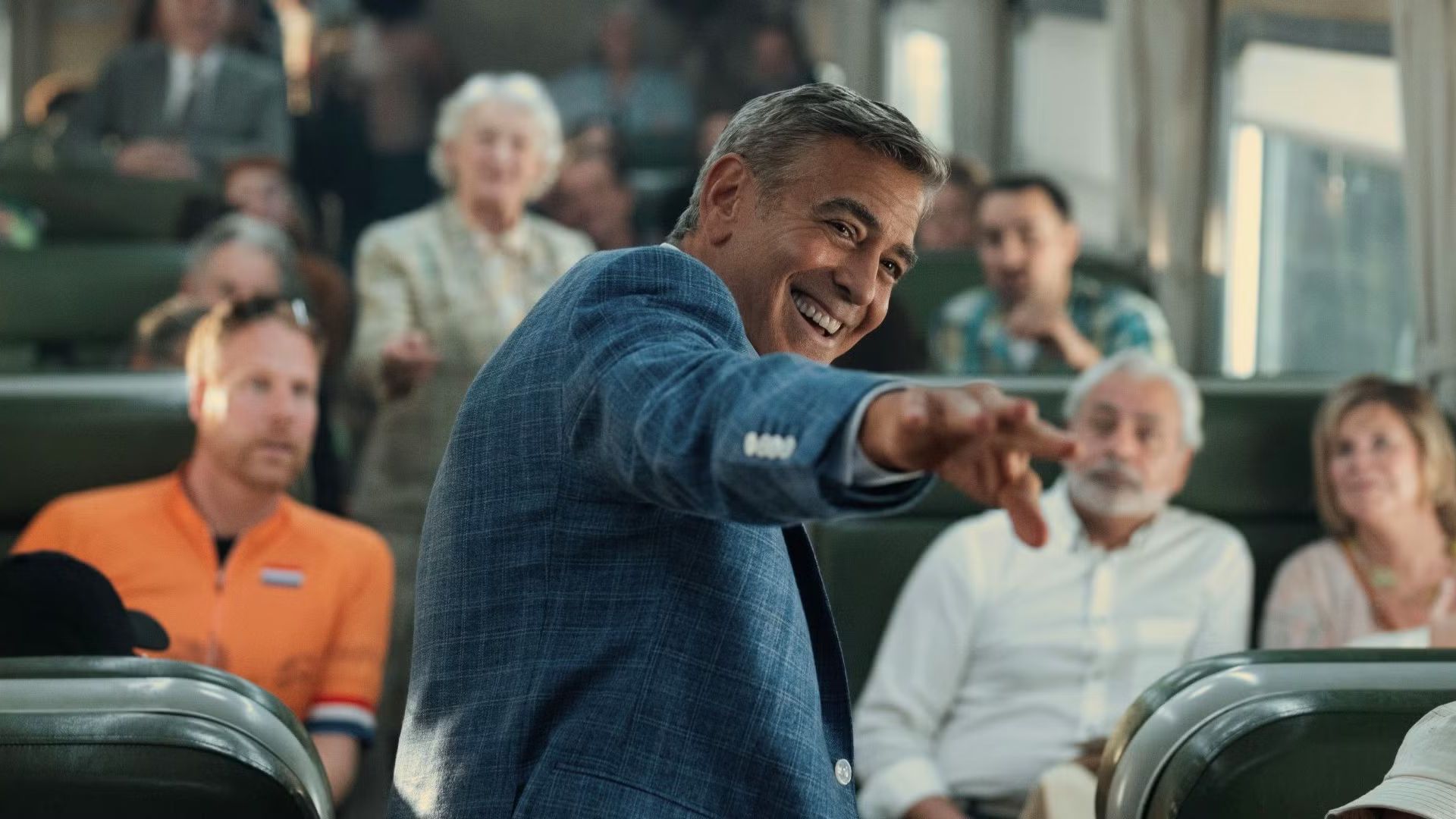
The second major event occurs when Jay reluctantly travels to Tuscany for a film festival award while simultaneously following his daughter, Daisy, on her European trip with friends. While there, he unexpectedly becomes a hero to a group of travelers, though his actions are somewhat complicated and indirect.
A man impulsively robbed an elderly woman on the train, then pulled the emergency brake and fled with her purse. Luckily, Jay quickly caught him and returned the purse, making the passengers like him even more.
He finally arrives in Tuscany and receives a hero’s welcome, complete with the cheesecake he’s been carrying for years – even though he secretly dislikes it. This leads to a pre-tribute dinner that’s one of the most memorable scenes in the movie.
During dinner, as Jay and his somewhat distant father (Stacy Keach) entertained everyone with stories, the other diners began behaving strangely, seemingly distracted by something on their phones. I immediately suspected Tim had leaked information to the media, as Jay and his colleagues had been worried he might do that throughout their trip.
Looking back, there was this incredible feeling of dread building up in those scenes, like something terrible was about to happen. But then the reveal came – the whole story was actually about how Jay saved the day on that train! It just solidified him as a genuinely good person. And get this – his lawyer quietly took care of the whole mess with Tim by finding some compromising information, so Jay walked away completely in the clear. It was such a satisfying resolution.
The film weaves in and out of Jay’s past, showing us crucial moments from his life and career. We see flashbacks to when he first landed the role that made him famous, a particularly raw and complicated intimate scene with the woman he had an affair with, and even tense moments with his daughter Jessica, who’s trying to get him into therapy. It’s all these memories swirling around as he starts to really think about whether he should retire. It feels like he’s truly processing his life as we watch.
All of this built up to a big moment – the tribute – and I expected something dramatic to occur. But nothing did. In fact, the complete lack of anything happening was the most frustrating thing about the entire movie.
Jay Kelly’s Ending Biffs The Landing So Hard It’s Comical and Infuriating At Once
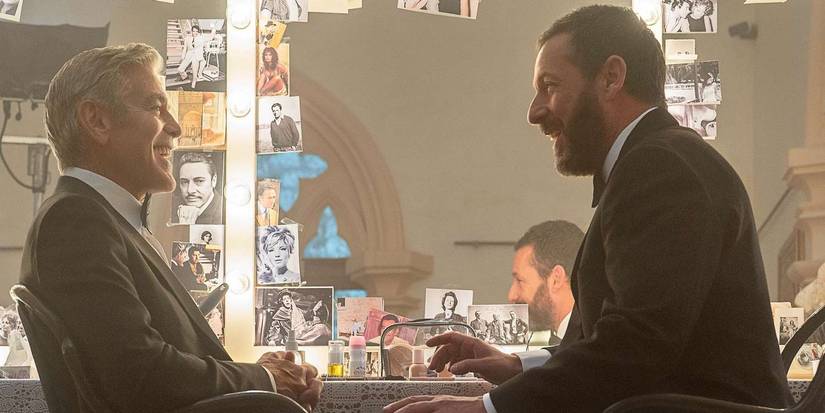
Throughout the trip, Jay has been struggling with his personal issues. I expected the movie to conclude with him attempting to repair the damage he’s caused to his loved ones, perhaps with a heartfelt speech when receiving an award.
Nope. Instead, he looks directly into the camera and says, “Can I go again? I’d like another one.”
I actually burst out laughing when the movie ended, but it wasn’t from humor—it was just how unbelievable everything had been.
I understand that he repeated a line from the beginning of the movie as Jay finished filming a scene. He kept pushing for another take, even though the director was happy with what they had. It seems like this was meant to show he’s finally acknowledged and accepted his errors.
The film really highlights how celebrities often face no real repercussions for their actions, and it can actually be damaging for them to try and make amends. For example, Jay wants to apologize to Tim, but his lawyer and manager – brilliantly played by Adam Sandler – advise against it, believing the situation will simply blow over.
He uses information his influential team uncovered to quickly make a damaging incident vanish, as if it never occurred. The movie also effectively illustrates how actors of that level operate as self-contained businesses.
Jay Kelly is a major star, and he has a large team to handle all aspects of his career and life. Like the sun at the center of a solar system, everything seems to orbit around him – it’s simply the nature of being at that level of fame.
While it’s unlikely George Clooney was involved in a physical altercation with an old friend, the movie suggests he has secrets that could damage his reputation and career. The film doesn’t state this outright, but hints that any revealed “scandal” would be devastating to him and everyone connected to his public image.
Noah Baumbach didn’t have to create a fictional scenario to illustrate this point—it’s simply how things are. The situation isn’t exaggerated or dramatic. For example, if a video surfaced of George Clooney physically assaulting a therapist at a restaurant in Santa Monica, there would definitely be consequences. While it probably wouldn’t end his career entirely, it would undoubtedly impact his future projects.
Which brings us to…
What Is Really The Point Of Jay Kelly?
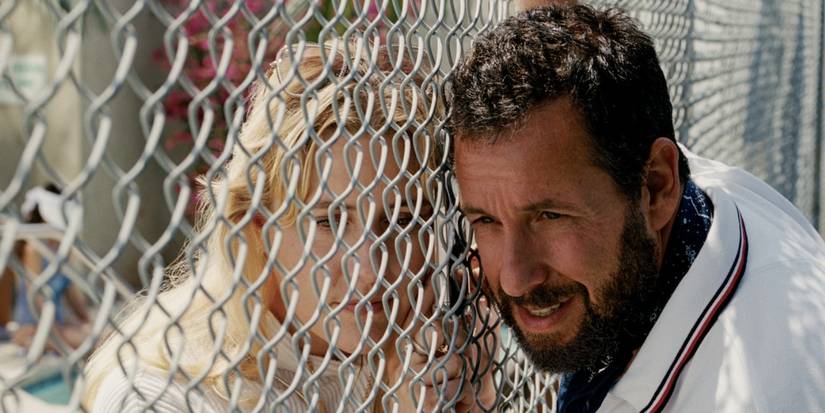
It’s easy to forget that celebrities are people just like us, with the same emotions and struggles. They make mistakes and feel conflicted about them, just as we do. This is about showing what it’s really like to live as a celebrity – the internal challenges and complexities. It’s also about recognizing how isolating their lives can be, and understanding the loneliness that comes with fame and fortune.
It’s hard to connect with someone like Jay Kelly, or any celebrity, because their lives are so different from ours. They don’t experience the same everyday struggles and consequences that most people do.
If I physically assaulted a child therapist near the restaurant Chez Jay in Santa Monica, they would likely file charges, and I’d likely be arrested. Unlike some people, I don’t have the resources to cover it up and make the legal consequences disappear.
To make Jay Kelly a more relatable character, Noah Baumbach and George Clooney could have shown him being vulnerable. Imagine him giving a speech at the tribute, openly admitting his mistakes and revealing the imperfections hidden beneath his polished public persona—showing he’s a real person, not just a distant celebrity.
I always wondered if he’d ever truly open up about the cost of fame. He could have shared the struggles, admitted where he fell short as a father or husband, and even explained if it was all a deliberate trade-off – sacrificing personal life to reach and maintain his incredible success. But he chooses to keep those deeply personal things private, and honestly, I respect that. It allows him to maintain the image everyone has of him, and protects those vulnerable parts of his story.
Borrowing from Kendrick Lamar, Jay Kelly’s actions mostly demonstrate a clear division – a sense of ‘us versus them’ – and that was already obvious without needing a film to point it out.
Read More
- Clash Royale Best Boss Bandit Champion decks
- Vampire’s Fall 2 redeem codes and how to use them (June 2025)
- Mobile Legends January 2026 Leaks: Upcoming new skins, heroes, events and more
- World Eternal Online promo codes and how to use them (September 2025)
- Clash Royale Season 79 “Fire and Ice” January 2026 Update and Balance Changes
- Best Arena 9 Decks in Clast Royale
- M7 Pass Event Guide: All you need to know
- Clash Royale Furnace Evolution best decks guide
- Best Hero Card Decks in Clash Royale
- Clash of Clans January 2026: List of Weekly Events, Challenges, and Rewards
2025-12-13 02:21