
James Cameron’s Avatar films have been well-received by the Academy Awards. The first movie, released in 2009, and its 2022 sequel, Avatar: The Way of Water, have earned a total of 13 Oscar nominations – including Best Picture nominations for both – and have won four awards. Many believe the original Avatar was very close to winning Best Picture at the 2010 Oscars, as it received the same number of nominations as the film that ultimately won, The Hurt Locker.
None of the nominations Cameron’s films received were for acting performances. While celebrated for their groundbreaking visual effects and direction – especially how they bring the Na’vi characters to life through performance capture – the actors haven’t been recognized by awards shows. Even a recent campaign for The Way of Water highlighted the on-set process and drew comparisons to the immersive techniques used in black-box theater, but it still didn’t result in acting nominations.
The newest Avatar film, Fire & Ash, is likely to be nominated for Academy Awards, despite some predictions it might miss out on Best Picture. Its inclusion on lists from the National Board of Review and the AFI suggests it’s still a strong contender. However, the talented actors in the film are once again being overlooked, which is disappointing because their performances are a key reason the movies are so captivating.
Avatar: Fire & Ash Is Proof That Its Actors Deserve More Credit
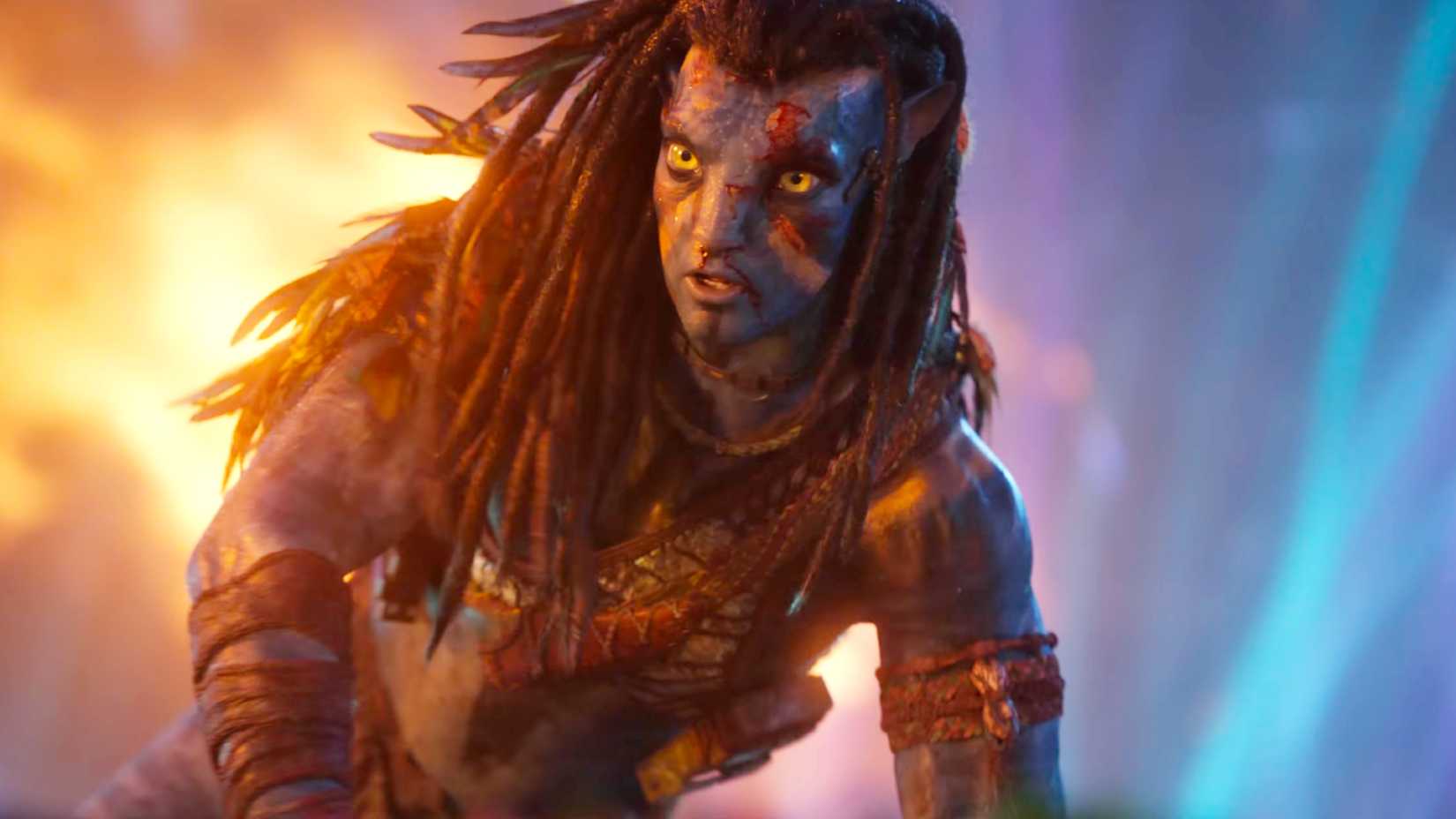
As a movie lover, I’ve always thought about what really counts as acting in film, and the Academy’s snub of the Avatar cast really highlights it. It’s so different from stage acting. On stage, an actor owns that performance, start to finish. But in movies? We don’t really see their complete performance. It’s shot all over the place, out of order, with tons of takes, and then the director and editor build the final performance. What we see on screen isn’t necessarily what the actor did in one go – it’s a reconstruction, a crafted illusion.
For a long time, many people looked down on acting for film. This led to a general distrust of anything that seemed to interfere with an actor’s work. While things like makeup and prosthetics eventually became accepted – as shown by John Hurt’s Oscar nomination for The Elephant Man in 1980 – digitally created characters built using performance capture have continued to cause debate. This started with Andy Serkis’s work in The Lord of the Rings, where people questioned whether his performance deserved recognition.
People who defend performance capture often call it “digital makeup,” and it’s a fair point – what truly separates a digitally altered performance like Gollum from a character like John Merrick, who had extreme physical differences? This distinction feels risky for anyone who appreciates acting. Film editing – cuts, camera angles, even music – constantly shapes how we interpret an actor’s work. So why are we quick to say great acting can still come through in some digital performances, but not in others? Perhaps we should simply acknowledge that if an actor makes us feel something, they deserve the credit, regardless of how their performance is ultimately presented.
At its core, Avatar relies on powerful emotions to connect with audiences. While the story itself is straightforward, it works because of these deeply felt feelings. The actors bring genuine heart to this science fiction spectacle, and they’re just as crucial to creating a truly immersive experience as the stunning visual effects.
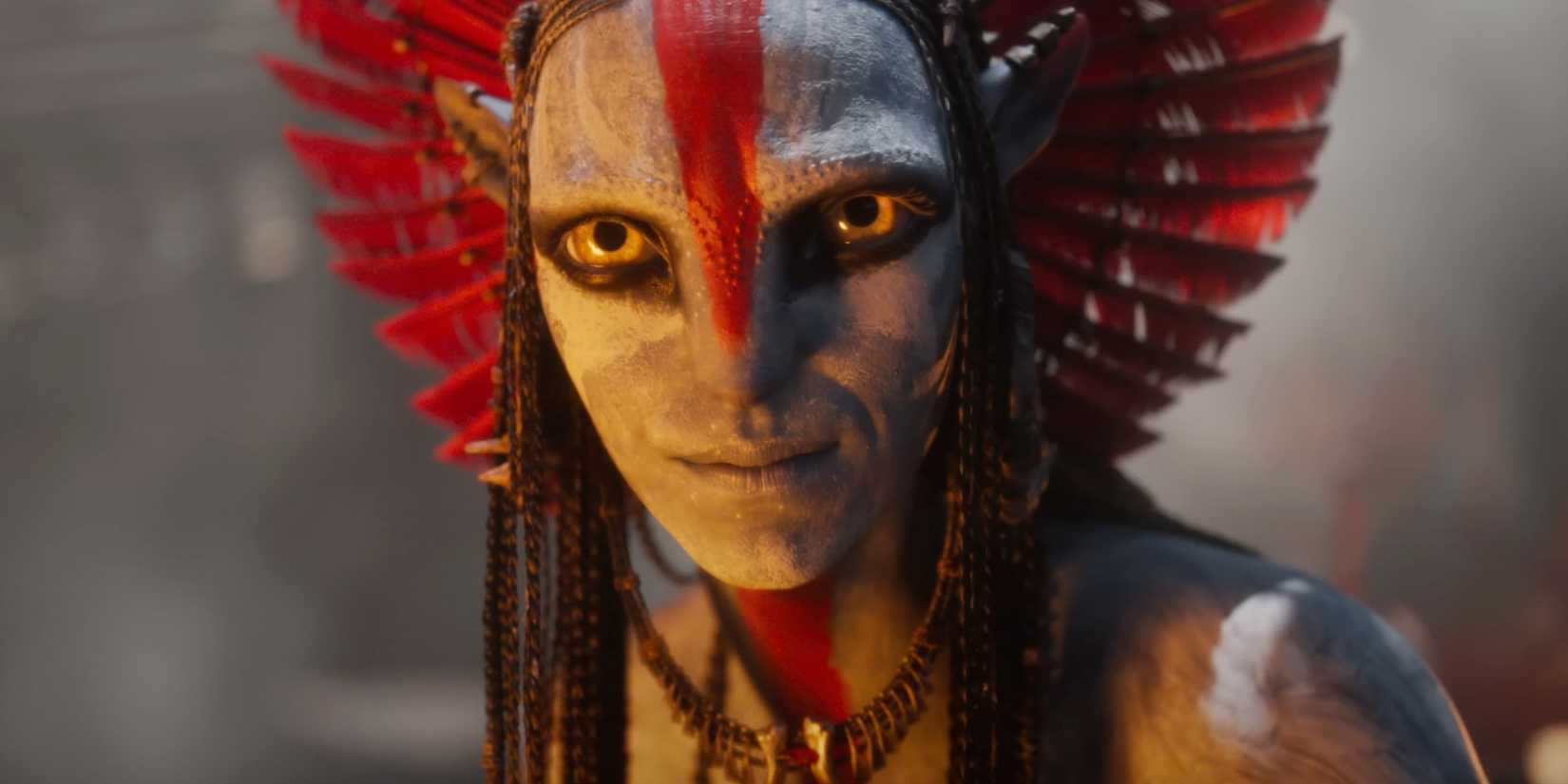
Viewers are incredibly impressed with Oona Chaplin’s performance as Varang in Avatar: Fire & Ash. Many believe she’s a strong contender for a Supporting Actress Oscar, if the circumstances were different. Chaplin delivers a captivating and memorable villain, and her talent – combined with her family history as Charlie Chaplin’s granddaughter – would typically make her a breakout star. However, because she plays a Na’vi character, that narrative hasn’t fully taken hold.
If Zoe Saldaña, a well-respected actress in Hollywood, hasn’t been recognized with a major award for her work, it suggests a real barrier for actresses of color. It seems odd that the Academy might hesitate to nominate her for her iconic role as Neytiri, rather than risk Emilia Pérez being remembered solely as the film that won her an award. As the Avatar films continue and Saldaña further develops her character, this oversight will likely become even more noticeable.
I really hope the Academy Awards realizes soon that human actors deserve recognition, and I think they will. With all the talk about “AI actors” – or “synthetic performers” as the union calls them – it’s becoming clear we need to emphasize how valuable real human performances are, especially in CGI-heavy films where it’s so easy to just replace us. Maybe when we see movies made without any real actors, we’ll truly appreciate what Zoe Saldaña, Sam Worthington, and Stephen Lang brought to characters like Neytiri, Jake, and Quaritch. It’s going to highlight just how special human performance is.
Read More
- Clash Royale Best Boss Bandit Champion decks
- Vampire’s Fall 2 redeem codes and how to use them (June 2025)
- World Eternal Online promo codes and how to use them (September 2025)
- How to find the Roaming Oak Tree in Heartopia
- Best Arena 9 Decks in Clast Royale
- Mobile Legends January 2026 Leaks: Upcoming new skins, heroes, events and more
- ATHENA: Blood Twins Hero Tier List
- Clash Royale Furnace Evolution best decks guide
- Brawl Stars December 2025 Brawl Talk: Two New Brawlers, Buffie, Vault, New Skins, Game Modes, and more
- Kingdoms of Desire turns the Three Kingdoms era into an idle RPG power fantasy, now globally available
2025-12-27 01:03