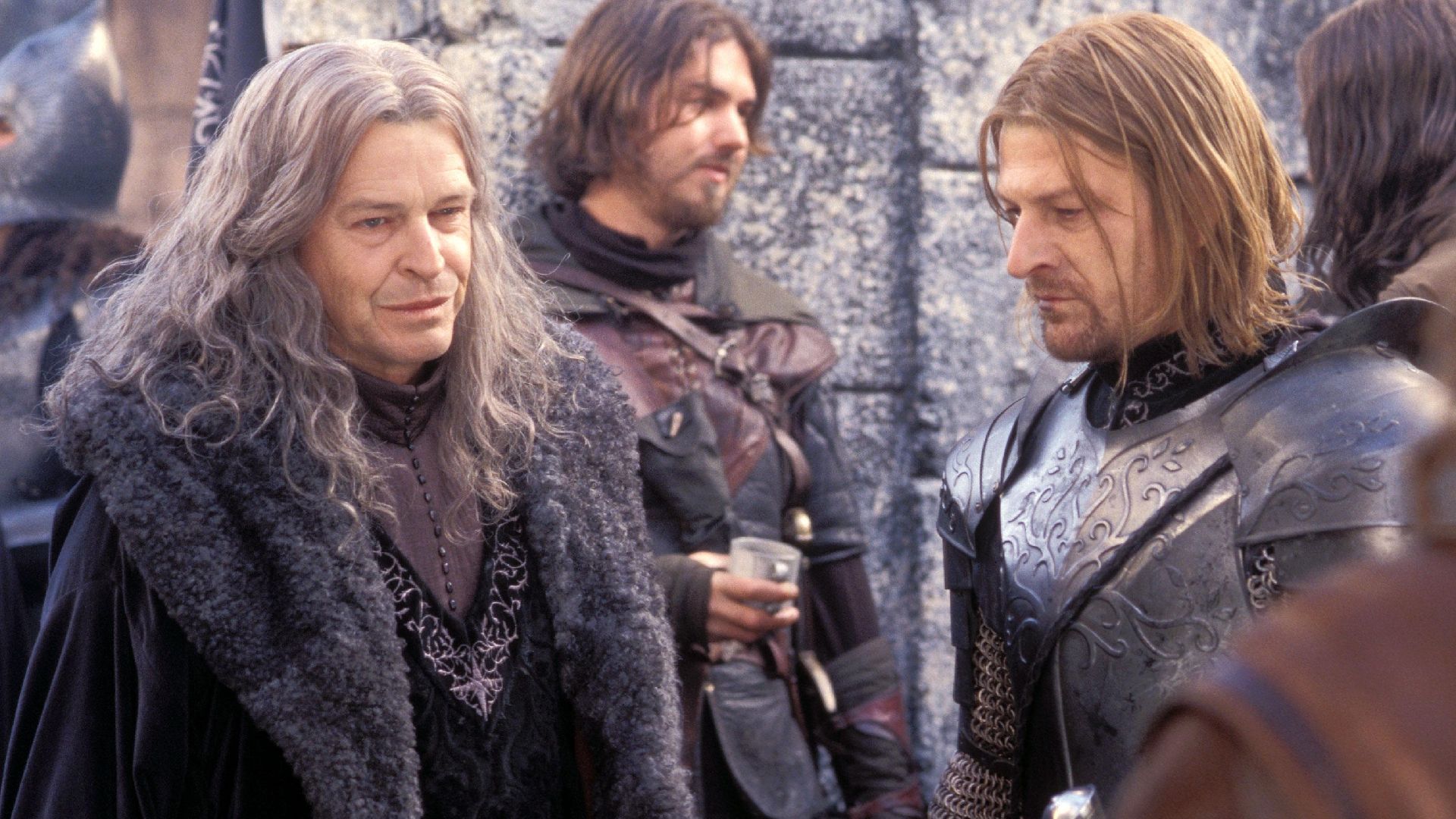
The award-winning Lord of the Rings trilogy, directed by Peter Jackson, returned to cinemas this January, and dedicated fans of J.R.R. Tolkien’s books are likely to notice changes made to the character of Faramir. In the books, Faramir is portrayed as a thoughtful and level-headed leader of Gondor, but his personality, reasons for acting, and actions were significantly different in the movies – and there was a specific reason for those changes.
Many devoted fans of The Hobbit and The Lord of the Rings have always been disappointed by the changes made to Faramir in the films. The movies significantly altered his inherently good nature, seemingly just to create drama, and this felt like a betrayal of Tolkien’s original character and his history. It’s worth examining these changes and understanding why they were made.
Who is Faramir in ‘The Lord of the Rings’?
New Line Cinema
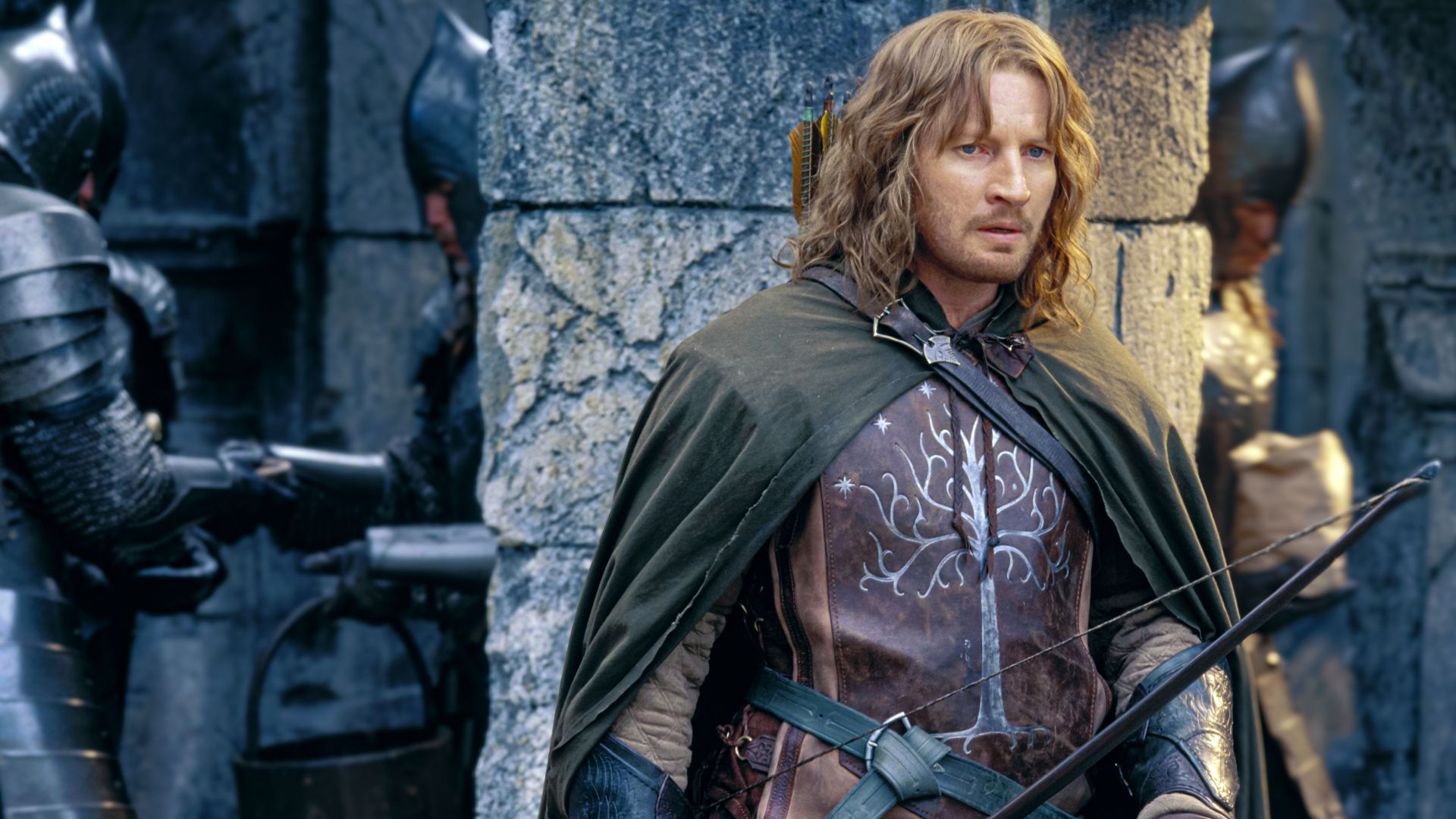
Faramir, a beloved character in J.R.R. Tolkien’s The Lord of the Rings, was the son of Denethor and Finduilas. After his mother died when he was young, he grew closer to his father and older brother, Boromir. Faramir was intelligent and eager to learn, but this led to conflict with his father when he invited Gandalf to the city of Minas Tirith.
After Denethor’s death, Faramir became the Steward of Gondor, but he didn’t rule for long. With the war over, he willingly gave leadership of the kingdom to Aragorn. In Tolkien’s writings, Faramir stands out as a particularly wise, honest, and compassionate character who bravely defended Gondor against Sauron.
Many book lovers don’t realize Tolkien himself said Faramir is the character most like him – a brave fighter who struggled with troubling thoughts after experiencing war. Some scholars also compare Faramir to Robin Hood, known for taking from the wealthy to help the poor, pointing to Faramir’s similar green clothing and noble character.
As a passage from Appendix A to The Lord of the Rings conveys:
I’ve always been fascinated by Faramir. He was just as good at understanding people as his dad, Boromir, but instead of looking down on them, he felt for them. People often underestimated him, thinking he wasn’t as brave as Boromir because he was kind, loved learning, and enjoyed music. But honestly, it wasn’t that he wasn’t brave, he just didn’t go looking for danger just for the sake of glory – he needed a real reason to fight.
How Is Faramir Different in the LOTR Movies Compared to the Books?
New Line Cinema
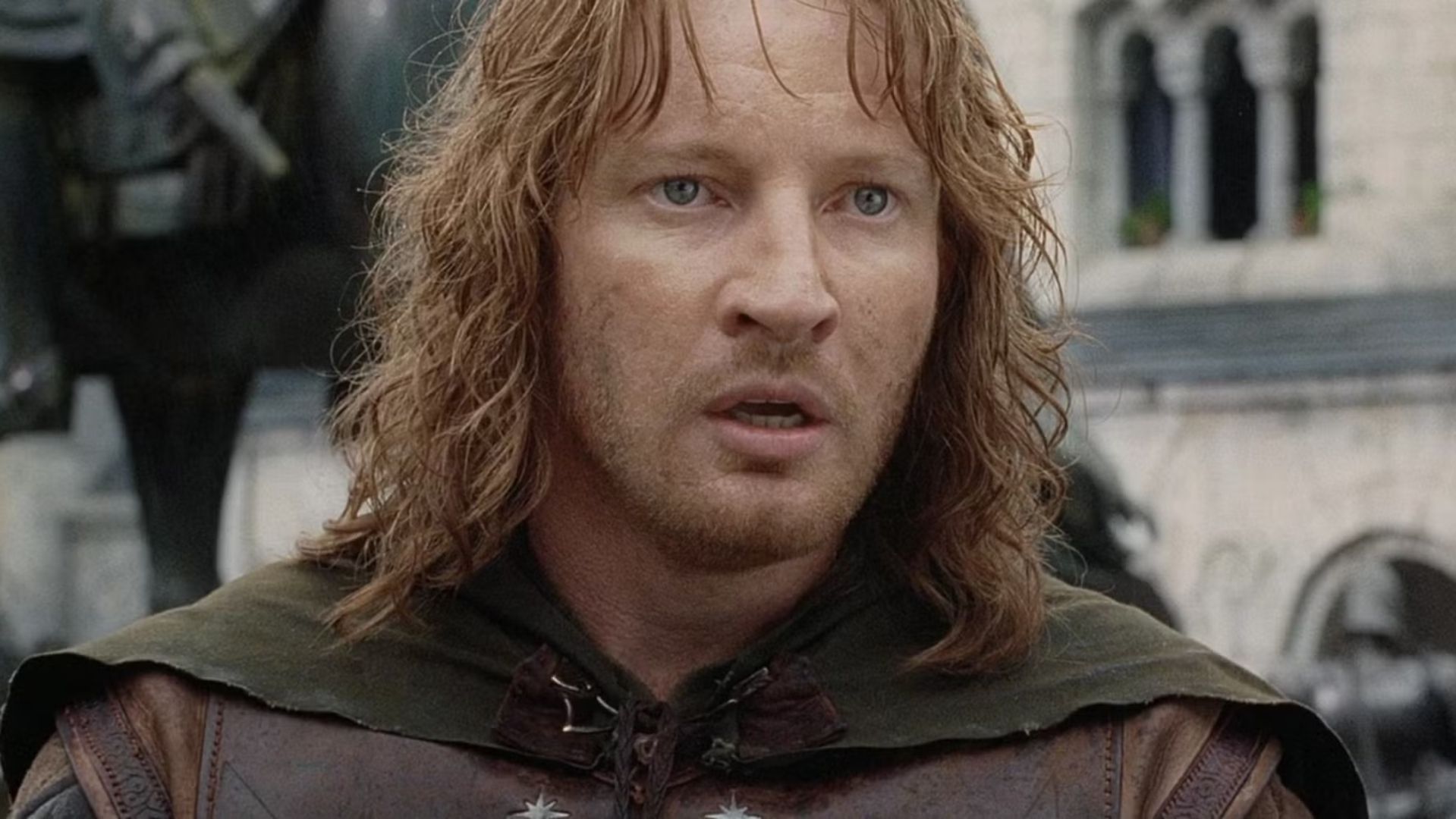
Before the major war begins in The Two Towers, Faramir experiences a troubling vision foreshadowing the destruction the One Ring will bring. He then meets Frodo and Sam and discovers his brother Boromir desperately wanted the Ring. Unlike Boromir, Faramir explains to Frodo and Sam that he has no desire to possess it.
Don’t worry, I wouldn’t take this Ring, not even if I found it lying in the road. Not even if Minas Tirith were being destroyed and I was the only one who could save it – not even then would I use the Dark Lord’s weapon, hoping for victory and glory. I want no part of such a triumph, Frodo son of Drogo.
In the books, Faramir is presented as a purely good character, untainted by the desire for power or wealth, and immediately recognizes the danger of the One Ring. However, Peter Jackson’s films portray him differently. Instead of rejecting the Ring, Faramir becomes consumed by its potential, mirroring Boromir’s downfall. This change adds conflict and action to The Two Towers, primarily to create a more dramatic third act.
In the movies, Faramir struggles with the Ring’s power, unlike Boromir, who at least understood its danger. He’s tempted to use it to defend Minas Tirith, and initially acts as an obstacle for Frodo and Sam, even capturing them and bringing them to Osgiliath with aggression. This makes him appear as a villain for a portion of The Two Towers before his character is redeemed. Even fans who strongly defend the original story agree that this portrayal significantly deviates from, and harms, Tolkien’s vision of Faramir.
Why Was Faramir Changed From the Page to the Screen?
New Line Cinema
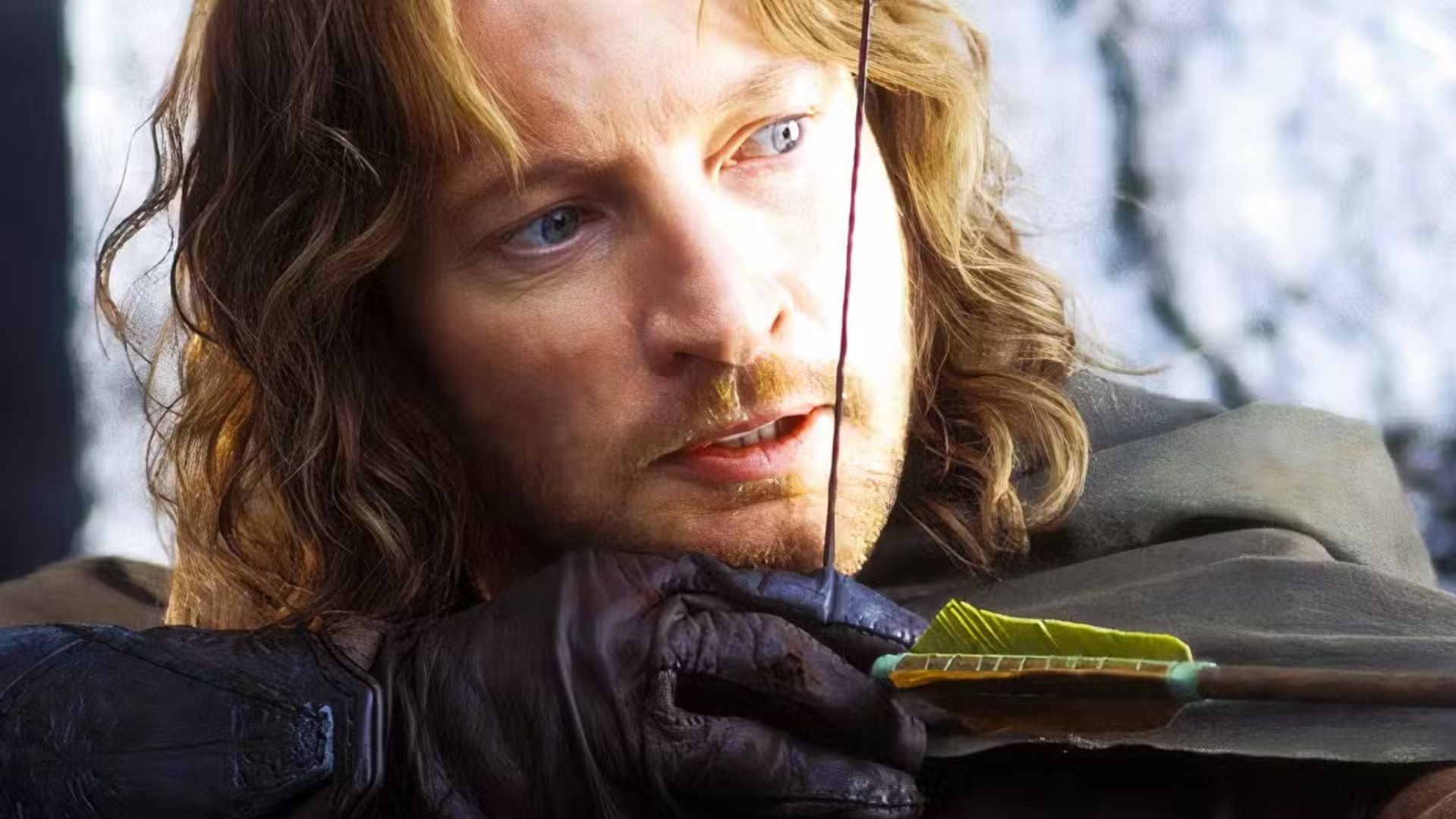
As a huge fan of the Lord of the Rings films, I’ve always been fascinated by the changes made from the books. Peter Jackson and the writers have talked about why they tweaked Faramir’s character, and it makes sense to me. They wanted to really emphasize the struggle Frodo and Sam were going through on their way to Mordor, and making Faramir more conflicted helped with that. Plus, they felt it gave Faramir a more compelling story – he wasn’t just blindly following his dad, but actually had to make his own choices and forge his own destiny. It made him a much more dynamic character, honestly.
Subscribe to our newsletter for deeper LOTR insights
Craving more context on why filmmakers reshape characters? Subscribe to our newsletter for in-depth explorations of LOTR adaptations, character arcs, and adaptation rationale—clear, sourced analysis that reveals the choices behind cinematic changes.
Faramir’s character stays fairly consistent throughout the books – he starts as a thoughtful and honorable man and remains that way. However, the movies give him a more dramatic transformation, showing significant growth and change. This was a deliberate choice to fit the adventurous spirit of the story and make the adaptation work well on screen.
Faramir’s character was altered for a third reason: to highlight the Ring’s incredibly powerful and tempting influence. The filmmakers wanted to really show how strongly people desired the Ring. If Faramir had stayed true to his book character and refused the Ring, the final battle against Mordor wouldn’t have felt as intense or important.
David Wenham, who played Faramir, admitted he preferred the character as written in the books, but understood why changes were made for the movie adaptation. He seemed more understanding than some book fans who were disappointed by the changes to Faramir’s portrayal. However, Faramir wasn’t the only character altered; the popular character Glorfindel was completely left out of the films, seemingly to strengthen Arwen’s storyline.
Read More
- Clash Royale Best Boss Bandit Champion decks
- Vampire’s Fall 2 redeem codes and how to use them (June 2025)
- World Eternal Online promo codes and how to use them (September 2025)
- How to find the Roaming Oak Tree in Heartopia
- Best Arena 9 Decks in Clast Royale
- Mobile Legends January 2026 Leaks: Upcoming new skins, heroes, events and more
- Brawl Stars December 2025 Brawl Talk: Two New Brawlers, Buffie, Vault, New Skins, Game Modes, and more
- ATHENA: Blood Twins Hero Tier List
- Solo Leveling Season 3 release date and details: “It may continue or it may not. Personally, I really hope that it does.”
- How To Watch Tell Me Lies Season 3 Online And Stream The Hit Hulu Drama From Anywhere
2026-01-16 16:25