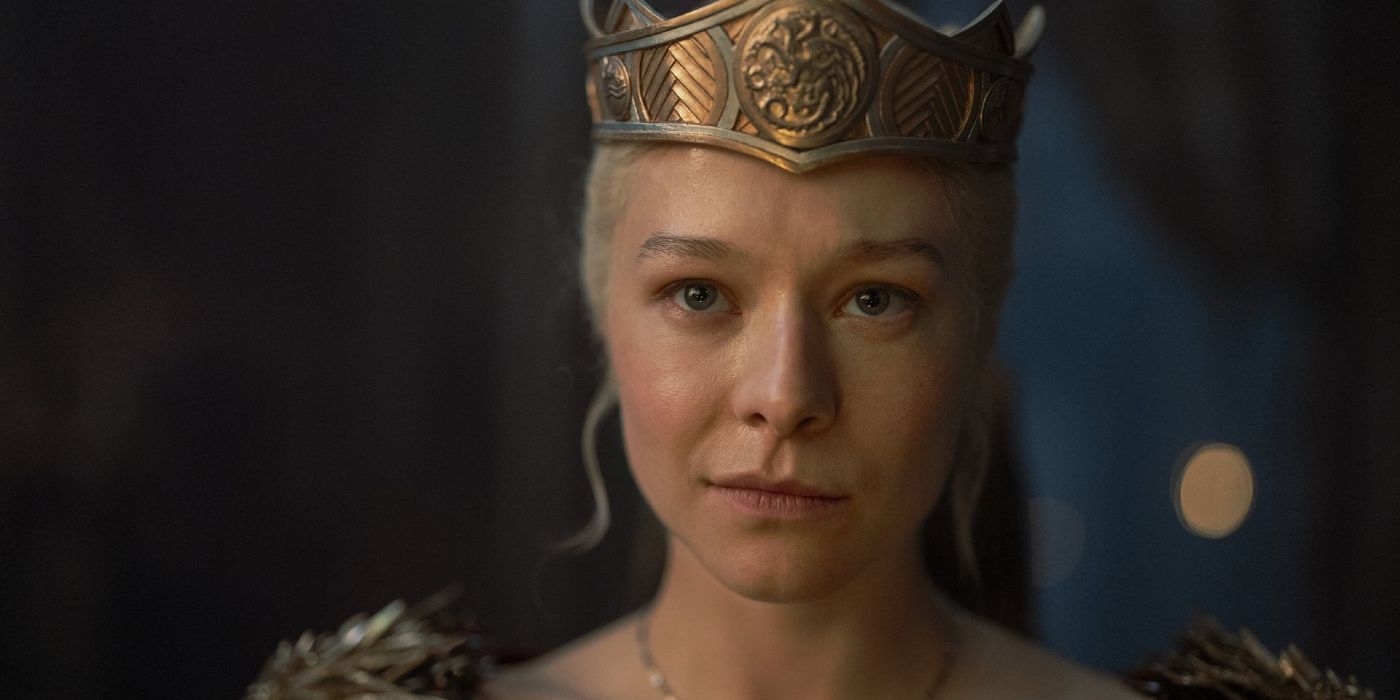
As a huge fan of epic fantasy, I was completely hooked by Game of Thrones when it first aired. It really felt like the show lived up to its motto – win or die! The world George R.R. Martin created, brought to life by a fantastic cast and compelling storylines, was unlike anything I’d seen before. But honestly, the final season just…didn’t deliver. It felt like all the goodwill built up over the years was erased. Now, with the spin-offs starting, like House of the Dragon, there’s a glimmer of hope, and it has gained a dedicated following, but I can’t shake the feeling it might be heading towards the same disappointing fate.
Fans are eagerly anticipating the summer 2026 premiere of House of the Dragon Season 3, especially the upcoming war between the Targaryens. However, they’re also worried that showrunner Ryan Condal might repeat some of the mistakes made by the original Game of Thrones series. Recent news about Season 3 suggests the spin-off could be heading down a similar path.
Game of Thrones Rushed Through Its Last Season
Kit Harington, who played Jon Snow, recently told British GQ that the cast was incredibly exhausted by the time they filmed the final season. It’s well known that the show had moved past the books it was based on when David Benioff and D.B. Weiss began writing the series’ ending. Despite this, the last season of Game of Thrones felt very rushed. With only six episodes, Season 8 was significantly shorter than previous seasons, which typically had ten episodes.
One of the biggest reasons the show declined was rushed storytelling. Plots moved too quickly, characters acted out of character, and surprising twists felt unearned, leaving fans shocked and the series in a poor state by the time “The Iron Throne” aired. A prime example was Daenerys Targaryen’s sudden transformation from a champion of the people to a ruthless killer who indiscriminately burned innocent people. This change felt unearned, with the show offering little explanation and relying too heavily on the historical reputation of the Targaryen family for madness to justify her actions.
Daenerys’ actions essentially removed her from the running to rule, which also undermined the entire “Prince That Was Promised” prophecy that was central to Game of Thrones. In another surprising turn, the character who defeated the terrifying creature did so incredibly quickly, negating years of anticipation. Arya Stark also experienced a strange arc, returning to Winterfell after a long absence only to immediately leave again – a fate that, like many others in Game of Thrones, didn’t quite add up.
The final season of Game of Thrones felt rushed. Characters appeared and disappeared suddenly, major villains were defeated too quickly, character arcs were undone, and the decision to put Bran Stark on the Iron Throne felt unearned. With more than just six episodes, the ending might have felt more organic and satisfying. Sadly, House of the Dragon appears to be repeating this pattern, with each season containing fewer and fewer episodes.
House of the Dragon Has Been Criticized For Its Pacing
The prequel series, which showed the Targaryen dynasty at its height, quickly captivated viewers. It benefited from a compelling cast and the existing popularity of Game of Thrones, drawing in many fans. The show also began to establish the conflict between the Green and Black factions. The evolving rivalry between Rhaenyra and Alicent, the romance between Rhaenyra and Daemon, Aemond’s ambition, and the events following Viserys’ death were all compelling storylines. Crucially, the series had ten episodes to develop these narratives fully.
The first season of the show was generally good, but it did have some problems with its speed and flow. The biggest issue for many viewers was the significant time jump, which quickly aged up Rhaenyra and Alicent. People wanted to see more of their relationship develop and witness the growing tension when Alicent married Viserys. We also didn’t get to know the younger versions of characters like Aemond, Aegon, and Helaena very well before they aged up.
Following the time jump, several characters had their storylines shortened, including Laena Velaryon, who was romantically involved with both Rhaenyra and Daemon. The show didn’t explore the relationship between Harwin and Rhaenyra at all, and many viewers were disappointed by Laena’s unexpected death after her miscarriage, especially since they were interested in her as a powerful female character. However, the first season had a lot of world-building and setup to accomplish, all within ten episodes.
The second season of House of the Dragon had only eight episodes, leaving less time to fully develop the Targaryen family’s story. While showrunner Ryan Condal doesn’t have a traditional novel to adapt—his source material, Fire & Blood, is more like a historical account told through potentially biased perspectives—the show still needs to flesh out the historical events with detail, depth, and feeling. It’s important, however, that the story moves at a good pace.
The show’s final season had uneven pacing. Some storylines felt rushed and chaotic, while others felt unnecessarily slow. A potentially important plotline was quickly glossed over, and Daemon’s prolonged stay at Harrenhal lacked meaningful development, leaving many viewers bored.
The upcoming third season of House of the Dragon will also have eight episodes, down from ten, which is a potential concern. Important battles that were cut from Season 2 are now planned for Season 3, meaning there’s a lot of story to cover. With fewer episodes, the show risks repeating the issues of Game of Thrones Season 8, something fans are eager to avoid.
Bad Pacing Could Harm the Characters of House of the Dragon
Though Game of Thrones featured characters built up over many years, fans quickly lost interest after just one shortened season. House of the Dragon needs to avoid the same fate. To succeed, the show must thoroughly explore the complex relationships between Rhaenyra and Alicent, their inner circles, and the pivotal battles that ultimately led to their downfall and the fight for the Iron Throne.
Subscribe to our newsletter for House of the Dragon analysis
Subscribe to our newsletter for House of the Dragon analysis
When you sign up, you’ll get our newsletter and special offers. By continuing, you agree to Valnet’s Terms of Service and Privacy Policy. You can stop receiving emails at any time.
To truly realize its potential, House of the Dragon might benefit from longer seasons. HBO should consider adding more episodes, even if it means adjusting their budget. A couple of extra hours would give the show more space to develop its characters and create a more realistic and flowing narrative. Although the show has been renewed for a fourth and likely final season, fans are hoping for an increased episode count in the upcoming season.
Following the issues with the final season of Game of Thrones, it’s crucial that House of the Dragon avoids a similar fate. The story needs to make sense and characters should develop believably, especially if significant changes are planned, like those seen with Daenerys Targaryen. Currently, Season 3 of House of the Dragon will have eight episodes, the same as Season 2. However, there’s hope that the length could be adjusted in Season 4, which is expected in 2028.
Read More
- Clash Royale Best Boss Bandit Champion decks
- Vampire’s Fall 2 redeem codes and how to use them (June 2025)
- World Eternal Online promo codes and how to use them (September 2025)
- How to find the Roaming Oak Tree in Heartopia
- Best Arena 9 Decks in Clast Royale
- Mobile Legends January 2026 Leaks: Upcoming new skins, heroes, events and more
- ATHENA: Blood Twins Hero Tier List
- Clash Royale Furnace Evolution best decks guide
- Brawl Stars December 2025 Brawl Talk: Two New Brawlers, Buffie, Vault, New Skins, Game Modes, and more
- Clash Royale Season 79 “Fire and Ice” January 2026 Update and Balance Changes
2025-12-27 05:38