
R. Scott Gemmill, who created and runs the show “The Pitt,” has a long-standing familiarity and ease within hospital settings.
He originally planned to become a doctor, studying the aging process and volunteering in hospitals. He even completed a course to become a certified nurse assistant.
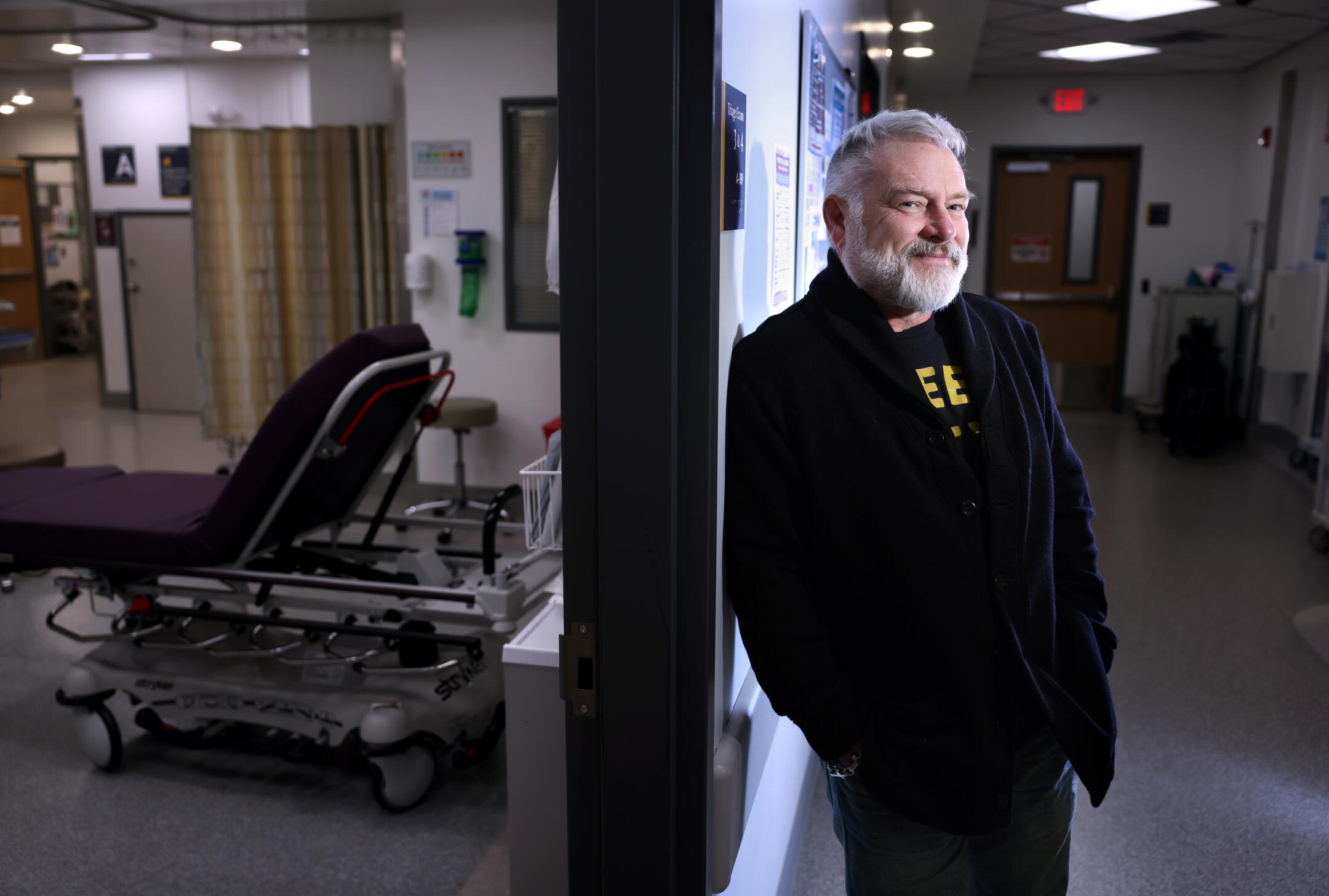
He recently shared that he’d originally planned to go to medical school. He simply wanted a stable career, and medicine felt like a field that would always be in demand. He enjoyed the hospital environment and misses the satisfaction of diagnosing and fixing problems. Ultimately, his passion for writing took over, and he never pursued a medical career. He was speaking from the familiar lobby of the hospital set on the Warner Bros. lot in Burbank.
As a critic, I’ve seen a lot of medical dramas, but what really sets ‘The Pitt’ apart is the creator’s genuine background. Writer and producer Gemmill didn’t just write about emergency rooms – he lived it, completing a residency at County General in Chicago and later writing for ‘ER’. Now, with ‘The Pitt’ on HBO Max, he’s completely revitalized the genre. The show’s unique format – following a single hour of a shift in real-time – is incredibly gripping, and the traditional weekly release keeps audiences hooked. The second season, which kicked off this Thursday with a Fourth of July setting, is already a hit. In fact, HBO Max gave it a renewal for a third season before the premiere even finished airing! That’s a strong sign this show is something special.
Before filming the season finale, producer David Gemmill, known for his work on shows like “JAG” and “NCIS: Los Angeles,” discussed the show’s strong progress, finding the right balance between character privacy and development, and the addition of a new doctor to the cast.
1
2

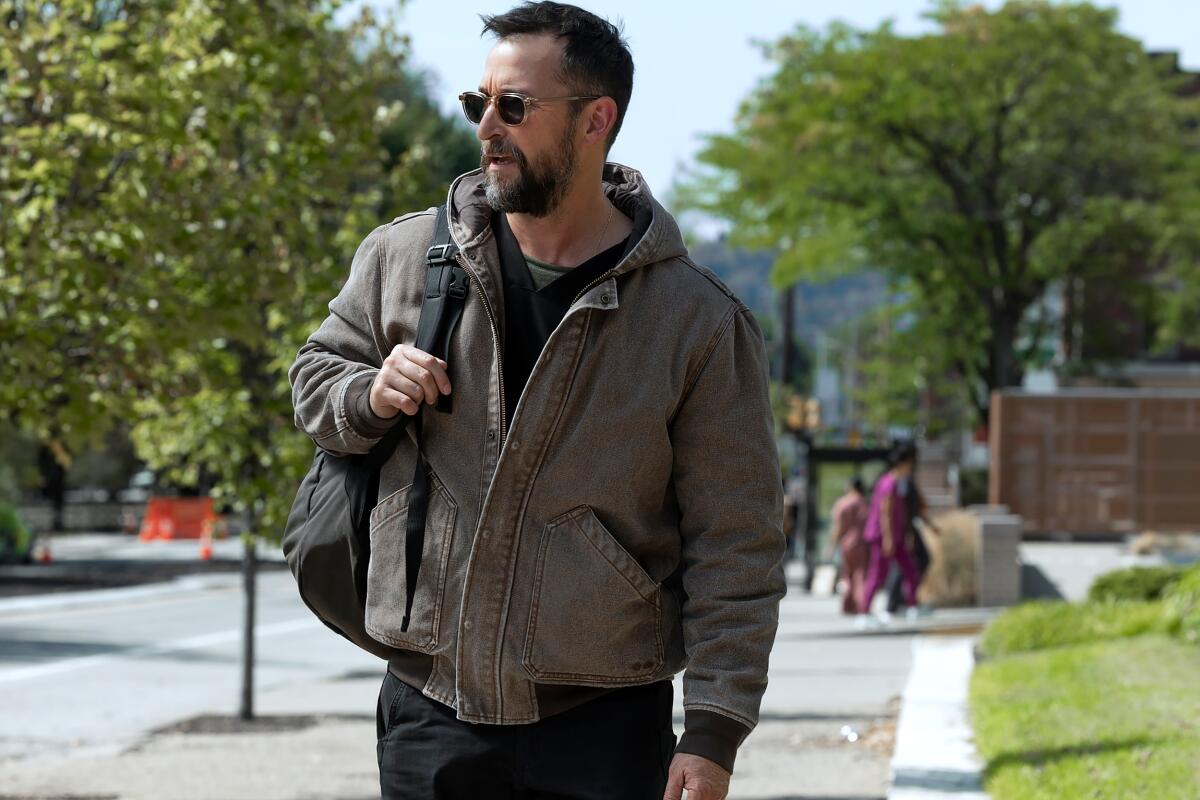
Photos from HBO Max’s “The Pitt”: 1) Noah Wyle plays Dr. Robby in Season 2. 2) From left to right: Sepideh Moafi as Dr. Baran Al-Hashimi, Taylor Dearden as Dr. Melissa King, Katherine LaNasa as charge nurse Dana Evans, Gerran Howell as Dr. Dennis Whitaker, and Supriya Ganesh as Dr. Samira Mohan.
Season 2 began gaining attention last January, as viewers discovered the show gradually, week by week. It’s common for people to be especially critical of the second season of a popular new show. How did that expectation influence your approach to writing Season 2?
It was a strange experience creating the first season because we developed it completely in a bubble – we wrote, filmed, and produced it without any outside feedback. We were already planning season two before anyone even saw the first! It grew slowly, starting with healthcare professionals who connected with the show and then spread the word. We were just focused on where the characters’ stories were going. The recognition and pressure came later. When we started, we had no idea if anyone would even watch, which meant we created it without any expectations. It was a unique and enjoyable situation. Thankfully, it worked out well. Now, with the second season, there’s a little anxiety because we want to maintain the same quality. But we’re trying to stay focused on the characters, the stories, and recreating the authentic and compelling storytelling that worked the first time around.
The new season begins ten months after the events of the first, when we were introduced to all the characters. Can you talk about the decision to jump forward in time, and why you chose July 4th as the new starting point?
The idea originated from wanting to bring Patrick Ball back, and knowing he’d need around ten months of recovery. We then figured out the best time to film, keeping in mind our shooting schedule in Pittsburgh. We ultimately chose the Fourth of July because it naturally lends itself to a lot of exciting activity and chaos.

Television
Noah Wyle, who stars in and helps produce the popular medical drama on Max, recently discussed the show’s successful first season with The Times, which ended on Thursday.
Season 2 opens with a helmet-less Robby riding in on a motorcycle.
The motorcycle reminds Robby of something from his past – specifically, his father, who loved fixing up old cars. Robby was also feeling burnt out and needed a break. He decided on a trip to Pennsylvania, where helmet laws are more relaxed, and some riders choose not to wear them. While it’s risky, this decision reflects Robby’s current somewhat reckless state of mind.
We’ve heard he’s taking a three-month break. We’re curious to find out what prompted this decision – is it due to one major issue, or a combination of factors?
He really needs a vacation. He realizes things aren’t going well and hopes taking time off will help him get back on track.
How did you land on Head-Smashed-In Buffalo Jump in Canada as his choice for a getaway?
I knew about the place, and it seemed like an interesting, though somewhat ominous, destination for him.

This season, we’re introducing Dr. Baran Al-Hashimi, played by Sepideh Moafi. She’ll be stepping in when Robby is unavailable and is a big believer in using generative AI to make charting faster and more efficient. We were curious—what did you learn from talking to doctors about this, and what specifically interested you about how healthcare professionals view this technology?
She takes a more modern and innovative approach compared to Robby, who blends current medical practices with traditional techniques he learned from Dr. Adamson. AI is becoming increasingly integrated into all parts of life, including healthcare. While still new in emergency rooms, it’s being tested and, like any tool, could be very helpful or cause problems. We’re currently focusing on understanding what AI can realistically do, rather than potential downsides. The main concern is whether AI will simply allow doctors to see more patients, or if the time saved on tasks like paperwork will actually be spent improving patient care. That’s the key question we’re facing now.
How do you feel about it in your own industry?
I mostly avoid thinking about it, and I suspect I’m just pretending it’s not happening. I don’t have the space to deal with it right now, and honestly, I don’t want to face the details.
Entertainment & Arts
Robby seems happier this season, largely because he’s caught up in a casual relationship with someone at work. The show focuses on the drama of this workplace romance, but hasn’t delved deeply into the personal lives of its characters beyond what they reveal during work hours. It raises the question of how much of their backstory the audience needs to know, versus how much the actors themselves need to understand about their characters’ motivations.
It’s just part of his work. He’s a normal person, not someone who’s isolated. His relationship seems more about what’s practical than genuine connection, and he doesn’t seem to think much about the future – he hasn’t even taken a vacation in ages. Robby is good at appearing okay, but that won’t last. Throughout the season, we’ll likely see his composure begin to crack.
Developing characters on the show is a gradual process. While the 15-hour length means we can’t reveal everything at once, it does feel realistic – people don’t usually share their life story right away, even with coworkers. At the start of each season, we map out a character’s arc and figure out what information needs to be revealed to drive that story. Then, we weave in medical storylines to naturally uncover those details, revealing things bit by bit.
Is there something coming up that you think will be particularly illuminating?
We’ll be revealing some details about Robby, though we significantly scaled back that part of the story. We’ll also learn more about Whitaker, played by Gerran Howell, and understand the challenges Langdon is facing in his marriage.
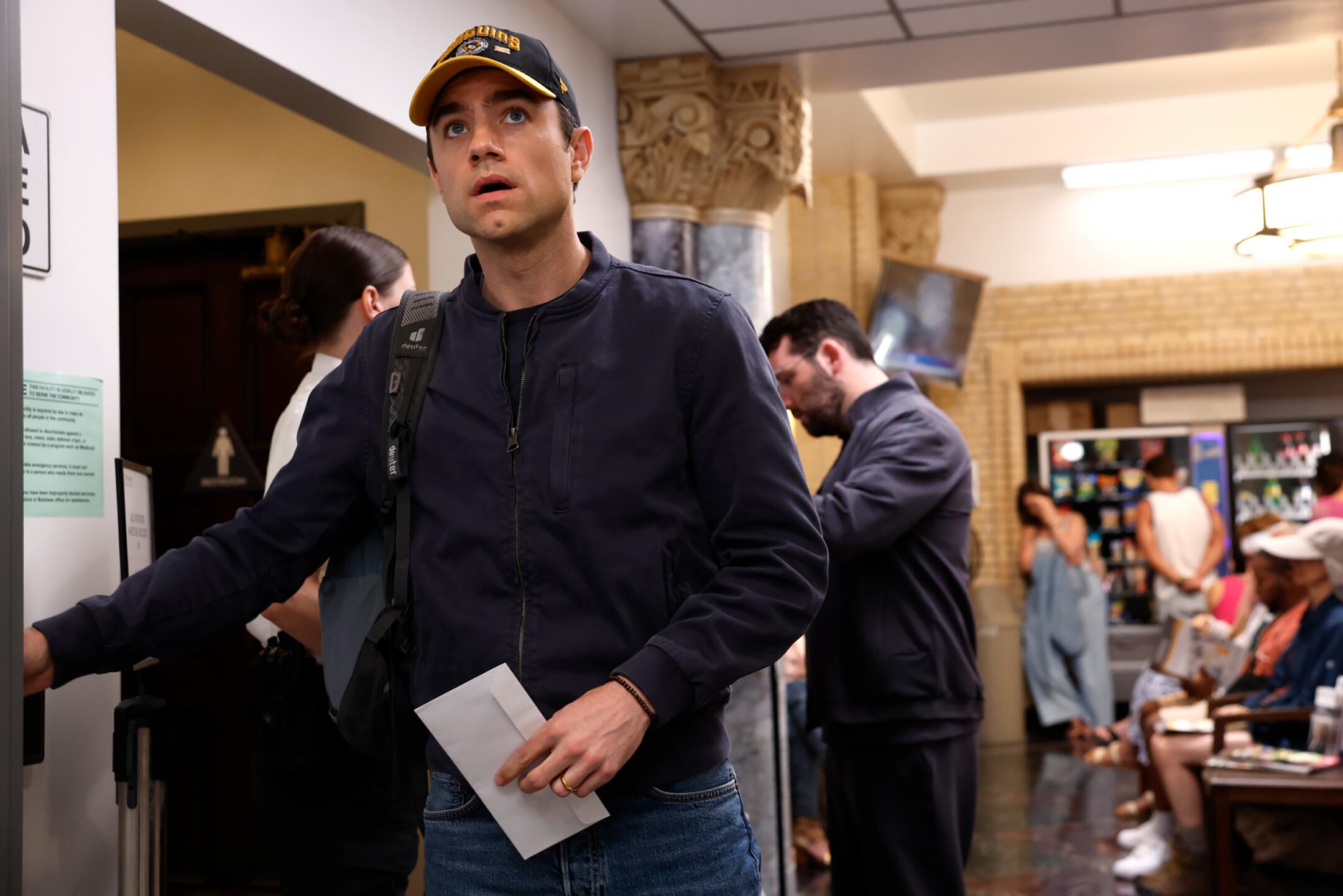
Regarding the character of Langdon, people working in healthcare, including doctors, are particularly susceptible to addiction due to a number of factors. What aspects of his story were most important to you, and what were you hoping to reveal through his experiences?
It’s common for people to try and cover up mistakes, especially when they’re genuinely trying to improve. Most people don’t want to be struggling with addiction, so it’s encouraging to see someone actively working on recovery. However, completing a recovery program doesn’t automatically fix all relationships. There may still be hurt feelings, and it takes effort to rebuild trust and mend damaged connections.
It’s not only Robby and Langdon affected by this situation. Langdon feels he needs to apologize to many of his colleagues, particularly Santos, though it’s unclear if she’ll accept his apology. Robby is especially upset because Langdon was his mentor, and Langdon made him feel foolish. Robby is also frustrated with himself for not recognizing the situation sooner.
How are you figuring out who’s going to shuffle in and out?
The storyline is rooted in reality; for example, since next season would be Whitaker’s third year with the team, he’d only have one year left under contract. Ultimately, the decisions are based on where the characters are in their careers and what feels right for the story.
I’d like to discuss the kinds of challenging cases we’re expecting this season. Do you track these cases and think about how they might connect to the overall storyline as they come up?
We usually focus on the relationships between people, not just the medical treatment itself. You could say the medical side is just the backdrop for what’s really important – the connections between the characters. This could be how they interact with the patient, with each other as colleagues, or their own personal struggles. The best stories explore all of these aspects.
When we returned, I had a ton of potential story ideas – around 150, I think. I’m not sure how many we actually used. We’d never tackled a story about a child suffering from overheating, but it’s a common and serious issue, so we knew we wanted to. We then figured out whose experience would best fit that scenario and built the story from there. We draw inspiration from everywhere – our own thoughts, things we’ve heard, and our imaginations. We don’t directly base stories on current events, but they often feel relevant because we consult with professionals and ask them about their biggest concerns. We then expand on those concerns. The measles story from the first season is a good example. There wasn’t an outbreak when we wrote it, but we anticipated one based on the trends we were seeing, and we ended up being right about the timing.
Is there like a line you won’t cross in terms of squirm factor? Have you had to pull back?
I don’t believe we would. We’ve always stayed true to what happens in an emergency room setting. As long as a scene moves the story forward and develops the characters, we feel it’s justified. The finale features a large-scale event involving Abbot, Robby, and many others – it really requires a team effort. I’m excited to see how it all unfolds, and what I’ve seen so far is excellent.
Can you share more of what kinds of topics or cases we’ll be seeing this season?
Our reporting covers a sensitive issue of sexual assault, alongside an investigation into the impact of budget cuts on healthcare. We have a story about someone struggling to afford insulin and the dangerous consequences they’re facing as a result.
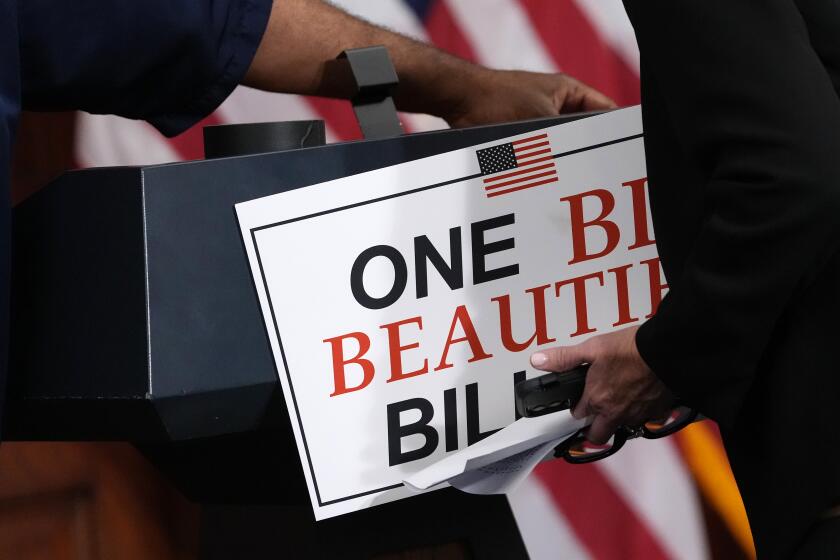
After the One Big Beautiful Bill Act became law, did you speak with many experts?
This is a major concern. With changes to the Affordable Care Act, if 8 to 10 million people lose health insurance, they’ll likely stop seeing doctors for preventative care. This means existing health problems will worsen because they won’t be treated. Ultimately, these individuals will end up in emergency rooms, often in much more serious condition than they would have been otherwise. This will put even more strain on an already overwhelmed system, potentially causing it to collapse. We anticipated this issue while filming in the summer and made some adjustments, though I don’t specifically recall what changes were made.
Business
As a healthcare follower, I’m hearing that hospitals are likely going to have to raise their prices soon. It sounds like they’re getting hit with a double problem: they’re losing money from Medicaid, and at the same time, they’re seeing more patients who don’t have insurance, which is expensive to cover. Basically, they need to make up that lost revenue somehow, and it looks like we patients might end up footing the bill.
I know there had been some discussion about an ICE story? Will we see that this season?
We’ve been addressing concerns about ICE agents appearing at hospitals and how that impacts patients. It’s been challenging to navigate this situation fairly, considering all perspectives. Beyond that, we’re also planning typical Fourth of July weekend activities and events.
How do you feel about the shipping that’s taking shape with “The Pitt” fan base?
I don’t use social media, so I mostly hear about those trends from my writers. When they talk about things like the relationship between Langdon and Mel, I think about how he’s married – it’s more of a close, supportive connection. And the dynamics between Abbot and Robby… honestly, I just don’t see that happening on our show. We don’t focus on secret affairs or anything like that. Any romantic tension is very understated. There’s a little bit of that between a couple of characters this season, but it’s not a major focus, and it’s not something we explicitly show happening.
Noah Wyle is contributing to the show creatively again this season, both as a writer and a director, just like he did last year. What’s it like having the show’s lead actor involved in so many different parts of the creative process?
He’s incredibly knowledgeable and since he’s central to the show, I depend on Noah a lot for direction and to help navigate challenges. He’s both a talented writer and director, which greatly improves collaboration between the writers and the production team. He stays involved right up until filming begins, and even on his days off during shooting, he’s either in the writers room or joins us for discussions. The idea to include the Shema prayer during a difficult scene was his, and it took a lot of coordination, which he understood. Because he’s both a writer and director, he can clearly communicate what he needs from me to achieve his vision. It’s a truly collaborative and mutually beneficial partnership.
Do you ever worry about him being overextended?
Yes. That’s why I don’t mind when he has a day off. But he’s just gonna fill it with work.
In Hollywood, if a movie or show does well, the first thing everyone wants to do is find ways to expand on that success. Have they discussed creating spinoffs or developing the story world further?
We’ve considered adding a nighttime version of the show, and it’s something we might look into down the road. Right now, we’re focused on the success of the current format, but there’s definitely potential to explore all the exciting things that happen at night.
I can definitely relate to what Dr. Al-Hashimi went through – it’s tough being the new person joining a team that already works so well together. I remember when I started writing for “ER” in Season 6 – it was a real learning curve! It was amazing to join such a successful show, but also a bit intimidating trying to fit in and contribute to something that was already running so smoothly. I’d be happy to share my experience of joining the team back then.
When I first started, I really disliked it. The show had already covered a lot of ground with multiple storylines per episode, so it felt like every idea I had had already been used. Everyone there seemed incredibly smart and experienced, while I felt like an outsider. I even called my wife and told her I was miserable and regretted leaving my previous job on ‘Jag.’ But eventually, I adjusted and found my place on the show, learning to contribute my own ideas.

Awards
Noah Wyle, along with writer R. Scott Gemmill and director John Wells, discuss the pilot episode of the Emmy-nominated series, going through it scene by scene and exploring each character’s role.
That was the season with one of the episodes I revisit often — when Dr. Carter (Wyle) gets stabbed.
I vividly recall a disagreement about whether to depict Kellie Martin with open or closed eyes. I strongly believed her eyes should be open, and I’m happy we went with my idea, though it was a pretty heated discussion. The entire production was quite intense.
Okay, so I just heard George Clooney might be up for doing an episode of Brad Pitt’s show, “The Pitt”! Seriously, can you imagine that?! It would be amazing to see those two on screen together again. I’m already hoping it happens!
I take that with a grain of salt but, hey, I’m up for anything. I’ll try anything once.
I really liked how realistic last year’s season finale was, especially because so many shows rely on dramatic cliffhangers. You’re filming the finale in January, so can you give us any insight into your approach this time around?
We’ve included a fun surprise at the end of this season. I’m excited to reveal it as a little treat for our fans in the final episode.
Read More
- Clash Royale Best Boss Bandit Champion decks
- Vampire’s Fall 2 redeem codes and how to use them (June 2025)
- Mobile Legends January 2026 Leaks: Upcoming new skins, heroes, events and more
- M7 Pass Event Guide: All you need to know
- Clash Royale Furnace Evolution best decks guide
- Clash of Clans January 2026: List of Weekly Events, Challenges, and Rewards
- World Eternal Online promo codes and how to use them (September 2025)
- Best Arena 9 Decks in Clast Royale
- Clash Royale Season 79 “Fire and Ice” January 2026 Update and Balance Changes
- Clash Royale Witch Evolution best decks guide
2026-01-09 05:33