
The mixed reactions to the end of Stranger Things have brought up a common question for TV viewers: why it’s so hard for complex, high-quality shows to finish well. Similar disappointment happened with the finales of Game of Thrones and Lost, both hugely popular shows that left many fans unsatisfied. The current era of ambitious television has shown that being big and bold doesn’t automatically mean a satisfying ending.
Despite finishing in ways that many people debated, shows like Stranger Things, Game of Thrones, and Lost kept viewers engaged right up to the very end. While their finales weren’t perfect, many fans believe they still made sense thematically. These shows continue to be widely discussed and remembered for both their strengths and their controversial endings.
While the finale of Stranger Things has sparked debate, it’s still a better outcome than some TV endings. No show suffered a more complete downfall than HBO’s Westworld.
The TV show Westworld started strong, promising a complex and thought-provoking science fiction story. However, it quickly fell from grace after its first season. Its downfall has become well-known as a prime example of how rapidly a highly-regarded show can lose its way and disappoint even dedicated viewers.
Westworld Went From Groundbreaking To Disappointing
HBO’s Blockbuster Sci-Fi That Lost Its Identity Almost As Quickly As It Found It
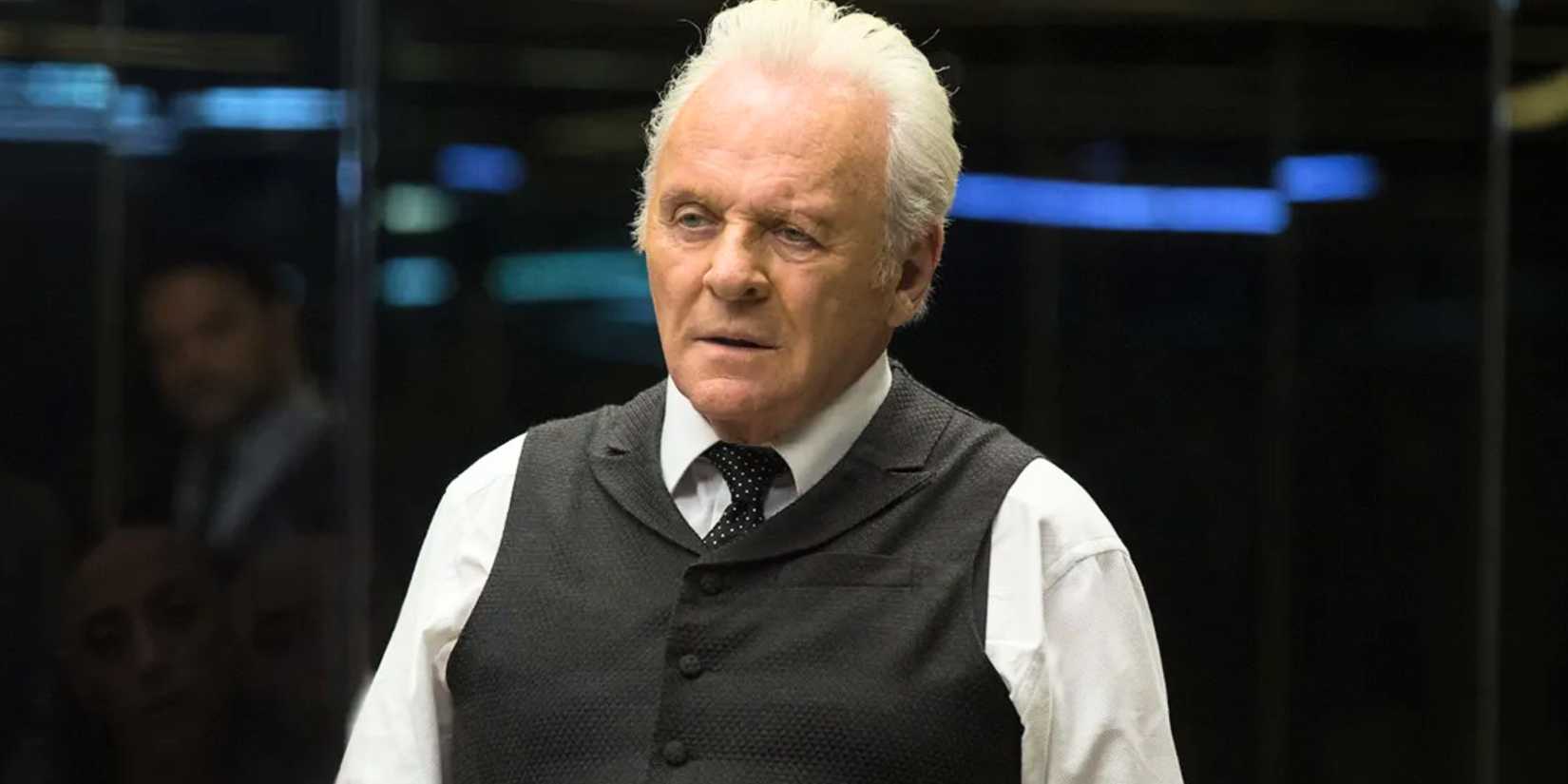
I remember when Westworld first came out – it was incredible! The first season totally blew me away. It wasn’t just cool sci-fi, it had really well-developed characters and a mystery that unfolded perfectly. I was especially drawn to Dolores and Bernard; their stories were so compelling, and they really made you think about what it means to be alive and conscious. It was a fantastic start to the series.
Initially, viewers were excited about Westworld, but that enthusiasm faded. Later seasons prioritized complicated storylines and twists over clear narratives and meaningful character development. The show’s timelines became confusing, big reveals felt less impactful, and it started to feel like the creators were more interested in being clever than telling a compelling story. The focus shifted from substance to complexity, and mysteries were presented simply for the sake of being mysterious, rather than to enhance the characters or overall themes.
Moving the story away from the park was a major mistake. Westworld wasn’t just a location; it was a character in itself, a carefully designed place that highlighted the themes of free will and control. When the show expanded to the outside world, it lost its special identity, replacing the unique park setting with typical science fiction city scenes.
The characters in Westworld also lost depth. Maeve Millay, who was once a compelling character, began repeating the same patterns. William, known as the Man in Black, became a meaningless figure instead of a character you could feel sorry for. The show prioritized shocking twists over consistent emotional journeys, which frustrated viewers who had been following the story for a long time.
By its fourth and final season, Westworld had lost its way. What started as a carefully crafted and thought-provoking series became hurried and overwhelming. While the show still aimed high, it lacked focus. This led to a visually stunning but ultimately unsatisfying experience, leaving behind the audience who had once loved it. Westworld had the potential to be truly memorable, but unfortunately, it’s now remembered for what it could have been.
How Westworld Failed Its Audience
Ambition Replaced Coherence And Left Viewers Behind
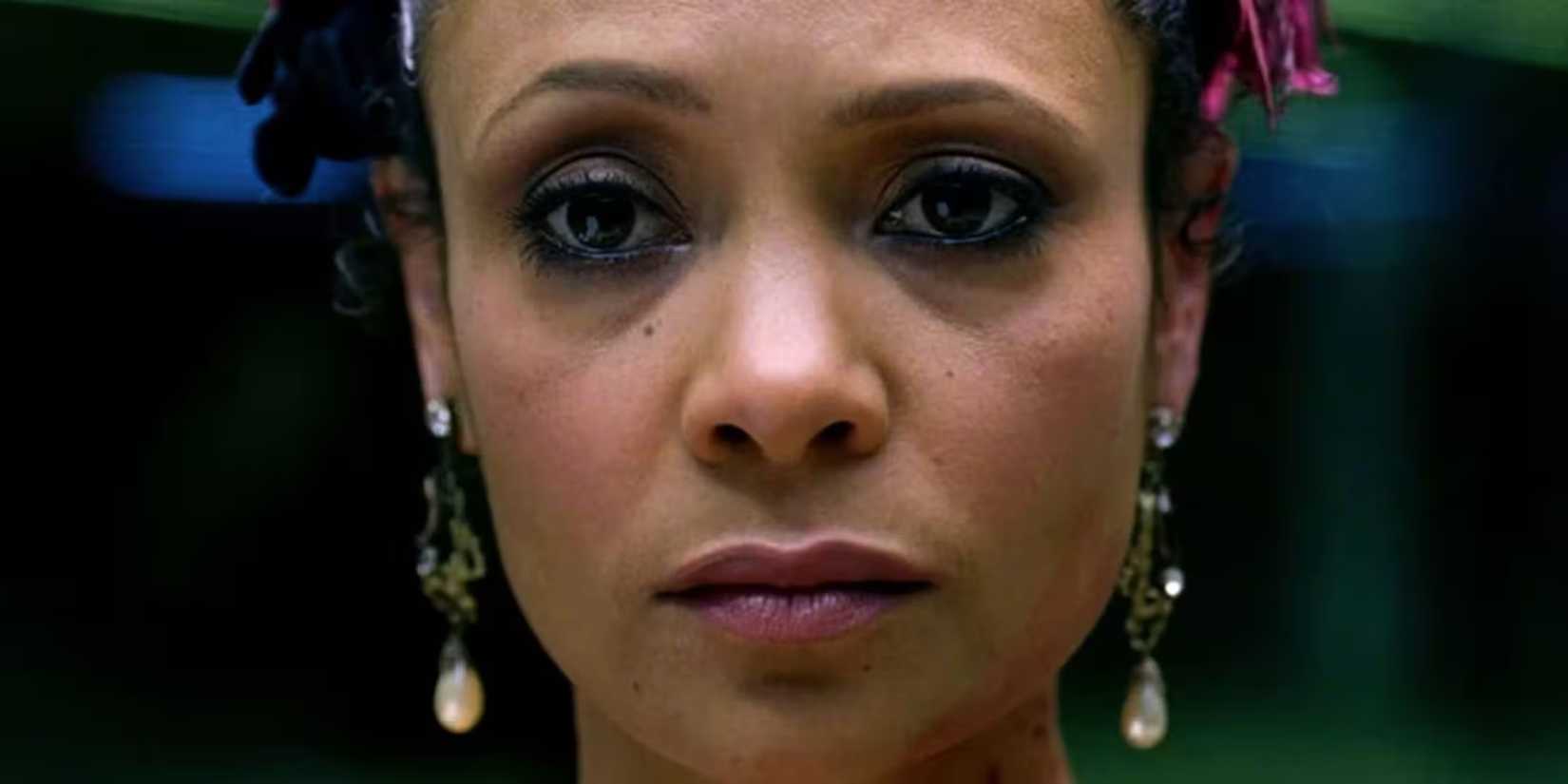
The final season of Westworld didn’t just let down its remaining fans—it truly failed them. The first season earned viewers’ trust by tackling big ideas about what it means to be conscious, right and wrong, and who’s in control. It presented complicated mysteries that were satisfying to solve, and it rewarded close attention without being needlessly confusing. The show treated its audience with respect, assuming they could keep up while still making sure the story’s feelings and themes were clear.
The show’s initial credibility quickly disappeared. Subsequent seasons moved away from thoughtful questions and instead focused on complex, confusing plots and vague dangers. The writers prioritized mystery over meaningful exploration. Rather than developing its strong start, Westworld overwhelmed it with excessive and pointless complications.
The show was initially hyped as HBO’s successor to Game of Thrones, expected to become a major cultural phenomenon. However, it ended up attracting a smaller, more dedicated audience and lost viewers with each season. Declining ratings weren’t just due to people losing interest – they showed increasing dissatisfaction.
The biggest disappointment with Westworld wasn’t any single plot point, but the way the show kept repeating itself without ever truly delivering on its promises. Storylines were started but never finished, and supposed ‘big reveals’ didn’t add any new depth or meaning to what we’d already seen. What initially felt carefully planned eventually felt random and made-up, pretending to be something much more elaborate.
Watching Westworld became a test of dedication for its fans. The show asked viewers to be patient and invest their time, but didn’t deliver satisfying answers or payoffs. By the final season, most felt they were watching out of habit rather than genuine enjoyment. It wasn’t that the audience gave up on Westworld; the show lost its connection with them.
Westworld Didn’t Even Have A Proper Ending
Cancellation Turned A Messy Decline Into An Incomplete One
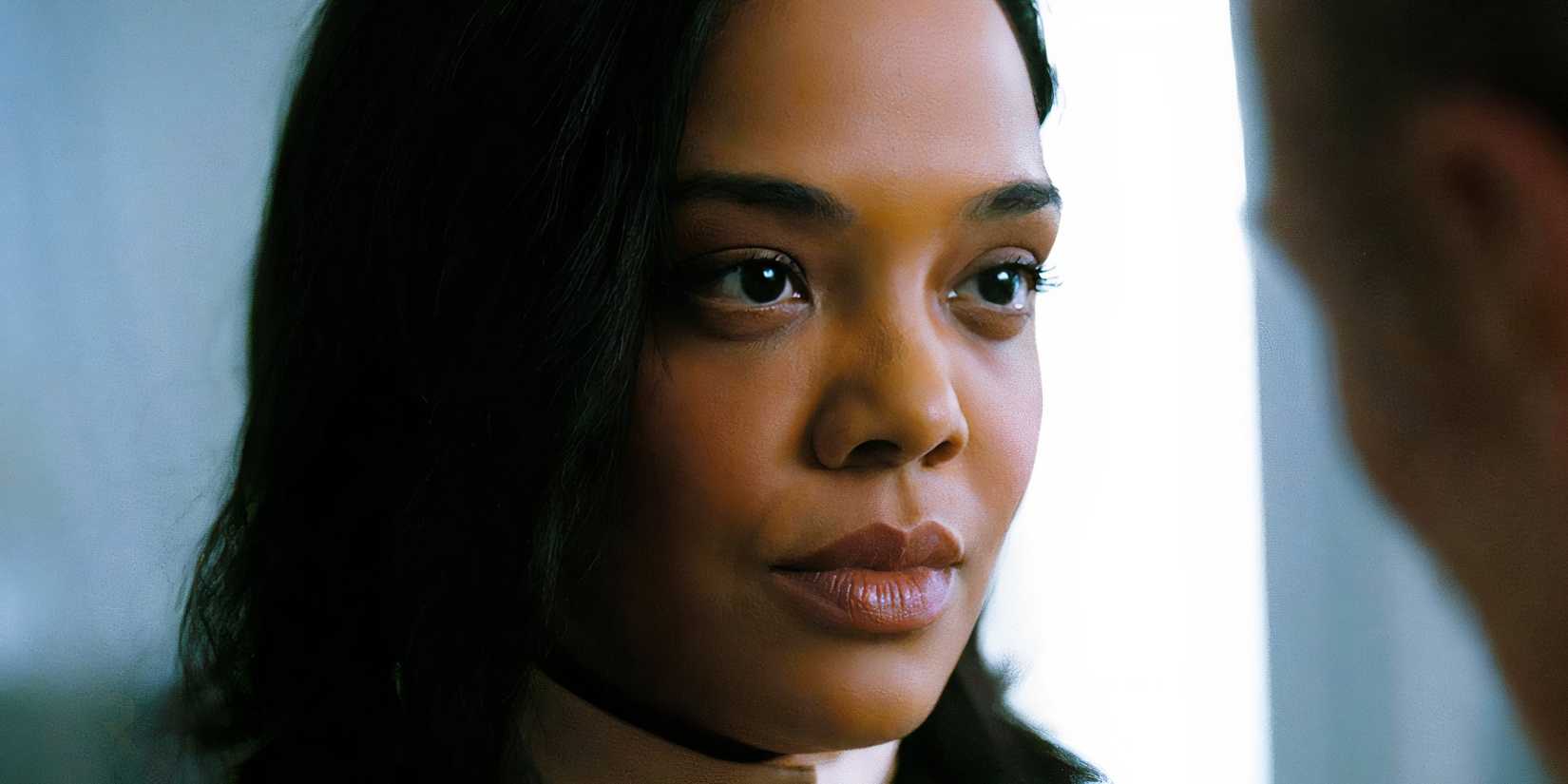
The cancellation of Westworld after four seasons meant the show never got a proper ending. Although the fourth season hinted at a conclusion, it felt more like a setup for future storylines that will now never happen. Many important plot points were left unfinished, and the show’s main ideas weren’t fully explored.
Okay, so the season four finale of Westworld, “Que Será, Será,” didn’t really end anything, did it? It felt more like hitting the reset button. Seeing Dolores back definitely suggested they were going for that ‘history repeating itself’ vibe, but with no promise of a fifth season, it just left me feeling… unsatisfied. What could have been a beautifully circular story felt incomplete and honestly, a little frustrating. It teased a grander narrative without delivering a payoff.
HBO cancelled Westworld because fewer people were watching, and the show was becoming too expensive to produce. This marked a significant change for a series that was once considered a high-quality, critically acclaimed program, and highlights how much its popularity had decreased.
Unlike many sci-fi and fantasy shows that are suddenly canceled, Westworld had a chance to fix its problems. Its decline wasn’t sudden; it happened slowly over time, so the unfinished story feels like a natural result of its struggles rather than a heartbreaking loss. The show’s plot had become confusing and disjointed well before it was canceled.
Ultimately, Westworld serves as a warning. The show isn’t remembered for its moments of greatness, but for how much potential it wasted. It’s rare to see a series start so strong and finish so unsatisfyingly, making Westworld a prime example of a show that could have been amazing but ultimately fell short.
Read More
- Clash Royale Best Boss Bandit Champion decks
- Vampire’s Fall 2 redeem codes and how to use them (June 2025)
- Mobile Legends January 2026 Leaks: Upcoming new skins, heroes, events and more
- Clash Royale Furnace Evolution best decks guide
- M7 Pass Event Guide: All you need to know
- Clash of Clans January 2026: List of Weekly Events, Challenges, and Rewards
- Best Arena 9 Decks in Clast Royale
- Clash Royale Season 79 “Fire and Ice” January 2026 Update and Balance Changes
- Clash Royale Witch Evolution best decks guide
- World Eternal Online promo codes and how to use them (September 2025)
2026-01-06 19:00