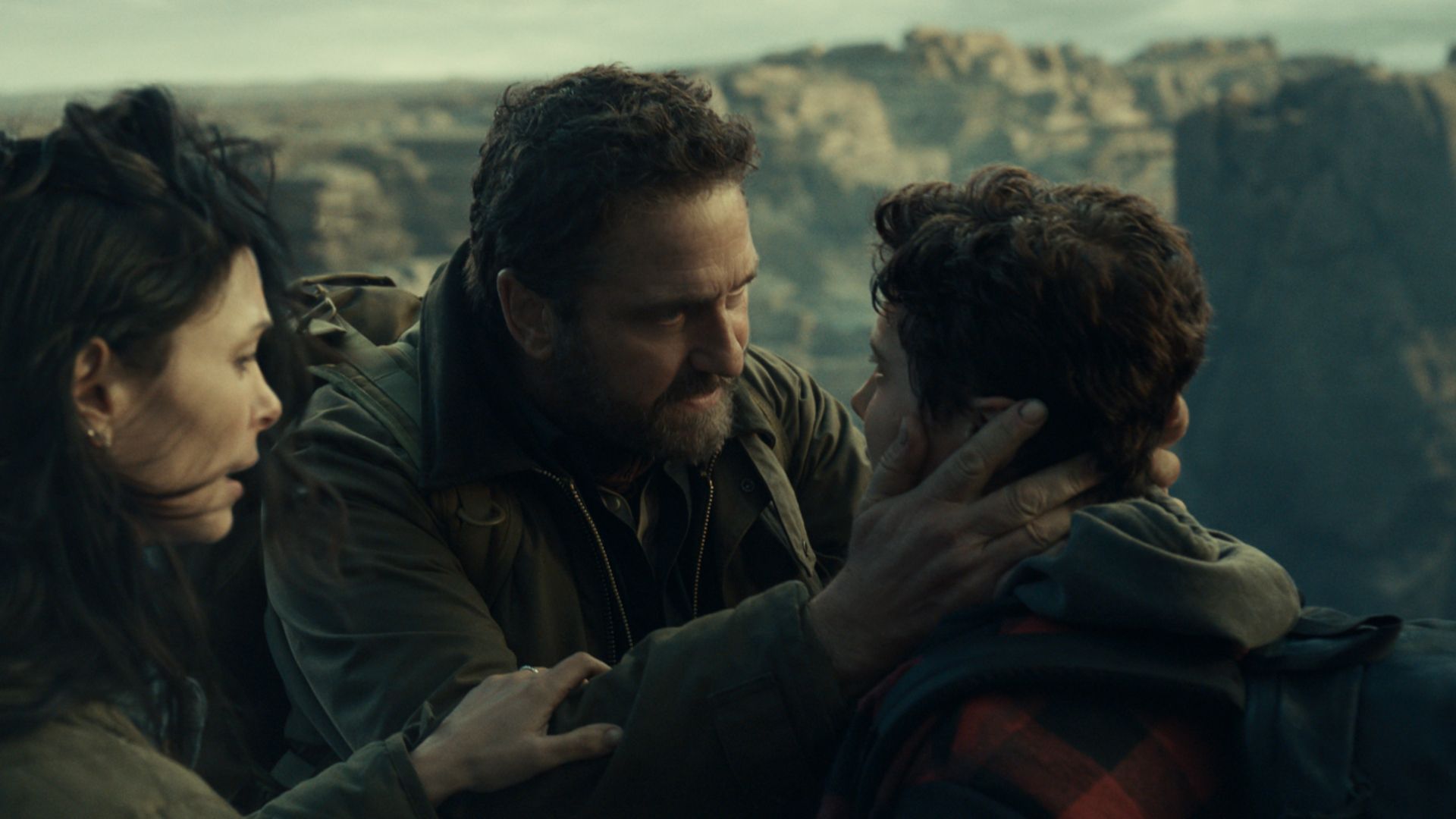
Be warned: this review contains spoilers for Greenland 2: Migration. The film is a grim disaster movie that overlooks a key aspect of the genre. Gerard Butler and Morena Baccarin reprise their roles as John and Allison Garrity, struggling to survive after a comet destroys much of the world. Like the first Greenland movie, it’s presented with a lot of dramatic intensity.
Okay, so here’s my take: this film really shines when it focuses on the human stories after the disaster, the way people rebuild and cope. But whenever it tries to be a typical disaster flick with spectacle and action, it kind of falls flat. It’s just… really, really grim. And honestly, it needed something to lighten the mood, a little bit of heart or humor. Other disaster movies manage that balance, and it makes all the difference. This one just stays stuck in the darkness, and it ultimately holds it back.
Greenland 2: Migration Is A Grim Story With A Bittersweet Ending
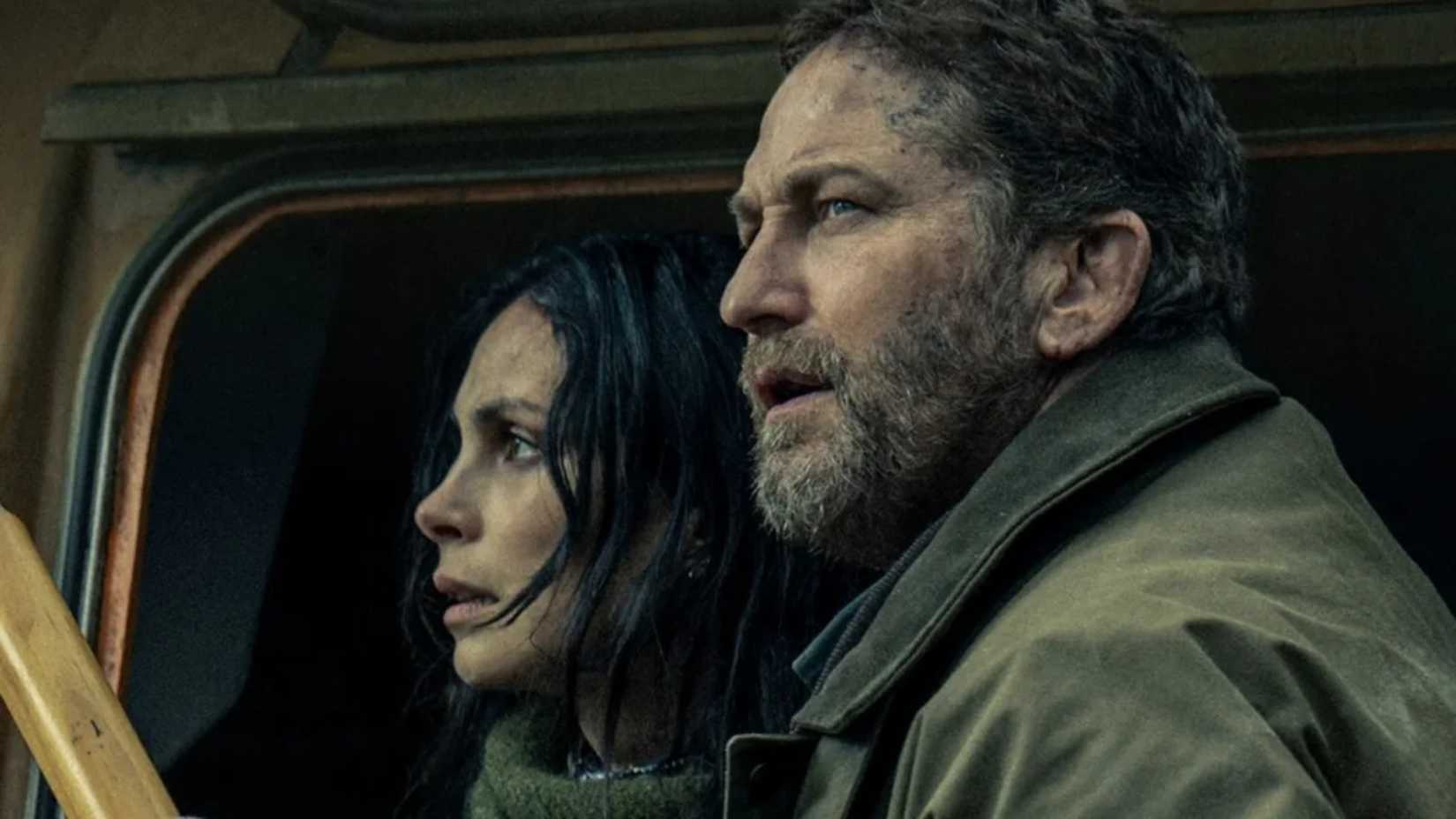
Disaster movies often balance serious, upsetting events with moments of self-aware humor or dark comedy to lighten the mood. However, Greenland 2: Migration doesn’t offer much of that relief, choosing instead to stay consistently focused on the dangers faced by the Garrity family.
Everyone is so focused on what’s happening that no one has time to think about what it all means, even during calm moments with friends. There’s a sense that things aren’t going to turn out well, but the limited number of main characters and the serious tone actually make those characters seem strong and uncomplicated.
The actors portraying the Garrity family do a good job with the basic character types, but the characters themselves often feel underdeveloped. They’re mostly defined by one or two traits – like being desperate, kind, or sad – and lack depth. While there are a few scenes that show more complexity, they don’t fully overcome this issue.
It’s disappointing because the film does have some charming and relatable scenes early on, before the Garrity family is forced to travel all over Europe after an earthquake. These small interactions – like John joking with his son or pretending to be unwilling to dance with his wife – really help us connect with the characters and see them as people.
Now that viewers are invested in the three main characters, the danger they face during the earthquake and tsunami feels much more intense. Unfortunately, as the movie progresses, the constant stream of bad events begins to distract from what makes the characters interesting as individuals.
While Greenland 2: Migration doesn’t rely on flashy effects, it focuses on the difficult consequences of a disaster and the struggles of those trying to survive. The film’s dark tone fits the devastated world it portrays. However, this constant negativity also makes it less enjoyable and harder to connect with than it could have been.
Why Disaster Movies Need To Have Some Fun To Be Great
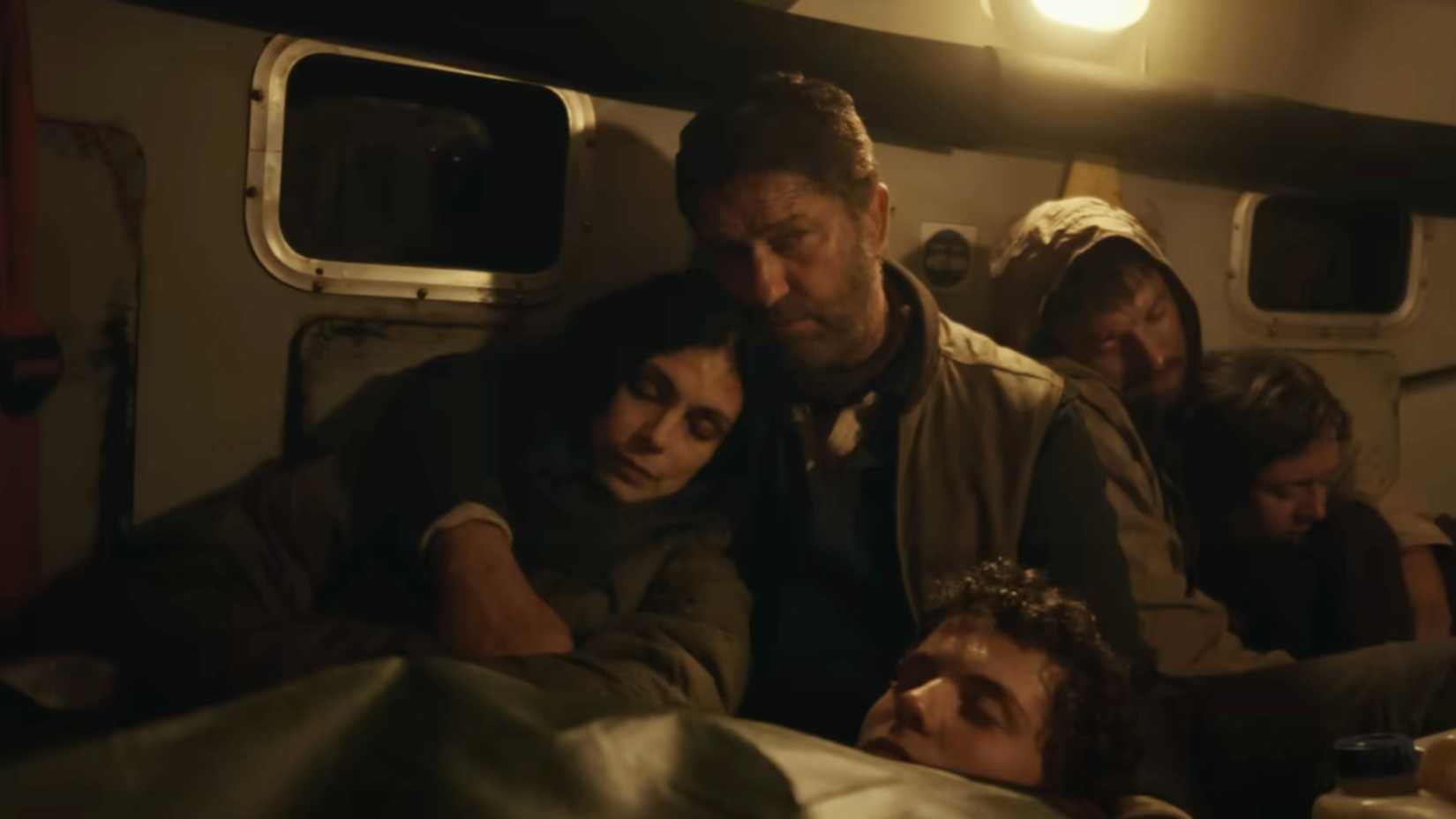
Older disaster movies were different. Films like Poseidon, The Towering Inferno, and The Day After Tomorrow weren’t just scary and dramatic; they also had moments of dark humor and showed the best in people. They often let villains meet a fitting end or included characters who provided much-needed comic relief.
When things are tough, people naturally look for moments of light – and this is important in storytelling. Humor can make characters more relatable, offer a break after intense moments, and remind the audience that these characters are, at their core, human.
While many disaster movies include some humor, Greenland 2: Migration stands out for being almost entirely devoid of it. The film portrays a truly apocalyptic scenario, but it’s consistently grim and alternates between moments of fragile hope and overwhelming despair.
By the end of the movie, the characters overcome significant challenges and find hope for the future. However, their emotional connections feel somewhat superficial, as if they’re simply playing roles in the story rather than genuinely connecting with each other.
Comparing this to movies like Twister or Deep Impact is helpful. Those films prioritize creating characters the audience can root for and connect with, which makes the disaster feel more personal and engaging. Ultimately, they focus on making the movie fun to watch.
Both Deep Impact and Migration share a similar mood – a sense of unavoidable doom mixed with a persistent hope even during a catastrophic event. However, Deep Impact maintained a stronger focus on its characters and their relationships throughout the story, while Migration gradually shifts away from that focus as the movie progresses.
Because of this, viewers felt more connected to the characters and their fight for survival. Even the original Greenland movie did a better job of building that connection. Although the film wasn’t meant to be comedic, its focus on realistic characters and relationships during a crisis made it more compelling and easier to watch.
Disaster films work best when they make us connect with the characters and offer moments of humor amidst the action, because that’s what makes us truly care when things go wrong. The movie Migration shines when it focuses on the emotional impact and frightening reality of a world falling apart, similar to its original installment.
As much as I enjoy a good disaster flick, Greenland 2: Migration kind of lost me when it really leaned into the spectacle. Everything got so big and focused on the disaster itself that I stopped really caring about the characters. It’s not the first serious disaster movie out there, but I was hoping for something that would pull me in more emotionally. It’s a shame it didn’t quite connect with me on that level.
Read More
- Clash Royale Best Boss Bandit Champion decks
- Vampire’s Fall 2 redeem codes and how to use them (June 2025)
- Mobile Legends January 2026 Leaks: Upcoming new skins, heroes, events and more
- World Eternal Online promo codes and how to use them (September 2025)
- Clash Royale Season 79 “Fire and Ice” January 2026 Update and Balance Changes
- Best Arena 9 Decks in Clast Royale
- Best Hero Card Decks in Clash Royale
- Clash Royale Furnace Evolution best decks guide
- How to find the Roaming Oak Tree in Heartopia
- Clash Royale Witch Evolution best decks guide
2026-01-11 20:21