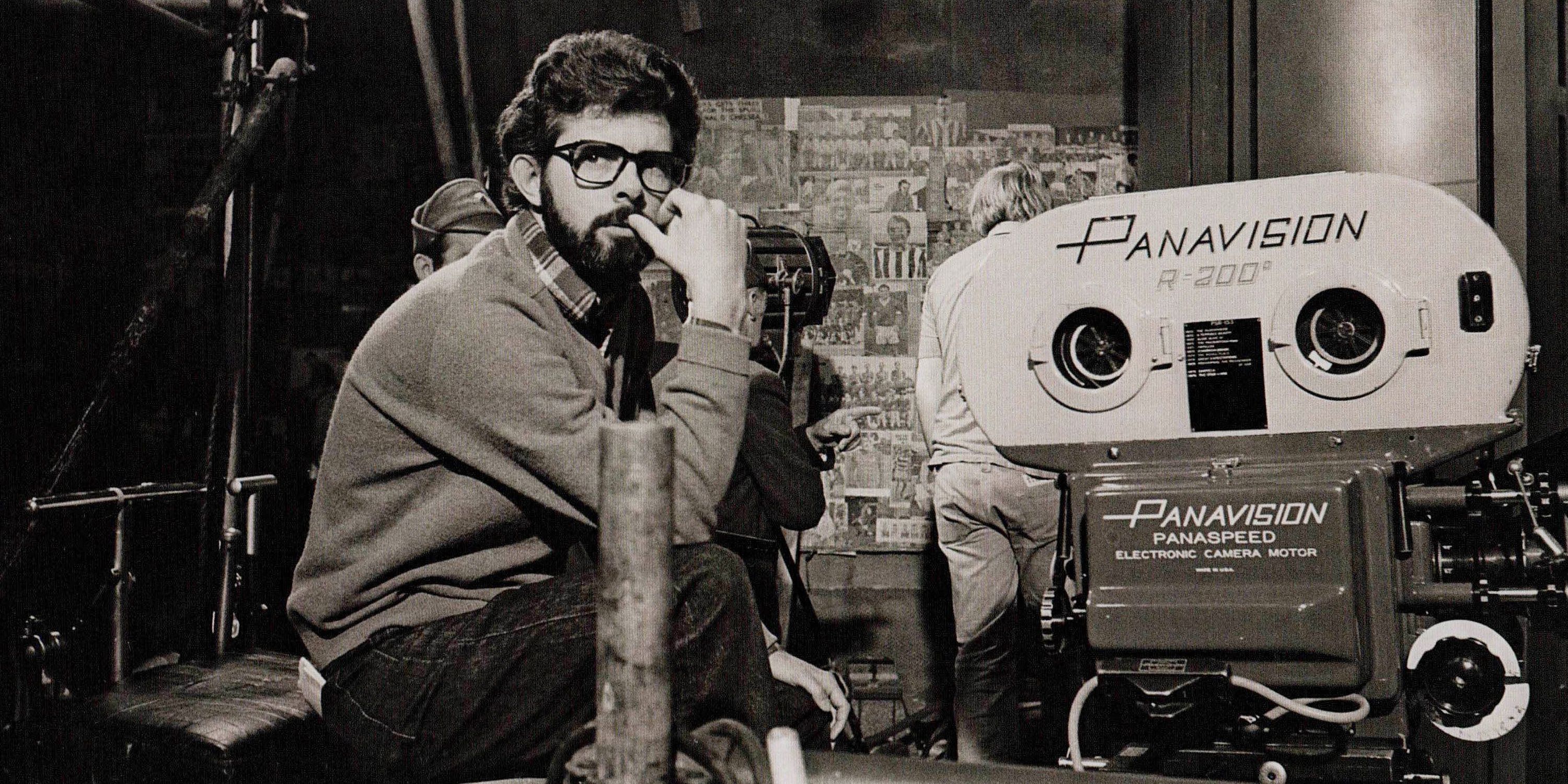
George Lucas fundamentally changed Hollywood. His drive to create films independently, outside the usual studio system, has motivated countless filmmakers over the years. Star Wars is frequently credited with inspiring many talented directors, actors, and crew members to pursue careers in the film industry. It’s more than just a movie series—it’s a lasting cultural phenomenon.
Many consider Star Wars the ultimate soap opera, and it frequently serves as a reference point for new science fiction and fantasy projects. It’s become a fundamental part of how filmmakers tell stories, and that’s due to more than just its memorable scenes and compelling plot. George Lucas revolutionized filmmaking with its production, particularly through the creation of Industrial Light & Magic, which modernized the industry like never before.
The Original Star Wars Trilogy Marked A Major Step Forward For The Industry
George Lucas often felt limited by the available technology while making his films. This led him to repeatedly revisit and update them with CGI, striving for his ideal vision. Despite these frustrations, his innovative approach during production pushed the industry forward, establishing techniques and companies that were crucial to making Star Wars the worldwide success it is today.
Consider the music, for instance. Choosing John Williams for the orchestral score was an unconventional decision for the time, but it ultimately proved iconic. The same goes for the sound design. Lucas was determined to modernize the way sound was used in film, and that’s why he created Skywalker Sound – a studio that’s still thriving today and remains central to the Star Wars experience. The innovative techniques developed there have become standard practice throughout the industry.
Lucas was driven to achieve more with his films, and Industrial Light & Magic (ILM) was central to making that happen. Founded in 1975, the studio played a key role in creating the original series. Lucas felt that realizing his vision required groundbreaking visual effects, and he believed digital effects were the way forward. While he still filmed many scenes traditionally, ILM constantly pushed the boundaries of what was possible, striving to elevate his films even when faced with seemingly insurmountable challenges.
The film featured between 365 and 400 visual effects, created using a variety of innovative techniques since traditional computer-generated imagery wasn’t available. While miniatures played a role, Industrial Light & Magic (ILM) relied heavily on methods like matte paintings and the groundbreaking Dystralex system, fundamentally changing the visual effects industry. By the time Return of the Jedi was made, the number of visual effects shots had nearly tripled to almost 1000, demonstrating how crucial ILM had become to the overall quality and completion of the films.
ILM Has Been Critical To Star Wars’ Development
Industrial Light & Magic (ILM) continued to be important even after the first three Star Wars films, as the studio was central to George Lucas’s overall creative vision. When Lucas decided to update the original movies with CGI, he turned to ILM to make the necessary changes. ILM pioneered computer-generated visual effects, and Lucas enthusiastically adopted these new technologies. Unlike some other directors who were hesitant, Lucas was eager to showcase this new direction in filmmaking, regardless of others’ opinions.
I was absolutely fascinated by how George Lucas completely embraced digital filmmaking. He was determined to leave traditional editing behind, and the prequels were where he really pioneered this new approach – editing everything on computers and introducing digital projection for a stunning, high-definition picture. It was a total game-changer! It really pushed Hollywood to move forward, and once again, Star Wars led the way, essentially making film a thing of the past. Industrial Light & Magic was instrumental, showing everyone else how to make the switch and become digital too.
As a movie fan, I’ve always been amazed by Industrial Light & Magic – they’re constantly pushing boundaries, often because George Lucas has a very specific vision. But honestly, Star Wars always demands innovation, and that’s really cemented ILM’s place in the franchise’s history. Take The Mandalorian, for instance. They pioneered this incredible new filming technique – ‘The Volume’ – which is basically a 360-degree digital set. It lets actors actually react to things that aren’t really there, in real-time! And it’s not just cool looking, it’s actually proving to be more affordable and is even improving performances. It’s quickly becoming the new standard across the industry, which is pretty wild.
Industrial Light & Magic remains Lucasfilm’s primary studio and continues to be a major force in filmmaking. From the recent Ryan Gosling film to the enduring success of Star Wars, ILM is essential to the quality of these projects. Though founded by George Lucas to support his own films, ILM’s impact now extends far beyond the Star Wars universe, solidifying its place in cinematic history.
ILM and Star Wars Continue to Be A Major Force In Modern Hollywood
Industrial Light & Magic has consistently been at the forefront of innovation in the film industry. A prime example is their work on . By skillfully combining digital technology with traditional effects, they made the dinosaurs incredibly realistic, instantly creating a classic film. Audiences were captivated by the movie’s incredible visuals, and ILM worked tirelessly to deliver an authentic experience. In many ways, the studio pioneered new techniques as they went, figuring things out on the fly.
When James Cameron needed help bringing his visions to life, Industrial Light & Magic (ILM) was often called upon, initially to assist Weta with groundbreaking visual effects. ILM became a frequent collaborator with Cameron, notably creating the iconic liquid metal effects for the T-1000 in Terminator 2. Throughout cinematic history, whenever a movie featured a truly spectacular and unexpected sequence, Industrial Light & Magic was likely involved in making it happen.
Industrial Light & Magic is now a key part of Disney’s growth, especially since Disney now owns the company. ILM has become known for creating incredible visual effects for blockbuster movies – think characters like the Hulk and Thanos in the Marvel Cinematic Universe. They deliver seamless and impressive effects for the world’s biggest franchises, becoming a trusted source of movie magic that has far exceeded George Lucas’s original vision for the studio.
ILM will remain a vital force in the film industry, continuing its tradition of innovation by training future filmmakers. In many ways, ILM is George Lucas’s most significant creation – without it, the film industry wouldn’t be what it is today. It has fundamentally shaped the foundations of modern filmmaking.
Found an error? Send it so it can be corrected.
Read More
- ‘Project Hail Mary’s Unexpected Post-Credits Scene Is Worth Sticking Around
- Beyond Accuracy: Gauging Trust in Human-AI Teams
- Gold Rate Forecast
- Clash Royale Balance Changes March 2026 — All Buffs, Nerfs & Reworks
- The most surprising Hannah Montana cameos: From John Cena to Dwayne Johnson and even a Coronation Street soap star as show celebrates its 20th anniversary
- Genshin Impact Version 6.5 Leaks: List of Upcoming banners, Maps, Endgame updates and more
- eFootball 2026 is bringing the v5.3.1 update: What to expect and what’s coming
- Total Football free codes and how to redeem them (March 2026)
- Brawl Stars Brawl Cup Pro Pass arrives with the Dragon Crow skin and Chroma, unique cosmetics, and more rewards
- We talked to ‘Bachelorette’ Taylor Frankie Paul. Then reality hit pause on her TV career
2026-03-13 03:07