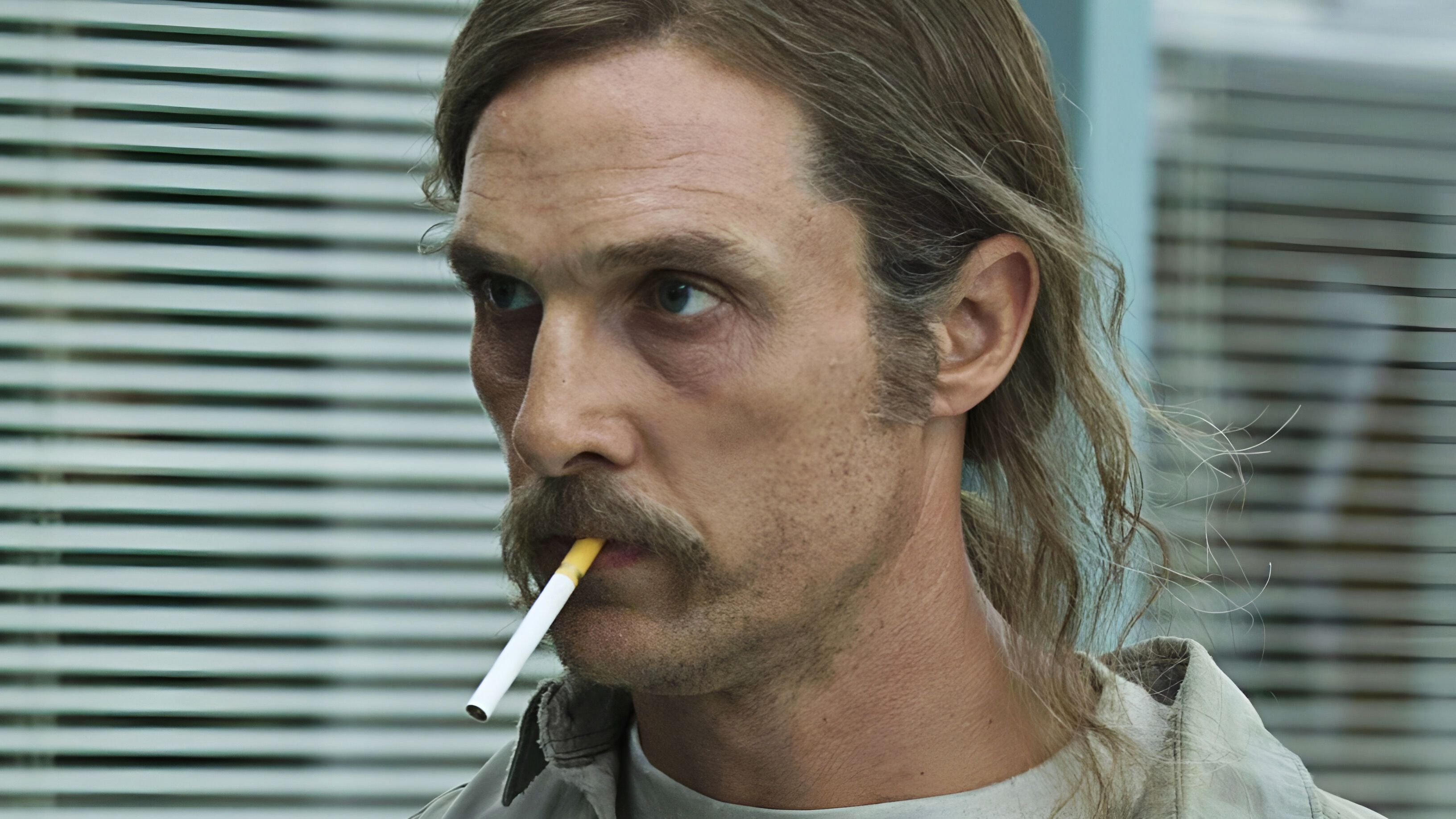
HBO’s Game of Thrones revolutionized television, ushering in a period of expensive, large-scale franchise shows. While many series have tried to copy its success, and HBO continues to create spin-offs, the high costs of producing these shows are having a significant impact on the entire TV industry – and that’s arguably the show’s lasting legacy.
As a huge cinema and TV fan, I have to say HBO really shook things up when they took a chance on fantasy with Game of Thrones. When it first came out in 2010, it totally blew critics away, and even though the final season was a bit divisive, it’s still the show that really defined television for a whole generation, in my opinion.

While Game of Thrones was a huge success on screen, its most significant change happened in how television shows were made.
“Game Of Thrones” Changed HBO’s Approach To Television, Kicking Off The Network’s Big-Budget Franchise Era
The House Tony Soprano Built Was Conquered By Dragons
When the final season of The Sopranos aired from 2006 to 2007, each episode cost around $6 million to produce. Three years later, the first season of Game of Thrones had a similar budget per episode. This was a risk for HBO, but it also showed how much the network had grown in power over the previous ten years.
HBO’s gamble on Game of Thrones proved successful. The show grew more impressive visually over its eight seasons, becoming increasingly expensive to produce—with the final episodes costing around $15 million each. Its popularity with viewers more than justified the high costs for HBO. Even while it was airing, Game of Thrones influenced how HBO approached all of its other shows.
As the cost of producing Game of Thrones increased, HBO became more careful about approving new shows, and quickly canceled anything that didn’t immediately become a hit. They began focusing on shorter, less expensive comedies. After Game of Thrones finished, HBO invested heavily in developing spin-offs and sequel series.
With “Thrones,” HBO Forced Every Other TV Network To Play The Game At Its Level
Game Of Thrones Elevated Genre TV From Cheap To Costly
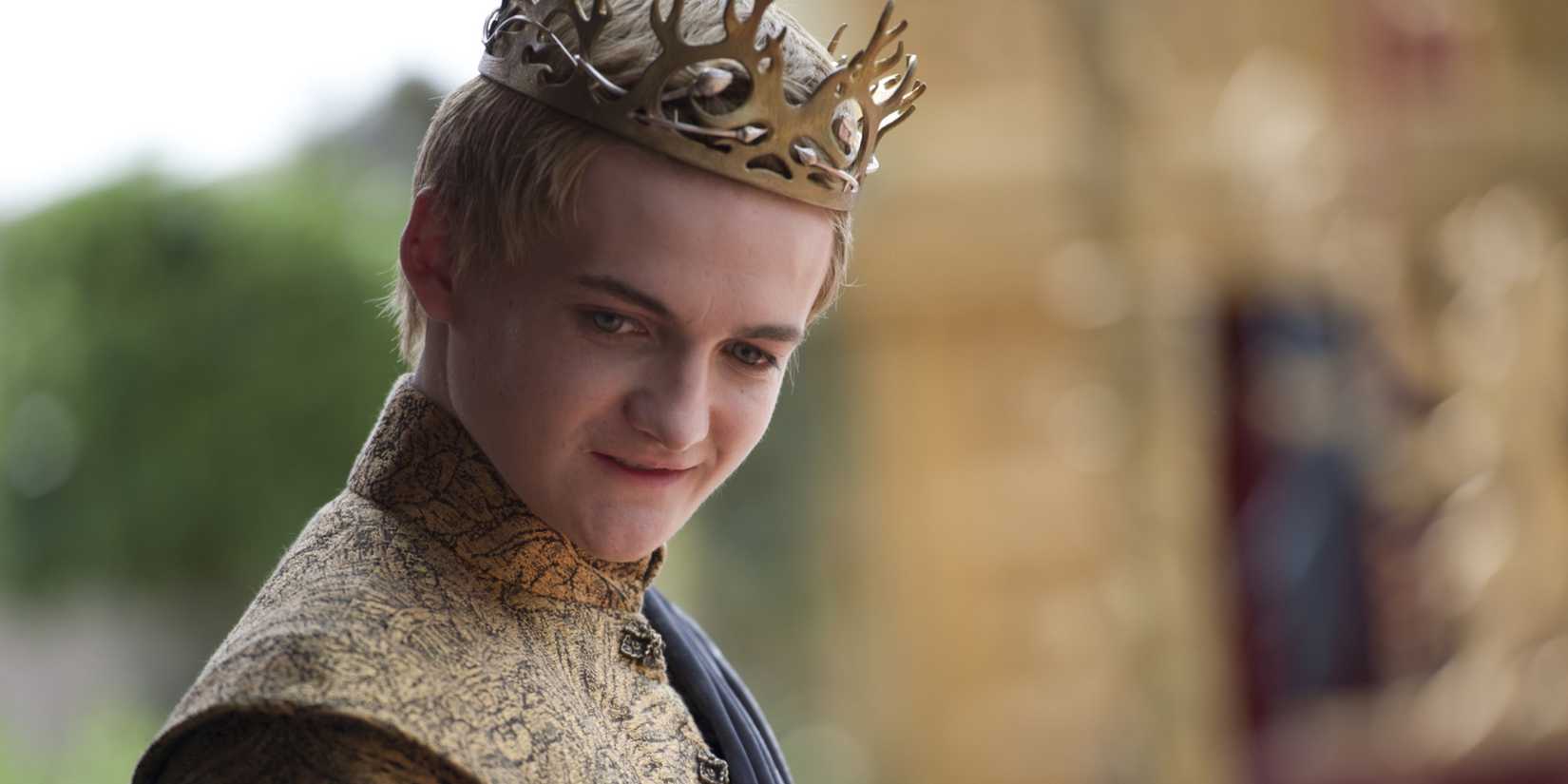
It’s important to acknowledge that Game of Thrones really delivered on its large budget – the show looked fantastic. The epic action sequences, like “The Battle of the Bastards,” were particularly impressive and will likely be hard to top for years to come. This is different from shows like Friends, which, even back in 2003-2004, spent a surprisingly high $10 million per episode.
Everyone agrees that Game of Thrones helped make fantasy TV popular, and that’s certainly true. However, its impact went even further. Game of Thrones set a new standard for all big-budget TV franchises. Now that it’s over, networks can’t simply offer a low-budget fantasy show like Hercules or Xena and expect viewers to stay interested.
Even classic ’90s Star Trek doesn’t quite measure up to the quality of Game of Thrones. It’s great that Game of Thrones has pushed other shows to improve, but it’s also led to a trend of expensive, franchise-driven television dominating the airwaves.
With “House Of The Dragon” HBO Is Spending Big Money To Chase “Thrones” Success
HBO Has Gone All-In On Its Iconic Franchise, But At What Cost?
After the end of Game of Thrones, HBO initially planned seven potential spin-off shows. The first to actually be made, House of the Dragon, is now filming its third season and is expected to conclude after four seasons. The first season of House of the Dragon reportedly cost around $20 million per episode, and the budget likely went up for later seasons.
A typical episode of the House of the Dragon spin-off is actually more expensive to produce than even the longest episodes of the final season of Game of Thrones. To illustrate how costly it is, one episode of Dragon costs as much as three episodes from the final season of The Sopranos. And considering The Sopranos cost about $1 million per episode in its first season, the entire first season—thirteen episodes total—cost less than just one hour of Dragon.
Even when you factor in increased costs due to inflation and production, HBO could fund four pilot episodes for the price of a single episode of House of the Dragon. This mirrors a common issue in Hollywood: big-budget franchises are taking over, leaving limited resources for smaller, new projects.
HBO Is Doubling, And Tripling-Down On Big-Budget Franchises In Order To Recapture The Magic Of “Thrones”
HBO’s Harry Potter Is Reportedly The Most Expensive TV Series Ever
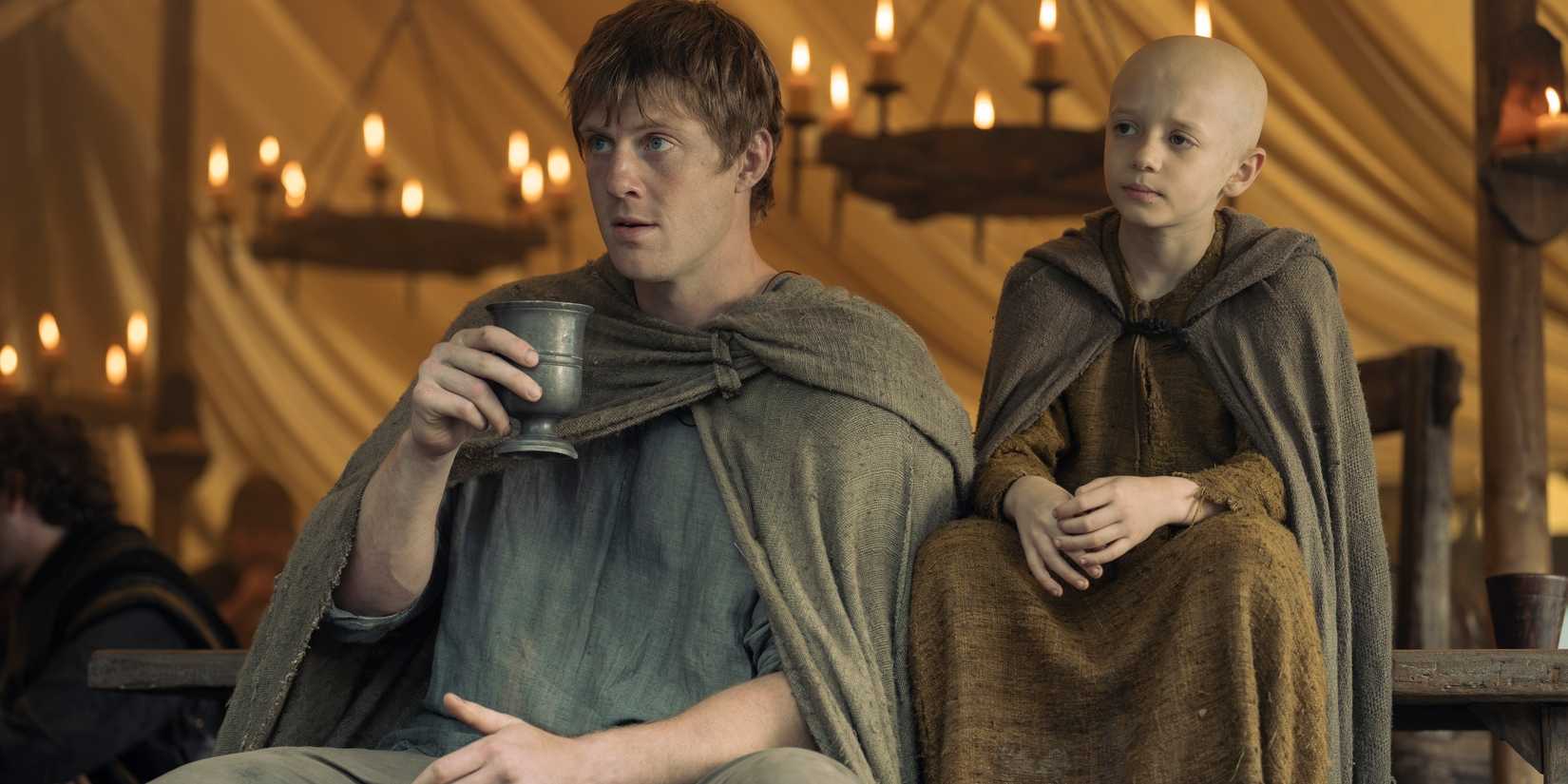
Despite being smaller in scope than the first spin-off, HBO’s A Knight of the Seven Kingdoms still costs around $10 million per episode to produce. When combined with the costs of the original Game of Thrones spin-off, these shows are currently responsible for over $250 million of HBO’s production budget, and that number is expected to grow.
Beyond that, consider the shows trying to follow in Game of Thrones‘ footsteps. HBO’s upcoming Harry Potter series is reportedly costing between $60 and $75 million per episode – even half that is a huge increase in budget compared to Game of Thrones. It’s all an attempt to recapture that show’s worldwide popularity. Game of Thrones created the opportunity, and now HBO is going all-out to capitalize on it.
For most of its history, television was known for being relatively inexpensive to produce. However, recently, the budgets for popular, ongoing shows have increased dramatically. It’s difficult to imagine how different television would be today if shows hadn’t started becoming so costly, especially considering the impact of HBO’s Game of Thrones.
Read More
- Invincible Season 4 Episode 4 Release Date, Time, Where to Watch
- Physics Proved by AI: A New Era for Automated Reasoning
- How Martin Clunes has been supported by TV power player wife Philippa Braithwaite and their anti-nepo baby daughter after escaping a ‘rotten marriage’
- CookieRun: OvenSmash coupon codes and how to use them (March 2026)
- Goddess of Victory: NIKKE 2×2 LOVE Mini Game: How to Play, Rewards, and other details
- Total Football free codes and how to redeem them (March 2026)
- American Idol vet Caleb Flynn in solitary confinement after being charged for allegedly murdering wife
- Nicole Kidman and Jamie Lee Curtis elevate new crime drama Scarpetta, which is streaming now
- “Wild, brilliant, emotional”: 10 best dynasty drama series to watch on BBC, ITV, Netflix and more
- Roco Kingdom: World China beta turns chaotic for unexpected semi-nudity as players run around undressed
2026-01-24 21:54