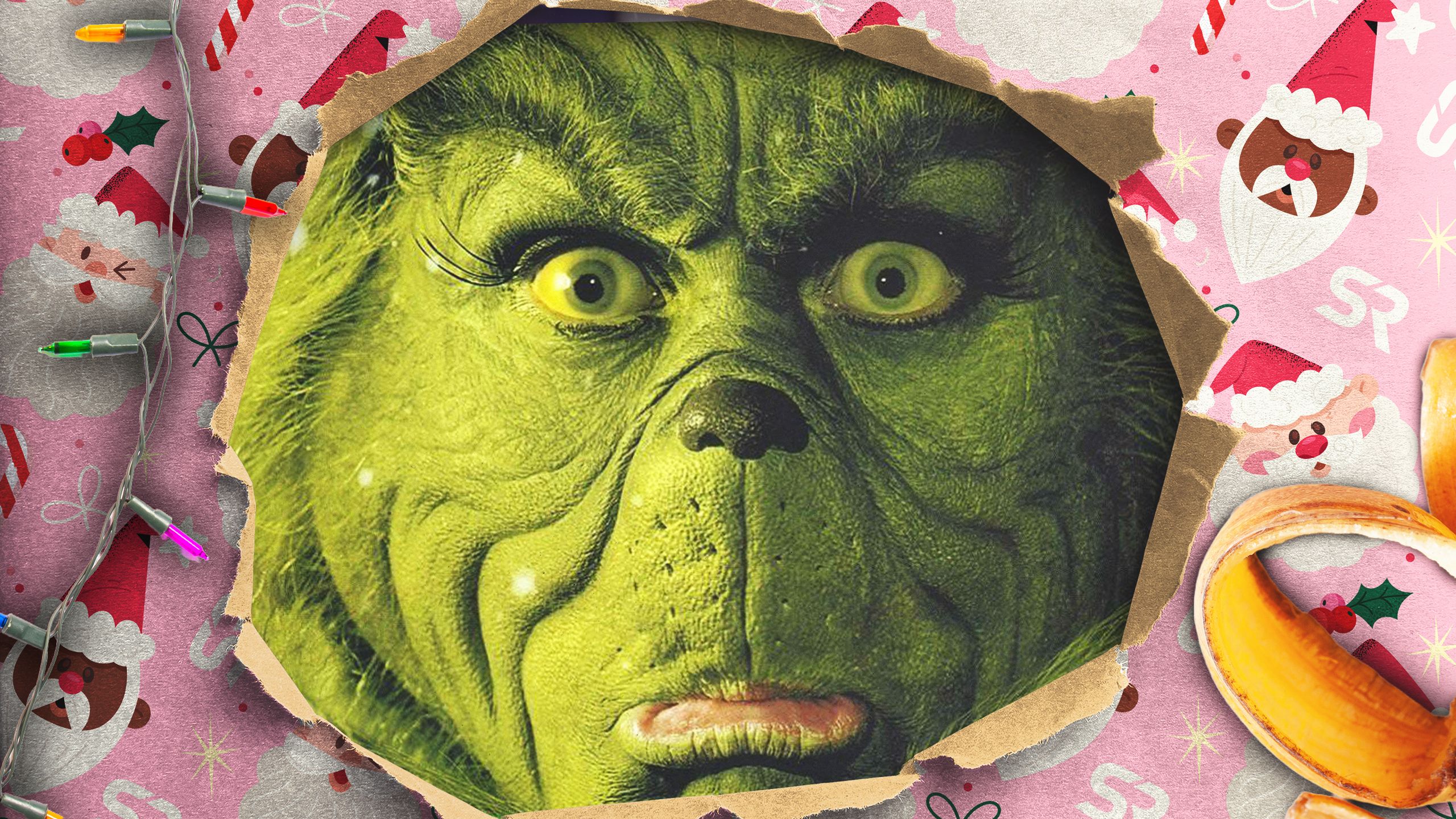
The movie wasn’t well-received when it came out in 2000, and it still doesn’t have a great reputation with critics. Currently, it has a 49% rating on Rotten Tomatoes, which shows how much many critics disliked it. Prominent reviewers like Roger Ebert described it as strange and unsettling, while Stephanie Zacharek found it boring and lacking in style. Manohla Dargis criticized it as loud, chaotic, and lifeless. Considering these reviewers have all won Pulitzer Prizes, their opinions carry weight, and it seems likely this film will be largely forgotten.
I wouldn’t dream of contradicting such respected critics, but those of us who grew up after the movie came out might see things differently – they may have focused on details and missed the bigger picture. It’s been twenty-five years since Ron Howard’s How The Grinch Stole Christmas came out, and the story that’s emerged is that it’s become a classic because of its quirks, not in spite of them. Fans feel the same way about the Grinch himself – the movie is loved for its oddities. It’s more than just a retelling of a favorite children’s book; Howard’s version feels like a playfully strange mix of Dr. Seuss’s style with the influences of Tim Burton, John Waters, and Frank Tashlin.
It’s surprising the movie even worked, and maybe it doesn’t entirely. However, it’s hard to deny how popular The Grinch has remained, especially with its 25th anniversary re-release in theaters on December 11th. Whether people loved it or hated it, the film was a huge financial success, making $347 million on a $123 million budget. But over the years, what’s really stood out is Jim Carrey’s performance as the Grinch; even now, it feels like one of the best comedic performances ever filmed.
Jim Carrey’s Performance and Visionary Art Direction Has Cemented Ron Howard’s Adaptation in the Annals of All-Time Christmas Favorites
It’s not too shocking that this adaptation feels strange and different, considering it was written by Jeffrey Price and Peter S. Seaman – the team behind Who Framed Roger Rabbit. The original Dr. Seuss story doesn’t include the Grinch having a crush on Martha May Whovier (Christine Baranski), nor does it offer any critique of consumerism or capitalism during the holidays. Characters like Mayor August Maywho (Jeffrey Tambor), Clarnella and Rose (Mindy Sterling and Rachel Winfree), who are subtly portrayed as the Grinch’s adoptive mothers, are also new additions. In the book, the only character besides the Grinch is Cindy Lou Who (Taylor Momsen), who is depicted as a tiny, two-year-old child.
Ron Howard’s movie is packed with details and goes above and beyond the source material. While based on a children’s book, the film includes surprisingly mature themes and suggestive content that will likely fly over children’s heads. We see the young Grinch discovered at a clearly adult party, and the mayor’s assistant harbors a not-so-secret crush on his boss. Martha May develops a strong, adult attraction to the Grinch, openly admiring his physique. There’s even a scene where the Grinch literally crashes into Martha May’s chest. This is definitely not the Grinch Dr. Seuss originally created.
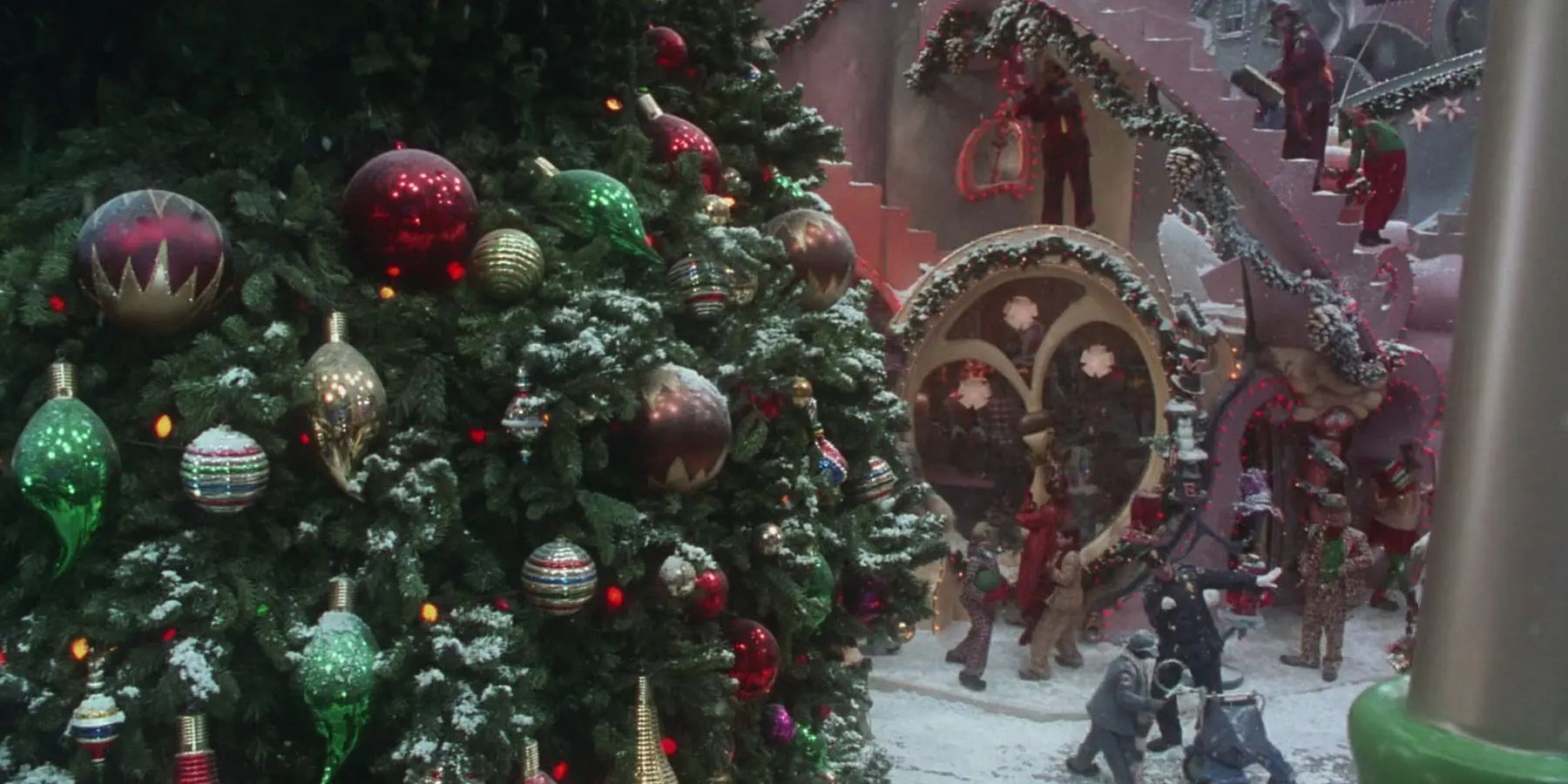
The charming, snow-covered look of Whoville, as designed by Barry E. Jackson, Dan Webster, and Lauren E. Polizzi, often inspires holiday decorations in the real world.
You might not appreciate the subtle adult humor in this family film – and that’s perfectly understandable! However, the movie is visually stunning, incredibly creative, and has had a lasting impact on art and design. The unique look of Whoville, created by Barry E. Jackson, Dan Webster, and Lauren E. Polizzi, continues to inspire real-life holiday decorations. Everything feels delightfully whimsical: the snow resembles powdered sugar, staircases twist and turn like something from an M.C. Escher painting, buildings are charmingly crooked, and bright colors are everywhere. Even the Grinch’s elaborate workshop is full of unexpected surprises. This fantastical world, captured within a single snowflake (an addition not found in the original story), feels like pure childhood imagination brought to life.
You know, what always gets people talking about How The Grinch Stole Christmas is just how… different the characters look. Are they cute and lovable, or a little unsettling? A huge part of that is the amazing makeup work by Rick Baker – the guy’s a legend, he did effects for everything from Star Wars to Men in Black! He managed to make everyone, from the Grinch himself to Cindy Lou’s mom, look both cuddly and strangely off-putting. But it wasn’t just about the look; Baker’s work actually let the actors really shine through all that makeup, and he even won an Oscar for it! The film was also nominated for awards in Art Direction and Costume Design, which just shows how much work went into creating that unique world.
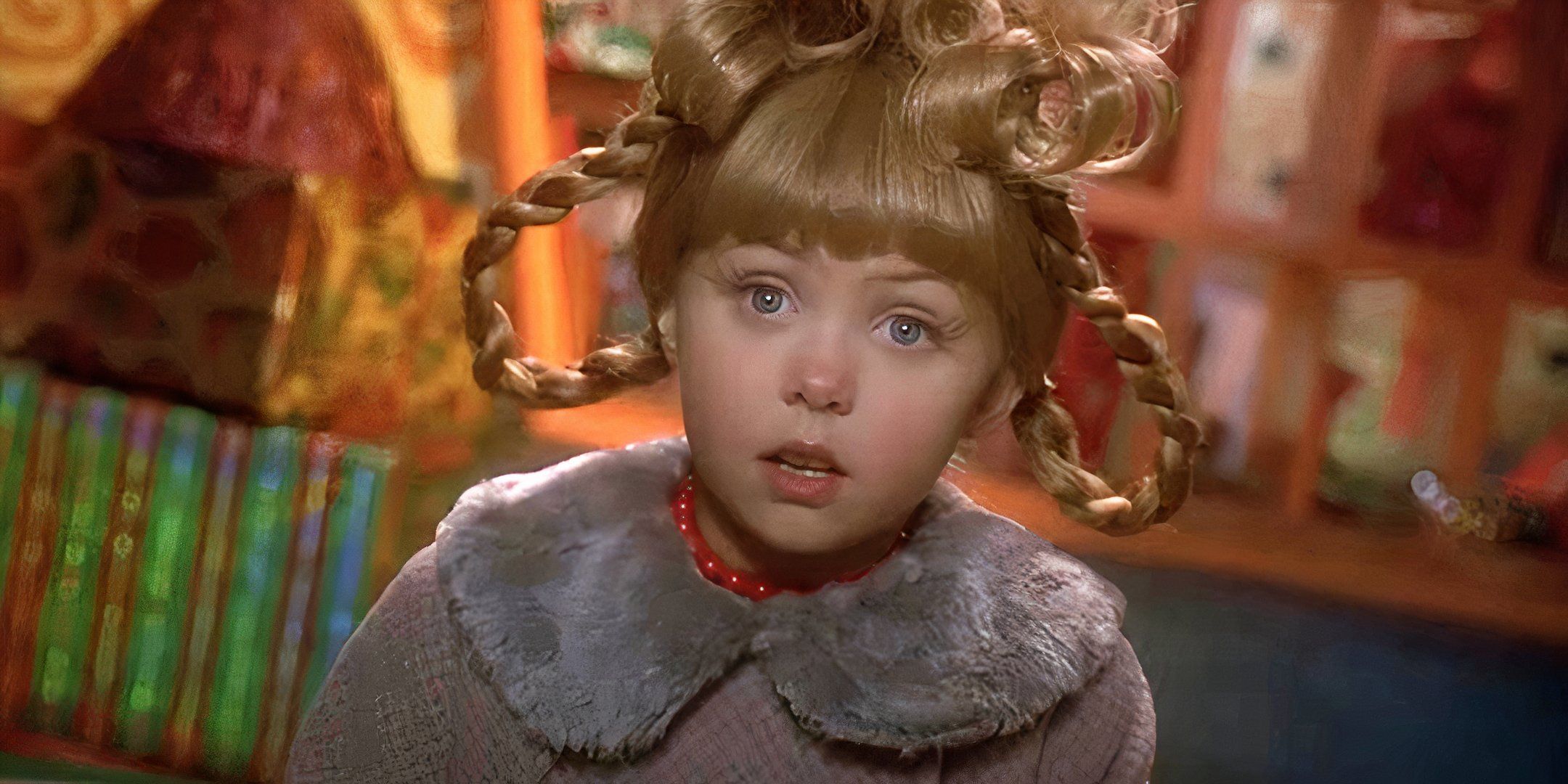
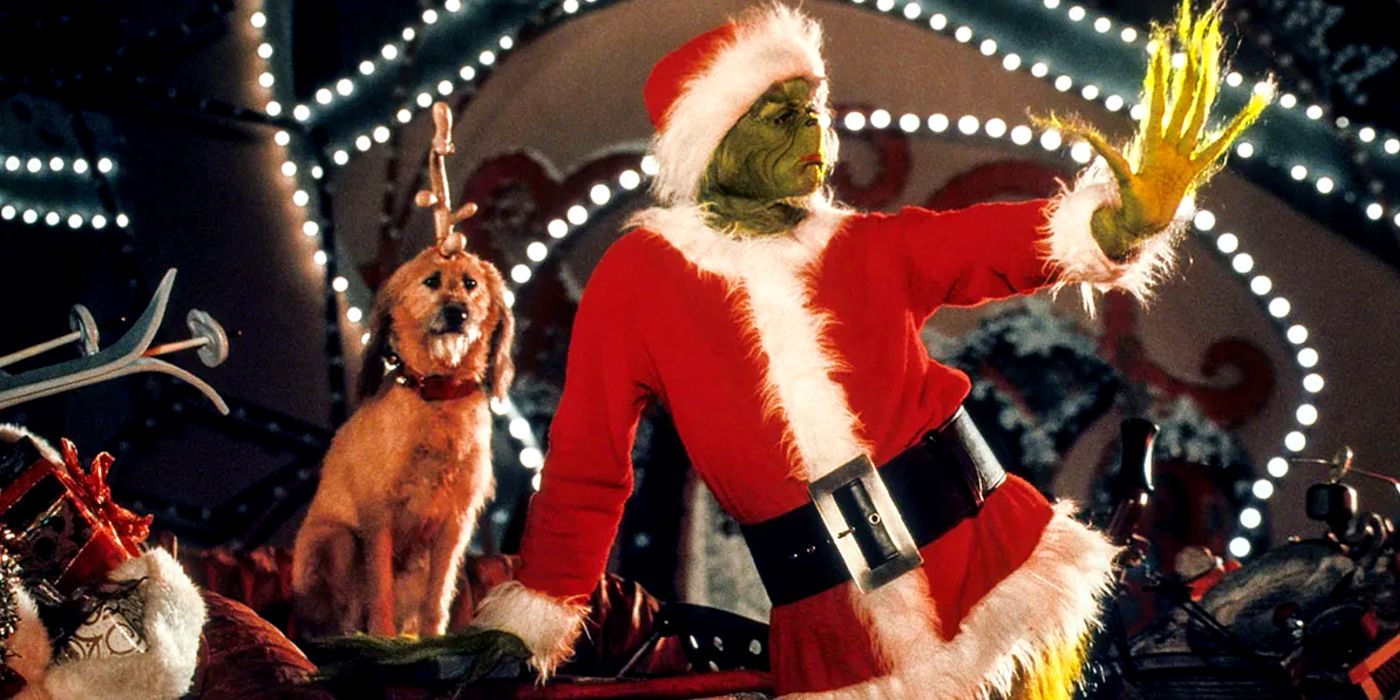


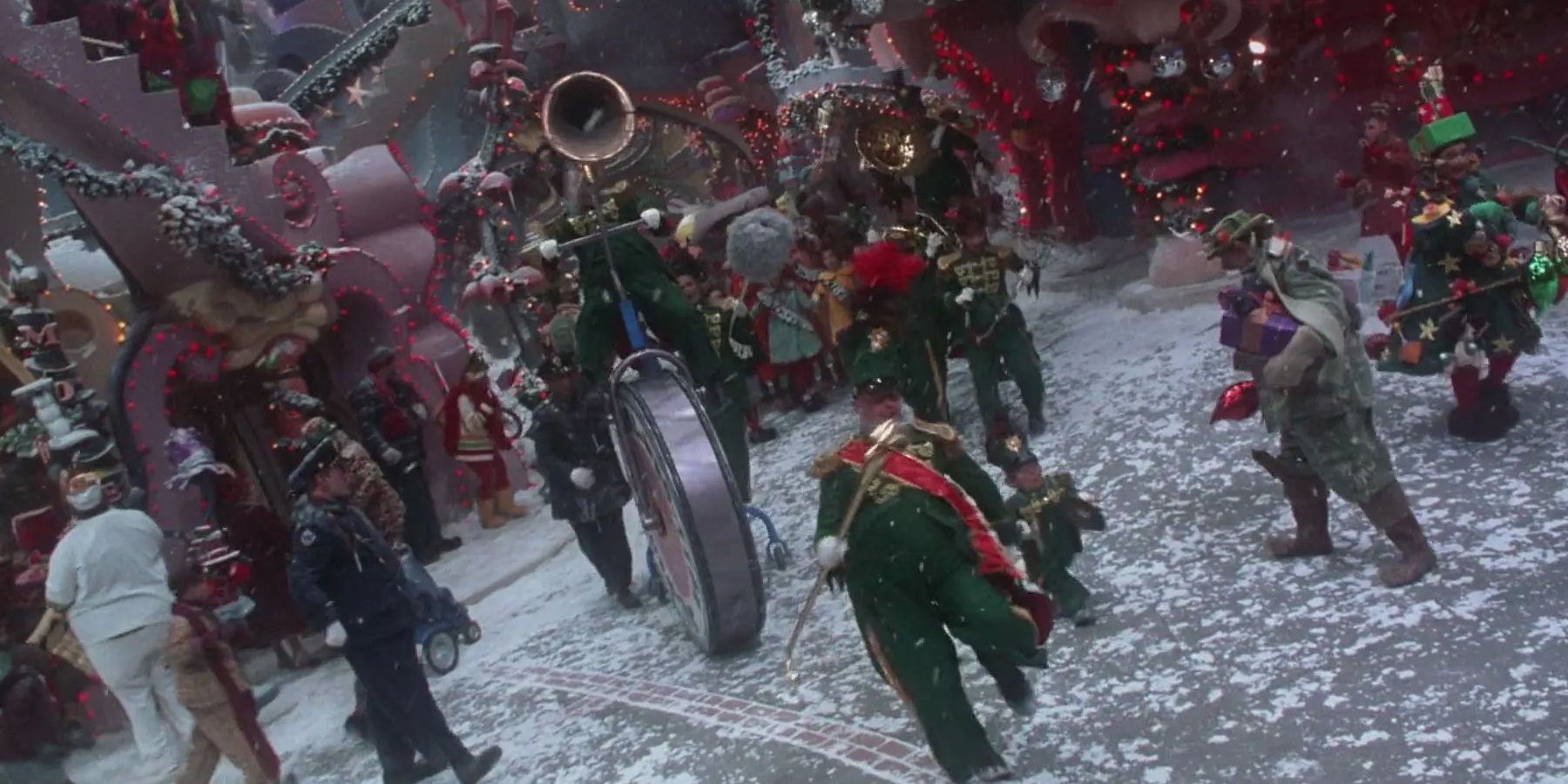

With so much reliance on computer-generated imagery these days, this film’s very real, hands-on approach feels wonderfully refreshing and authentic. That’s largely thanks to the incredible performances, more than the sets themselves. Many modern viewers might not realize that Bill Irwin, who plays Cindy Lou’s father, Lou Lou Who, is a famous clown and choreographer – look up clips of his Tony-nominated show, Largely New York, online! The playful feud between Shannon and Baranski’s characters, competing to have the best decorated house, is a funny exaggeration of typical suburban one-upmanship—it even leads to Betty Lou stealing a stoplight to win, and an off-screen car crash to boot!
One less successful element is the director, Ron Howard, and cinematographer Donald Peterman’s overuse of tilted camera angles during action scenes. This makes the film feel unsteady and disorienting, like it’s taking place on a rocking ship rather than a snowy mountain. It suggests a lack of trust in the audience’s ability to understand what’s happening and diminishes the impact of the fantastic set and character designs – designs that already cleverly show a slightly off-kilter world, as seen in the whimsical town of Whoville.
Thankfully, Jim Carrey delivered a truly deserving Golden Globe-nominated performance. He transformed into the Grinch through a grueling, two-and-a-half-hour daily makeup and costume process – he even compared it to being buried alive, and director Ron Howard brought in a consultant to help him cope with the physical and emotional demands. Carrey fully embodies the character, lumbering around with a hunched back and a visible air of self-loathing. Despite the outlandish appearance, his portrayal is surprisingly human, and some of the Grinch’s quietest moments – like when he tries to silence painful memories with a hammer and sedatives – are particularly poignant.
Cindy Lou understands the Grinch isn’t truly evil – much like the character Elphaba in Wicked, he’s a convenient villain used by a corrupt politician to gain control. While the movie doesn’t focus on this directly, the connection is present. For example, the Mayor openly admits to using public funds to buy a car for his wife, and justifies it by twisting quotes from ‘The Book of Who’ – similar to how dishonest politicians misuse religious texts to excuse questionable actions.
Jim Carrey’s Grinch is intentionally over-the-top and mischievous, but it’s all in good fun – the goal is to make audiences laugh. One of the film’s silliest scenes happens when the Grinch frantically tries to avoid the Whos’ annual celebration by pretending his calendar says something else.
“4:00: Wallow in self-pity
4:30: Stare into the abyss
5:00: Solve world hunger (tell no one)
5:30: Jazzercise
6:30: Dinner with me (I can’t cancel that again!)
7:00: Wrestle with my self-loathing
… I’m booked!”
Jim Carrey’s portrayal of the Grinch is incredibly detailed and complex. He’s depicted with outlandish features – crooked, termite-infested teeth and a diet of garbage – and, of course, he famously steals Christmas. Beyond that, Carrey embodies a lonely, troubled character: he argues with himself, seems to be the last of his kind, was bullied as a child, and lives amongst the town’s trash. His performance is remarkably agile and subtle, drawing inspiration from a surprising mix of characters like Chewbacca, Charlie Chaplin’s Tramp, James Bond, and Boris Karloff.
Even after 25 years, some people still aren’t fans of Ron Howard’s colorful and over-the-top adaptation of the classic Dr. Seuss story. But just like the Grinch himself might say, what one person dislikes, another person loves – or at least finds amusing! Whether you enjoy it or not, How The Grinch Stole Christmas has become a holiday tradition for many families. It might be a bit much at times, but underneath all the spectacle, there’s a surprisingly heartwarming story, even if it doesn’t magically change everyone’s heart.
Read More
- Clash Royale Best Boss Bandit Champion decks
- Mobile Legends January 2026 Leaks: Upcoming new skins, heroes, events and more
- Clash Royale Furnace Evolution best decks guide
- Vampire’s Fall 2 redeem codes and how to use them (June 2025)
- Best Hero Card Decks in Clash Royale
- Mobile Legends: Bang Bang (MLBB) Sora Guide: Best Build, Emblem and Gameplay Tips
- Best Arena 9 Decks in Clast Royale
- Brawl Stars Steampunk Brawl Pass brings Steampunk Stu and Steampunk Gale skins, along with chromas
- Clash Royale Witch Evolution best decks guide
- Brawl Stars December 2025 Brawl Talk: Two New Brawlers, Buffie, Vault, New Skins, Game Modes, and more
2025-12-12 14:00