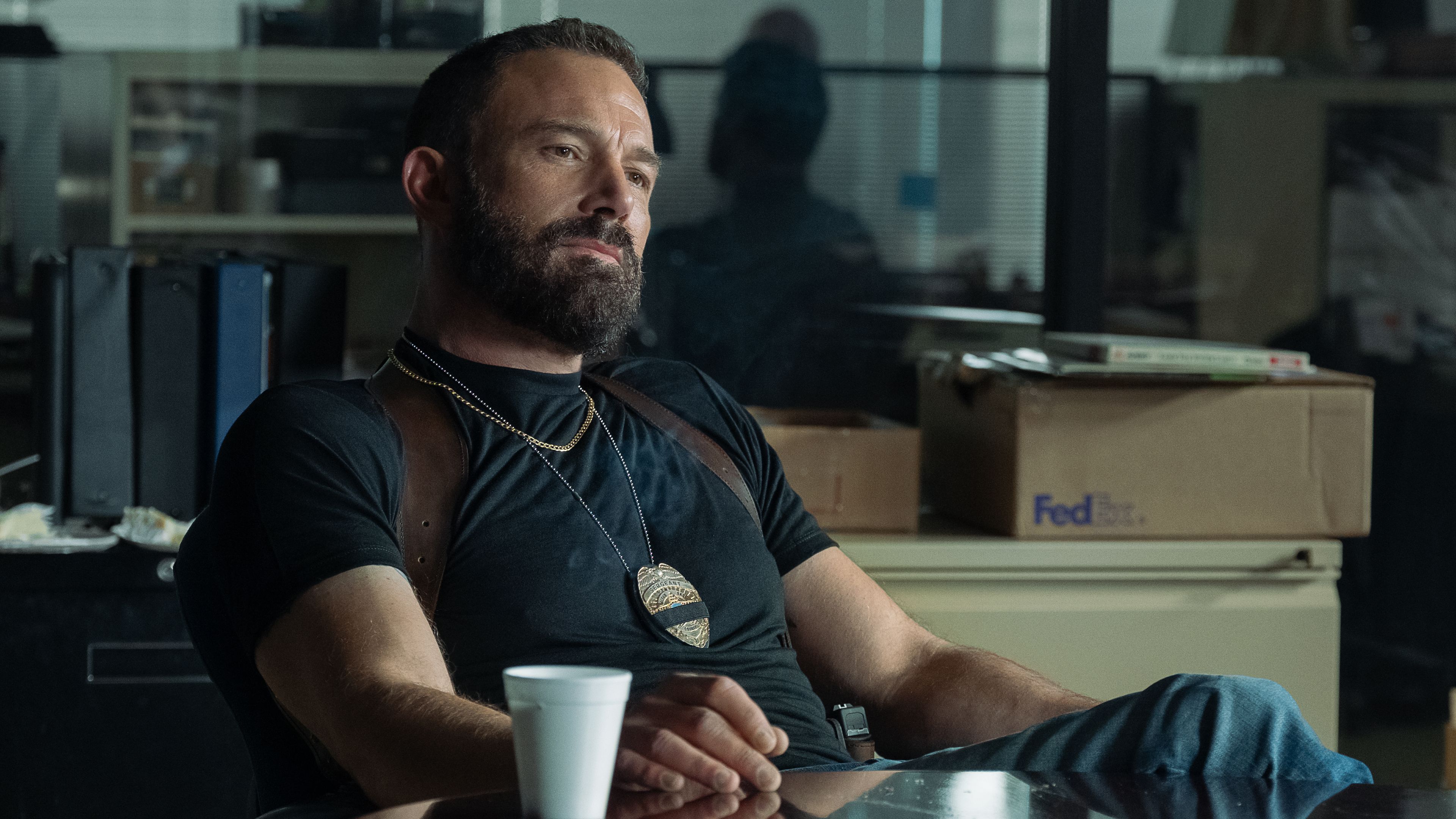
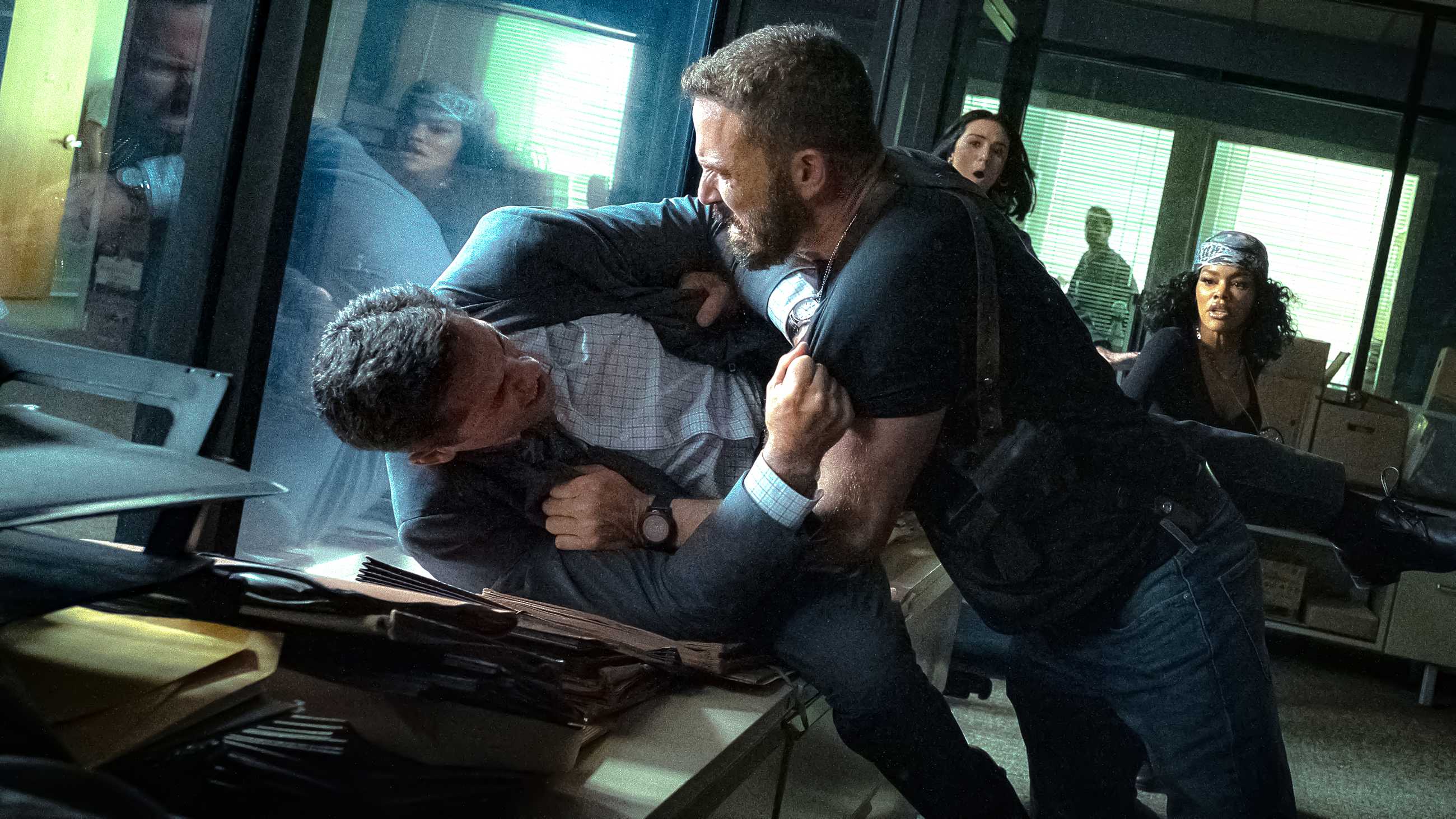
While discussing his new Netflix thriller, The Rip, Matt Damon talked about a frustrating trend he’s noticed in modern screenwriting. He explained on The Joe Rogan Experience that streaming services like Netflix sometimes ask writers to have characters repeat important plot details in conversations. This is done, he says, to help viewers who might be distracted by their phones keep up with the story.
Matt Damon recently voiced concerns that echo what several Netflix writers have said over the past few years. They’ve reported that Netflix seems to favor simple stories and very clear explanations, possibly to appeal to viewers who aren’t fully engaged. While Netflix hasn’t admitted to this, the repeated accounts from writers continue to fuel debate within the entertainment industry.
It’s easy to see why a streaming service like Netflix would consider this. They’re not just competing with other streaming platforms, but with everything vying for people’s attention – like smartphones, tablets, and social media. Regardless of whether these reported rules are accurate, they show how streaming has changed the way movies and TV shows are made, influencing how stories are written to appeal to today’s viewers.
Netflix Shows Have To Compete With Other Screens
Movies And Shows Made For Streaming Are Designed For A Distracted Audience
 Claire Folger/Netflix
It’s understandable why Netflix is doing what Matt Damon and other writers have described. Many people watching Netflix also use their phones at the same time – it’s become common in the age of streaming. Unlike regular TV, Netflix shows are available whenever you want, so people often watch while doing other things.
The way we watch TV is changing how we enjoy shows. Movies are meant to be seen in a dark theater with a focused audience. Traditional TV relies on viewers tuning in at a specific time. But with Netflix, people often watch shows more casually – while they’re multitasking, like checking social media or responding to texts.
For these reasons, it’s crucial to be clear and straightforward. A complicated story can easily get lost if the viewer briefly loses focus. This naturally encourages writers to prioritize making key details simple and understandable, even for viewers who aren’t completely paying attention.
This explains why the plot is sometimes repeated. If viewers get lost or miss something important, a later conversation can fill them in. This makes the story easier to follow and helps people stay engaged, even if they aren’t paying close attention the whole time.
This trend also affects how stories unfold on screen. Scenes are built so you can easily follow the plot without having to carefully watch every detail. Many Netflix shows are designed to keep you watching for extended periods, even if you’re not fully concentrating.
We’ve become used to watching shows in a distracted way, and this is changing how movies and TV series are made, especially for those designed for streaming. Because many people now watch with phones or other devices nearby – known as ‘second-screen viewing’ – storytelling is evolving. Things that used to be considered weaknesses, like being overly clear or repeating information, are now seen as intentional choices to keep viewers engaged.
Reiterating The Plot Is Now A Valuable Tool To Hold Viewers’ Attention
Clear Exposition Helps Maintain Engagement In A Multitasking Environment
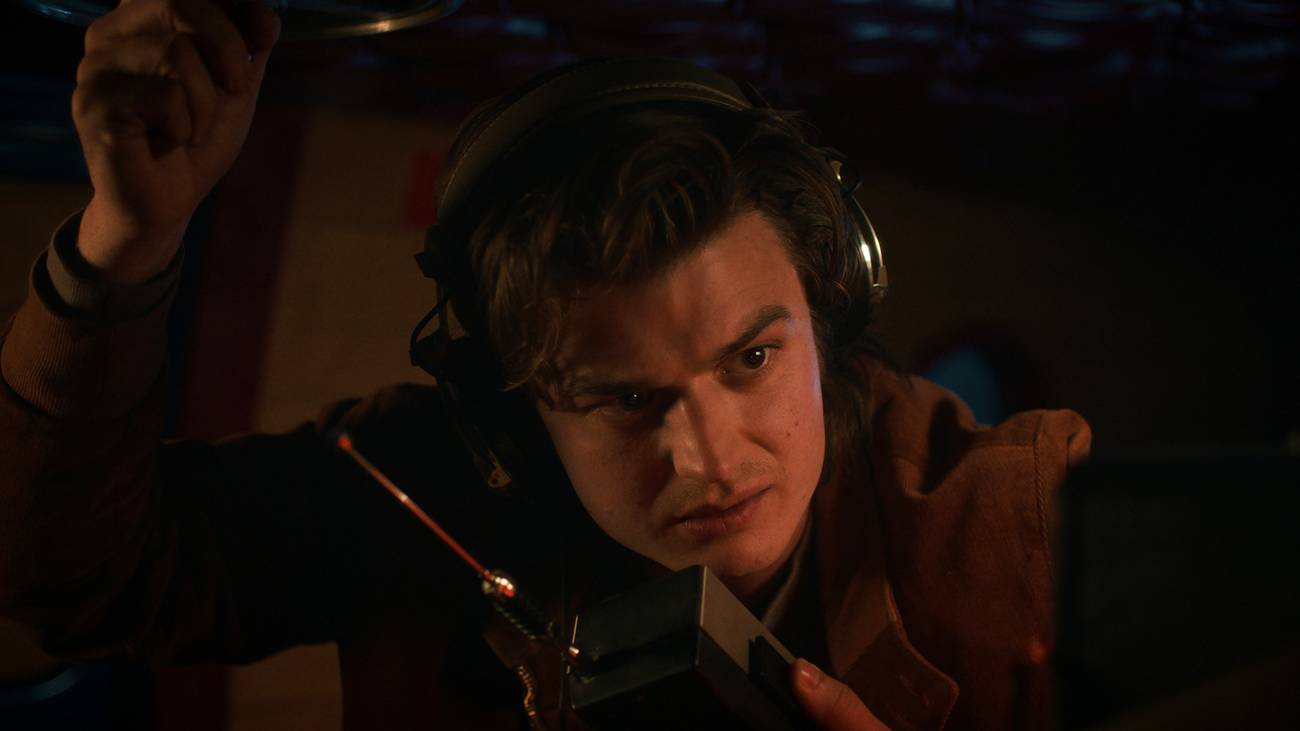
While some might not like it, repeating key plot points in conversations can actually be a smart way to help viewers follow along. It’s easy to miss things when there are distractions, so going over details again makes sure everyone stays on the same page.
This isn’t a new storytelling trick. It’s been used for years, but streaming services have made it more noticeable. When you watch a series, especially by binge-watching, reminders of what happened earlier help you follow the story. This prevents confusion and keeps things flowing smoothly.
Stories that rely heavily on this approach frequently use dialogue to clearly state what characters are thinking and why things are happening. This makes it easier for viewers to follow along, even if they aren’t fully focused. It’s a way of adapting to how people watch content today, prioritizing clarity over artistic complexity.
I think relying on constantly explaining everything in a story can actually hurt it. If we overdo it, things start to feel really predictable and lose their nuance. Honestly, when the plot is always spelled out, it takes away the power of showing things visually and letting the audience figure things out for themselves, and that really diminishes the emotional impact.
Okay, let’s be real – sometimes a show repeating key information feels a little obvious. But honestly, I’m starting to see the method in it. In today’s world, with everyone flipping between phones and screens, it’s actually a smart move. It keeps you from getting lost and makes sure the main story stays clear, especially for viewers who might have missed something. It’s like a little safety net, and I appreciate that it doesn’t assume everyone is glued to the screen every second.
Netflix’s Best Movies & Shows Are The Ones That Trust The Audience
Complex Netflix Originals Prove That Viewers Will Pay Attention
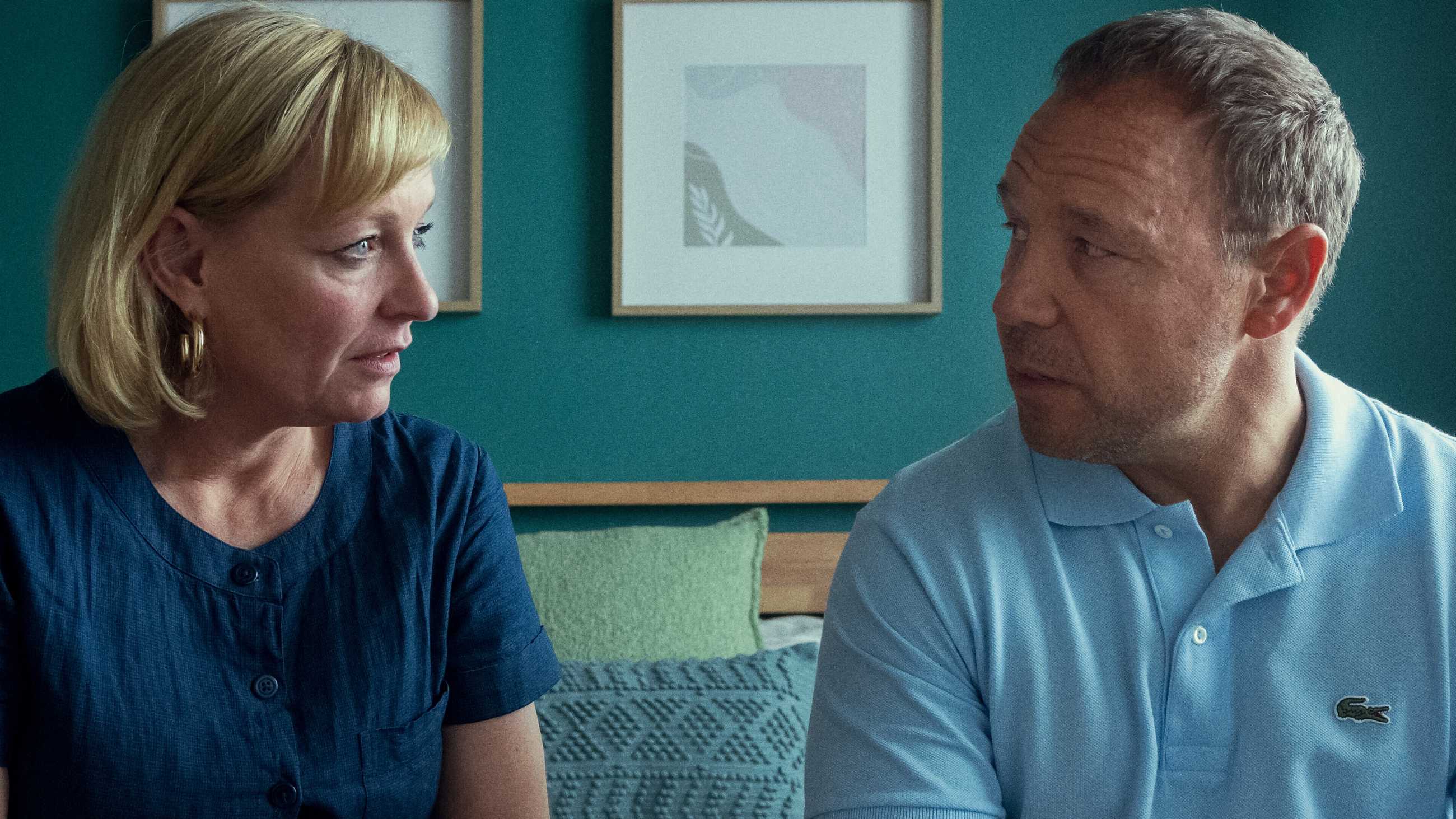
Despite claims that Netflix dumbs down dialogue to keep people watching, many of its best original shows actually require close attention. Series like Dark, The Queen’s Gambit, Baby Reindeer, and Mindhunter feature complex stories, nuanced acting, and rich visuals, rather than constantly repeating information or over-explaining things.
Shows like Dark and The Queen’s Gambit don’t over-explain things to the audience. They trust viewers to follow complex storylines and understand characters’ feelings without constant explanation. Original Netflix films such as The Platform and All Quiet on the Western Front also use this subtle, engaging storytelling style.
I’ve noticed something really cool about the best Netflix originals – both the movies and the shows. They don’t tell you everything; instead, they build the story through the overall mood and what’s actually happening on screen. It’s a much more engaging way to watch, and honestly, it makes me feel way more connected to the characters and the story itself.
These successful projects prove that people will invest their time in shows and movies if the story is truly engaging. They also show that Netflix doesn’t need to use simple or repetitive plots to attract viewers. The popularity of these projects disproves the notion that audiences only want stories that are easy to follow or require constant explanation through dialogue.
As a big movie and TV fan, I’ve noticed the shows that really grab me are the ones that make me feel involved, like I’m figuring things out along with the characters. It’s proof that you don’t need endless rehashes of the same old ideas to make something great, even on a platform like Netflix. Sometimes, originality is all it takes!
Streaming Has Forever Changed How Stories Are Told
Netflix’s Approach Reflects A Broader Shift In Screenwriting
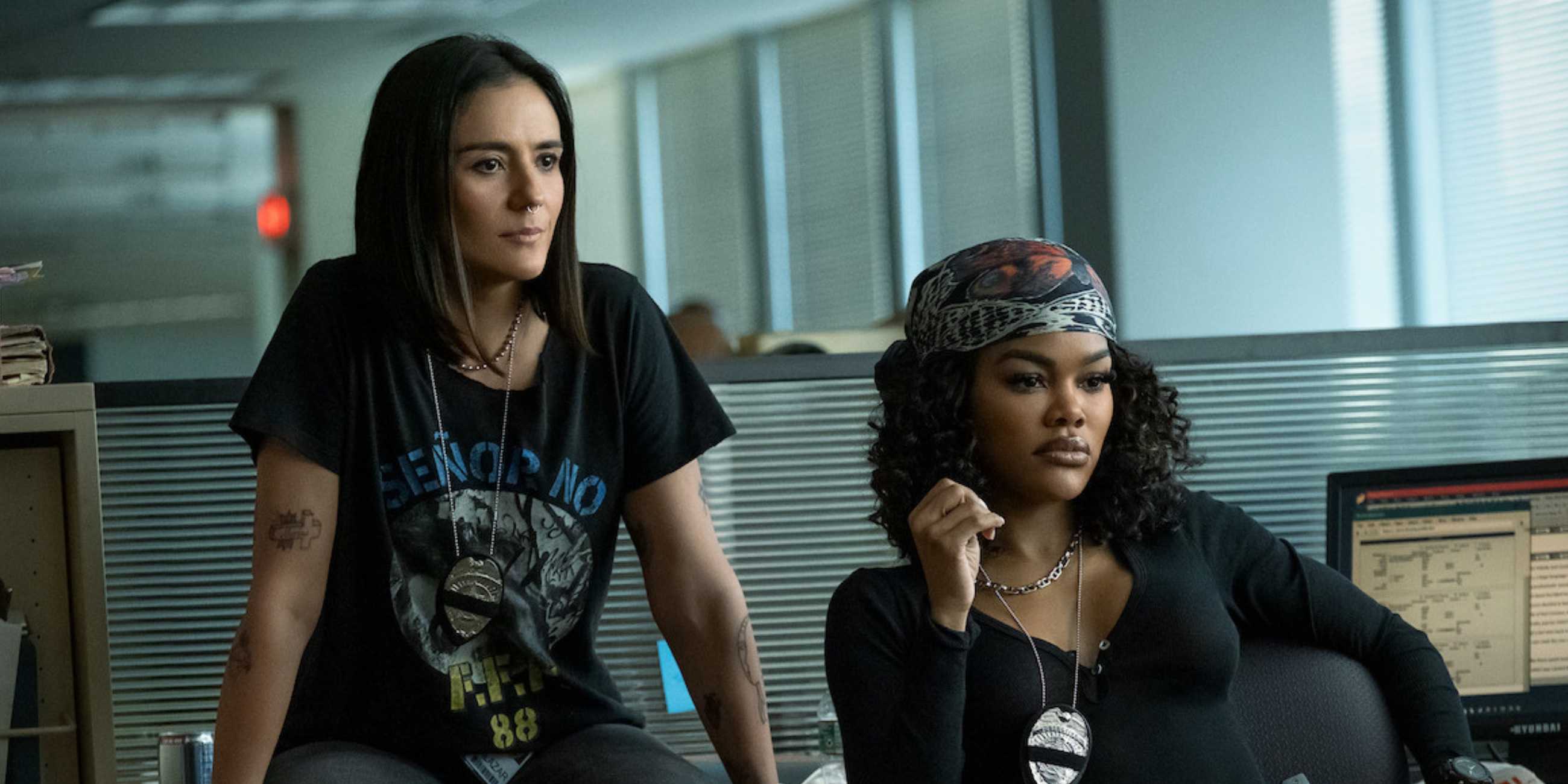
Matt Damon recently shared that Netflix often asks for changes to the scripts of its shows and movies, and this isn’t a surprising claim. It reflects a larger trend happening across the entertainment industry, as streaming services have fundamentally changed how television and films are made.
Writers today aren’t just creating stories for specific TV times or movie releases. They’re crafting narratives designed for continuous viewing, like binge-watching. Many shows, especially on platforms like Netflix, are written to keep you watching episode after episode. They use techniques like cliffhangers, straightforward explanations, and dialogue that recaps previous events to build excitement and keep the story moving forward over multiple seasons.
The way we watch TV has changed how characters grow and change. Now that people often binge-watch shows, storylines tend to unfold over whole seasons. This leads to more connected, ongoing narratives, but it also means shows need to be easy to follow so viewers don’t get lost in complicated plots.
 laire Folger/Netflix
Without traditional ad breaks, shows on Netflix have a different rhythm than those on regular TV. Standard TV shows are built around commercial breaks, but Netflix originals unfold more like long movies. This gives creators more flexibility, but it also means writers need to find new ways to keep the story moving and deliver information to viewers.
Netflix’s tendency to reuse familiar storylines is a sign of a larger change in how stories are told. Today, with people having shorter attention spans and often doing other things while watching, writers need to create content that’s both meaningful and easy to follow – a challenge that didn’t exist as much before streaming became popular.
Netflix and similar streaming services have fundamentally changed what audiences expect from stories. The most popular shows and movies either fit into this new way of storytelling or actively go against it, proving that streaming is still changing how stories are made and enjoyed.
Read More
- Clash Royale Best Boss Bandit Champion decks
- Vampire’s Fall 2 redeem codes and how to use them (June 2025)
- World Eternal Online promo codes and how to use them (September 2025)
- Best Arena 9 Decks in Clast Royale
- Country star who vanished from the spotlight 25 years ago resurfaces with viral Jessie James Decker duet
- M7 Pass Event Guide: All you need to know
- Mobile Legends January 2026 Leaks: Upcoming new skins, heroes, events and more
- Solo Leveling Season 3 release date and details: “It may continue or it may not. Personally, I really hope that it does.”
- Kingdoms of Desire turns the Three Kingdoms era into an idle RPG power fantasy, now globally available
- JJK’s Worst Character Already Created 2026’s Most Viral Anime Moment, & McDonald’s Is Cashing In
2026-01-18 19:43