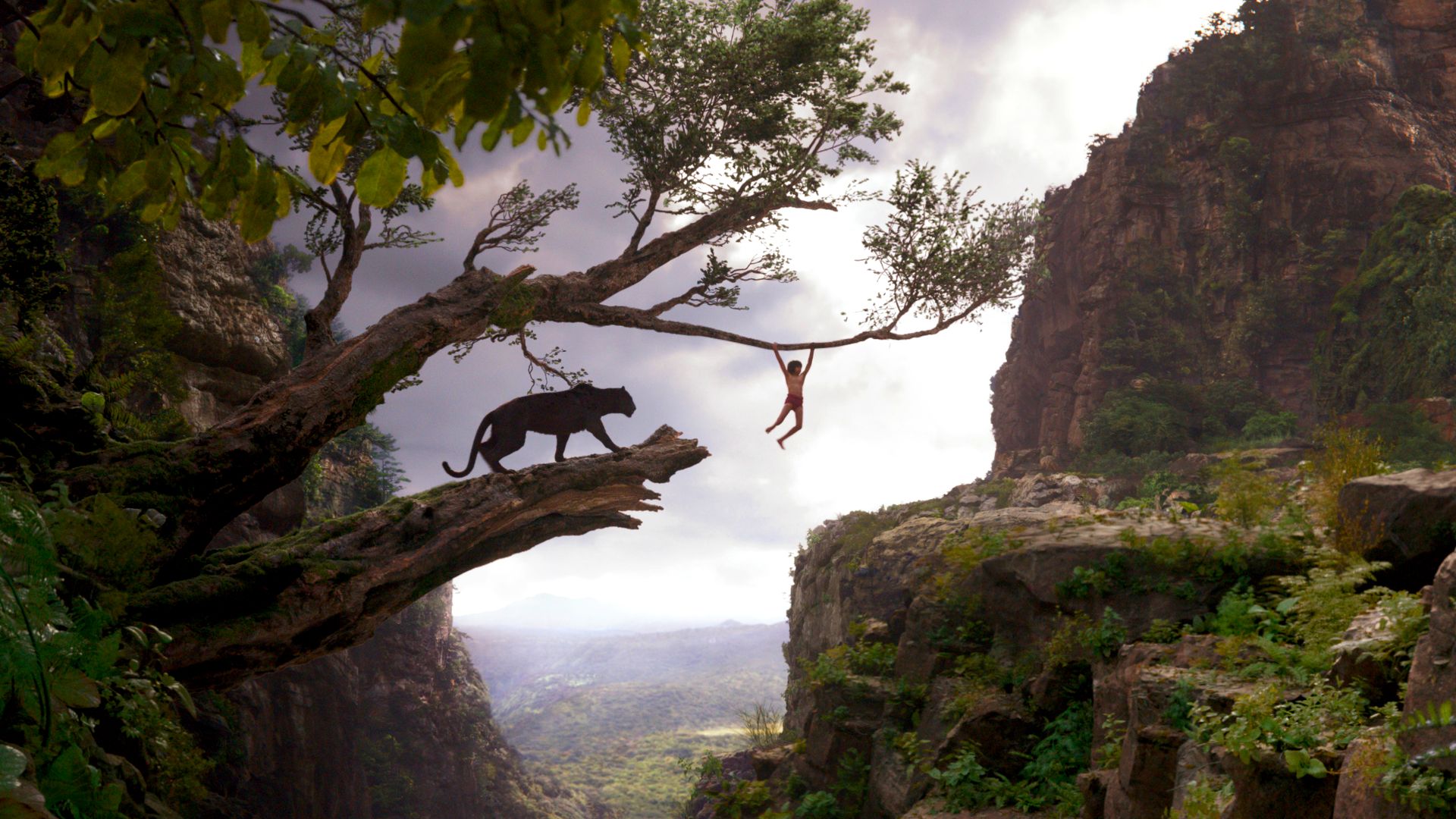
Many people think Disney started making live-action versions of its animated films in 2010, but actually, they did one as early as 1994 with The Jungle Book. Since then, and especially after Tim Burton’s Alice in Wonderland in 2010 and Maleficent in 2014, Disney has consistently released these live-action remakes.
Disney’s live-action remakes are often associated with the 2000s, but they actually started earlier than many people think. The first official live-action version of a classic Disney animated film was The Jungle Book in 1994. Despite this, it’s often left off lists of Disney’s live-action remakes.
The 1994 version of The Jungle Book is quite different from the Disney versions most people remember, including the 2016 live-action film. When Disney made the original animated movie, they didn’t have the same techniques or technology they use now for adaptations.
Disney Made a Live-Action Remake of The Jungle Book in 1994

As a huge Disney fan, I always loved the ’90s Jungle Book! It’s interesting to learn it wasn’t always a sure thing. Apparently, it started as a project outside of Disney, but Jeffrey Katzenberg saw a chance to build on something already popular. Disney then picked it up, though some at the Los Angeles Times back in ’94 thought it was a risky move to remake a classic. Looking back now, it’s clear Katzenberg’s instincts were right – it was a fantastic decision and the movie became a hit all over again!
Disney released its live-action version of The Jungle Book on Christmas Day in 1994, marking the 100th anniversary of Rudyard Kipling’s original story, published in 1894. This version was quite different from the animated film, unlike many of Disney’s recent live-action remakes which closely follow the plots of their animated counterparts.
Stephen Sommers, known for The Mummy, directed this version of The Jungle Book, which focused on Mowgli as a grown man. The film showed his interactions with the jungle animals and his romance with a woman named Kitty, played by Lena Headey. Unlike previous adaptations, Sommers’ Jungle Book was a live-action adventure film geared towards a broader audience rather than just children.
Jason Scott Lee, a martial artist, performed impressive and daring stunts as Mowgli in the movie. He later appeared in popular Disney remakes like Mulan and Lilo & Stitch. While Lee’s action sequences were remarkable – including swinging from trees and jumping into wells – the film’s most exciting action actually came from the trained animals featured in it.
The 1994 Jungle Book Used Real Animals and No Special Effects

The 1994 film The Jungle Book is remarkable because it avoided extensive computer-generated imagery, unlike later live-action versions, such as the 2016 Jungle Book. Back then, CGI was still new, and the first fully computer-animated movie hadn’t even been released yet. This meant the filmmakers had to create everything – the stunts, the jungle sets, and even the animals – using real, practical effects.
According to a crew member featured in The Making of Rudyard Kipling’s The Jungle Book, a truly authentic jungle film requires actual animals performing incredible feats. This behind-the-scenes documentary highlights both the rewards and challenges of working with real wildlife. While the animals’ unpredictable behavior added excitement to the scenes, it also presented certain dangers.
The most important thing was keeping both the performers and animals safe. The American Humane Society checked the script and removed any scenes that were too risky or couldn’t be done safely.
Every scene that could be filmed safely was carefully planned and executed. The team working on the 2016 version of The Jungle Book primarily focused on creating visual effects, while the 1994 film relied more on skilled animal trainers and handlers. The actor who played Mowgli, Lee, spent a lot of time getting to know the animals, which was essential for building the trust needed to tell the story.
The original Jungle Book felt real and authentic because it didn’t rely heavily on special effects. However, advances in technology have allowed Disney’s recent remakes to push creative boundaries. The 2016 version of The Jungle Book especially used motion capture to create incredibly lifelike animals based on Rudyard Kipling’s stories.
The computer-generated animals in these films convincingly showed the same personalities as their animated versions. These technologies also allow for incredible action sequences and scenes that wouldn’t be possible with real animals. While it looks different from modern movies, the 1994 version of The Jungle Book was Disney’s first live-action remake.
Read More
- Invincible Season 4 Episode 4 Release Date, Time, Where to Watch
- Physics Proved by AI: A New Era for Automated Reasoning
- How Martin Clunes has been supported by TV power player wife Philippa Braithwaite and their anti-nepo baby daughter after escaping a ‘rotten marriage’
- CookieRun: OvenSmash coupon codes and how to use them (March 2026)
- American Idol vet Caleb Flynn in solitary confinement after being charged for allegedly murdering wife
- Goddess of Victory: NIKKE 2×2 LOVE Mini Game: How to Play, Rewards, and other details
- Total Football free codes and how to redeem them (March 2026)
- Only One Straw Hat Hasn’t Been Introduced In Netflix’s Live-Action One Piece
- Olivia Colman’s highest-rated drama hailed as “exceptional” is a must-see on TV tonight
- Gold Rate Forecast
2026-03-26 23:09