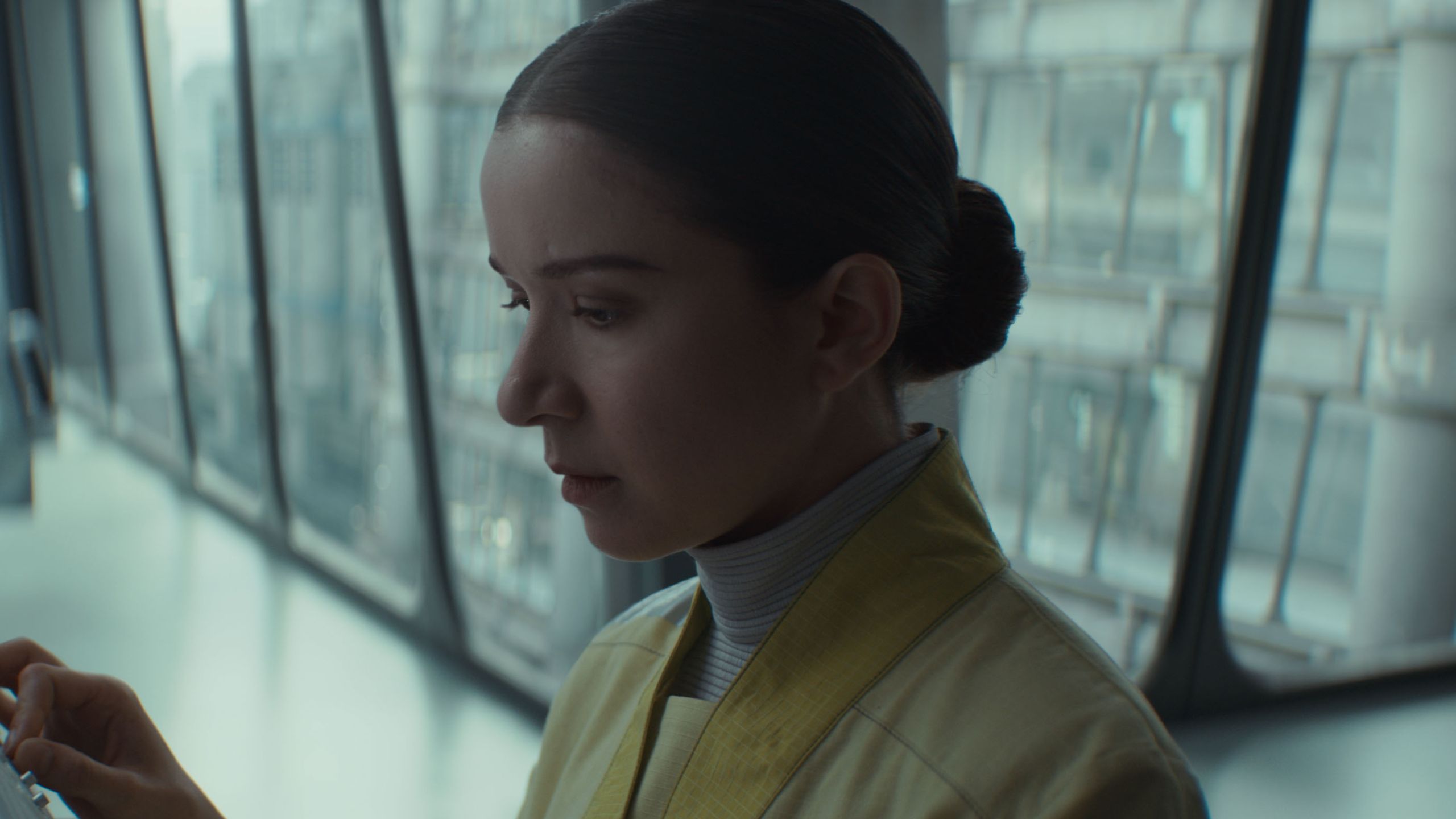
It’s hard to overstate the impact of Star Wars on popular culture. Since its debut in 1977, it’s revolutionized blockbuster filmmaking, visual effects, and the way we talk about science fiction. While many sequels and spin-offs followed, the original trilogy remained the most culturally significant. For a long time, new Star Wars projects felt large in scale but didn’t feel truly vital. That all changed with the arrival of Andor, which subtly shifted the landscape.
Set before the events of Rogue One: A Star Wars Story, Andor tells the story of Cassian Andor (Diego Luna), starting as a petty thief and showing his journey to becoming a dedicated rebel. Over two seasons, the Disney+ series explores how the Rebellion began, focusing on the contributions of spies, politicians, prisoners, and ordinary people struggling under the Empire. The show emphasizes the harsh realities and motivations of those involved, rather than focusing on fate or legendary heroes.
The first two seasons of Andor aren’t just among the best Star Wars shows ever made—they’re simply outstanding television. Though the story finished in 2025, the show has already earned a lasting reputation. It’s a high-quality science fiction series that people will be talking about and rewatching for years to come.
Andor Is Already A Modern Sci-Fi Classic
A Grounded Political Thriller That Works Even Without The Star Wars Name
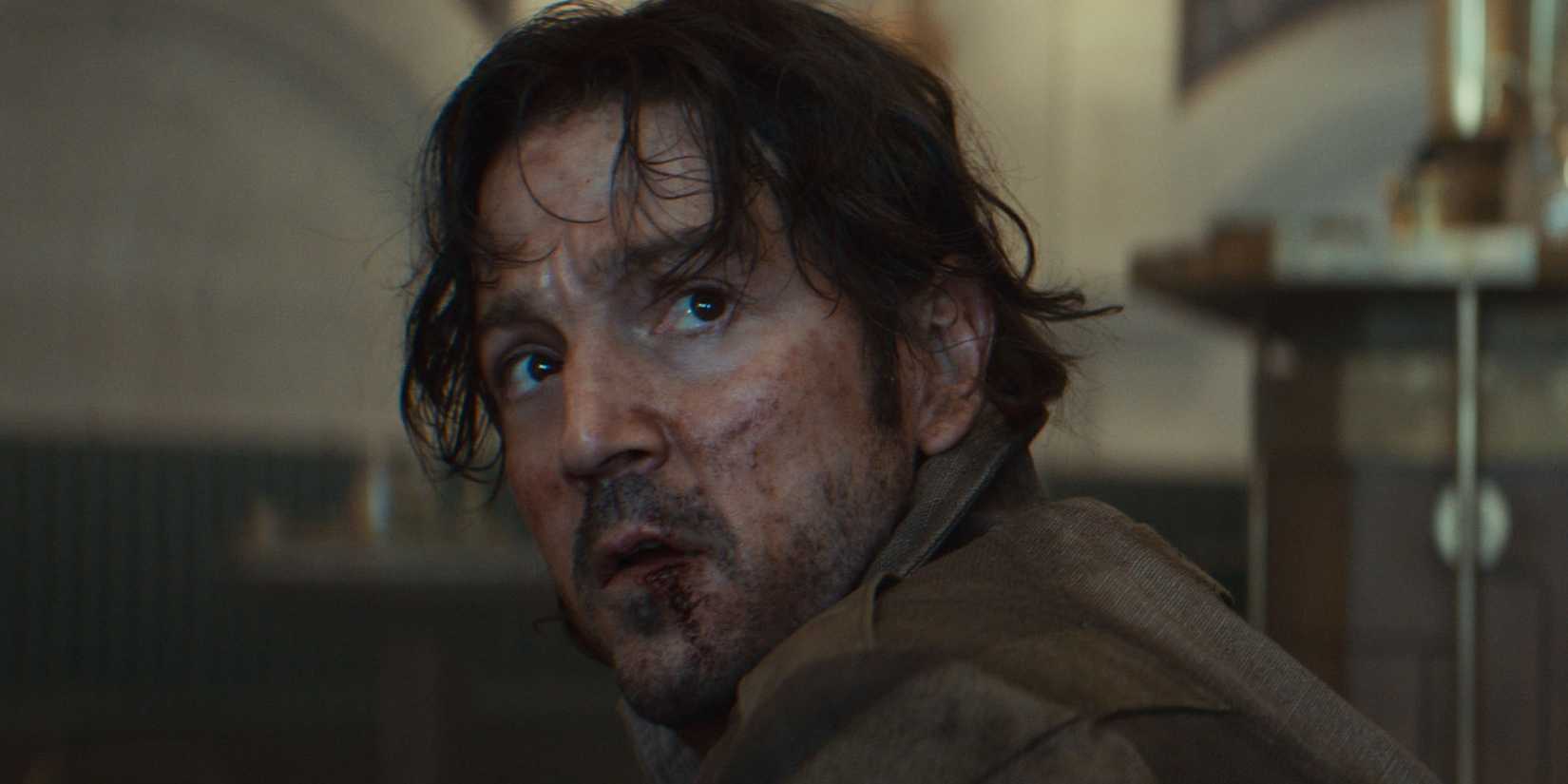
Even without the lightsabers and recognizable branding, Andor remains excellent science fiction. The show’s writing, rhythm, and detailed world feel so authentic that it could succeed as a completely new series, even with just the Star Wars label. This proves it’s already become one of the great science fiction shows for television.
Tony Gilroy, the creator, portrays the world of Star Wars as a believable society, focusing on how it actually works rather than just filling it with references for fans. We see the mundane details – reports being filed, security teams analyzing information, and even rebels struggling with finances – and these everyday elements create tension. The Empire isn’t scary because of its powerful weapons, but because of its overwhelming bureaucracy and constant surveillance.
Cassian Andor isn’t a hero with special powers or a destined warrior; he’s just a regular person. He’s not chosen for greatness, but is instead driven by weariness, desperation, and frustration. His journey towards rebellion feels authentic because it’s built on personal loss and unfair treatment. This realistic approach makes even the most dramatic scenes – like chases and escapes – feel believable and impactful.
The scenes involving the Imperial Security Bureau in Andor feel like a gripping corporate thriller. Watching Dedra Meero (Denise Gough) work her way up the ranks with ruthless efficiency creates a tense atmosphere similar to a spy drama. Unlike typical Star Wars villains, the evil in Andor isn’t shown through powerful displays of force, but rather through a cold and calculating bureaucracy.
It’s rare to find a show, even beyond sci-fi, that so skillfully combines insightful political themes, deep character development, and compelling storytelling. Andor demonstrates that science fiction can be both personal and grand in scope, and that exceptional quality can transform even well-known settings into something truly enduring.
Why Andor Feels So Different From Other Star Wars
A Mature Tone And Slow-Burn Storytelling Set It Apart From The Saga

Though Andor is a Star Wars series, it’s quite different from the typical Star Wars films most people know. It’s more serious and subdued, with very few jokes. When action does happen, it feels important and meaningful. The show focuses on conversations and their impact, rather than constantly moving onto the next exciting scene.
Similar to the film Rogue One: A Star Wars Story, which Andor directly builds upon, the show portrays rebellion as a difficult and ethically gray struggle. The character Luthen Rael (Stellan Skarsgård) isn’t a traditional heroic guide; he’s a spy who’s willing to make tough sacrifices for what he believes in. His speech in the episode “One Way Out” about dedicating everything to a future he won’t experience presents heroism as a heavy responsibility, not a source of triumph.
Unlike many Star Wars stories, Andor doesn’t rely much on familiar elements like lightsabers, Jedi, or the Force. Instead, the show explores themes of oppression, constant monitoring, and the fight between different social classes. The settings feel authentic – Ferrix is portrayed as a gritty industrial town with hardworking people, and Coruscant feels like a cold, calculating political center. This approach gives the galaxy a much more detailed and believable feel.
Unlike other Star Wars stories that rely on familiar themes or grand visuals, Andor stands out by forging its own path. It doesn’t feel like an addition to the existing universe, but rather a mature science fiction story that happens to be set within the world of Star Wars—it prioritizes strong storytelling over simply delivering fan service.
What Star Wars Fans Think Of Andor
Widely Praised But Divisive For Those Expecting Traditional Space Fantasy

The show Andor has been widely praised for its strong writing and bold vision, even among dedicated Star Wars fans. Many consider it to be one of the best installments in the entire franchise, alongside the original movies and Rogue One. For some viewers, it proved that Star Wars could still offer something new and exciting.
The show was quickly praised by critics. Many highlighted the powerful performances of Diego Luna and Stellan Skarsgård, noting they brought a new level of depth to the series. Episodes like “Welcome To The Rebellion” immediately became popular with viewers, who appreciated their emotional impact and clear themes.
While many fans loved it, some in the Star Wars community didn’t quite connect with the show. Their issue wasn’t that it was poorly made, but that it was different from what they expected. Some viewers prefer Star Wars stories with quick action, clear heroes, and straightforward adventures. Andor, however, takes a slower approach, explores morally complex characters, and focuses on complicated political issues.
If you’re hoping for fast-paced lightsaber battles and magical Force powers, Andor might not immediately grab you. It’s a show that requires viewers to be patient and really pay attention, rather than offering instant excitement. This difference in approach means it doesn’t always deliver what some Star Wars fans expect.
Even those critical of the show generally agree that Andor is a well-made, high-quality series. The issue isn’t the production value, but rather whether it feels like a traditional Star Wars story. This disagreement actually demonstrates how daring the show is. Andor doesn’t try to please everyone, and instead wholeheartedly pursues its own unique vision, which is precisely what many fans find so remarkable.
Andor Will Never Get Old
Character-Driven Storytelling Ensures It Remains Timeless And Rewatchable

A series doesn’t stay popular over time because of special effects or a big budget. It lasts because the story’s emotional heart connects with the audience. Andor seems to understand this perfectly, focusing on relatable human fears and wants instead of just flashy action.
The show doesn’t depend on surprise appearances or hidden references. While there are subtle connections to other stories in the Star Wars galaxy, they don’t overshadow the plot. The story moves forward because of what the characters want – not because viewers recognize things from elsewhere. Cassian is fighting for freedom, Mon Mothma for progress, and Luthen for victory, no matter the price. These are goals anyone can understand.
Unlike many shows that rely on current trends, Andor feels timeless. Its sets and costumes feel real and functional, and the conversations are thoughtful and realistic. It avoids quick jokes or attention-grabbing tricks that could feel old-fashioned later on, and instead feels carefully considered and purposeful.
The political themes in Andor feel relevant even today. While the show is set within the Star Wars universe of the Empire and Rebellion, it portrays them in a way that could represent any oppressive government and the people fighting against it. Stories about abuse of power, the influence of large corporations, and ordinary people rising up will always be powerful and relatable. You don’t need to be a Star Wars expert to understand the core issues at play.
The show Andor is remarkably self-contained. Even without any connection to the larger Star Wars universe, it stands on its own as a compelling story of resistance and the costs of fighting for what you believe in. This level of independence is unusual for a Star Wars production. It’s likely that Andor will remain as impactful years from now as it is today—a tense, emotionally resonant, and well-written series. Very few science fiction shows currently being made can promise that kind of lasting quality, but Andor already delivers.
Read More
- Annulus redeem codes and how to use them (April 2026)
- Gear Defenders redeem codes and how to use them (April 2026)
- Kagurabachi Chapter 118 Release Date, Time & Where to Read Manga
- Last Furry: Survival redeem codes and how to use them (April 2026)
- Silver Rate Forecast
- Gold Rate Forecast
- The Division Resurgence Best Weapon Guide: Tier List, Gear Breakdown, and Farming Guide
- Total Football free codes and how to redeem them (March 2026)
- All Mobile Games (Android and iOS) releasing in April 2026
- Rolling Stones drop new song under a different name – Hearing it isn’t easy
2026-02-10 02:05