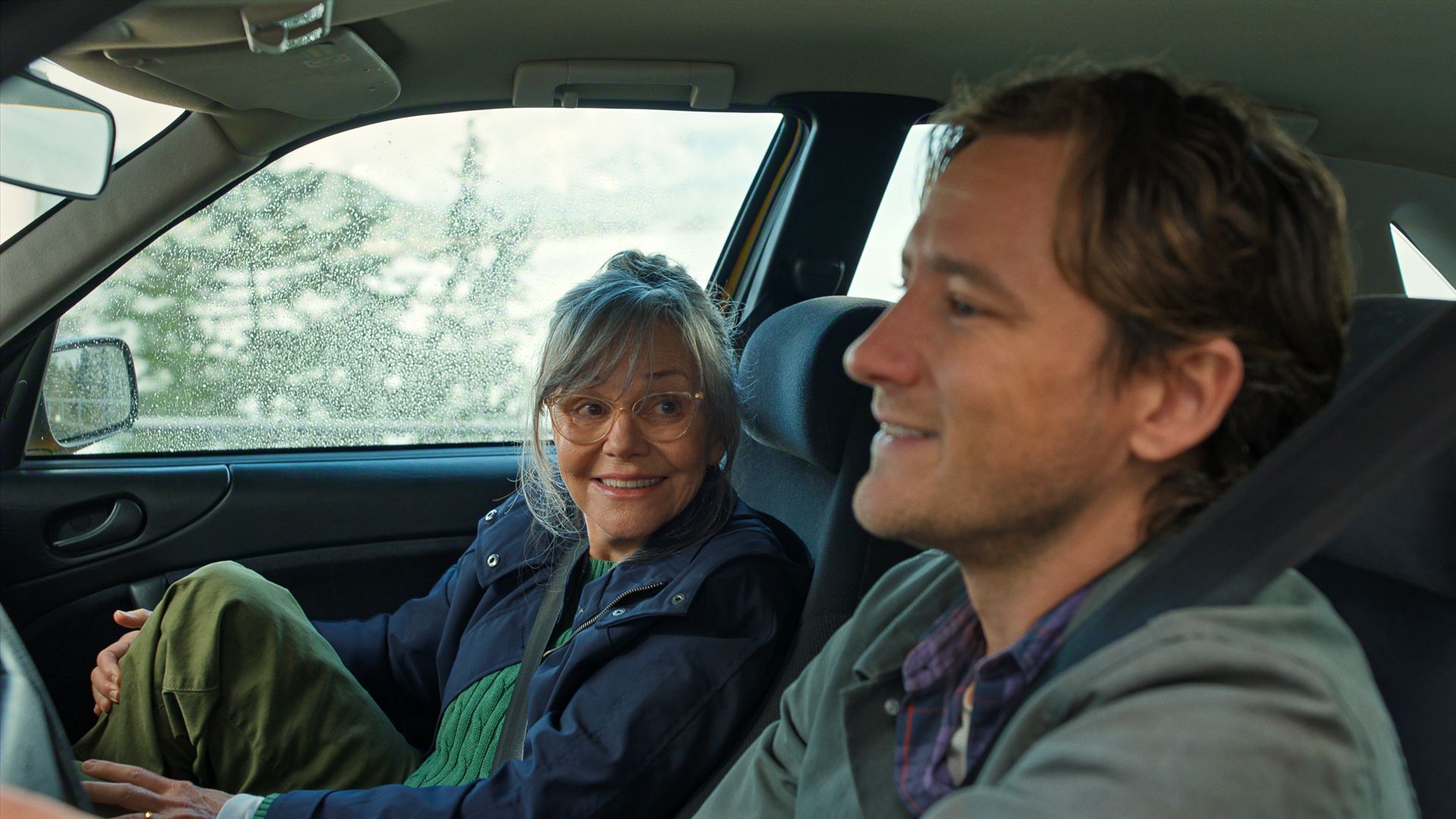
Netflix’s isn’t a page-to-page re-telling of the bestselling novel.
Based on Shelby Van Pelt’s 2022 novel, the movie tells the story of Tova, a widow played by Sally Field, who finds solace working at an aquarium. There, she develops a surprising friendship with Marcellus, a Giant Pacific Octopus brought to life by the voice of Alfred Molina. At the same time, she connects with a newcomer to town, Cameron (Lewis Pullman), who is struggling with his own issues. As their bond grows, they discover hope and unexpectedly uncover a mystery that forever alters their lives.
Olivia Newman, the director of the Netflix film based on Remarkably Bright Creatures, discussed with ScreenRant’s Tatiana Hullender how she shaped the story to focus on Tova and her journey, making some changes from the book to do so.
Why Newman’s Film Cuts Out An Entire Chapter From The Bestselling Novel
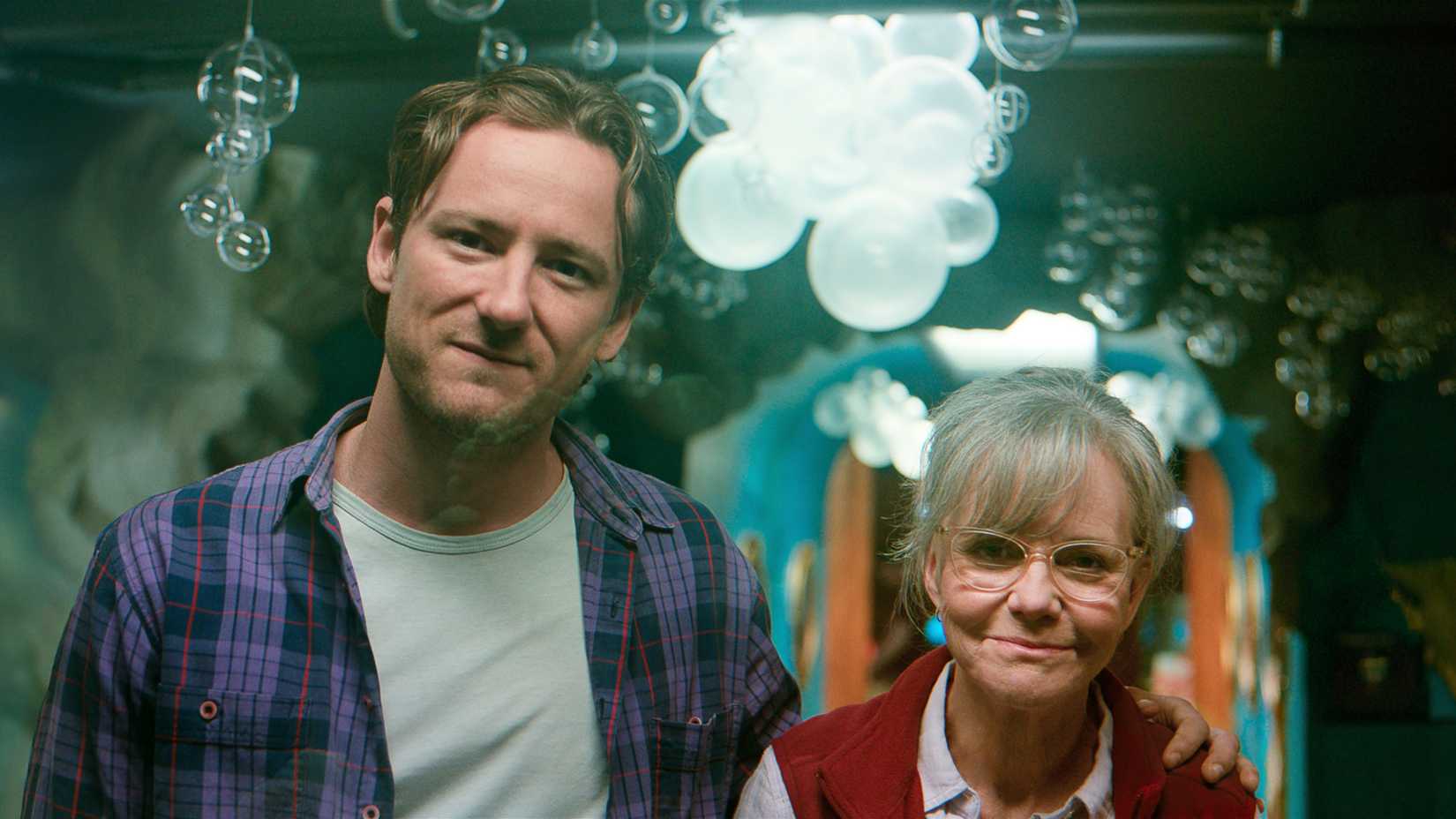
The movie differs from the book by primarily telling the story through Tova’s eyes and how meeting Cameron impacts her life. Initially, the film included more of Cameron’s history, including details about his upbringing in Southern California and his relationship with his Aunt Jeanne, who raised him after his mother left him. However, the director, Newman, ultimately removed much of this backstory, preferring to reveal Cameron’s past gradually as his friendship with Tova developed, rather than making it a central focus.
We went through many versions of the script, and ultimately decided to remove the character of the aunt. When I started working on the script, I really wanted the story to focus on Tova and how her life changed when this mysterious man arrived. We wanted to reveal his past gradually, through their growing friendship, rather than front-loading his backstory. This approach allowed us to integrate his history into what Tova learns about him, keeping the story firmly centered on her perspective.
I’m so impressed with how involved Newman was in this film! She didn’t just direct it, but also co-wrote the script with John Whittington, which I think really allowed her to shape Van Pelt’s story and add her own unique vision. She recently told ScreenRant that whether she directs and writes usually depends on how developed the project is when she first gets involved – it’s all about finding the right fit for her creative input.
How I get involved with a project really depends on its stage of development. Sometimes I come in as a writer from the beginning, and other times I collaborate with an existing writer. I enjoy both approaches – working directly on the writing and helping to refine someone else’s work.
Newman Kept The Novel’s DNA Intact With One Core Ideology: The Book Is The North Star
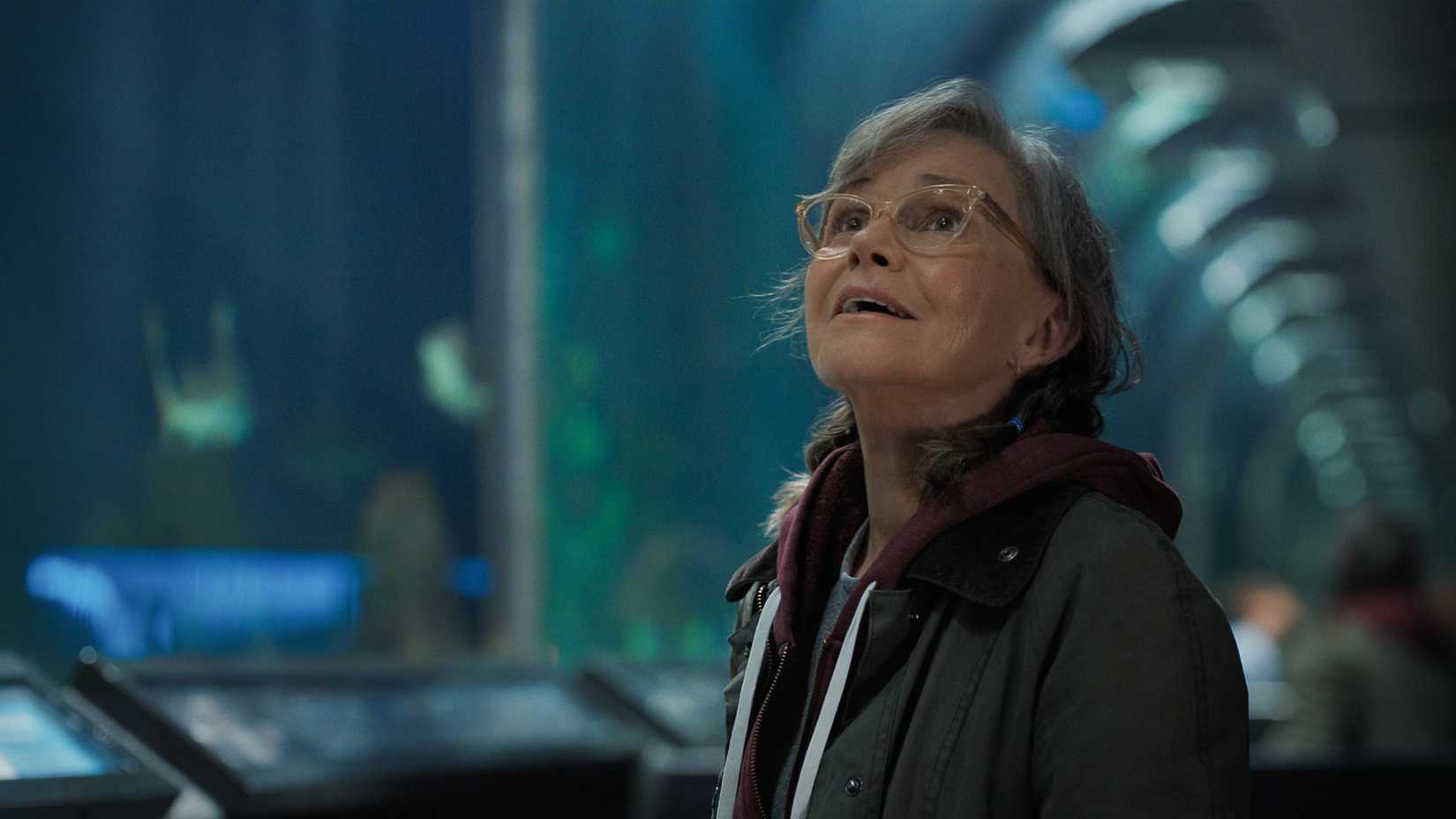
When adapting Remarkably Bright Creatures for Netflix, the screenwriter, Newman, took some liberties with the original story, even cutting a whole chapter. However, she always returned to the book itself for guidance, ensuring the heart of the story remained true. Drawing on her experience adapting Where the Crawdads Sing and writing the script for First Match, Newman explained that she’d learned to avoid simply recreating the book’s structure in film form.
My first film, ‘First Match,’ grew out of my film school studies, really representing everything I’d learned about screenwriting and directing. It was a story about growing up and the relationship between a father and daughter. Then came ‘Where the Crawdads Sing,’ which was my first time adapting a novel for the screen. I quickly realized that a movie and a book need to work in different ways. You have to be willing to change things from the book – even important parts – if they don’t translate well to film. With ‘Crawdads,’ we completely restructured the story to create a more compelling mystery for the movie. It was tough letting go of characters and plot points I loved from the book, but necessary to make it work as a film.
When adapting ‘Remarkably Bright Creatures’ into a film, I felt more creative freedom. Having lived with the book for a while, I could focus on what I loved – the story and the characters – and think about how to translate that into a movie that would stand on its own. We always treated the book as our guiding source, constantly referring back to it to ensure the film retained its core essence. For this story, staying true to the characters and the overall tone was most important. The author beautifully balances serious themes like grief, loneliness, and the need for connection with a lot of humor, and that humor really comes from the unique perspectives of each character. Our main goal was to capture that same balance between lightheartedness and emotional depth – that was our guiding principle throughout the process.
How Newman Brought Sowell Bay To Life
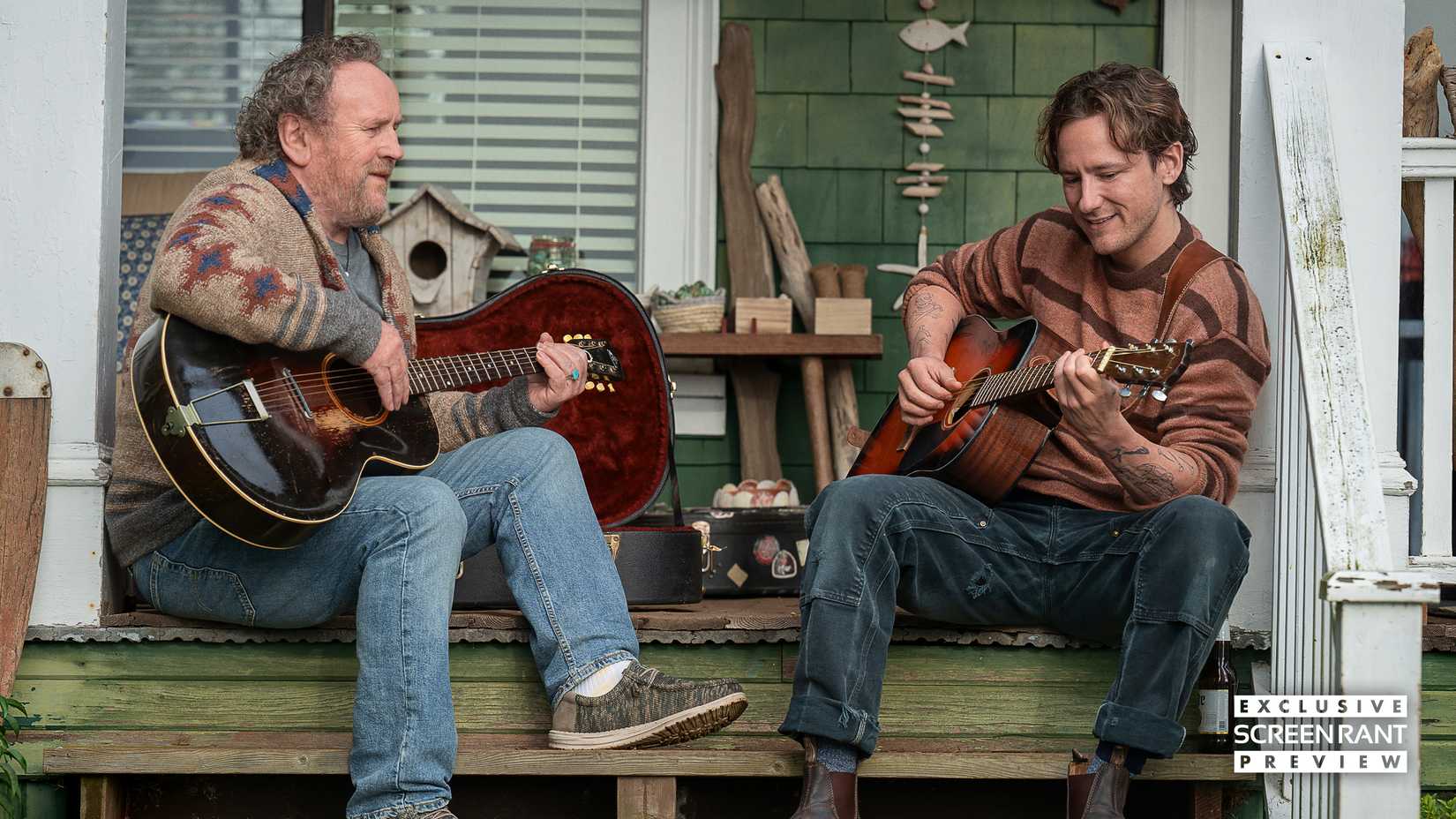
The movie’s characters are central to the story, but the setting – a made-up town in the Pacific Northwest called Sowell Bay – is just as crucial. To make the town feel realistic and populate it with believable residents, the filmmaker, Sowell, spent time researching the region firsthand.
When I began writing, I immediately went to Port Townsend, Washington, a small town on the Puget Sound. I participated in a writing residency there to truly understand what life in a coastal town like Sowell Bay might be like, and to soak in the atmosphere. Growing up in Hoboken, New Jersey, also gave me a strong sense of small-town life – it was a place where everyone knew multiple generations of each other. This personal experience, combined with the setting, helped me create characters and a feeling of familiarity that resonated throughout the book.
Working on the script was tough because we had to juggle all these different characters and make sure their relationships with Tova felt real. We wanted you to understand why she was distancing herself from some people, who she was drawn to, and who she had a history with. It’s something I think a lot of people can relate to – when you’re dealing with something painful, it can be hard being around people who know you too well. You see Tova start to pull away from her closest friends, but honestly, each of those characters, and Ethan too, were so beautifully written in the book. They all felt so unique and fully formed, and we really wanted to honor that. I was thinking a lot about my own parents and friends, who are in their 80s – they’re incredibly important to me, and each one has such a distinct personality. I kept them in mind throughout the process. Then, our casting directors, Mary Vernieu and Lindsay Graham, were amazing. They found a group of actors who each brought such different energies and completely embodied Marianne, Janice, and Barb perfectly. And Colm Meaney? He is Ethan – you couldn’t ask for a more charming and lovable portrayal.
The Novel’s Author Had Sally Field In Mind Long Before She Was Cast
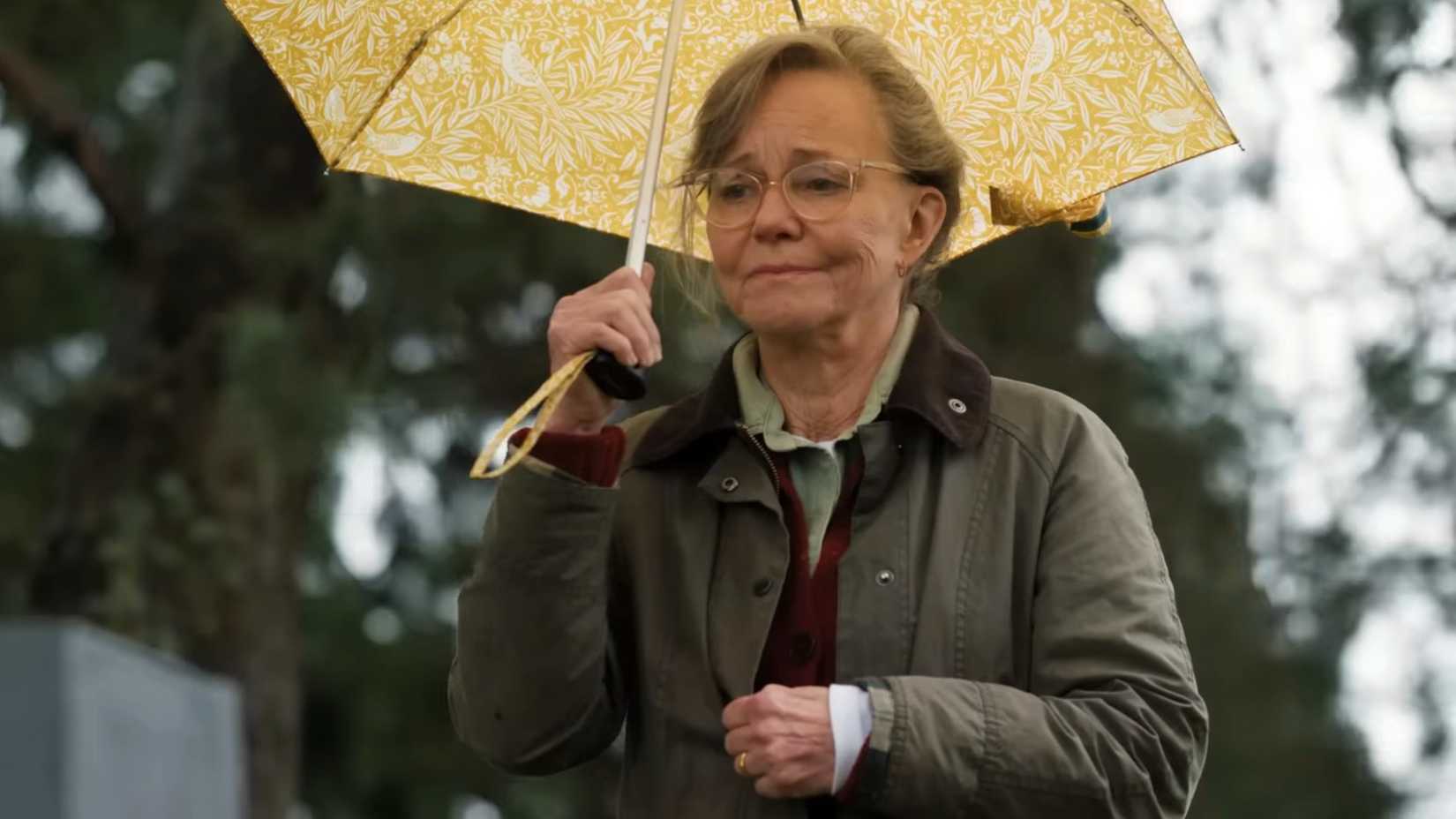
Van Pelt pictured Estelle Field as Tova even while she was writing the book. That’s why Field was the first person Van Pelt approached about adapting it into a film, and a major factor in why Newman ultimately agreed to star.
Sally Rooney’s work was central to this project from the start. The producers brought the book to her early on, and she signed on before I joined the film. Knowing she was involved was a huge draw for me, and it actually made the process easier. Even as I was reading the book, I could already hear her voice, which made writing the dialogue feel natural because I could picture her delivering the lines.
Newman explained that it was difficult to picture anyone else playing Marcellus, as Molina perfectly embodied the fantastical and intelligent octopus.
It’s difficult to picture anyone else playing Marcellus now, but the moment I heard Alfred say his first line, the character truly came alive. Marcellus is a complex character – he’s grumpy and a bit dismissive, but also has a lot of heart, particularly when it comes to Tova. The challenge was to capture the humor Shelby wrote into the book while making the audience really connect with and feel for him, and Alfred nailed it perfectly.
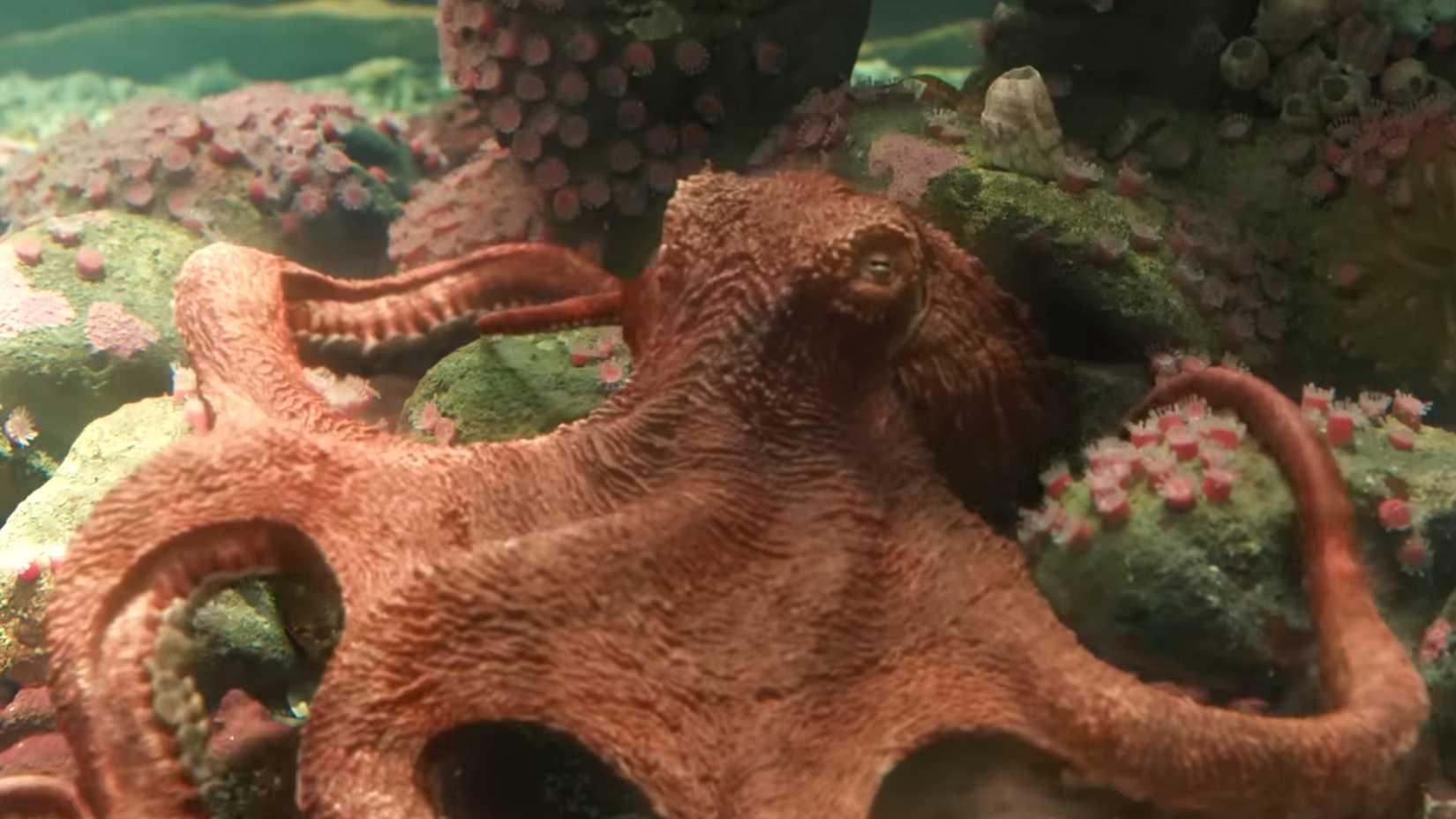
Finding the right actor for the film went smoothly, but creating the realistic look of the octopus character, Marcellus, was much more challenging. Newman explained it took six months of research, including a visit to the Vancouver Aquarium in Canada (where the movie was filmed), to accurately bring Marcellus to life.
Before filming, we spent six months studying how octopuses move. We quickly realized training a real octopus was impossible – they’re incredibly intelligent, independent, and unpredictable. Our goal was to combine footage of a real octopus with a CGI version to create a believable Marcellus. We chose Agnetha, a giant Pacific octopus at the Vancouver Aquarium, and filmed her extensively so our visual effects team could accurately replicate her movements. They then created a CGI version of Marcellus, and to ensure realistic lighting, we even built a physical puppet of him. The great thing about CGI is the flexibility it offered. While we carefully planned each scene, we could still adjust Marcellus’s actions during editing if a different approach felt more compelling. This allowed us to refine his performance in ways we couldn’t with a live animal, but all the octopus footage was meticulously planned from the start to ensure consistency.
Everything Else Newman Said About Remarkably Bright Creatures
ScreenRant asked the author about a scene in “Remarkably Bright Creatures” that perfectly captured their vision from the book. They wanted to know if there was a moment they were particularly proud of bringing to life on screen, a scene that felt exactly as they’d imagined it.
It’s hard to pinpoint one specific moment that stands out. The entire filmmaking process was incredibly demanding – as my colleague Sally put it, we really pushed ourselves to make this movie. We intentionally shot in Vancouver during the winter to capture the cold, rainy atmosphere of Sowell Bay, which mirrored the characters’ emotional journeys, particularly at the start of the story. This presented a lot of difficulties, especially for the actors who often worked in tough conditions. Overall, I’m incredibly proud of what we achieved and that we successfully created the tone we were aiming for. I wanted the film to tackle serious themes and emotional scenes, but also to be enjoyable and funny – and this was the funniest project I’ve ever worked on.
Sally and Lewis are just as hilarious off-screen as they are in their roles. What I’m most proud of is the overall experience of watching the movie, and I really hope audiences enjoy it and have fun.
Check out more of our Remarkably Bright Creatures coverage here:
- If You Can’t Wait For Sally Field’s New Netflix Movie, Now Is The Time To Read The Bestselling Book
- Lewis Pullman & Alfred Molina’s Mystery Movie Is Just Weeks Away From A Netflix Debut
- Netflix’s Upcoming Movie Based On A Bestselling Book Features The Most Meta Casting
Read More
- Gold Rate Forecast
- Top 5 Best New Mobile Games to play in May 2026
- Zenless Zone Zero version 2.8 ‘New: Eridan Sunset’ update will release on May 6, 2026
- Golden Girls’ ‘Mixed Blessings’ Episode Controversy, Explained
- Supercell’s “neo mo.co” update set for the Summer of 2026 and this might save the game
- STARBUCKS STAND by BEAMS Channels Kenyan Coffee Heritage Into Its Latest Spring/Summer Wardrobe
- These Cartoon Reboots Totally Missed the Point of the Originals (& Went Downhill Fast)
- Goddess of Victory: NIKKE “B-SIDE IDOL” update brings SSR Mint, rerun banners, new costumes, and more
- The Division Resurgence Best Weapon Guide: Tier List, Gear Breakdown, and Farming Guide
- Honor of Kings x Attack on Titan Collab Skins: All Skins, Price, and Availability
2026-05-07 23:06