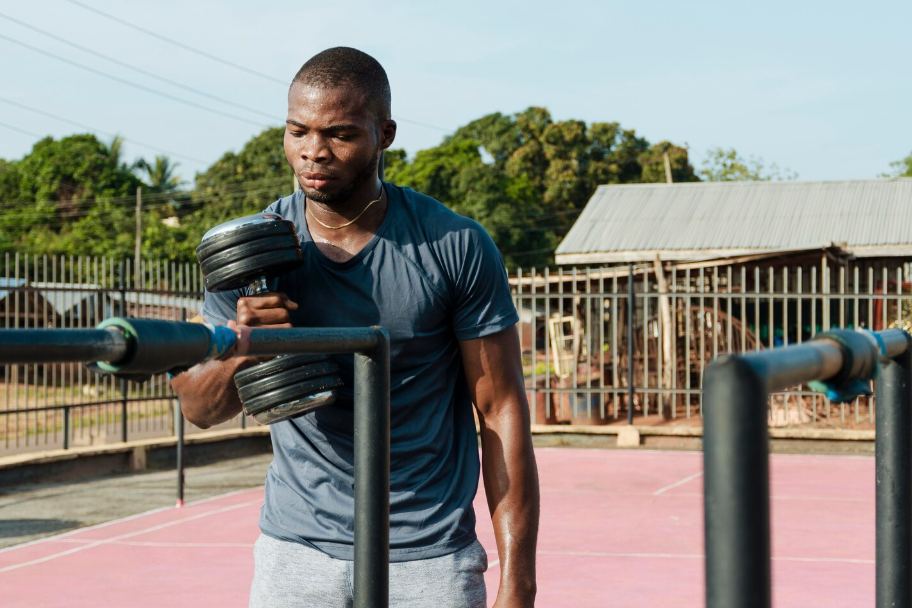
While basic fields and lighting are common, the quality of sports facilities – changing rooms, playing surfaces – significantly impacts athletic development in a nation. Across Central Africa, new and improved fields and training areas are steadily becoming more common. Countries like Cameroon, Gabon, and the Democratic Republic of Congo are investing in facilities that meet international standards. Better surfaces reduce injuries, and well-organized complexes support youth teams and local competitions. These improvements also create opportunities for coaches, referees, and sports scientists who previously lacked proper workspaces. Despite ongoing financial challenges, positive changes are happening. The evolution of sports facilities in Central Africa will directly influence future athletic success.
Stadium Projects That Changed How Teams Compete
Central African sports have been dramatically transformed by the construction of modern stadiums. Previously, teams played on aging colonial-era fields with deteriorating conditions, but instead of repairs, leaders opted for entirely new venues connected to major regional competitions. These new arenas have revolutionized the fan experience, with supporters now engaging with live stats, highlights, and even betting. The recent Africa Cup of Nations in Cameroon, for example, saw a rapid rise in new stadiums and improved infrastructure, including lighting and broadcasting capabilities, all meeting international safety standards. This has created a game-day atmosphere that rivals top European sporting events.
Facilities aren’t just for show or for what looks good on TV. They provide consistent, quality fields that allow local athletes to train and compete fairly year-round. These sites also host youth leagues and academic events, helping scouts identify talented young athletes – especially in competitive urban areas. With consistent activity, communities begin to recognize athletics as serious work and a viable career path, not just a hobby.
Key Infrastructure Improvements Supporting Local Sport
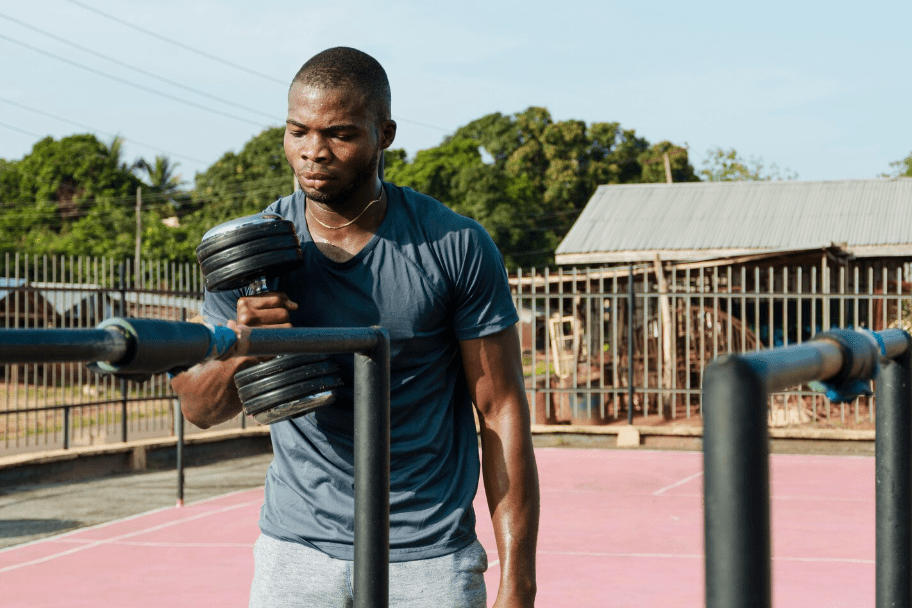
Modern sports development isn’t just about building big stadiums. Training facilities, local fields, and indoor arenas are just as crucial for nurturing future athletes. Many countries are investing in smaller projects to encourage participation at all levels. These initiatives prioritize making sports accessible and safe, while also ensuring facilities are well-maintained for the long term.
Central African governments and private partners prioritize several improvements:
- Regional training academies: Football and athletics academies now operate in cities like Yaoundé, Libreville, and Kinshasa.
- Multi-sport community complexes: Shared courts allow basketball, volleyball, and handball competitions in urban neighborhoods.
- Renovated school fields: Education ministries repair pitches and install lighting to extend training hours.
- Medical and recovery facilities: Modern physiotherapy rooms help athletes recover properly after intense competition.
These kinds of programs encourage more people to get involved and help build a strong foundation for better coaching. When young athletes consistently practice on safe playing surfaces, it naturally leads to improved performance throughout their sports leagues.
Government Strategies Behind Infrastructure Expansion
Across Central Africa, leaders are increasingly recognizing the value of sports beyond entertainment. They’re now seen as a way to bring people together and create job opportunities. Governments are connecting stadium construction with plans to boost tourism, secure broadcasting rights, and offer training programs for young people. With more fans watching games on their phones, following live scores, and even using apps like Melbet to track results, sports are reaching wider audiences than ever before. Instead of treating athletics as separate from other priorities, countries are now integrating sports facilities into broader development plans. This broader approach is also attracting funding from international organizations that support progress initiatives.
Youth Academies Reshaping How Players Grow
The way young athletes train has changed a lot. In the past, talented teenagers often had to practice in less-than-ideal conditions without proper coaching or equipment. Now, modern training centers bring together well-maintained fields, comfortable housing, and classrooms all in one location. This setup helps students balance their training with academics and maintain consistent schedules.
Cameroon and the Democratic Republic of Congo are great examples of how football development is evolving. European clubs are partnering with local academies and using scouts to find promising young players. Modern coaches are now using video analysis, performance tracking technology, and advanced strength and conditioning programs – resources that weren’t previously available. This means young athletes are learning important habits like proper nutrition, recovery, and mental preparation at a much earlier age, preparing them for success.
As a gamer, I see this a lot in esports too! When local scenes get better – more tournaments, better practice spaces – players tend to stick around and improve here instead of immediately heading overseas. It’s awesome because it builds a real community and a strong team spirit within each town. Over time, that naturally makes the whole national league get way better – more competition, higher skill levels, the works!
Core Elements That Define Successful Training Centers
As a huge fan, I’ve noticed that today’s top training centers aren’t just about having great fields and gyms anymore. They’re really focusing on a complete approach – blending education with the latest sports science and, crucially, giving players real competitive experience every day. It’s clear that a lot of academies are looking at how things are done in Europe, and trying to copy those successful development models, which is awesome to see.
The most effective Central African training centers typically include:
- Professional coaching staff: Certified trainers teach tactical awareness, physical conditioning, and positional discipline from early ages.
- Sports science monitoring: GPS trackers and performance analytics evaluate player workloads and recovery cycles.
- Academic support programs: Schools within academies ensure players complete education alongside football training.
- International tournament exposure: Youth teams compete in regional competitions, allowing scouts to evaluate talent directly.
Having good facilities isn’t enough to make top athletes, but well-designed training programs can make those facilities a lasting benefit.
Major Sports Infrastructure Projects in Central Africa
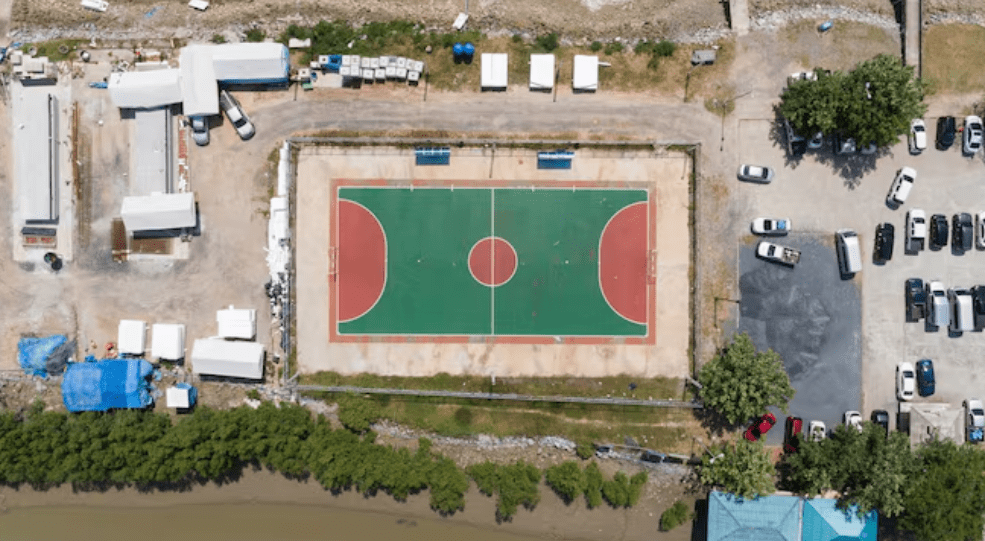
Major construction projects are changing the landscape of sports across the region. Governments frequently fund new stadiums to host major competitions or as part of broader plans to improve the country. Here are a few examples of projects that have significantly upgraded facilities.
| Country | Facility | Capacity | Key Impact |
| Cameroon | Olembe Stadium, Yaoundé | 60,000 | Hosted AFCON matches and improved national football visibility |
| Gabon | Stade de l’Amitié, Libreville | 40,000 | Upgraded for international tournaments and athletics events |
| DR Congo | Martyrs Stadium Renovation | 80,000 | Modernized seating, lighting, and safety infrastructure |
| Congo Republic | Kintélé Sports Complex | 60,000 | Multi-sport venue used for regional competitions |
| Central African Republic | Barthélemy Boganda Stadium upgrades | 20,000 | Improved national team facilities and youth events |
These facilities host major international competitions, gain worldwide media attention, and secure valuable sponsorships. Investment in these venues also boosts tourism, creates jobs in hotels and restaurants, and improves transportation options in the surrounding areas.
Private Investment and Regional Partnerships
Private investment is rapidly changing sports development in Central Africa. Companies – including telecommunications providers, construction firms, and foreign investors – are providing both funding and expertise. This influx of capital helps governments build facilities faster, especially when public funds are limited. By sharing the costs, projects are completed more quickly, leading to more well-equipped sports fields.
As a gamer, I’ve noticed it’s rare to see huge stadiums getting sponsored directly. Instead, most of the money seems to go into things like practice facilities or smaller improvements to the fields themselves. Naming rights are a big deal for sponsors – it gets their name out there. They also like to run ads and support local programs that help up-and-coming athletes. And you know what’s cool? At the venue, the cell service is always super fast now, which means better live streams and more ways to connect with other fans online. It’s a win-win!
When countries collaborate on large-scale projects, progress happens gradually but consistently. For example, one nation might manage event registrations, while another contributes expertise in arena construction or operations. This teamwork strengthens relationships between governments, ultimately leading to improved events and demonstrating positive development across Central Africa.
Challenges Slowing Infrastructure Progress
Despite some improvements, construction projects in Central Africa continue to face significant challenges. Funding shortages frequently delay projects or force them to be scaled back. And once these facilities are open, maintaining them can be difficult, particularly when ongoing operating costs aren’t adequately covered.
Political changes can sometimes disrupt plans for new sports facilities. When new governments come into power, they may cancel projects to prioritize funding for essential services like education and healthcare. Plus, many areas still struggle to find enough skilled workers to maintain fields or operate arenas.
Rain creates challenges for city planners and building managers. Heavy storms and moisture quickly damage roads, drainage systems, and other structures. This means those in charge of buildings need to use durable materials and consistently maintain them to prevent future problems.
The Future of Sports Venues in Central Africa
Central Africa is experiencing a turning point for sports development. New facilities like training grounds, fields, and youth centers are transforming opportunities for young athletes. With continued investment, the region has the potential to become a major player in African sports. Consistent funding and improved maintenance of these facilities will be crucial for nurturing the next generation of champions.
Read More
- Invincible Season 4 Episode 4 Release Date, Time, Where to Watch
- Physics Proved by AI: A New Era for Automated Reasoning
- How Martin Clunes has been supported by TV power player wife Philippa Braithwaite and their anti-nepo baby daughter after escaping a ‘rotten marriage’
- Gold Rate Forecast
- American Idol vet Caleb Flynn in solitary confinement after being charged for allegedly murdering wife
- Total Football free codes and how to redeem them (March 2026)
- Olivia Colman’s highest-rated drama hailed as “exceptional” is a must-see on TV tonight
- Nicole Kidman and Jamie Lee Curtis elevate new crime drama Scarpetta, which is streaming now
- Goddess of Victory: NIKKE 2×2 LOVE Mini Game: How to Play, Rewards, and other details
- “Wild, brilliant, emotional”: 10 best dynasty drama series to watch on BBC, ITV, Netflix and more
2026-03-26 13:06