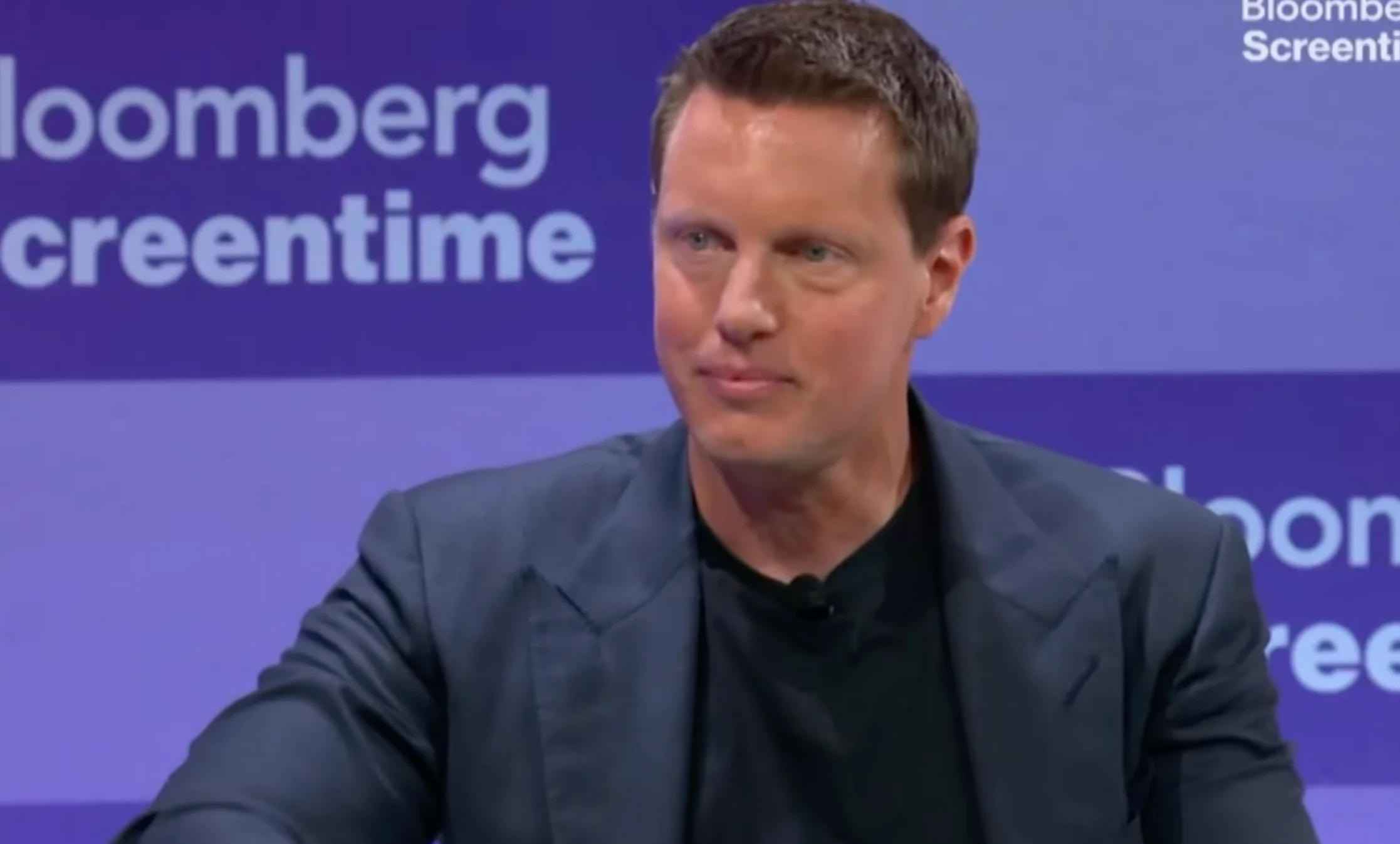
David Ellison‘s fight for control of Warner Bros. has expanded beyond typical business negotiations and legal disputes, now reaching an international scope.
Skydance Media CEO David Ellison is actively lobbying in Europe to gain support for his attempt to buy Warner Bros. Discovery. This push for backing comes as regulators in both the US and Europe closely examine competing offers, most notably Netflix’s proposed $83 billion acquisition of the studio.
This isn’t simply a company being bought by another. It’s now a global power struggle with major implications for one of Hollywood’s biggest players.
David Ellison Takes His Warner Bros. Case to Europe
Ellison traveled to France, Germany, and the UK to meet with government leaders, cultural officials, and key people in the film and exhibition industries. He’s aiming to position Paramount Skydance as a more reliable owner for Warner Bros. than Netflix, as Netflix’s focus on streaming has worried both movie theaters and regulators.
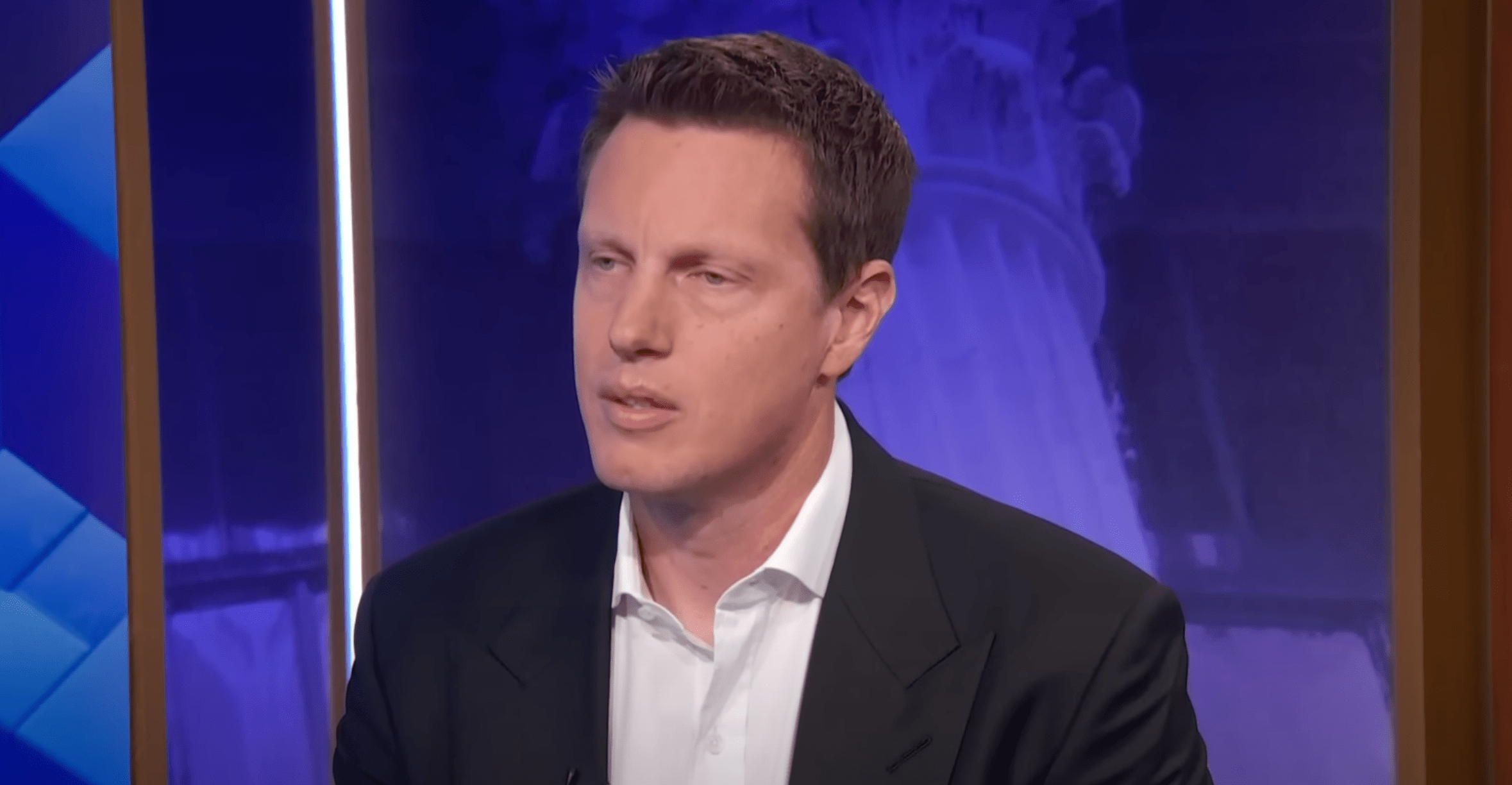
Ellison’s proposal centers around Warner Bros.’ continued dedication to releasing films in theaters, respecting traditional release windows, and supporting local film industries – especially in countries like France, which legally protects theatrical exclusivity.
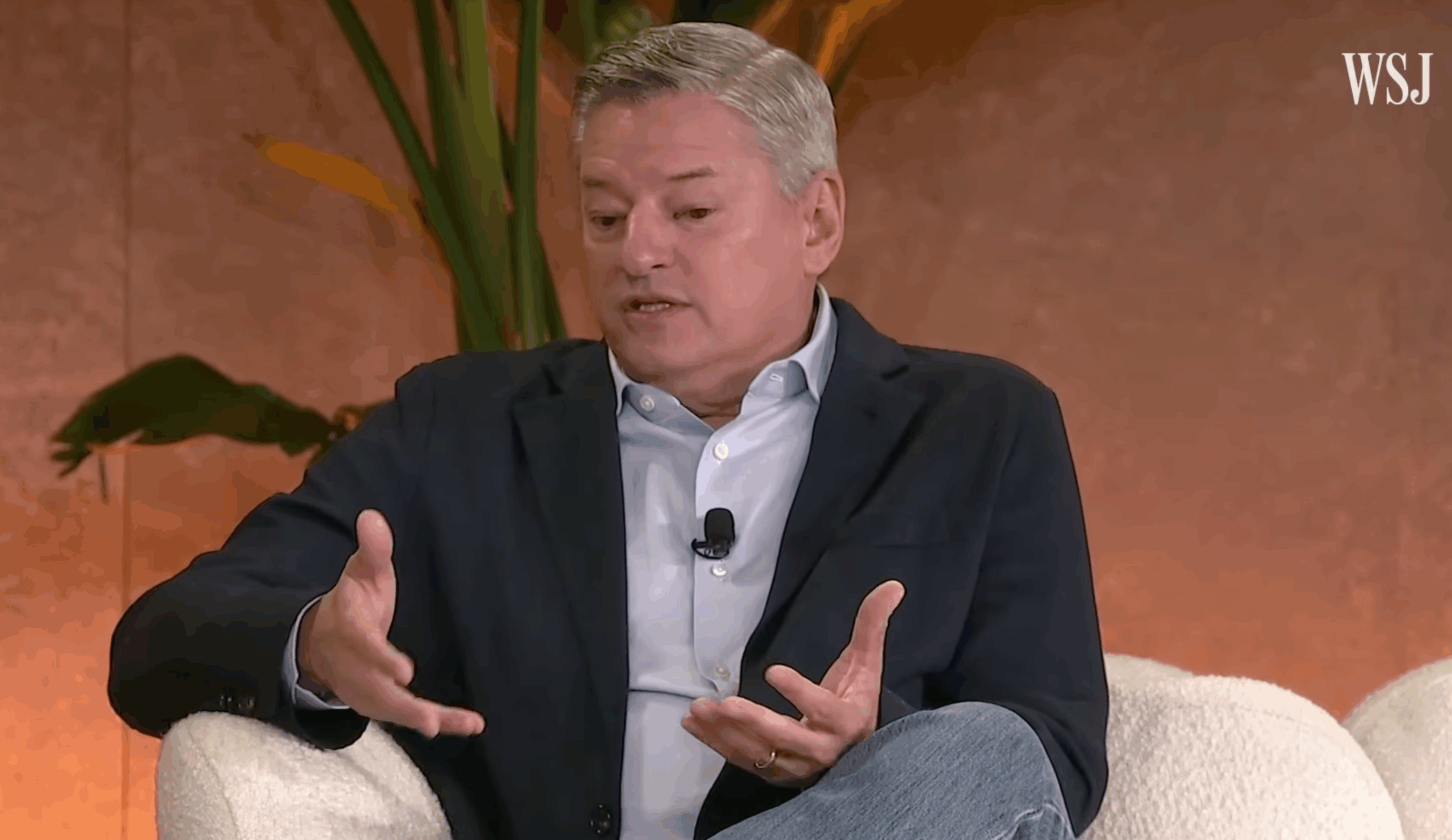
The statement seems designed to address concerns from European regulators who have been critical of Netflix’s power and its history of challenging traditional movie release schedules. Recently, Netflix’s CEO, Ted Sarandos, tried to ease those concerns by saying the company would agree to a 45-day period of showing movies in theaters before releasing them on Netflix, specifically for films from Warner Bros.
Why Netflix Is the Real Target
While Ellison’s bid is technically aimed at Warner Bros. Discovery, his real adversary is Netflix.
For years, the streaming service has been vocal about its issues with traditional movie theaters. Its leaders have consistently claimed that cinemas are costly, behind the times, or simply not needed, which has worried both theater owners and government officials.
If Netflix buys Warner Bros., it could significantly change how Warner Bros. movies are released. Netflix has traditionally focused on streaming after a film’s initial theatrical run, and many worry this acquisition would mean Warner Bros. films would quickly move to streaming instead of staying in theaters. Despite recent promises from Netflix, concerns remain that Warner Bros.’ commitment to theatrical releases would be diminished.
Regulatory Headwinds Are Getting Stronger
As regulators are increasingly showing opposition to the proposed partnership between Netflix and Warner Bros., Michael Ellison is actively lobbying to gain support for the deal.
European regulators are looking into whether Netflix’s purchase of a studio will hurt competition, damage movie theaters, and give one company too much control over what movies and shows people watch. Concerns are particularly strong in France, where Netflix is already required to wait before releasing films after they appear in cinemas.
In the U.S., legal issues involving Warner Bros. Discovery are hindering any potential deal. A recent court ruling denied a request from Paramount and Skydance to speed up the information-gathering process regarding Netflix’s offer. This means John Ellison’s bid now faces stricter deadlines and more uncertainty.
Still, Ellison seems determined to frame his bid as the industry-friendly alternative.
The Stakes for Warner Bros.
What makes the David Ellison Warner Bros. fight so consequential is what Warner Bros. represents.
This studio is much more than just a collection of movies and shows. It’s a vital part of the film industry, responsible for big-name franchises, critically acclaimed films, and a worldwide production network with strong ties to international markets.
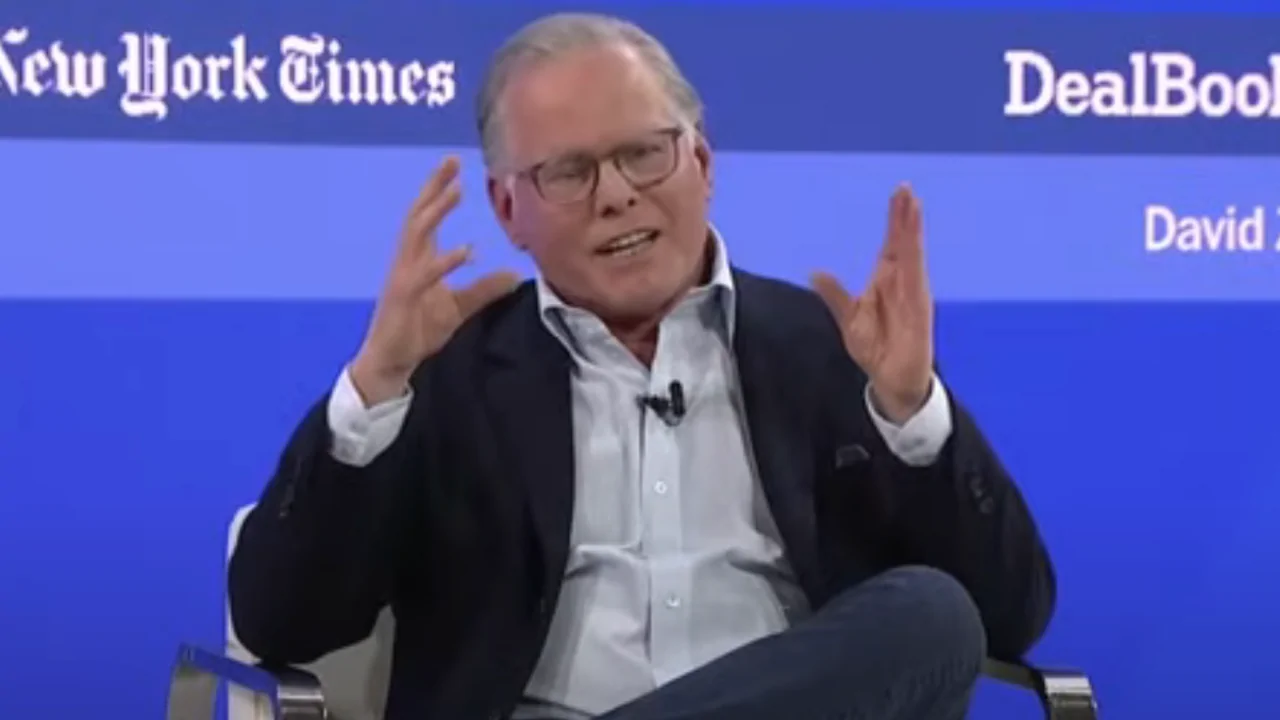
European film exhibitors worried that after being bought by Netflix, Warner Bros. might release fewer films in theaters, shorten the time they’re shown, or focus more on streaming content instead. These concerns seem valid considering Netflix’s past actions and what they’ve publicly said.
Ellison argues for a different approach: Warner Bros. should thrive by running both its theatrical and streaming businesses separately, rather than merging them into one.
A Race Against the Clock
Time, however, is not on Ellison’s side.
Paramount Skydance has made an offer to acquire a company, but it has a deadline. This puts pressure on Larry Ellison to prove the deal can get approved by regulators and gain political support quickly. Any delays will make it seem more likely that Netflix’s competing offer is the better and more practical choice.
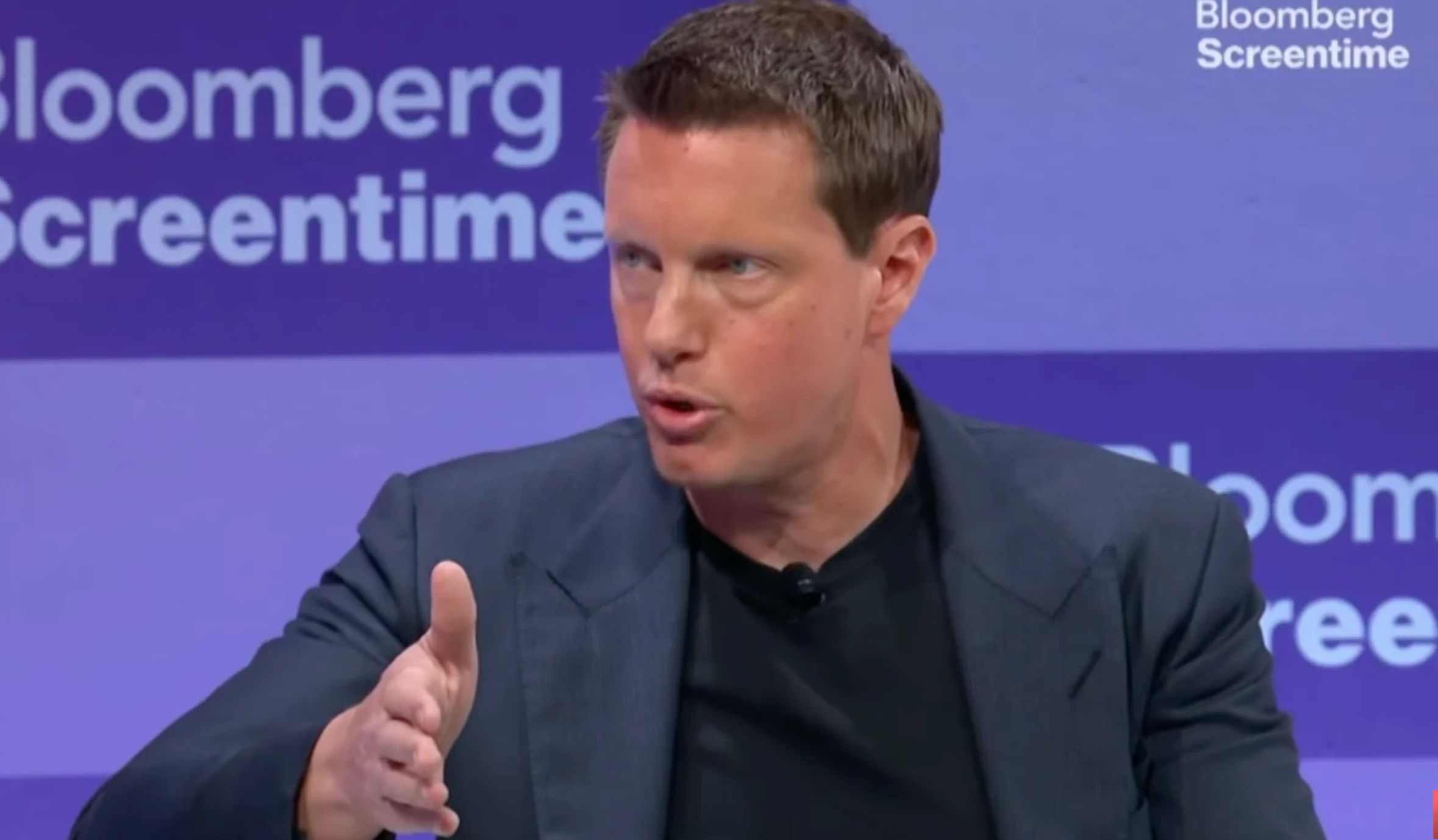
As a film buff, I get why Ellison is taking such a direct approach – going straight to leaders and cultural groups instead of just letting lawyers and financiers handle things. It’s clear he feels a real sense of urgency and wants to make things happen quickly, so he’s cutting out the middleman and appealing directly to those who can really make a difference.
This demonstrates masterful persuasion, but it also highlights just how uncertain things are for Warner Bros. right now.
What Happens Next
The future of the dispute between David Ellison and Warner Bros. will probably be determined not by people within the film industry, but by regulators who recognize the importance of traditional movie theaters.
If European regulators decide that allowing Larry Ellison to buy Netflix could harm local cultures or the movie theater business, his offer might become much more appealing. Otherwise, Warner Bros. could end up fully focused on streaming, dramatically changing how – or even whether – its movies are shown in cinemas around the world.
It really struck me that a major Hollywood studio now needs to lobby governments around the world just to stay afloat. It just shows how uncertain things are for the movie industry these days, and honestly, it’s a little worrying to see.
Read More
- Clash Royale Best Boss Bandit Champion decks
- Vampire’s Fall 2 redeem codes and how to use them (June 2025)
- World Eternal Online promo codes and how to use them (September 2025)
- Best Arena 9 Decks in Clast Royale
- Country star who vanished from the spotlight 25 years ago resurfaces with viral Jessie James Decker duet
- M7 Pass Event Guide: All you need to know
- Mobile Legends January 2026 Leaks: Upcoming new skins, heroes, events and more
- Kingdoms of Desire turns the Three Kingdoms era into an idle RPG power fantasy, now globally available
- Solo Leveling Season 3 release date and details: “It may continue or it may not. Personally, I really hope that it does.”
- JJK’s Worst Character Already Created 2026’s Most Viral Anime Moment, & McDonald’s Is Cashing In
2026-01-18 20:58