
Code Vein has received a lot of comparisons, and it’s often described – not always positively – as being similar to Dark Souls, but with an anime art style.
The new game builds on what came before by offering bigger, more expansive environments, naturally leading to comparisons with Elden Ring – though these aren’t always positive.
Okay, so Code Vein II isn’t just a FromSoftware clone, which is awesome. It’s really built around a strong story, and it’s definitely a soulslike RPG, but it feels unique. It’s not perfect – there are some things that bug me – but the combat is really satisfying, I genuinely cared about the characters, and the game isn’t afraid to try new things. Honestly, I think the good stuff far outweighs the bad.
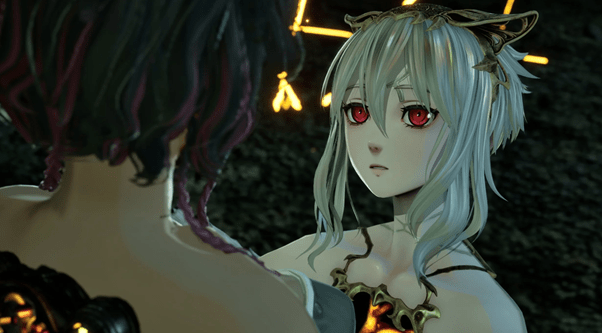
Blood, tears and anime drama
An anime-style soulslike sounds like an odd mix, yet that contrast defines Code Vein.
The game blends striking characters and cinematic moments with tough, unforgiving battles and challenging bosses. Its story is reminiscent of a grim, fantastical anime, packed with unusual jargon, complicated connections between characters, and a relentless sense of sadness. The backstory can be confusing at first, but the overall feeling is powerfully conveyed.
Following a worldwide disaster, artificial vampires called Revenants were made to safeguard what remained of humanity. While some maintain their minds, others descend into monstrous, animalistic beings called the Lost.
The story focuses a lot on characters making sacrifices, enduring hardship, and giving fans what they want. It’s full of drama, occasionally over the top, but ultimately captivating.
Code Vein II takes things to the next level. The story becomes increasingly bizarre, unpredictable, and surprisingly, this actually makes the game stand out even more.
A soulslike with a human face
The sequel works almost like a soft reboot. A new world, new characters, but familiar ideas.
A new catastrophe has occurred, and immortals are still among us. Now, some people – hunters – have formed a unique connection with them, physically linked by carrying the immortals’ hearts. You take on the role of one of these hunters, tasked with preventing another apocalypse.
The core idea is shockingly straightforward: journey back in time, become friends with famous immortal heroes, earn their confidence, and then return to the present to eliminate them.
That setup gives the story real emotional weight.
As you battle alongside these characters, you uncover their pasts and understand their struggles. By the time you face them as bosses, they’ve become more than just opponents – they’re individuals you’ve come to know.
Few soulslike games make boss fights feel this personal.
Throughout the game, the music, conversations, and art style all work together to create a consistently sad and reflective atmosphere. While Code Vein II has impressive graphics, it’s actually a surprisingly thoughtful and melancholic action role-playing game.
When the story actually matters
What makes Code Vein II stand out is how much the story affects the gameplay.
It’s possible to alter past events, potentially preventing conflicts with certain heroes in the present. However, it’s not always straightforward – you might still need to defeat them, but in a different version of reality. Successfully navigating these events unlocks the real ending, and the effects of your choices become apparent much sooner.
Okay, so this game is seriously cool because my choices actually matter. Like, if I go back and fix something in the past – say, a broken bridge – I come back to the present and BAM, the bridge is fixed! It’s not just story stuff, the world physically changes based on what I do. It’s mind-blowing!
The choice is always yours.
The way this game handles time travel is a major highlight. Code Vein II features several different endings, and the story goes much deeper than simply completing a list of objectives.
The show has a very distinct, anime-inspired style – think revealing costumes, over-the-top reactions, and clumsy attempts at flirting. But this is intentional and contributes to its unique personality. While it might seem a little ridiculous at times, it’s also surprisingly endearing. If you’re eager to dive into the story and see how your choices affect things, logging in with Revery Play makes it easy to explore the world and try out different paths without any complications.
It’s a little odd how quickly everyone in the game seems to connect with you, even though your character doesn’t speak. This happened in the first game as well, but it actually makes the experience more engaging. It reinforces the feeling of being a stranger in a strange land, just like your character. Moments like someone wanting a final goodbye feel genuinely impactful.
And surprisingly, it works.
A beautiful dead world
Honestly, the open world was a bit of a mixed bag for me and a lot of other players I talked to. Some of us were hoping for something like Elden Ring – a really packed, detailed world – and were disappointed that parts of the game felt empty, kinda grey, and just… lifeless. It didn’t quite live up to those expectations.
I saw it differently.
This game isn’t about bustling cities and friendly characters. It takes place after a disaster, so you’ll find broken-down buildings, dangerous creatures, and landscapes that hint at what happened before.
The game doesn’t have a lot of towns or involved storylines. Most of the things you do are straightforward, like fetching items. However, exploring the world is still enjoyable thanks to its immersive feel and well-crafted environments.
I was immediately reminded of NieR: Automata when I explored the “Flooded City.” It’s just this really striking, desolate place with broken bridges, tangled highways, and everything covered in rust – half the buildings are underwater! It’s bleak, but in a way that really sticks with you. What’s cool is you can actually go inside a lot of these structures, climb onto rooftops, and explore up and down hills and through towers – it’s not just a flat landscape.
Huge monsters wander the land and frequently clash. The game often feels more like Monster Hunter or Horizon Zero Dawn than a traditional, difficult action RPG. Eventually, you actively seek out these beasts to hunt them.
The world is surprisingly interconnected. One moment you might be driving on a highway, then, after passing through a tunnel, find yourself in a completely different place – like a dark forest, an empty hospital, a church, or even a forgotten amusement park. Each area has its own unique feel, whether it’s a former military base, an old mine, or a natural cave.
After unlocking the bike and fast travel, getting around the world feels much easier. While it’s possible to reach any location right away, you’ll likely face tough enemies that can quickly defeat you if you’re not prepared.
It’s crucial to explore beyond the main road. Hidden in ruins and off the beaten path, you’ll find valuable resources, weapons, and items needed to improve your gear. Finding these things isn’t just helpful – it’s essential for surviving tougher battles ahead.
Paying attention to even the smallest details in your surroundings can be surprisingly rewarding. You might discover remnants of past visitors – old campsites, or other clues that someone was there before you.
It’s a dead world — but not an empty one.
Pleasant pain
You won’t survive long in Code Vein II without learning its combat system.
At first, even common enemies can be quite challenging. As you improve your character, many fights start to feel like those in typical action RPGs. However, the game consistently provides a tough experience – there’s always a threat waiting to send you back to the last mistletoe, which serves as your checkpoint, teleportation point, central hub, and place to upgrade your abilities.
Bosses are the real test.
Whether you’re facing story bosses, challenging optional encounters, or huge monsters in the open world, these fights are generally difficult. They’re more diverse and engaging than in the original game, often requiring multiple tries just to understand how they work.
Often, overcoming a challenge isn’t just about being more skilled – it’s about changing your approach. I realized I was trying too hard to avoid damage, so I equipped a shield instead. That simple change made the fight much easier.
Moments like this reveal the balance issues. Some defensive tools clearly outperform others.
Blood Codes, which are like character classes in the game, work similarly. Unlike the first game, this sequel doesn’t give you clear class roles – it just shows stat boosts. This encourages experimentation, but some Blood Codes are clearly more powerful than others, leading many players to find a couple of strong builds and stick with them, neglecting the rest.
That can come back to bite you later.
Builds, weapons and experimentation
Code Vein II gives you a huge toolbox.
The game features classic close-combat weapons, as well as special, one-of-a-kind weapons passed down through generations. Players can also utilize defensive techniques and powerful abilities fueled by immortal hearts. You’ll be able to summon attacks like swarms of stings, beasts, and bats, and everything can be improved with resources and Mist – which functions like souls in the game.
Not every option feels equally useful, but the build variety is impressive.
You can change your Blood Code and weapon skills whenever you reach a checkpoint, letting you customize your build on the fly. This lets you experiment and adjust your strategy before tough battles – switch to a defensive setup, prioritize long-range attacks, or try out a completely unique combination!
While becoming powerful can make some challenges easy, it still takes work, investment, and learning from mistakes to get there. The game also constantly increases the difficulty, presenting new, stronger enemies right when you’re starting to feel confident.
Skill still matters. So does learning the controls. A gamepad definitely helps.
Two systems in one
Combat itself is noticeably improved over the original.
As a fan, I’m really noticing how much smoother the combat feels now! Everything just connects better. Plus, battles are way more fast-paced, and there are so many more different enemy types to fight. What’s really exciting is the new gear – wings for staying mobile, bows for ranged attacks, and even a machine gun! It lets you play the game in totally new ways, either keeping your distance or mixing things up, which is a fantastic addition to the already awesome gameplay.
The game’s many mechanics can seem daunting at first. There are light and heavy attacks, various weapon skills, special abilities, finishing moves, and defensive options – it’s a lot to take in!
Once you finally get the hang of it, you feel incredibly capable, almost like you have superpowers. Instead of just getting frustrated, the challenge shifts to staying in control and making smart choices.
A big part of this comes from the companion system.
Just like the first game, I usually have an AI buddy with me. We can fight together, which is cool, but I also have the option to basically absorb them. It’s wild – I get all their power and the game shifts into a more classic, solo soulslike experience, with a nice boost to my stats. It’s a really neat way to change up the gameplay.
Being able to change between these settings as you go lets you play strategically. There are times when you’d prefer assistance and a bit of a break, and other times when you need to be completely in charge.
As a Bloodborne fan, I love that each companion you meet doesn’t just offer story bits, but actually changes how you play! They come with special skills and these things called Blood Codes that let you totally customize your character build, giving you so much freedom in how you approach each fight.
It’s a small twist, but it adds surprising depth to the gameplay.
What doesn’t work
Not everything in Code Vein II lands.
Certain parts of the game drag on too long and don’t flow well. You’ll sometimes find yourself running through the same narrow hallways of a large building just to locate one switch, which feels tedious and slows down the action. Also, the game doesn’t save often enough, so dying can be really annoying rather than a genuine challenge.
A lot of players mentioned experiencing technical difficulties, but I personally didn’t run into any major bugs or crashes during my gameplay.
The game’s graphics are a bit of a mixed bag – they don’t really stand out compared to newer titles, and in places, the original Code Vein looks sharper. However, when played with the highest settings, the world is visually acceptable. What really shines is the game’s art style and the way the characters are designed. While proportions are sometimes exaggerated in an anime style, it’s always expressive and leaves a lasting impression.
It may look strange, but it has personality.
Sweet suffering
At some point, I realised Code Vein II had completely hooked me.
I poured a lot of time into this game, often staying up way too late. I repeatedly battled bosses until my hands ached, and I definitely got frustrated with the long missions and uninspired side quests. A few fights felt unbalanced, and some parts of the game just felt too slow.
And yet I couldn’t stop playing.
That’s what makes a great Souls-like game so captivating. What starts as frustration quickly becomes all-consuming, and losing just makes you want to try harder. Finally overcoming a challenging boss after many attempts is an incredibly rewarding experience.
Few recent action RPGs have given me that same rush.
Pros and cons
Pros
- Emotional, choice-driven story with multiple endings
- Strong character writing, bosses feel personal rather than generic
- Time travel mechanics that affect the world
- Open world that rewards exploration
- Improved combat system and better boss design
- Deep build variety with flexible classes and skills
- Reworked companion mechanics that add strategy
- Excellent music and atmosphere
Cons
- Side quests lack variety
- Some missions feel tedious and stretched out
- Balance issues between certain builds and tools
- Graphics look dated in places
Reported technical problems for some players
Read More
- Invincible Season 4 Episode 4 Release Date, Time, Where to Watch
- Physics Proved by AI: A New Era for Automated Reasoning
- Gold Rate Forecast
- American Idol vet Caleb Flynn in solitary confinement after being charged for allegedly murdering wife
- Magicmon: World redeem codes and how to use them (March 2026)
- “Wild, brilliant, emotional”: 10 best dynasty drama series to watch on BBC, ITV, Netflix and more
- Total Football free codes and how to redeem them (March 2026)
- Goddess of Victory: NIKKE 2×2 LOVE Mini Game: How to Play, Rewards, and other details
- Invincible Creator on Why More Spin-offs Haven’t Happened Yet
- Simulating Humans to Build Better Robots
2026-02-12 11:08