Players logging into Clash Royale recently may have noticed something strange: the gems now appear backwards! It’s a small detail, but it’s really noticeable and many are frustrated. This isn’t just a simple mistake; it suggests a bigger issue with the game’s recent updates, leading players to wonder how this error wasn’t caught. For a game many have played for years, this feels like more than just a visual bug – it’s sparked a lot of discussion about the overall quality of updates.
Key Takeaways
- Stability trumps flashy features: Players will always prefer a smooth, bug-free experience over a rushed update that introduces new problems. A polished game shows respect for the player’s time and investment.
- Silence is worse than the bug itself: When developers don’t respond to feedback, players feel ignored, which turns a technical problem into a relationship problem. A quick, honest acknowledgment is the best way to maintain trust.
- Fresh eyes catch what developers miss: Developers can get tunnel vision and overlook obvious flaws. The player community acts as the ultimate quality check, spotting issues that internal teams naturally miss.
What’s Up with the Backwards Gems?
Players logging into Clash Royale recently may have noticed something strange: the gems now appear flipped backwards. It’s a small detail, but it’s very noticeable and many in the community are frustrated. This isn’t a simple mistake – it raises questions about the quality of recent game updates. Players are wondering how this visual error made it into the game in the first place. For a long-standing mobile game like Clash Royale, this feels like more than just a bug; it suggests a larger issue and has become a major talking point.
The Glitch That Sparked Player Outrage
As soon as the update dropped, everyone noticed this really weird visual glitch and immediately started talking about it online. One Reddit comment perfectly summed up how we all felt: “Seriously, didn’t anyone catch this?” It’s not even that there’s a bug, it’s that it’s such a glaringly obvious one! It’s honestly frustrating because it feels like the update was rushed and nobody really checked things over properly. A lot of us are starting to wonder if the developers are still putting the effort into making the game the best it can be.
Why Visual Bugs Can Feel Worse Than Gameplay Issues
A glitch that affects how you play a game can be frustrating, but it’s usually just a temporary problem. Visual bugs – things that look wrong – are much more damaging. They constantly break the game’s polished appearance and pull you out of the experience. These errors can make it feel like the developers aren’t paying attention to what it’s actually like to play the game. Good quality testing isn’t just about making sure the game functions correctly; it’s about maintaining the visual style and overall feeling that players enjoy. When even simple visuals are flawed, it damages player trust and suggests the game wasn’t thoroughly checked before release.
How Did This Slip Past Quality Control?
Players always ask how a noticeable bug could make it into a finished game. When something clearly wrong, like flipped graphics, appears, it’s natural to question the testing process. While it’s tempting to blame developers, the reasons are usually more complex. Creating games is incredibly challenging, and even skilled teams can miss things. Let’s explore how these errors can occur.
Common Blind Spots in Mobile Game Testing
Good game quality assurance goes beyond simply fixing errors; it’s about safeguarding how players experience the game. Testers act as the first line of defense, making sure new additions don’t cause problems or frustration. However, even the best internal testing isn’t perfect. Teams usually test in controlled environments – on specific hardware with reliable internet – and follow pre-set instructions that don’t always cover the unpredictable ways real players behave. With millions of players, the likelihood of someone discovering an unusual, previously unnoticed issue increases dramatically.
The Gap Between Internal Tests and Player Reality
A small team of in-house testers can’t compare to the massive scale of millions of players experiencing a game. That’s why feedback from the player community is so important. Players act as the ultimate stress test, finding unexpected issues and pushing the game to its breaking point. When players report bugs, they’re essentially helping to improve the game’s quality for free. This cycle of releasing updates, gathering feedback, and fixing problems is a normal part of game development. The real issue isn’t that bugs are found, but when developers don’t have a way to listen to players and address their concerns, which can leave the community feeling unheard.
Why Do Players Catch What Devs Miss?
Whenever a noticeable bug appears in a game after it’s released, people always ask how the developers missed it. While it’s tempting to think someone was careless, the real reason is usually more complex. Game development itself can create situations where flaws are hidden, and it often takes a large and varied player base to uncover them. With millions of people playing an update simultaneously, they’re likely to find issues the developers didn’t.
Fresh Eyes vs. Developer Tunnel Vision
After spending a lot of time on a project, it’s easy to lose perspective. Developers become so focused on the details and how things should work that they miss obvious problems a new player would immediately notice. That’s where your players become incredibly helpful. Because they’re seeing the game with fresh eyes, they don’t have any expectations about how things are supposed to function – they just react to what they see, making it easy to identify issues. This is why feedback from the player community is so important; it provides a realistic, unbiased view that internal teams can’t achieve on their own.
When the Community Becomes the QA Team
Even the best internal quality assurance team can’t test everything. With millions of players trying new updates, they’ll inevitably find issues that a smaller team would miss. In a way, the player community becomes the ultimate testing group, discovering bugs through creative and unexpected gameplay. While this helps fix problems quickly, it can be frustrating when players feel like they’re constantly finding obvious flaws that should have been caught beforehand. A good QA process aims to prevent these issues, but the community often acts as a crucial final check, identifying problems before they become major headaches.
Are Game Updates Getting Sloppier?
It’s tempting to dismiss issues like the gem bug in Clash Royale as simple errors, but these problems seem to be happening more frequently in games these days. From major glitches in big-budget titles to small visual hiccups in mobile games, it feels like games aren’t as polished as they used to be. This raises the question: is this just a run of bad luck, or is something larger going on within the gaming industry? Are developers cutting corners, or are other factors contributing to this decline in quality? This isn’t isolated to one game; it’s a noticeable trend that’s impacting the entire gaming community and eroding our trust in developers. When updates feel rushed, it’s not just frustrating—it feels like a lack of respect for players’ time and money. It makes you wonder if the games we enjoy are getting the attention and care they deserve.
The Industry Pressure for Fast Content
The gaming industry, particularly for games that are constantly updated, feels like a never-ending cycle of creating new content. Developers are under a lot of pressure to release updates quickly to keep players interested and maintain income. With so many games offering battle passes, seasonal events, and constantly competing for our time, games that aren’t regularly updated risk being left behind. This constant need for more and faster content creates a challenging environment where speed often becomes more important than quality, making it difficult for developers to strike a balance.
When Deadlines Hurt Attention to Detail
When teams rush to finish a project quickly, careful attention to detail often suffers. Strict deadlines leave less time for complete testing, which is where problems usually start. Good quality assurance isn’t just about fixing major errors; it’s about improving the overall experience and making sure the game is enjoyable. Without sufficient testing time, minor visual glitches and annoying gameplay issues can be overlooked. This can create the impression, often voiced by players, that the developers aren’t really listening to their community. When noticeable problems appear in the final product, it signals that player experience wasn’t the main focus.
What Does Developer Silence Really Mean?
When a game update is released with problems, players typically voice their complaints and then wait for a response from the developers. They hope for a quick fix or at least some recognition that their concerns are being heard. But if that wait is met with silence, the initial annoyance can quickly turn into something much deeper. It’s no longer just about the bugs themselves; it feels like the creators don’t value their players. This lack of communication can be more damaging in the long run than any technical issue, because it makes players question whether their time, money, and enthusiasm are appreciated. The longer developers remain silent, the more distant they become from their community. This pattern is common in the gaming industry, where silence is often seen as a sign of indifference. This creates space for negativity to grow, potentially turning a supportive fanbase into an angry one. Ultimately, a developer’s silence isn’t just a lack of communication – it’s a strong message that can damage the trust and goodwill built over years.
How Ignored Feedback Erodes Player Trust
The connection between gamers and developers relies heavily on mutual trust. Players expect a well-made, enjoyable game, and developers depend on players’ support through their time and purchases. However, when players offer helpful bug reports or suggestions and receive no response, that trust erodes. It feels like their opinions aren’t valued, turning them from active community members into just statistics. This frustration is widespread in online gaming communities, where many players feel unheard. Community feedback is meant to strengthen the connection between developers and players, but ignoring it breaks that connection entirely.
Why No Response Makes Frustration Worse
A technical glitch is a problem you can fix, but a lack of communication damages trust with your community. When you don’t provide updates, people will create their own stories, and those stories are usually negative. They might assume you don’t care, can’t solve the problem, or are simply ignoring them. A quick message saying you’ve received their feedback and are working on it can prevent this negativity. Ignoring community feedback turns a small issue into a long-term problem. Every community is unique and needs a specific approach to feel valued. The worst thing you can do is stay silent, as this allows frustration to build up.
How Can Devs Prevent These Mistakes?
It’s understandable to be annoyed when you see a small visual error in a game, but these issues usually point to bigger problems in how the game was made. Most of these mistakes could be found and fixed earlier in the process. The key is to improve how we test the game internally and, importantly, pay attention to feedback from players – they often spot things we miss!
When developers are focused on coding, they can sometimes lose sight of potential problems. They have a clear idea of how a feature should work, which can make it difficult to anticipate how users might break it. That’s why strong, consistent testing is essential. However, even the most skilled internal team can’t predict all the ways a diverse global audience will use a product. Gathering and responding to feedback from real users is equally important. Combining thorough testing with user feedback leads to a better, more refined experience for everyone.
Testing Protocols That Shouldn’t Be Skipped
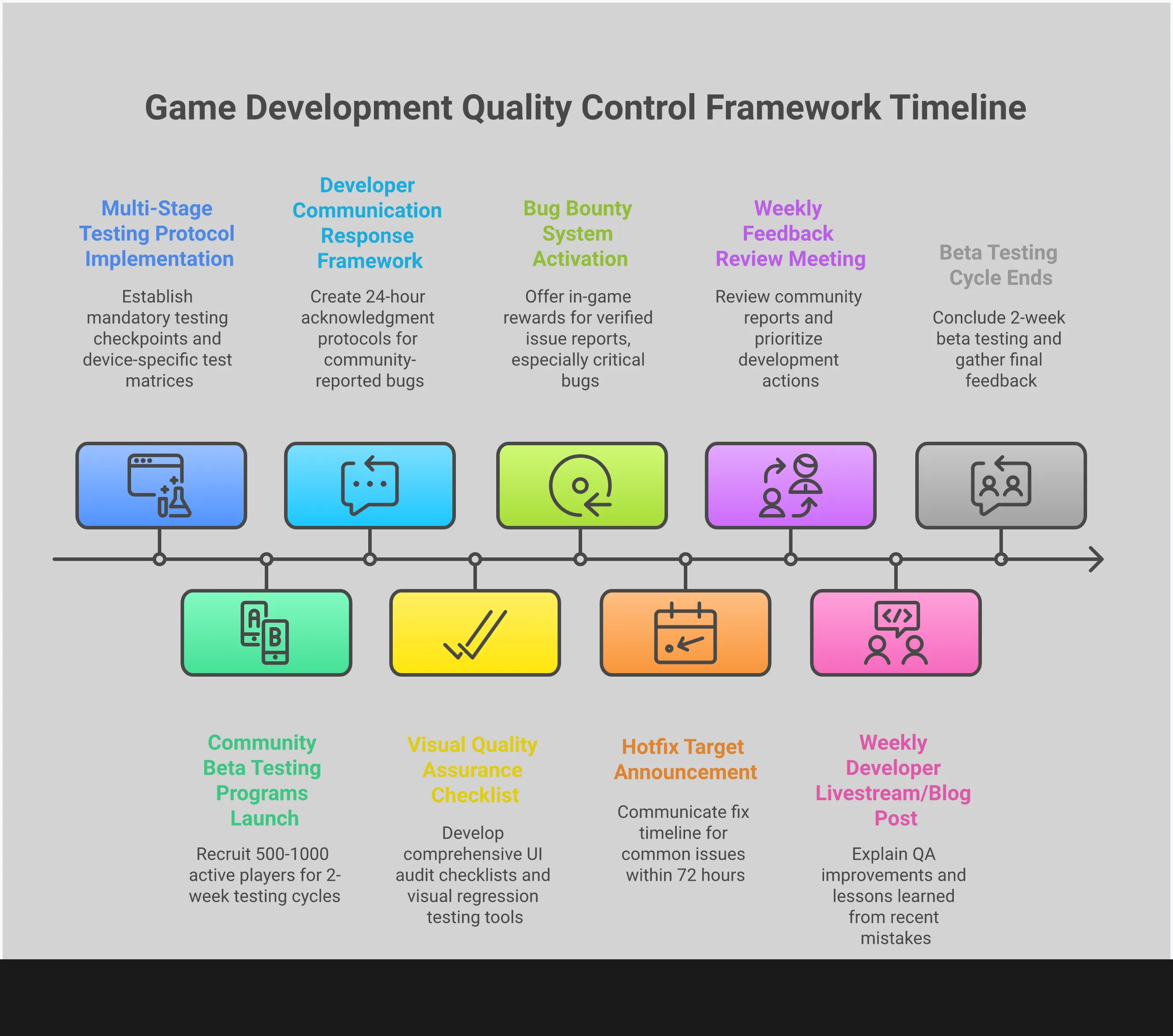
Ultimately, avoiding problems in a game relies on strong quality assurance, or QA. This isn’t simply about having a few people play the game and look for mistakes. Today’s QA is a carefully planned process that makes sure the game works correctly on all devices and in every possible situation. It’s a crucial safety measure that catches everything from major crashes to smaller issues, like objects appearing incorrectly.
Good quality assurance (QA) does more than just fix errors; it safeguards how players experience the game. This includes testing how well the game runs and making sure new features are easy to understand. Cutting corners on these tests to meet a deadline is risky. Even one noticeable problem can ruin player trust and negate all the effort put into an update.
User-Focused Checks That Catch Real Problems
No matter how thoroughly a game is tested internally, it’s impossible to anticipate every scenario. That’s why involving players is so important. They explore the game in countless ways, and their combined experiences provide incredibly valuable insights. Public test realms (PTRs) or beta tests for big updates let developers collect feedback from how people actually play the game.
It’s not just about getting free help with finding bugs; it’s about building relationships. When game developers connect with their players and show they value their feedback, it creates strong loyalty. Players who feel like their opinions matter are more supportive of the game and understanding when small problems occur. Ignoring this valuable community means missing out on important ideas and potentially losing your most passionate fans.
How Should Devs Respond When Players Find Bugs?
When a flawed update is released, players quickly notice and begin sharing problems online. How developers respond to these issues is crucial for maintaining a good relationship with their community. Ignoring player feedback is damaging, as it makes them feel unheard. Offering excuses is even worse, as it can seem dismissive and deflect responsibility.
Moving forward, it’s not about ignoring what went wrong, but about addressing the consequences openly and clearly. Players put a lot of time, energy, and money into games, and they deserve quality and good support. How a game studio handles its mistakes will either build or destroy the trust of its players. This is a critical moment – it can either push a dedicated fanbase away or bring them together, potentially even turning a frustrating problem into a positive community experience. Ultimately, it’s less about the technical issue itself and more about how the studio communicates with and supports its players.
Acknowledge the Mistake, Skip the Excuses
Okay, so as a player, when I find a bug, the best thing a developer can do is just admit it’s a problem. Seriously, no need to get defensive or try to explain how it happened – we don’t want excuses! We just want to know someone recognizes it’s frustrating. A quick message like, “You’re right, that’s not how it’s supposed to work, and we’re fixing it,” goes a long way. It just shows they respect us and the time we’re putting into the game. When devs actually listen to what we’re saying and take ownership, it feels amazing. It turns a frustrating situation into something where we’re all working together to make the game better, and that’s huge!
Build Trust with Transparent Communication
Once you’ve recognized a problem, it’s crucial to communicate openly and honestly. Being transparent is key to regaining player trust. You don’t need to share every technical detail, but clearly explain your plan to fix things. Keep players updated on what the team is doing, give them a realistic timeframe for a solution, and explain how you’re working to prevent future problems. Sharing information about your game’s quality assurance process shows players you’re committed to making a great game. This honesty can turn frustrated players into understanding and patient supporters.
What Do Players Actually Want from an Update?
New updates always create a buzz, and players get excited about fresh content and improvements. However, that excitement can quickly disappear if the update is buggy, feels unfinished, or is just poorly executed. It’s frustrating when it seems like the development team didn’t properly test the changes before releasing them.
Ultimately, players aren’t asking for huge, constant changes. We just want a game that feels well-maintained. Updates should be high-quality and, crucially, shouldn’t ruin the things we already enjoy. It’s a simple ask, but it’s often overlooked in the eagerness to release new content. Most players really want two things: a polished experience and a good balance between new features and a game that works without frustrating bugs.
The Community’s Standard for Polish and Function
Honestly, when players spot something as clear as gems displaying backwards, it’s not just a funny mistake. It shows the update was likely released too quickly without enough testing. One Reddit user perfectly captured the annoyance, asking how nobody noticed such a simple error. This feedback really emphasizes what players want: a little more attention to detail.
Even minor visual glitches don’t ruin the gameplay, but they can make players lose faith in the game. They suggest a disregard for the time and effort players put into it. Valuable feedback from the community isn’t just about new ideas – it’s about maintaining a high standard that makes the game feel polished, professional, and enjoyable.
Balancing New Features with a Bug-Free Game
All game developers struggle with balancing new content and maintaining a stable game. However, players generally prefer a smooth, reliable experience with the existing game over new features that might be riddled with bugs. While exciting, new content isn’t worth it if it makes the game unstable or unplayable.
That’s where thorough quality assurance becomes crucial. Good game QA doesn’t just mean avoiding crashes – it’s about making sure the whole game feels smooth and well-designed. It’s tempting to rush out new content, but the best updates strike a good balance between new features and stability. Ultimately, players will always prefer a reliable game over one filled with bugs, even if it has exciting new additions.
The True Cost of a Rushed Update
It’s great when a new update arrives, but that excitement quickly turns to disappointment if it’s full of noticeable mistakes. A hasty update doesn’t just cause a few bugs—it damages the trust between the game’s creators and its players. It suggests, whether intentional or not, that getting things done quickly is prioritized over quality and player satisfaction. Eventually, this erosion of trust is something no amount of new features can fix.
How Small Glitches Damage Long-Term Trust
A flipped gem might seem like a small error, but for players who care about detail, it’s a clear sign of a problem. One player on Reddit perfectly summed it up, saying, “The gems are backwards, seriously, didn’t anyone notice?” It’s not just the mistake itself, but the feeling that the developers didn’t take the time to properly check their work. These little flaws can make players lose confidence in the entire update – if something so obvious was missed, what other issues might be hidden? Every quick fix and overlooked detail hurts the player experience, highlighting how important careful quality control is.
Why Polish Matters More Than Flashy Content
Gamers generally prefer a game that runs smoothly and is well-made over one filled with new, but flawed, features. While exciting new content can grab attention initially, a reliable and consistent experience is what keeps players coming back. Ignoring obvious problems or releasing changes players have cautioned against can be frustrating. Good game testing isn’t just about finding bugs; it’s about keeping players happy and invested. The most popular games thrive because they have a strong connection with their community, valuing player feedback as a crucial part of improving the game, rather than dismissing it.
Related Articles
- Deus Ex LFG: Connect with Other Augs in LFG Feature on Z League App
Frequently Asked Questions
People are understandably upset about this small visual issue, and it’s a fair question to ask why there’s such a reaction. While it seems minor on its own, the bug points to a bigger problem: it suggests the update wasn’t thoroughly tested before release. This can make players feel like the game isn’t being carefully maintained, and worry about other, more significant issues that might be present. Essentially, the frustration isn’t with the bug itself, but with a decline in trust regarding the game’s overall quality.
It’s frustrating to see clear bugs in a game, and there’s a common reason why they happen. When developers work on a project for a long time, they become accustomed to how things should work and can miss simple errors that are obvious to new players. While internal testing teams are important, they can’t test every possible situation on every device like millions of players will when a new update is released.
Have you noticed game updates seem more rushed lately? You’re right to think that. The gaming industry, particularly for games that are constantly updated, faces huge pressure to release new content quickly and keep players interested. This leads to very tight deadlines. When speed is the main focus, important steps like careful testing and polishing details often get overlooked. It’s not that developers are doing a worse job, but the demand for faster updates can unfortunately result in less refined releases.
When developers make a mistake, the best approach is usually to take responsibility immediately and explain the situation clearly. Players don’t need lengthy explanations—they just want to feel acknowledged. A simple statement like, “We’re aware of the problem and are working on a solution,” can significantly ease frustration. Following that, being open about how long the fix will take and what steps are being taken to prevent similar issues in the future can help restore player trust.
Does posting about game bugs on social media actually make a difference? Yes, it really can. Even if it feels like no one is listening, when a lot of players share the same problems, it’s a very effective way to get developers’ attention. It lets them know about issues much quicker than if players submit individual help requests, and it shows them what’s most annoying to players. A community that speaks up is like a huge, instant testing team, and developers who pay attention find that feedback incredibly helpful for fixing problems.
Read More
- Clash Royale Best Boss Bandit Champion decks
- Vampire’s Fall 2 redeem codes and how to use them (June 2025)
- World Eternal Online promo codes and how to use them (September 2025)
- Best Arena 9 Decks in Clast Royale
- Country star who vanished from the spotlight 25 years ago resurfaces with viral Jessie James Decker duet
- M7 Pass Event Guide: All you need to know
- Mobile Legends January 2026 Leaks: Upcoming new skins, heroes, events and more
- Solo Leveling Season 3 release date and details: “It may continue or it may not. Personally, I really hope that it does.”
- JJK’s Worst Character Already Created 2026’s Most Viral Anime Moment, & McDonald’s Is Cashing In
- Kingdoms of Desire turns the Three Kingdoms era into an idle RPG power fantasy, now globally available
2025-12-08 15:04