Love, Data, and Algorithms: Navigating Romance in the Age of AI
As emotional connections blossom between humans and artificial intelligence, a new landscape of privacy concerns, boundaries, and expectations is emerging.
As emotional connections blossom between humans and artificial intelligence, a new landscape of privacy concerns, boundaries, and expectations is emerging.

Researchers have developed a novel AI model inspired by the navigation strategies of insects, achieving robust point-goal navigation with minimal pre-training.
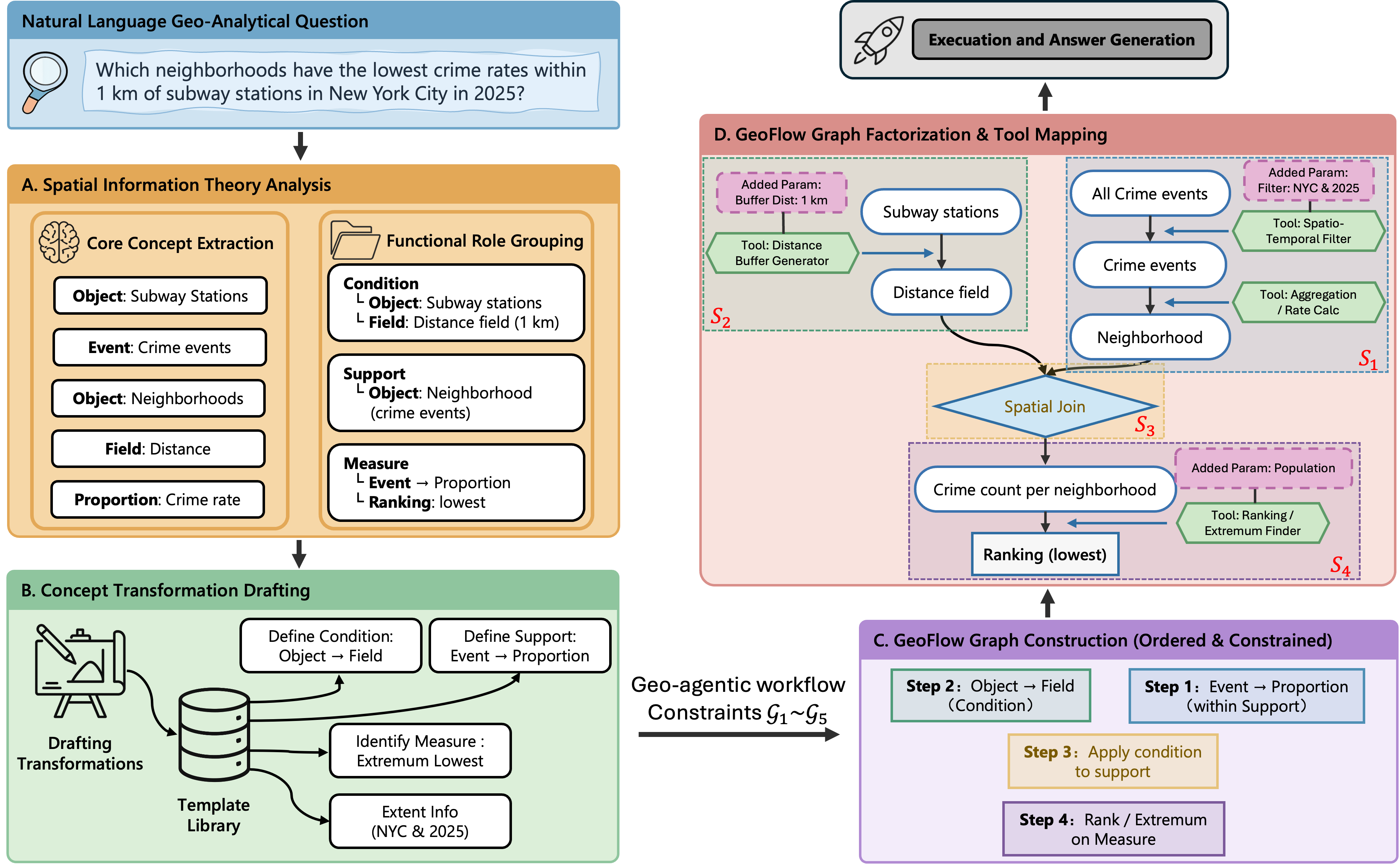
Researchers have developed a new AI agent capable of sophisticated geospatial reasoning by integrating established geographic science principles with cutting-edge artificial intelligence.
New research explores how integrating principles of Pavlovian and instrumental learning can accelerate the development of more adaptable and efficient autonomous agents.
A new system automatically synthesizes theories from vast amounts of scientific literature, revealing patterns and predictions beyond traditional knowledge.

A new approach combines the power of large language models with rapid, context-aware analysis to better detect and mitigate toxic behavior in live video chats.
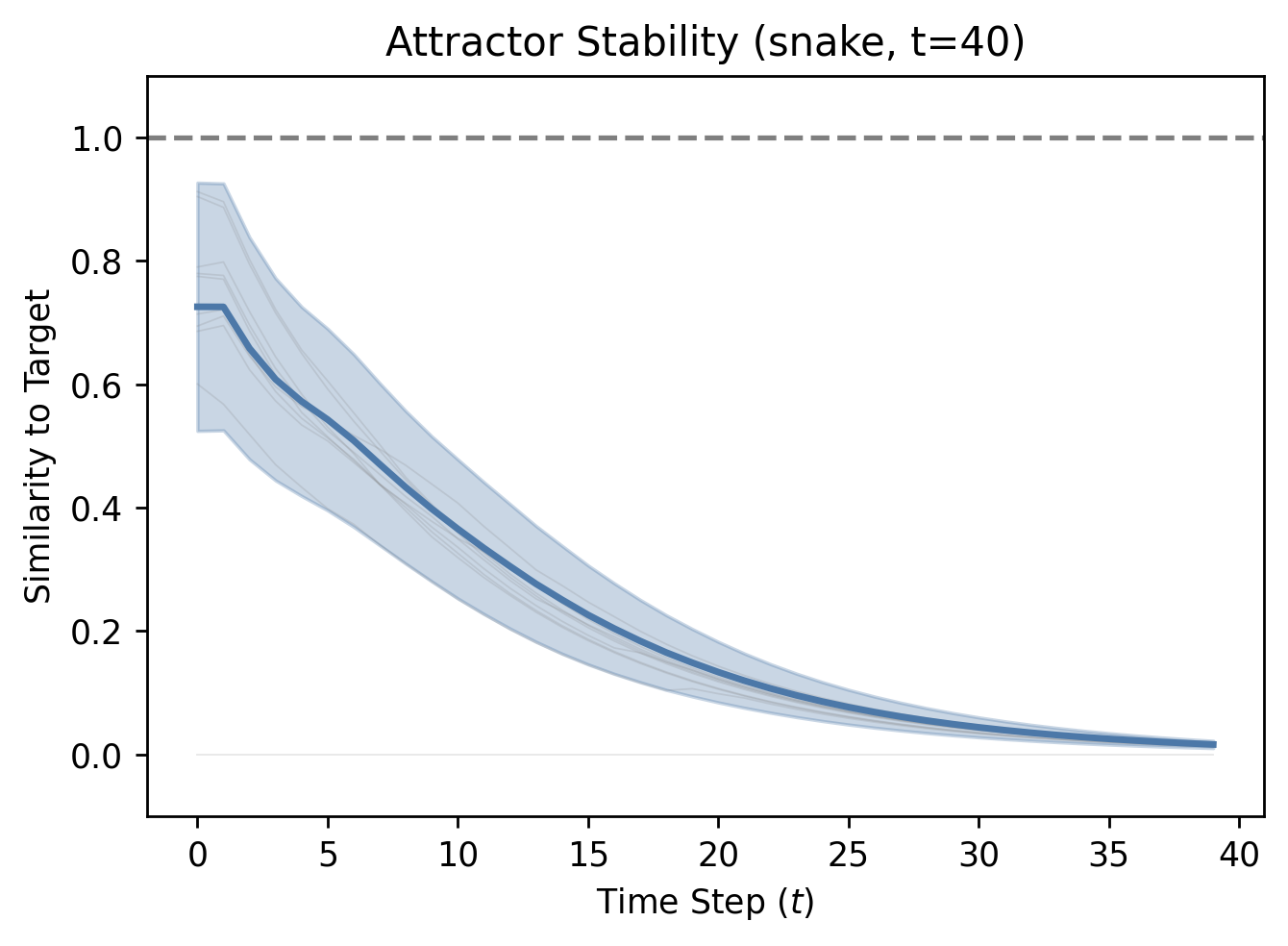
New research reveals the challenges continuous attractor networks face in learning meaningful transitions, and how geometric constraints can limit their ability to represent complex environments.
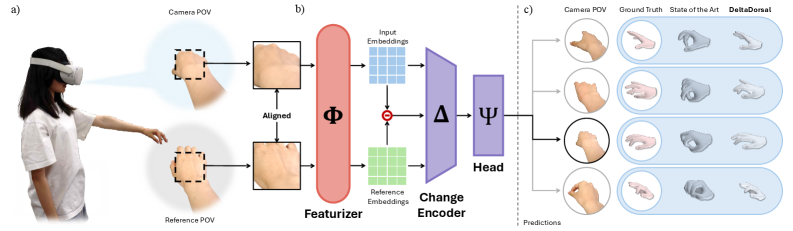
Researchers are leveraging subtle skin deformations on the back of the hand to dramatically improve the accuracy of hand tracking in first-person views.
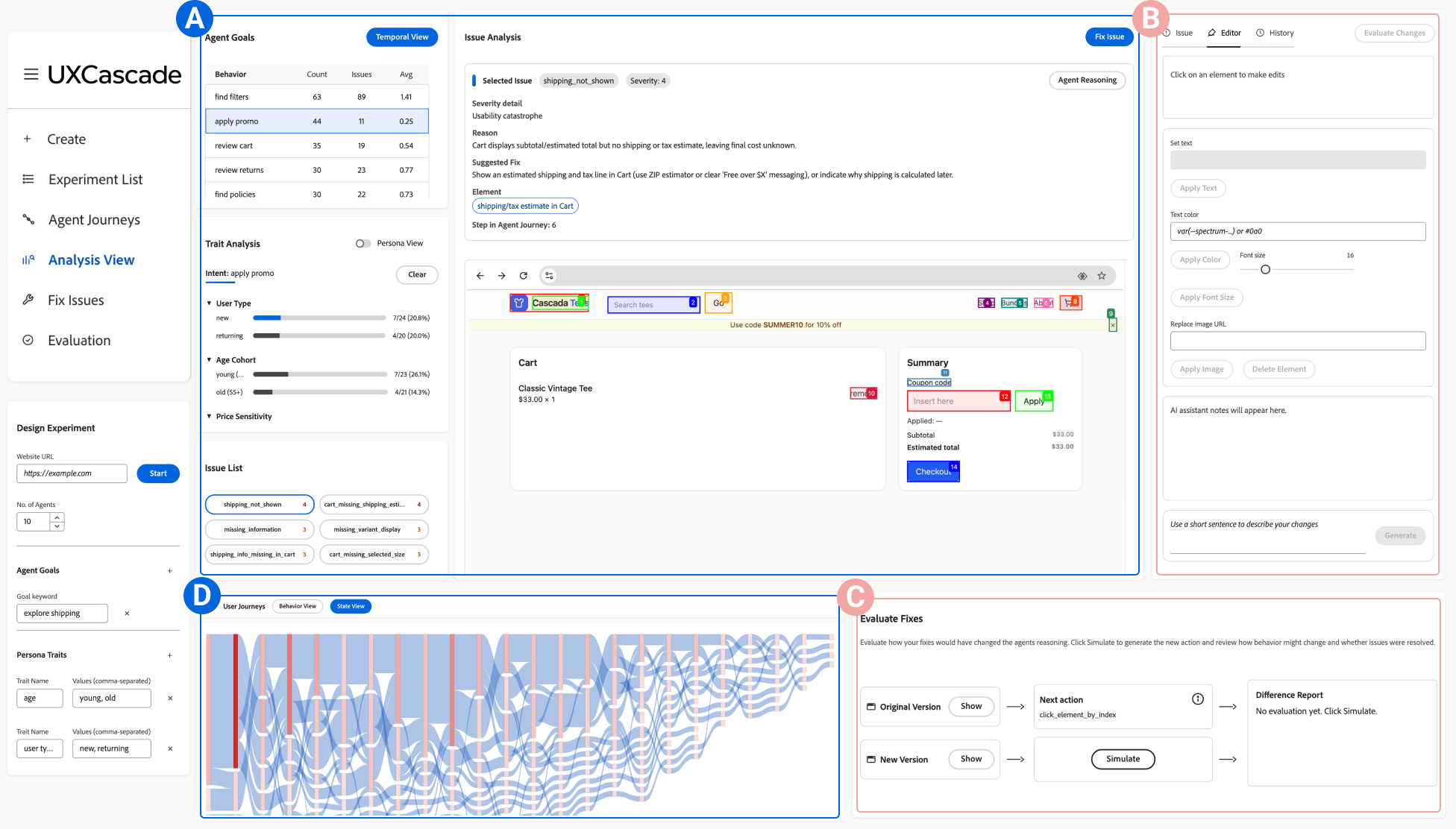
A new system uses artificial intelligence to generate realistic user interactions, dramatically increasing the speed and scale of usability evaluations.
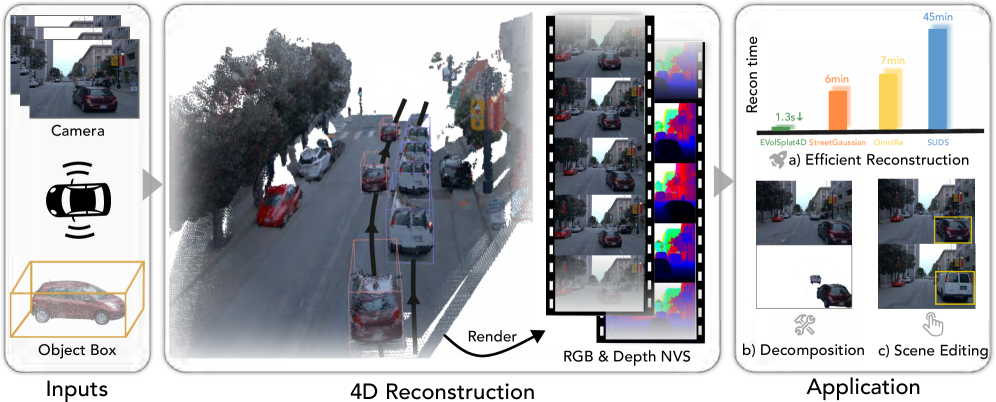
Researchers have developed a new method for efficiently reconstructing and rendering dynamic urban environments from sparse data, enabling real-time visualization and applications like autonomous driving.