Mapping the Unknown: AI-Powered Swarms for Environmental Intelligence
![The study demonstrates that an AI-augmented Distributed Two-Objective Coverage (D2OC) approach significantly improves coverage efficiency-as evidenced by the refined sample distribution-compared to a standard mission completion without AI, a performance gain achieved through an adaptive learning process monitored by the decreasing trajectory of the loss function [latex] L [/latex].](https://arxiv.org/html/2601.21126v1/figs/loss2.png)
A new decentralized control framework leverages artificial intelligence to enable multi-agent systems to efficiently map complex environments.
A new decentralized control framework leverages artificial intelligence to enable multi-agent systems to efficiently map complex environments.
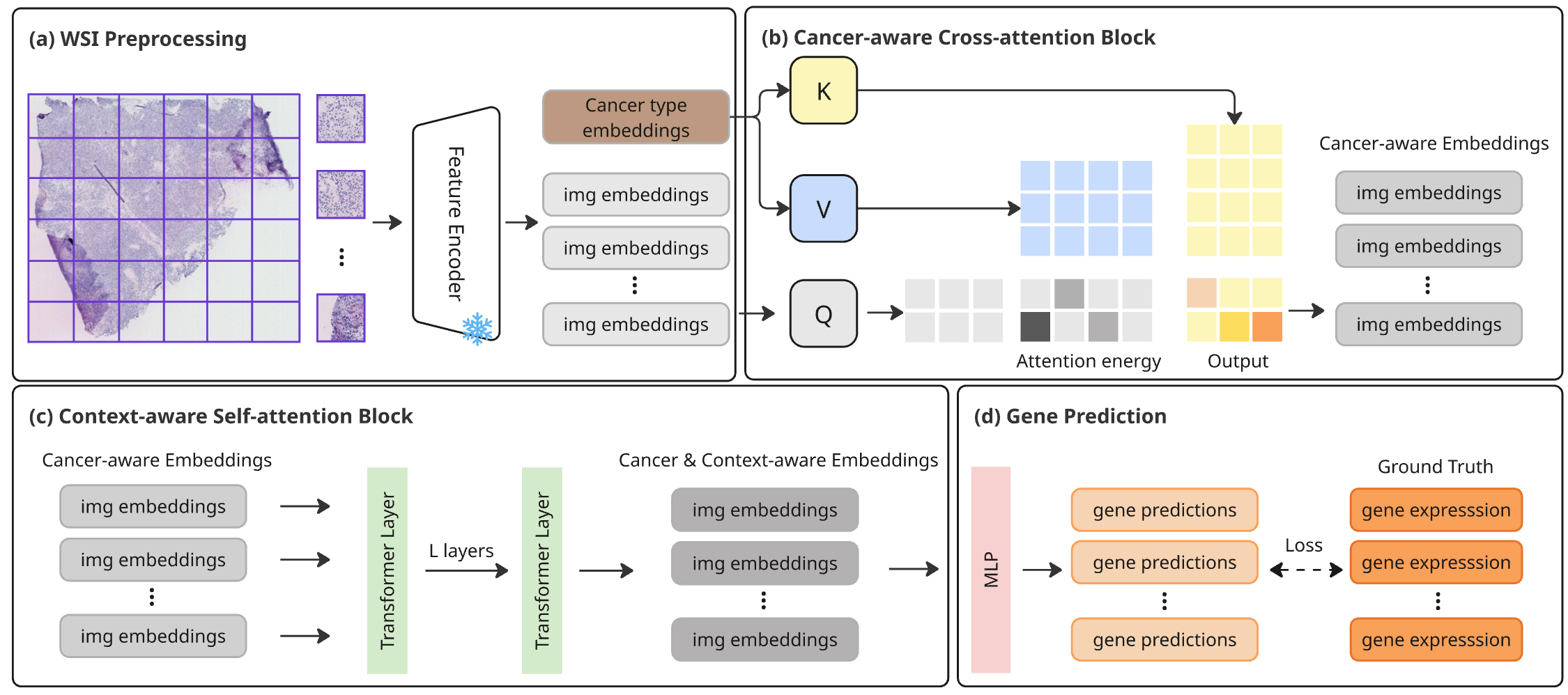
A new model accurately decodes biological activity from tissue images, offering a powerful way to analyze cancer pathways without relying on traditional genomic data.
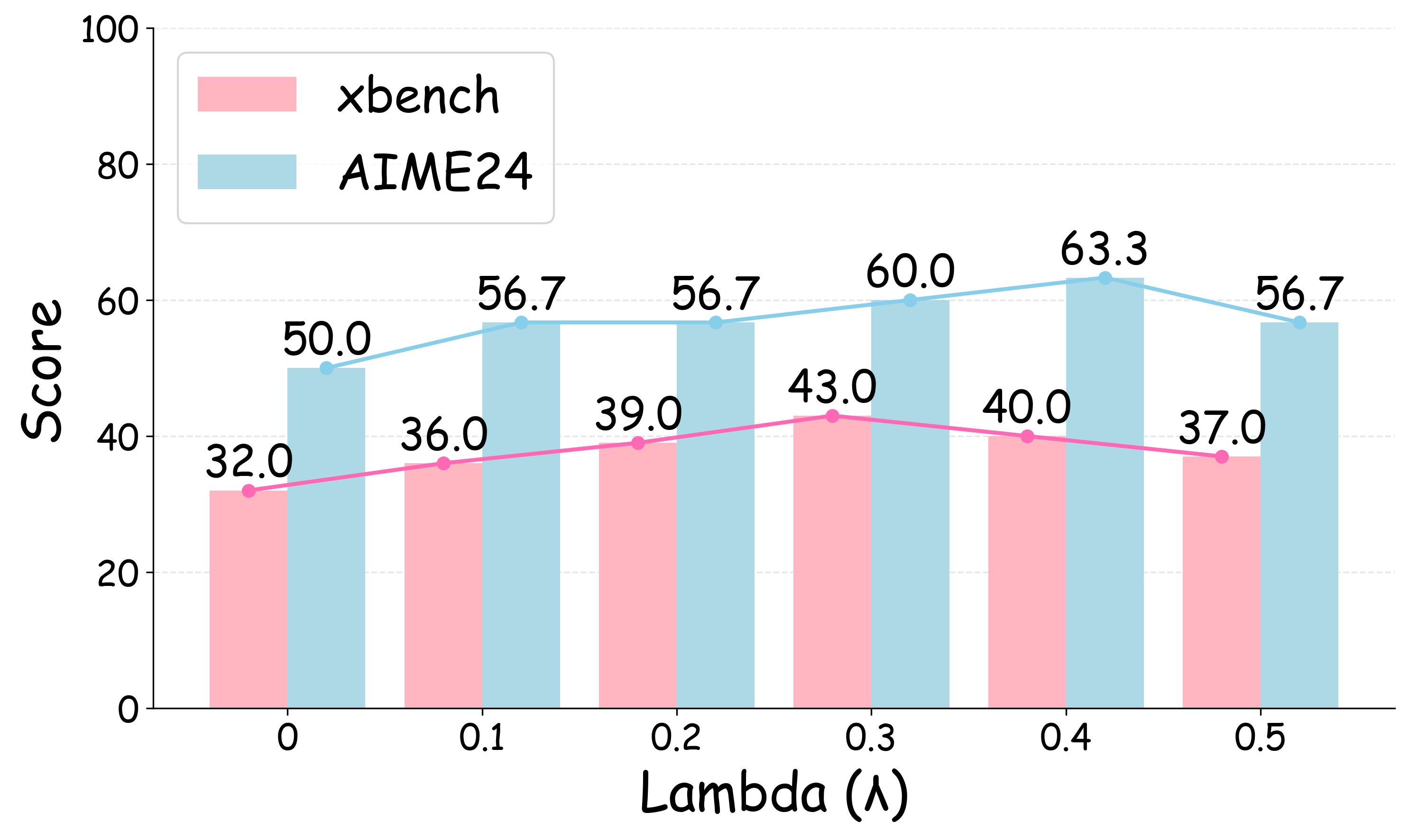
New research explores how providing feedback specifically on an agent’s reasoning process can dramatically improve its ability to solve complex tasks and utilize tools effectively.

A new framework leverages artificial intelligence to automatically explore and test previously unreachable code within Android applications.

New research explores how large language models can move beyond simply answering questions to actively seeking clarification, dramatically improving their performance on complex reasoning tasks.

New research demonstrates how generative artificial intelligence can significantly streamline the creation of domain-driven design models, offering a pathway to faster and more efficient software development.
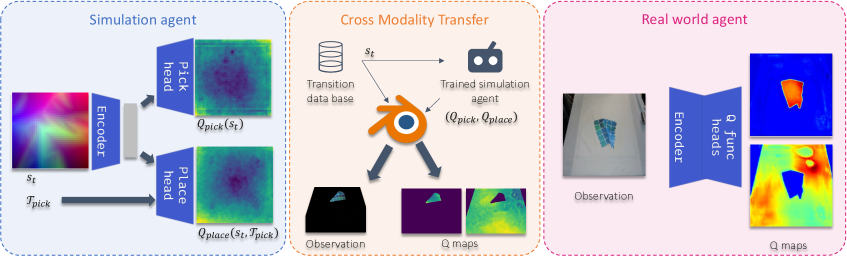
Researchers have developed a new reinforcement learning approach that improves data efficiency in teaching robots to manipulate cloth, even without human demonstrations.
A new framework dramatically improves the efficiency of AI agents by consolidating repetitive tasks and reducing reliance on costly large language model calls.
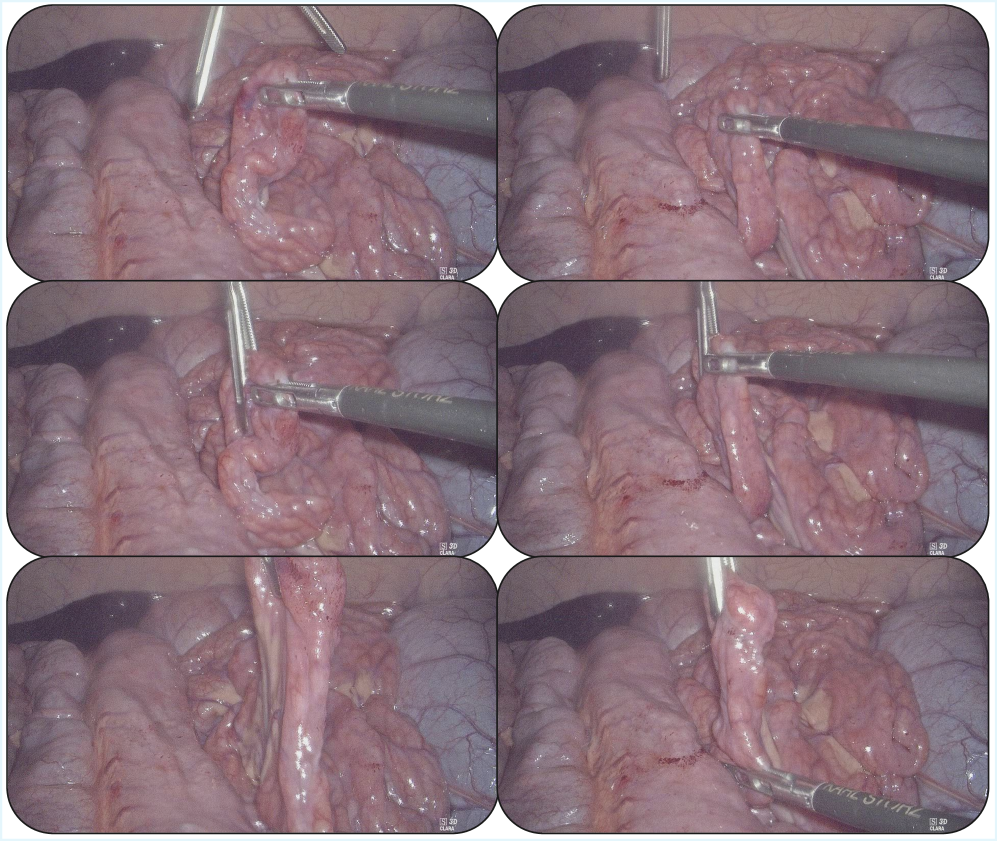
A new approach leverages the power of mixture-of-experts to significantly improve robotic surgery policies, even with limited training data.
A new artificial intelligence model accurately forecasts biochemical recurrence after prostatectomy by analyzing microscopic images of biopsy samples.