Taming Dusty Plasma with AI

A new framework and foundation models are poised to unlock the potential of machine learning for understanding and predicting the behavior of these complex systems.
A new framework and foundation models are poised to unlock the potential of machine learning for understanding and predicting the behavior of these complex systems.

A new agentic AI framework automates the analysis of 2D materials, promising faster characterization and fabrication for quantum technologies.
New research demonstrates how robots can learn to navigate spaces based on nuanced human preferences, moving beyond simple goal-oriented movement.
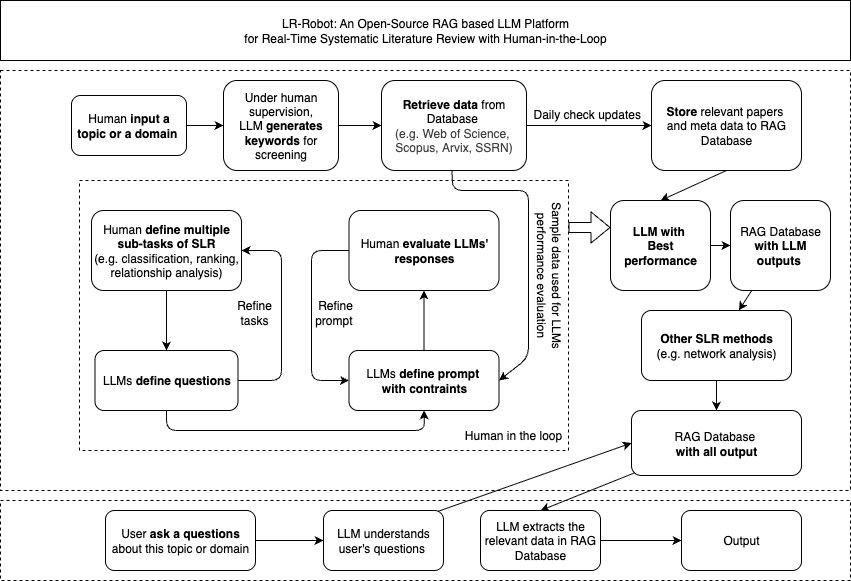
A novel framework leverages artificial intelligence and human expertise to dramatically accelerate and improve the systematic review process.

A new approach uses artificially generated research problems to train artificial intelligence agents in the iterative process of scientific discovery.
As artificial intelligence rapidly advances, understanding the complex interplay between human behavior and machine culture becomes crucial for shaping a beneficial future.

A new approach to training robotic manipulation skills focuses on exposing agents to a vast range of starting conditions, dramatically improving both simulation and real-world performance.

New research highlights that while artificial intelligence can dramatically improve the technical aspects of code review, human oversight remains essential for ensuring software quality and fostering knowledge sharing.

A new study introduces a dataset and framework for understanding how scientific claims in NLP are built upon, challenged, and refined over time.

A new study offers the first detailed look at how communities of AI agents interact online, revealing surprising differences from human social networks.