Beyond Equations: Machine Learning Boosts Dynamic System Forecasting
![Across the SIR, CR, and gases datasets, the average magnitude of forecasting error-measured as Mean Absolute Error [latex] MAE [/latex]-varied predictably with increasing noise levels, indicating a consistent sensitivity to data quality regardless of the specific time series being analyzed.](https://arxiv.org/html/2602.04114v1/test_Avg_MAE_per_noise_gases.png)
A new framework blends the strengths of mechanistic modeling and machine learning to achieve more accurate and interpretable predictions for complex systems.
A new framework blends the strengths of mechanistic modeling and machine learning to achieve more accurate and interpretable predictions for complex systems.
![The system integrates streaming egocentric vision and audio via a real-time multimodal language model to not only generate spoken dialogue but also to proactively issue low-latency function calls-such as directing gaze to specific people, objects, or areas-that dynamically update perceptual context and drive active perception through external tools like [latex]Look\_at\_Person[/latex], [latex]Look\_at\_Object[/latex], and [latex]Use\_Vision[/latex].](https://arxiv.org/html/2602.04157v1/figs/main_fig.png)
Researchers are developing new systems that enable robots to engage in more natural and grounded conversations by combining real-time sensory input with advanced language processing.
![Rapid contextual adaptation within the [latex]OLMo-2-{13}bin[/latex] system-demonstrated on a 16-unit linear topology-suggests a swift collapse of initial states into emergent, contextually-defined representations, indicative of a system prioritizing immediate relevance over sustained historical fidelity.](https://arxiv.org/html/2602.04212v1/x11.png)
New research reveals that while large language models can store information presented within a prompt, they consistently fail to effectively utilize those learned representations for complex reasoning tasks.
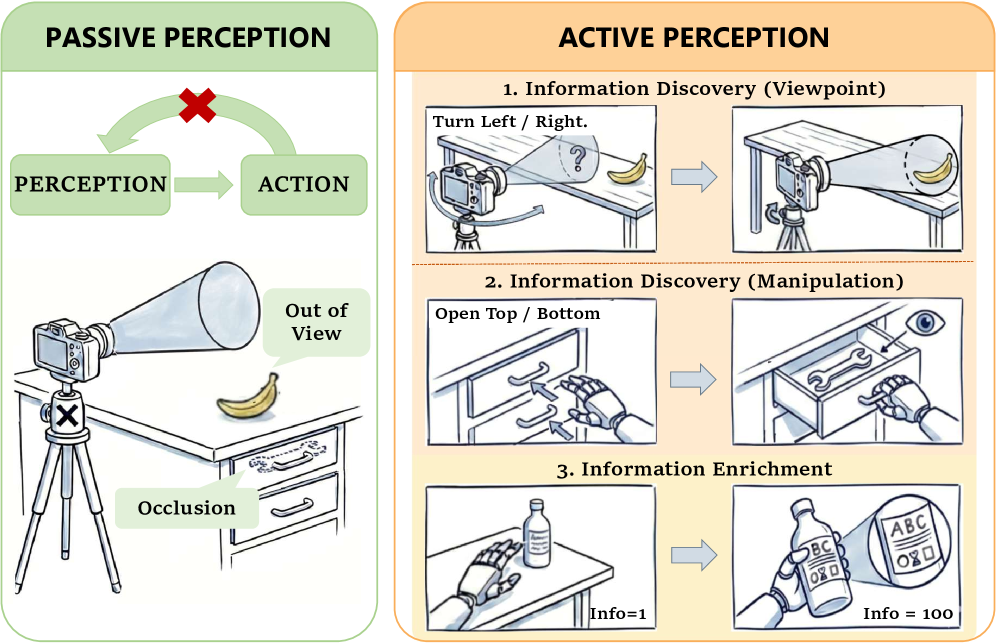
Researchers have developed a new AI framework that mimics human perception by actively seeking out information to improve its ability to manipulate objects in complex environments.
A new framework uses artificial intelligence to continuously update and refine scientific survey papers, keeping them current with the latest research.
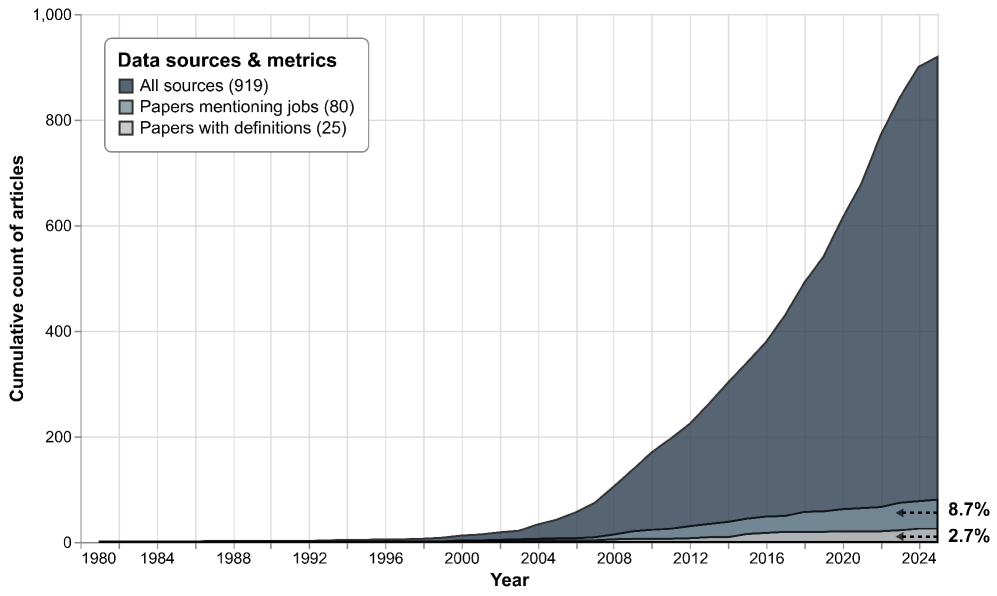
A critical analysis reveals the surprisingly shaky foundations of the ‘Dull, Dirty, Dangerous’ rationale for automation and proposes a new framework for understanding its impact on work.
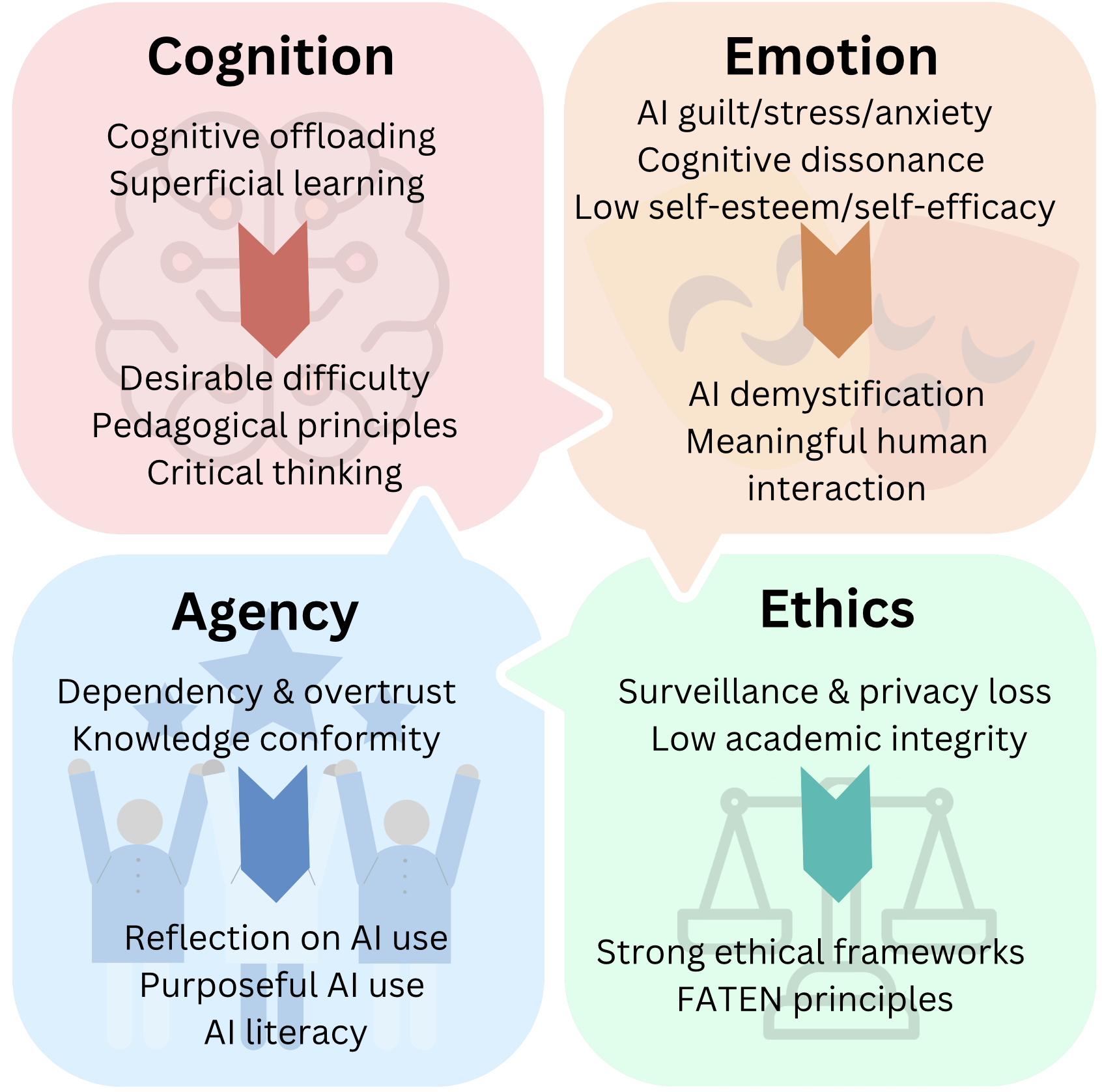
As artificial intelligence permeates education, we must critically examine its impact beyond test scores and consider the broader effects on students’ cognitive development, autonomy, and well-being.
![The system establishes a closed-loop interaction where human vocal input is processed by integrated software and a large language model to generate dynamic gestural responses from a robotic platform, thereby influencing subsequent human behavior and completing a cycle of affective feedback driven by [latex] \text{voice} \rightarrow \text{gesture} \rightarrow \text{response} [/latex].](https://arxiv.org/html/2602.04787v1/Figures/Affective_Expression_Loop.jpg)
Researchers have developed a novel robotic platform that combines soft robotics, artificial intelligence, and puppetry principles to create more engaging and emotionally resonant human-robot interactions.
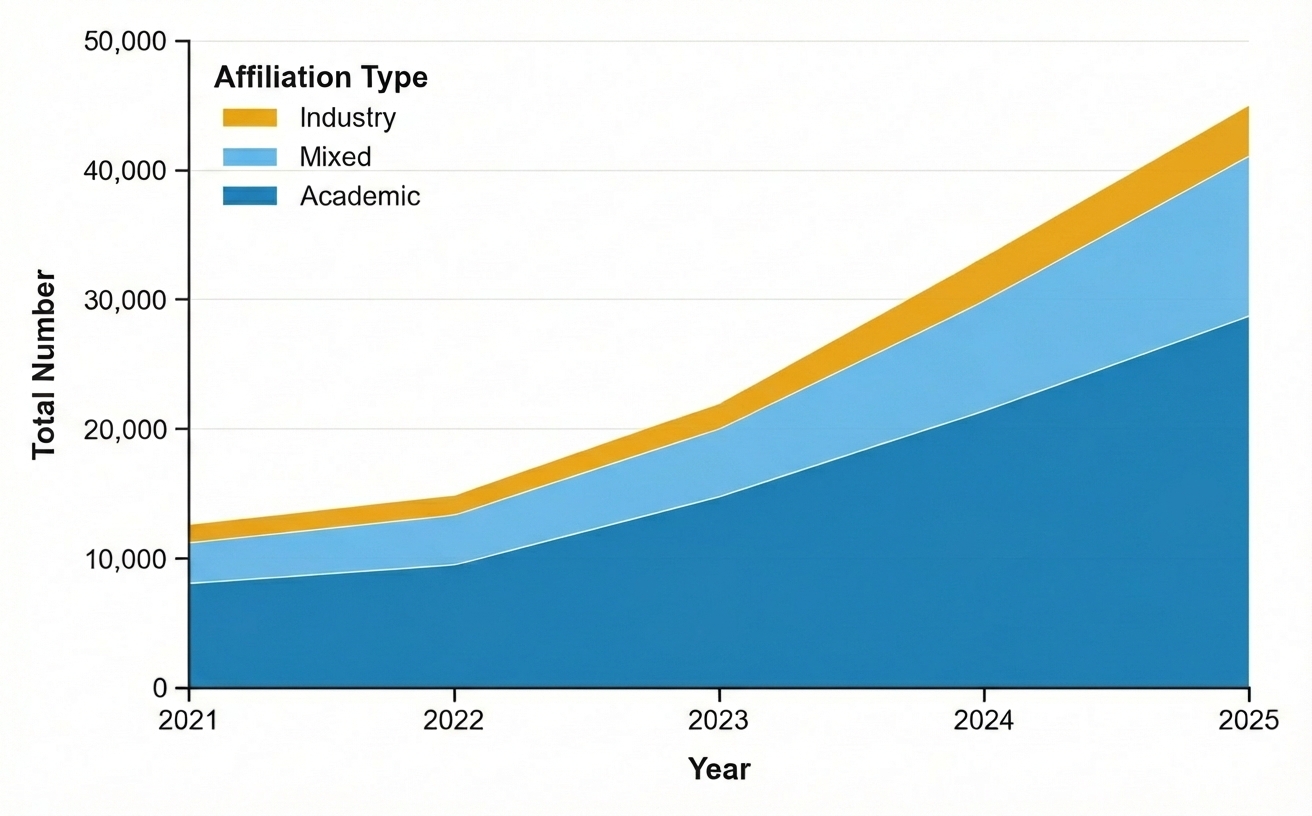
A new analysis reveals a surge in artificial intelligence research output, but finds limited evidence of increased partnerships between academia and industry.
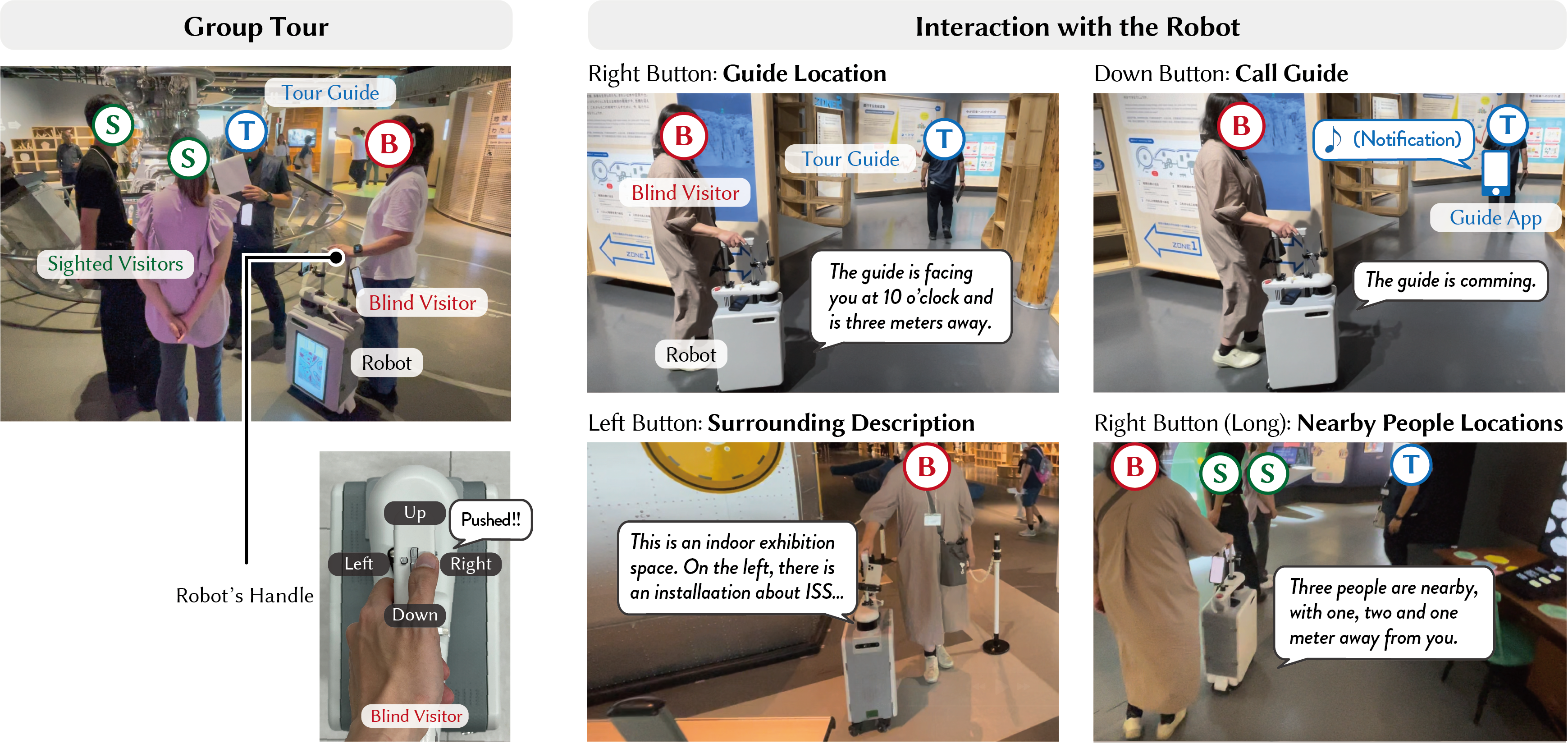
New research explores how assistive robots can enhance independence and social inclusion for blind individuals by leading and supporting them through shared experiences like museum visits.