Rewriting Causality with Physics
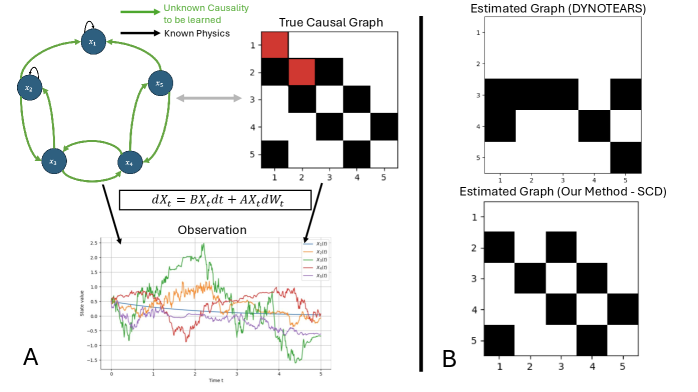
A new approach leverages physical laws to unlock causal relationships hidden within complex, changing data streams.
A new approach leverages physical laws to unlock causal relationships hidden within complex, changing data streams.
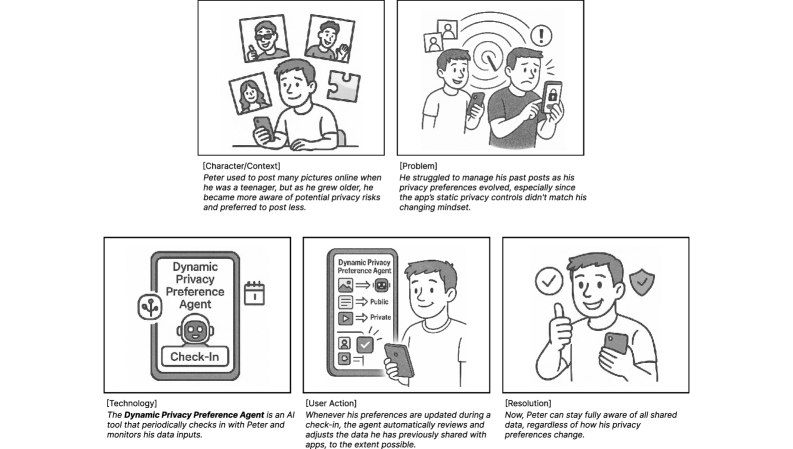
New research explores how AI-powered tools can move beyond pre-sharing privacy controls to dynamically manage personal data and respect evolving preferences across digital interactions.
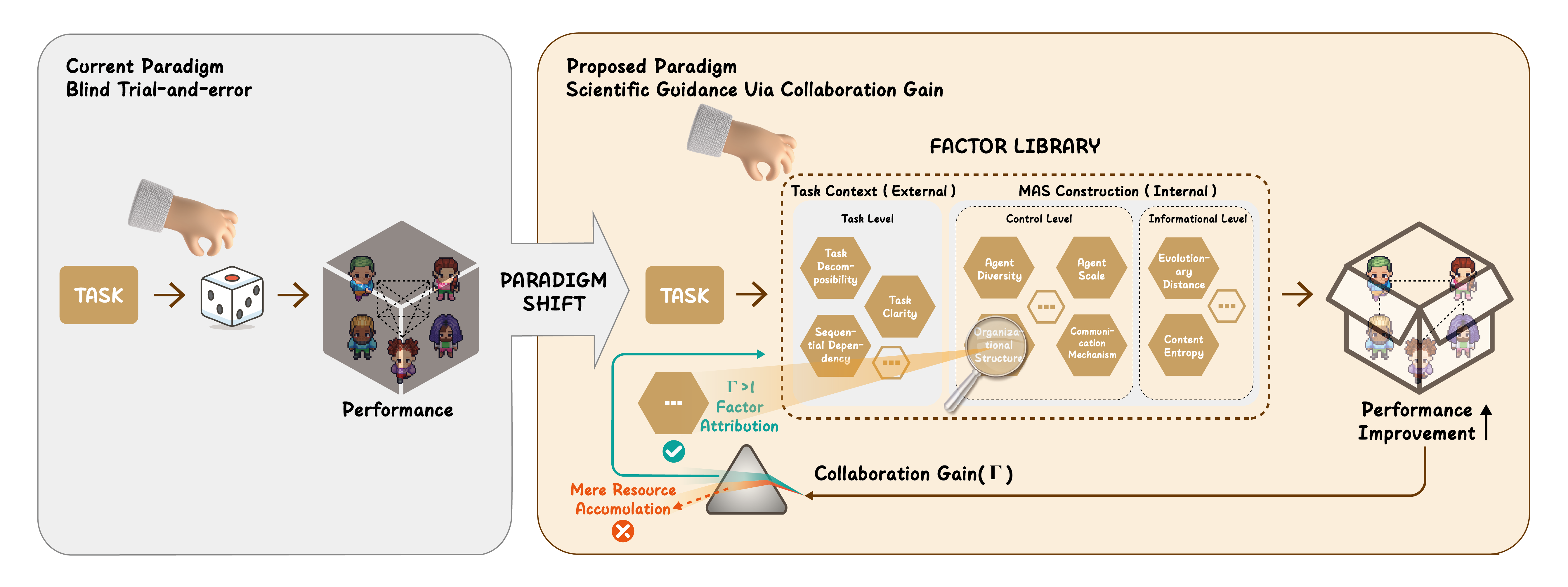
As AI agents increasingly collaborate, researchers are shifting focus from simply observing emergent behavior to establishing a science for understanding and maximizing the benefits of teamwork.
New research explores how deploying teams of ground robots, enhanced by artificial intelligence, can dramatically improve the effectiveness of urban search and rescue operations.
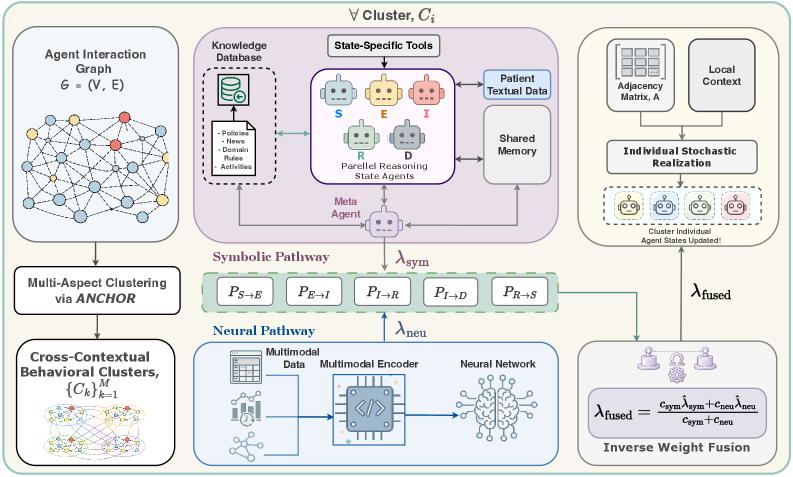
A new framework combines the power of artificial intelligence with agent-based modeling to create more accurate and scalable simulations of dynamic systems.
Researchers have developed a new framework enabling robots to more effectively and intuitively hand objects to humans, even when faced with unfamiliar tasks or items.
A new perspective challenges the assumption that artificial intelligence will simply replicate human thought, suggesting instead the emergence of uniquely structured, non-linear cognitive systems.
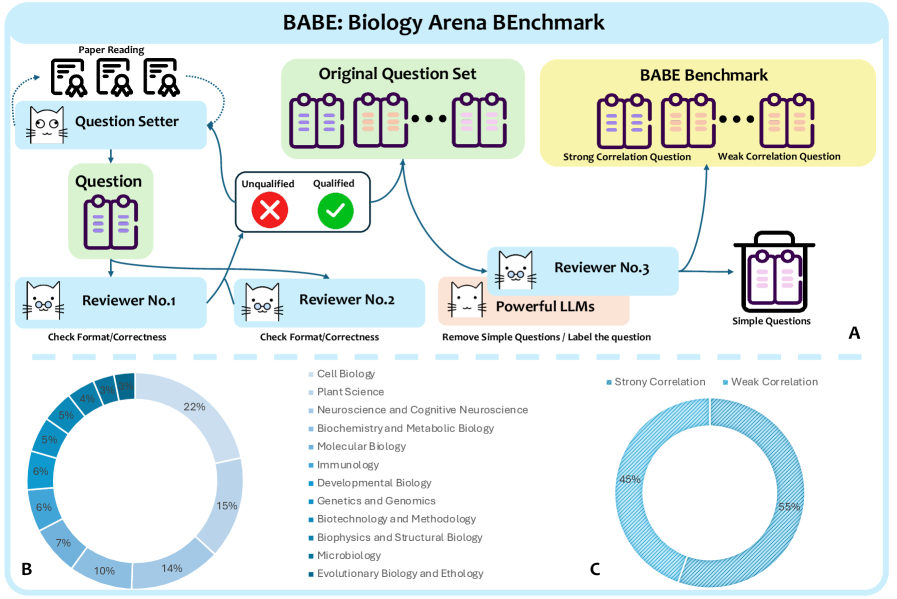
A new benchmark challenges large language models to move beyond memorization and demonstrate true experimental reasoning in the life sciences.
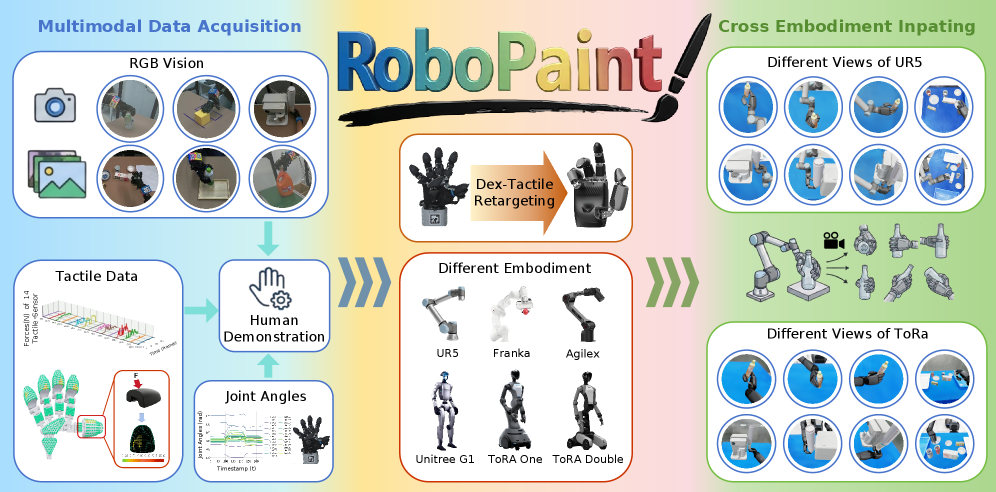
Researchers have developed a novel data pipeline that allows robots to learn complex painting tasks from human demonstrations, regardless of robot type or viewing angle.
New research reveals that current voice assistants struggle to match the nuanced, proactive support of a human helper during complex inspection sequences.