Guiding Robots: The Power of Well-Crafted Instructions
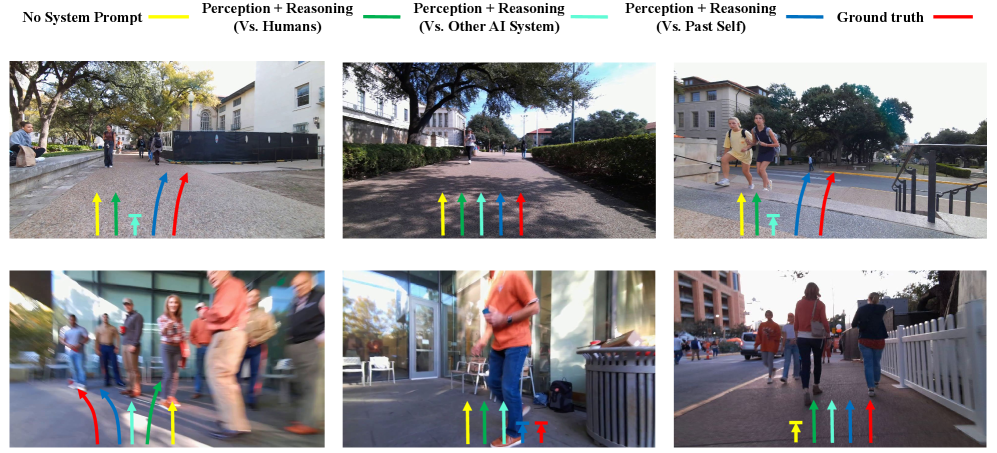
New research explores how carefully designed prompts can significantly improve a robot’s ability to navigate social spaces safely and effectively.
New research explores how carefully designed prompts can significantly improve a robot’s ability to navigate social spaces safely and effectively.
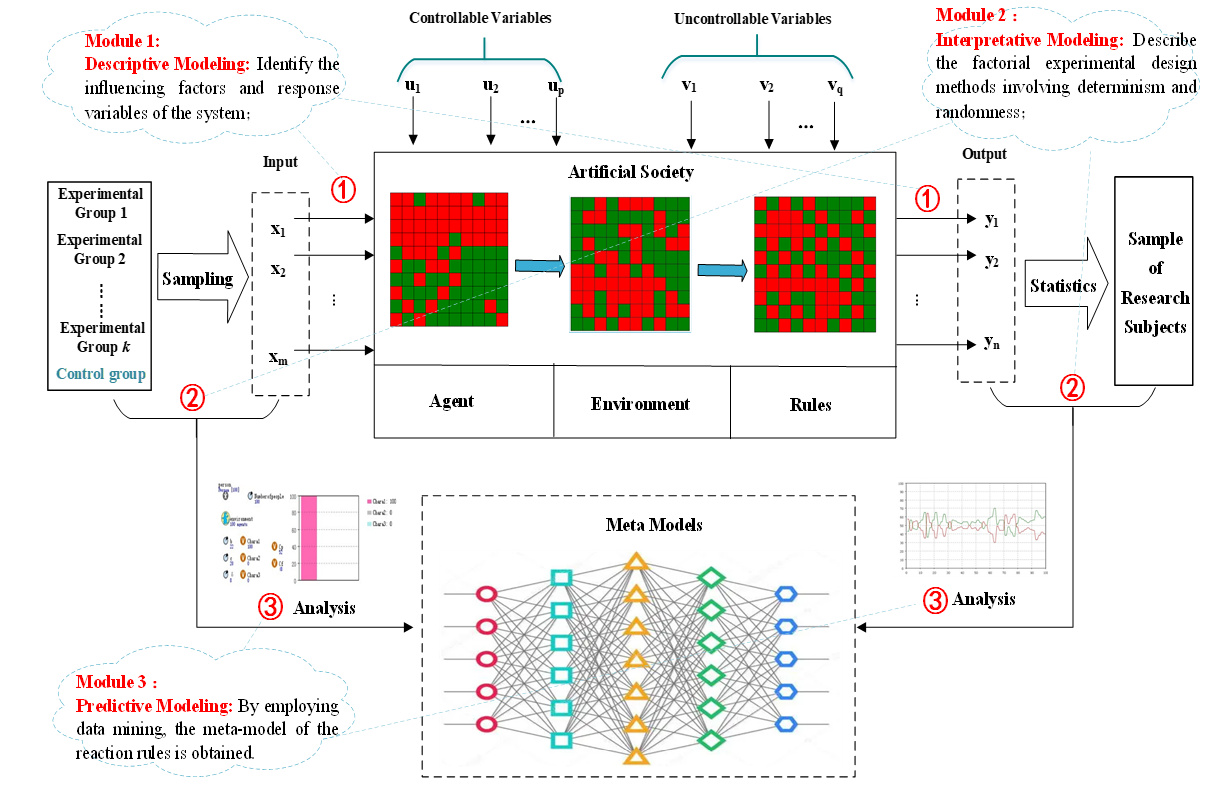
A new framework integrates computational experiments and causal reasoning to unpack the complexities of modern systems, offering insights into phenomena like rider behavior on food delivery platforms.
A new augmented reality system visually communicates a robot’s capabilities and limitations, fostering more effective and intuitive collaboration.
Balancing speed and accuracy in digital investigations requires a new approach that leverages the strengths of both artificial intelligence and human expertise.
A new analysis challenges the notion of ‘interpretable’ AI as uncovering inherent model logic, instead framing it as a dynamic process shaped by interactions between humans and machines.
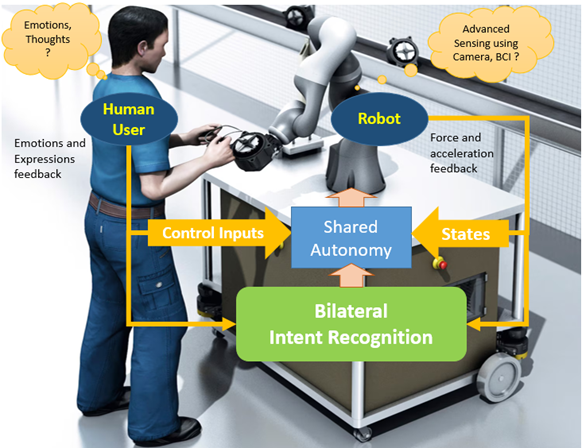
A new framework leverages probabilistic modeling to enable collaborative robots to better understand and respond to human intent in industrial settings.
A new review explores how natural language can unlock seamless teamwork between humans and multiple robots in shared environments.
A new paradigm for software architecture envisions systems that dynamically adapt and improve themselves by generating and deploying code at runtime using generative AI.
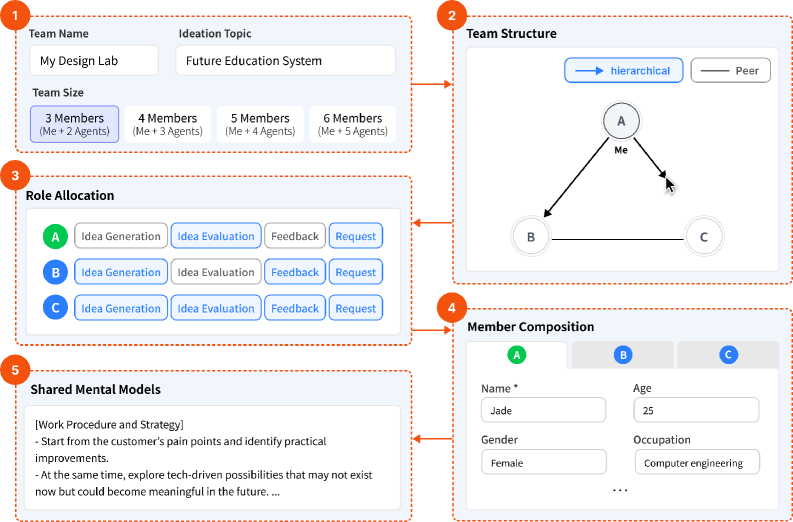
New research reveals that unlocking creative potential with artificial intelligence requires more than just assembling a team of agents – it demands human guidance and critical judgment.
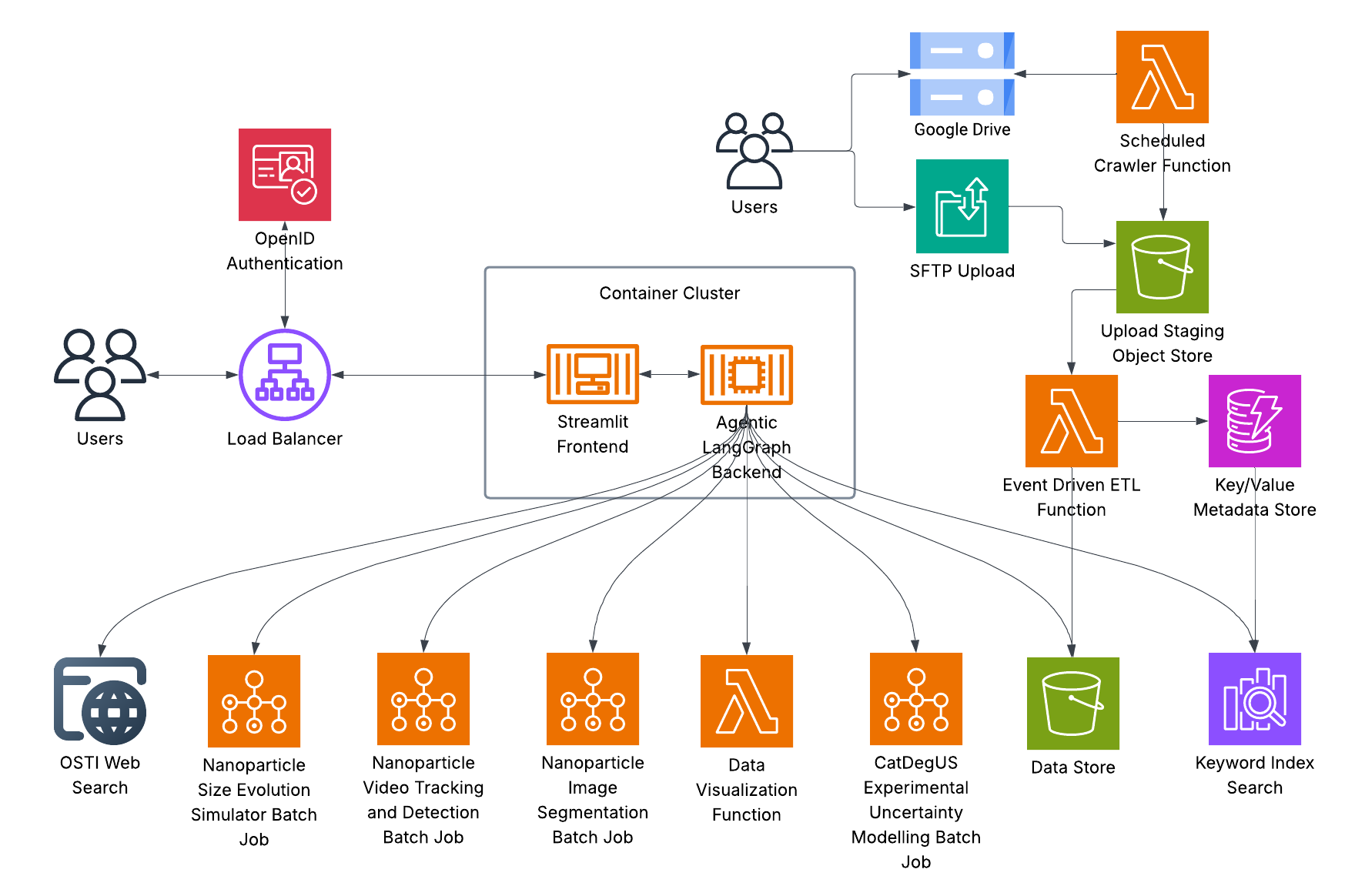
A new framework leverages the power of artificial intelligence to streamline scientific workflows and accelerate research in complex fields like catalysis.