Inside the Chatbot Mind: How Showing AI ‘Thinking’ Changes User Experience
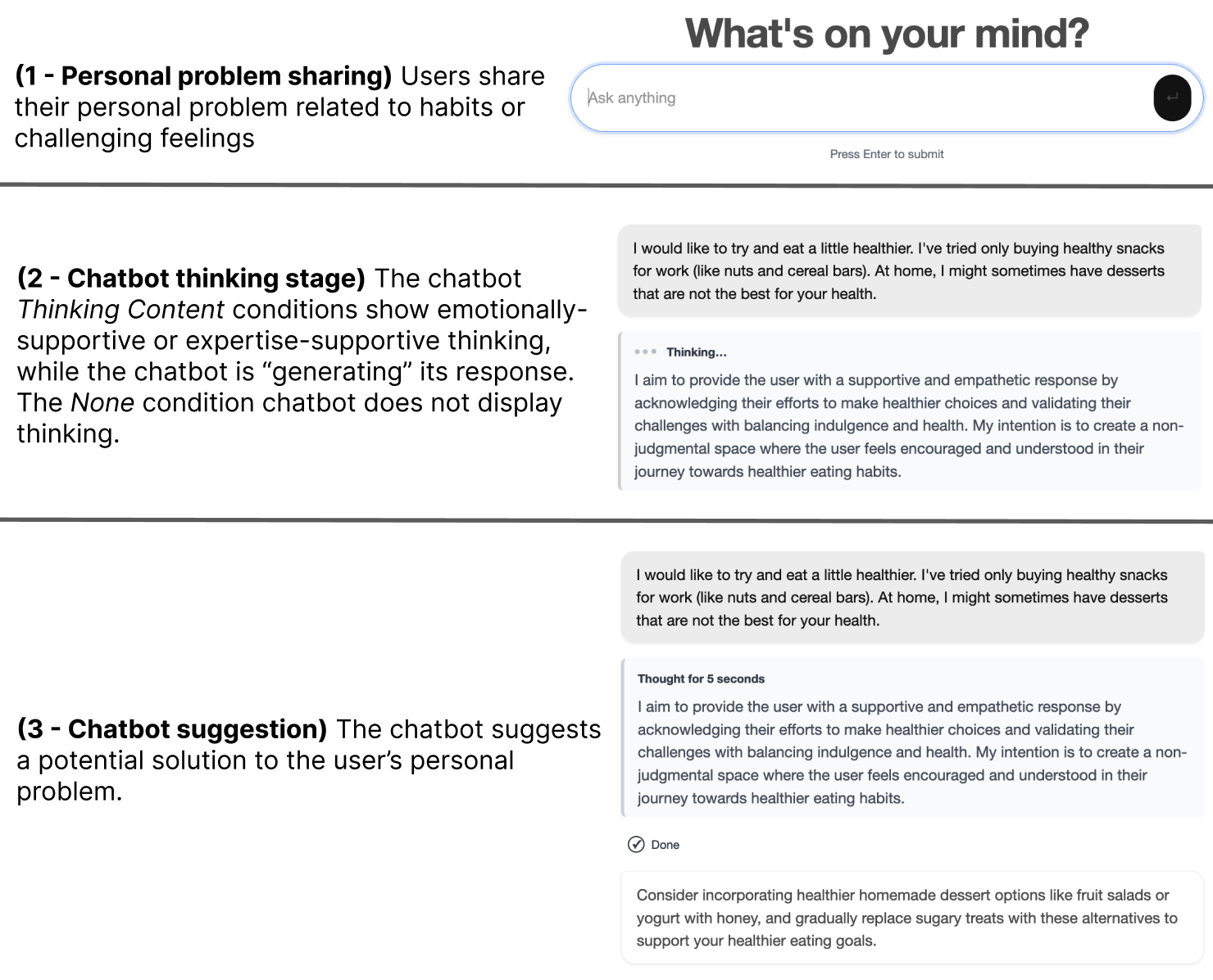
New research explores how making a chatbot’s reasoning process visible impacts how users perceive its empathy, warmth, and overall competence.
New research explores how making a chatbot’s reasoning process visible impacts how users perceive its empathy, warmth, and overall competence.
![The system, REprompt, functions as a recursive loop, continually refining prompts based on previous outputs-a process mirroring the unpredictable growth of any complex ecosystem where each iteration introduces the seeds of future, unforeseen adaptations and potential systemic failures, formalized as [latex]P_{t+1} = f(P_t, O_t)[/latex], where [latex]P_t[/latex] represents the prompt at time <i>t</i> and [latex]O_t[/latex] denotes the observed output.](https://arxiv.org/html/2601.16507v1/x1.png)
A new framework leverages the principles of software requirements engineering to craft effective prompts for large language models, boosting the quality of generated code.

A new study examines the quality of code generated by AI to manage software builds, revealing both improvements and potential pitfalls.
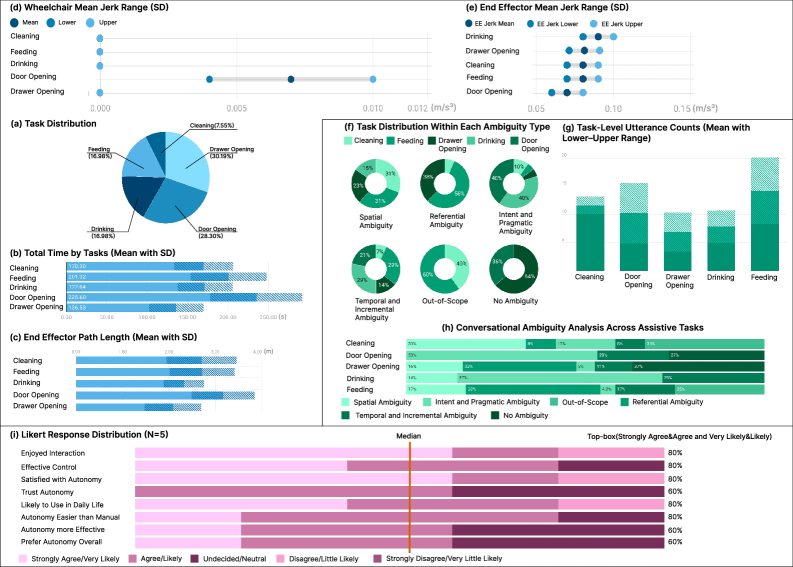
Researchers have developed a new framework and dataset to improve how robots interpret ambiguous commands during assistive tasks, paving the way for more natural and effective human-robot collaboration.
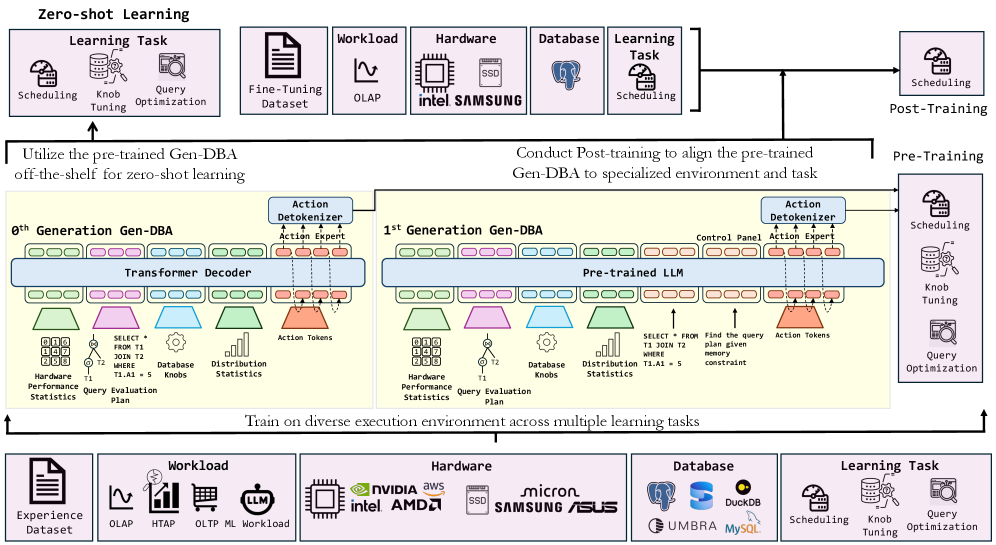
A new approach harnesses the power of foundation models to discover database optimization strategies previously unseen by human experts.
Researchers have built a more biologically accurate eight-legged robot to investigate how spiders dynamically adjust their posture to improve web-based vibration detection.
As emotional connections blossom between humans and artificial intelligence, a new landscape of privacy concerns, boundaries, and expectations is emerging.

Researchers have developed a novel AI model inspired by the navigation strategies of insects, achieving robust point-goal navigation with minimal pre-training.
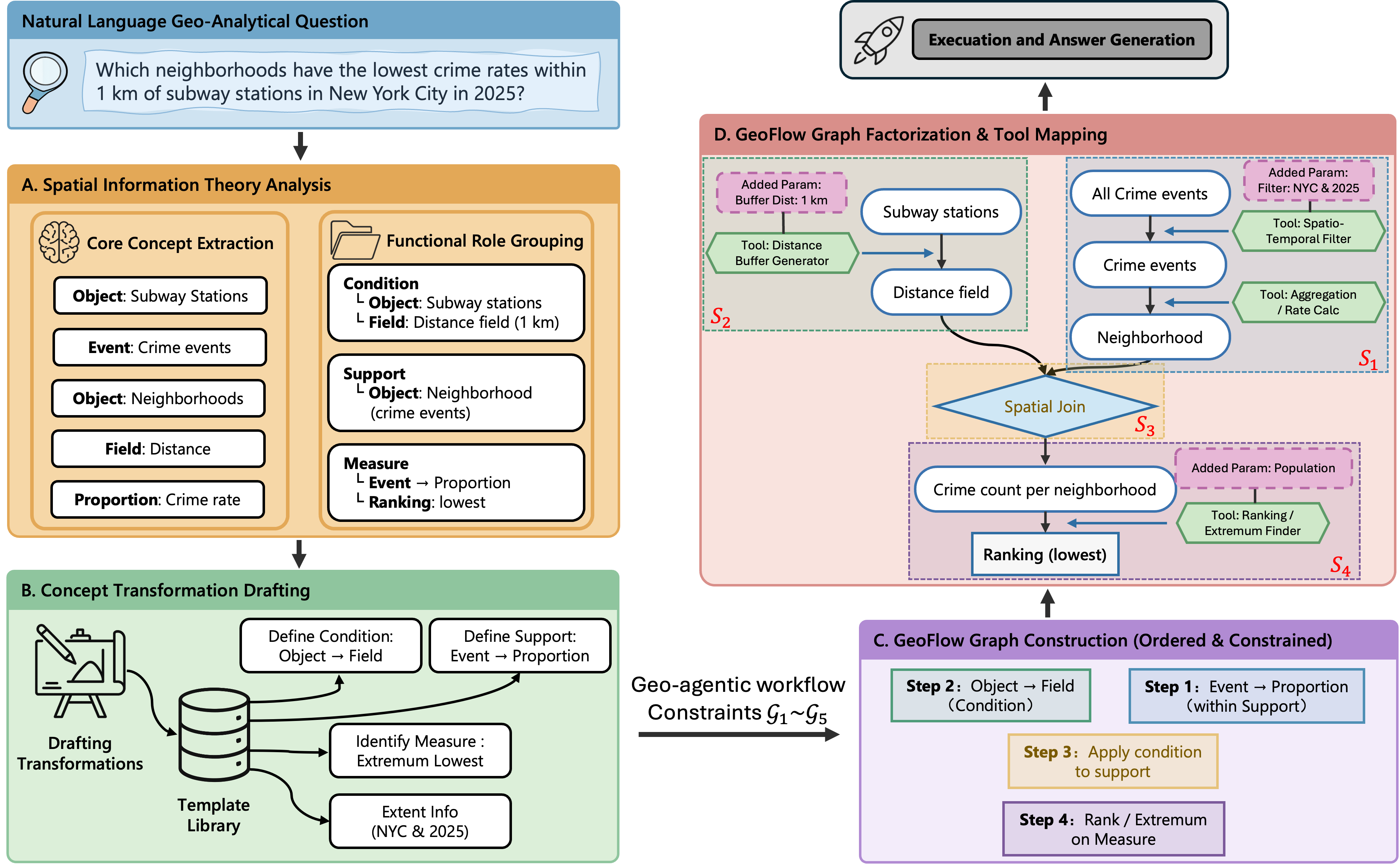
Researchers have developed a new AI agent capable of sophisticated geospatial reasoning by integrating established geographic science principles with cutting-edge artificial intelligence.
New research explores how integrating principles of Pavlovian and instrumental learning can accelerate the development of more adaptable and efficient autonomous agents.