Can AI Think Like a Scientist?

A new benchmark assesses whether artificial intelligence can tackle complex, open-ended scientific problems at an expert level.
A new benchmark assesses whether artificial intelligence can tackle complex, open-ended scientific problems at an expert level.
Researchers have developed a system where multiple artificial intelligences engage in structured dialogue to evaluate and refine strategies for ensuring AI safety.
![The system investigates data generation under incomplete states, aiming to define the relationship between features given knowledge of other states-a process akin to reconstructing a missing piece by understanding the connections within the whole [latex] \implies [/latex] a challenge in extrapolating function from partial observation.](https://arxiv.org/html/2601.20462v1/x1.png)
A novel framework blends the principles of continuum mechanics and optimal transport to create more robust generative models, even with limited data.
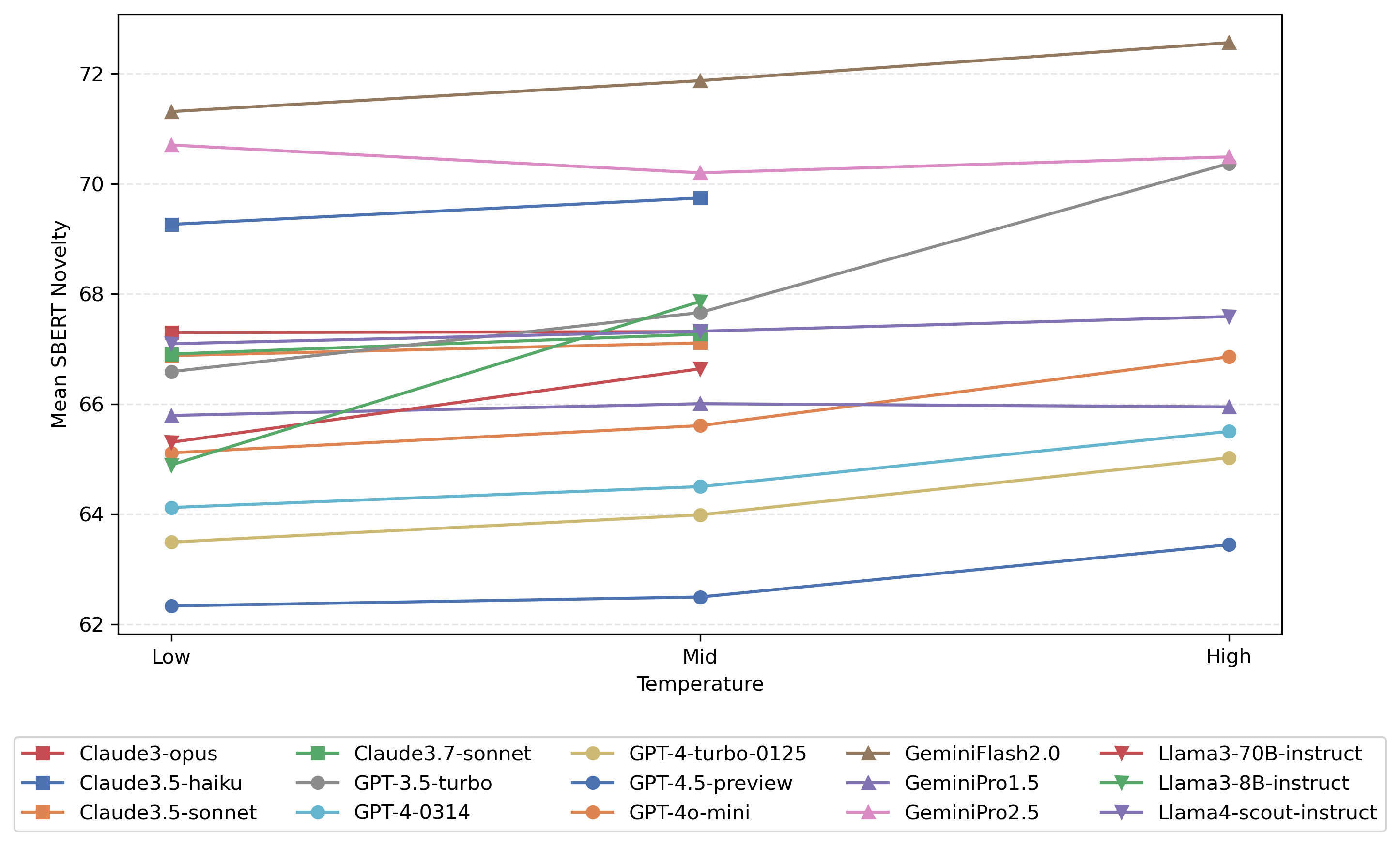
A new evaluation metric aims to move beyond simple association and assess genuine creativity in large language models.
Researchers have developed a new framework that equips robots with a more human-like understanding of visual scenes, allowing for more adaptable and reliable manipulation skills.
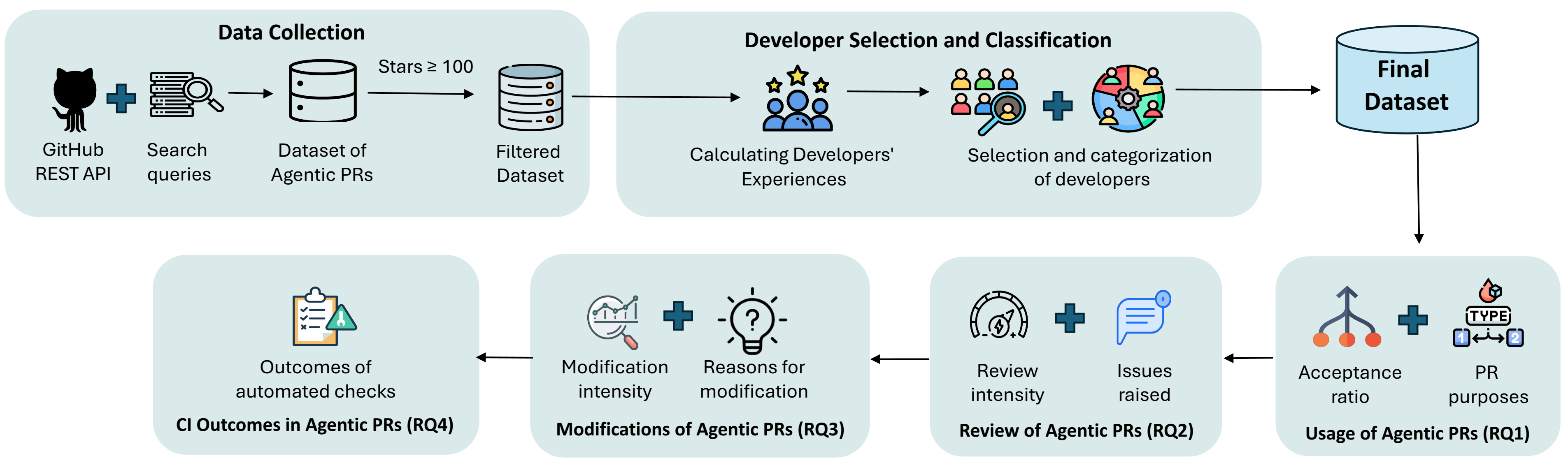
New research reveals that even with the rise of AI coding assistants, developer experience continues to dictate how these tools are integrated into daily workflows.
Researchers explore how large language models can assist human presenters in live, interactive planetarium shows, enhancing engagement and reducing cognitive strain.

New research reveals a growing trend of AI-generated contributions to software documentation, but raises concerns about the level of human oversight.
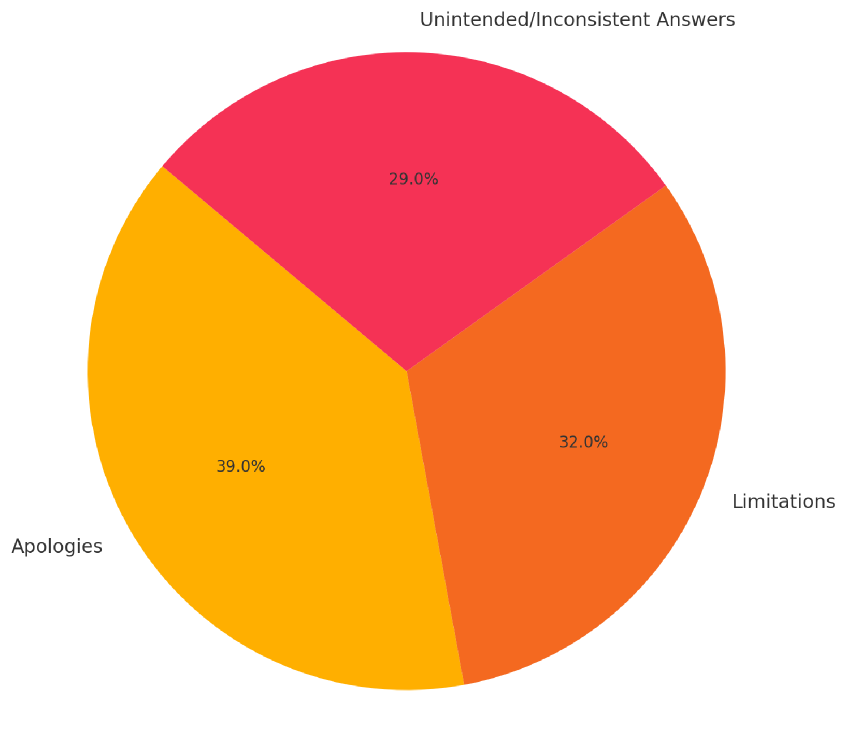
New research reveals students aren’t just using ChatGPT, they’re actively learning how to interact with it, developing sophisticated strategies for leveraging its power and navigating its limitations.

Researchers have developed a novel system architecture that significantly accelerates probabilistic logical reasoning, paving the way for more efficient and adaptable artificial intelligence.