Seeing the Big Picture: Visual Memory for Smarter AI Agents
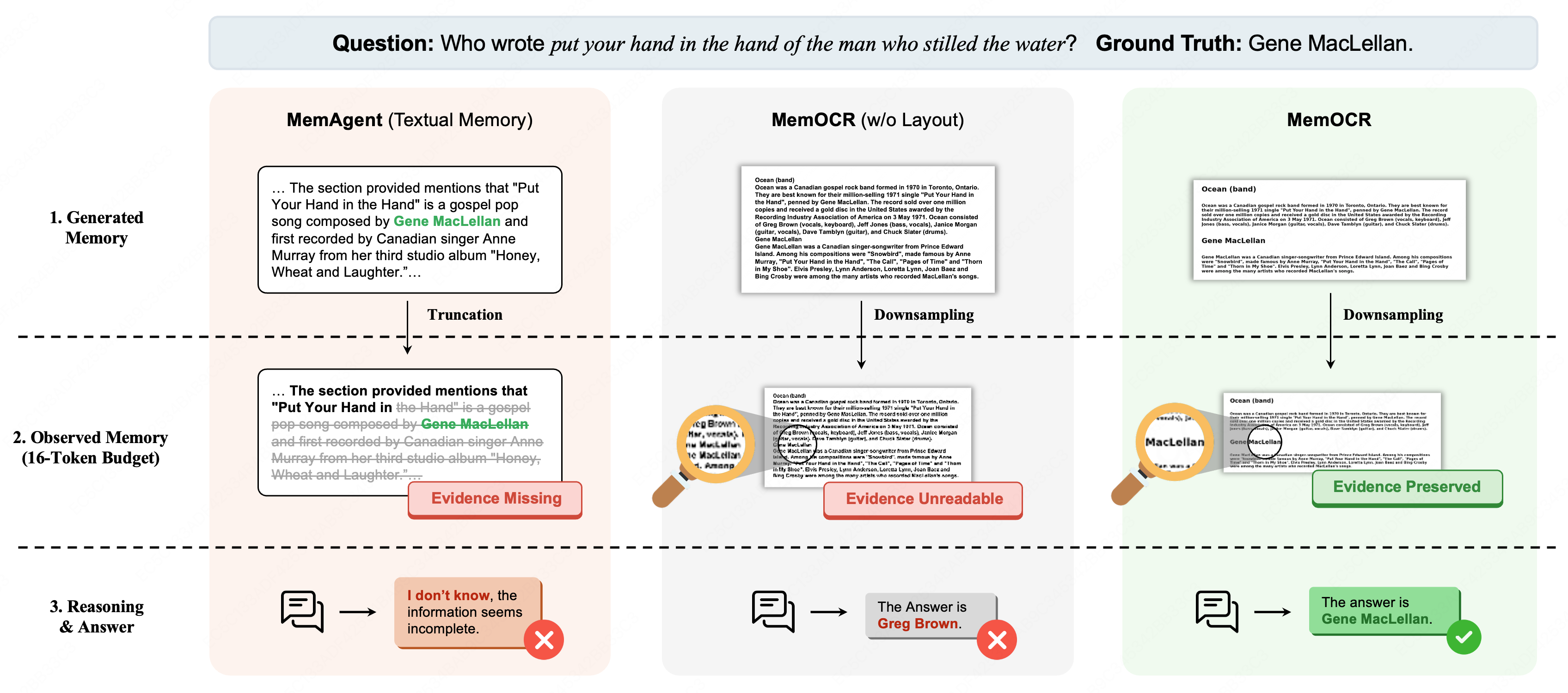
Researchers have developed a new approach to equipping AI agents with long-term memory, allowing them to reason more effectively over extended periods.
Researchers have developed a new approach to equipping AI agents with long-term memory, allowing them to reason more effectively over extended periods.
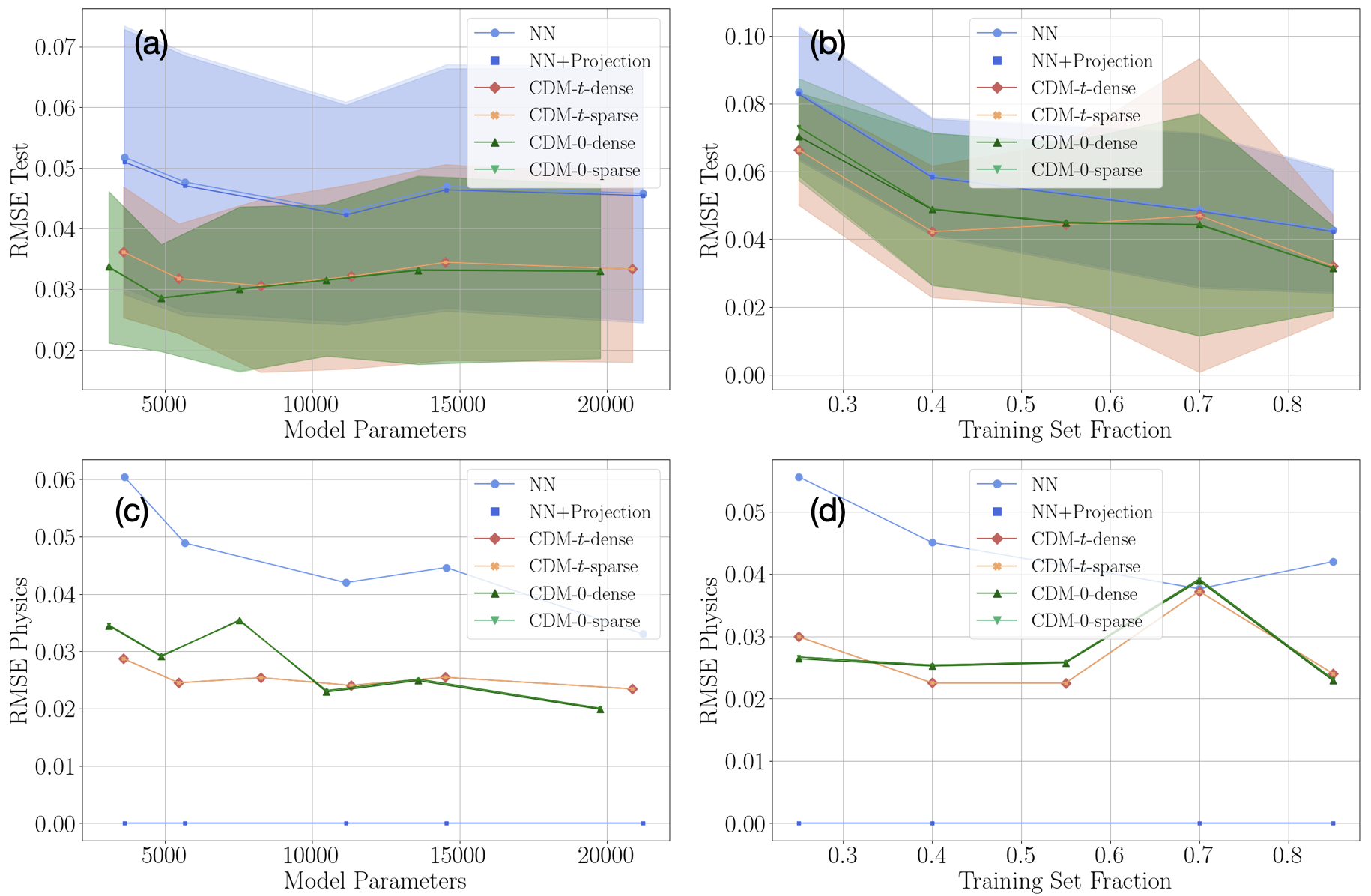
Researchers are leveraging the power of generative models to create more accurate and data-efficient simulations of complex physical systems.
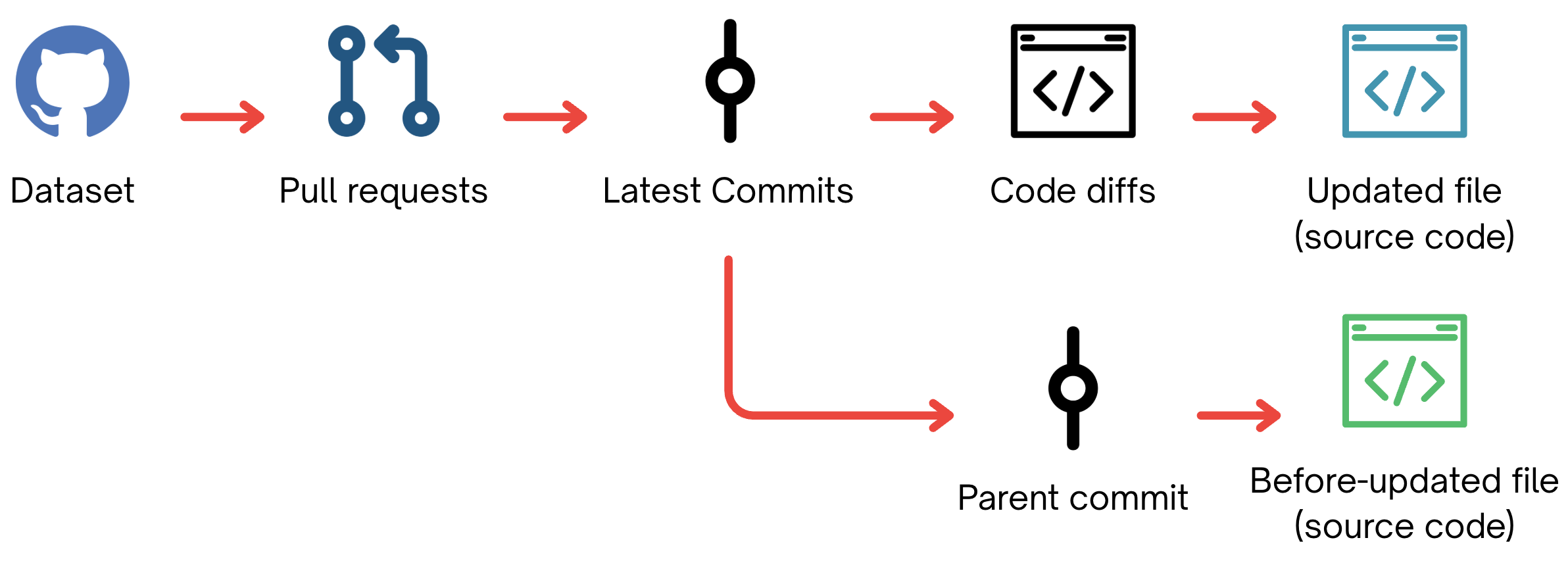
A new study reveals that code produced by AI agents often contains significantly more duplicated code than human-written software, creating a potential maintenance burden.
![The study transforms a two-dimensional function into a density field [latex]\rho(x,y)[/latex] by treating local peaks and valleys as individual entities and encoding their relationships using the CORDS method, effectively mapping a continuous surface onto a discrete representation.](https://arxiv.org/html/2601.21583v1/x11.png)
A new framework, CORDS, offers a powerful way to represent variable-size collections of objects using continuous fields, bridging the gap between discrete and continuous learning.
Researchers are pushing the boundaries of artificial intelligence role-playing by equipping language models with more sophisticated reasoning and reward systems.
![The system employs a rigorous execution pipeline wherein each task is encapsulated within a Docker container, enabling the automated launch of agents-be they large language models or oracle baselines equipped with integrated development environment tools-and the comprehensive capture of all interactions, followed by automated grading via test suite execution and precise code change extraction using [latex]git\ diff[/latex] for comparison against a definitive golden solution.](https://arxiv.org/html/2601.20886v1/x1.png)
A new benchmark assesses how well artificial intelligence agents handle realistic software engineering challenges, moving beyond simple code completion.
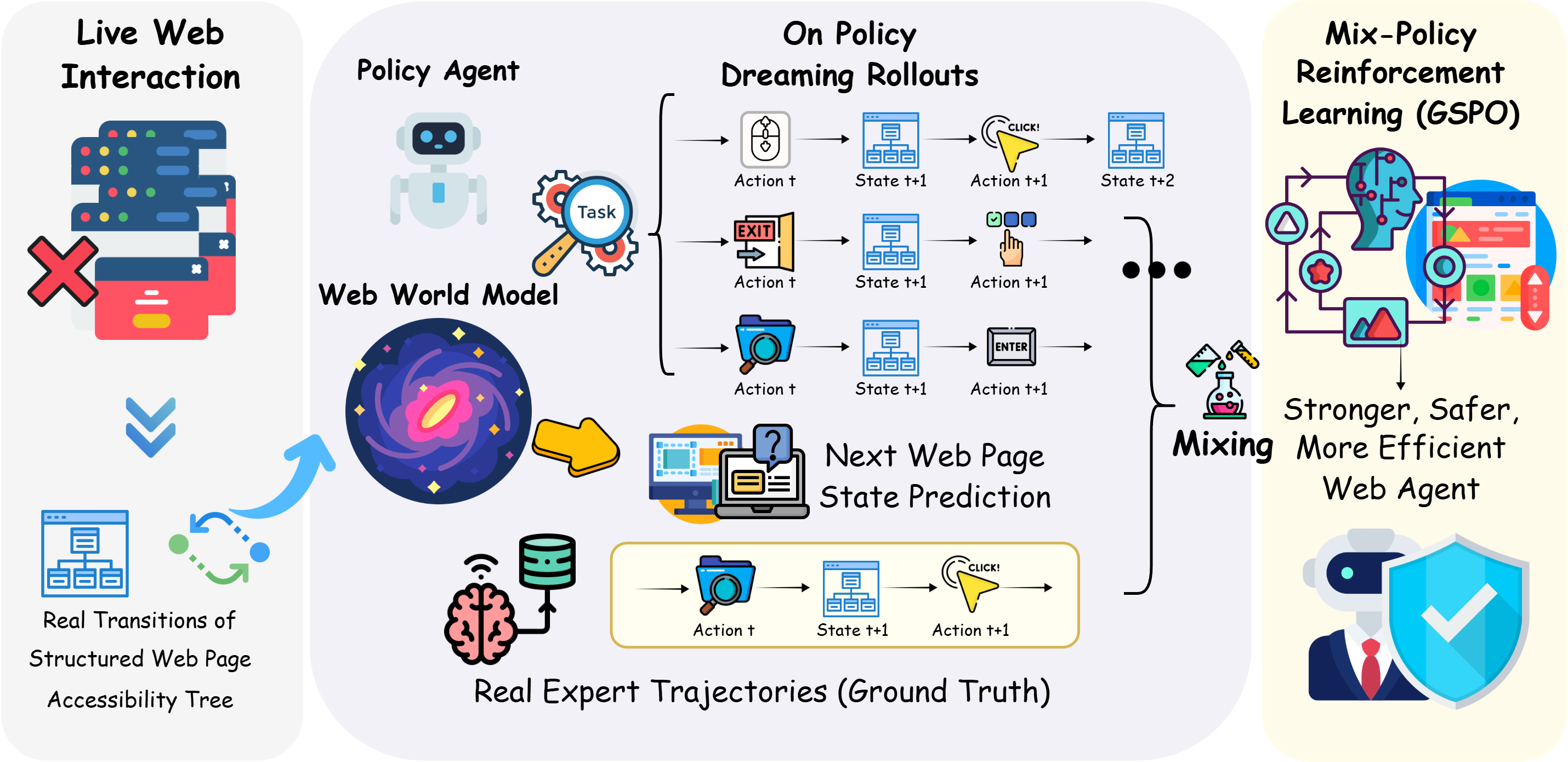
Researchers have developed a system that allows web-navigating agents to learn more efficiently by simulating online experiences, reducing the need for constant real-world interaction.

Researchers have developed a multi-agent simulation of a courtroom debate to improve the clarity and reliability of artificial intelligence systems when analyzing complex, tabular data.

A new framework leverages diffusion models and intelligent search to design novel compounds with enhanced properties and targeted activity.

New research reveals a method for rigorously evaluating whether large language models’ causal statements align with underlying causal relationships.