Can AI Really Help in the Lab?
A new study investigates whether artificial intelligence can effectively assist novices performing complex biological experiments.
A new study investigates whether artificial intelligence can effectively assist novices performing complex biological experiments.
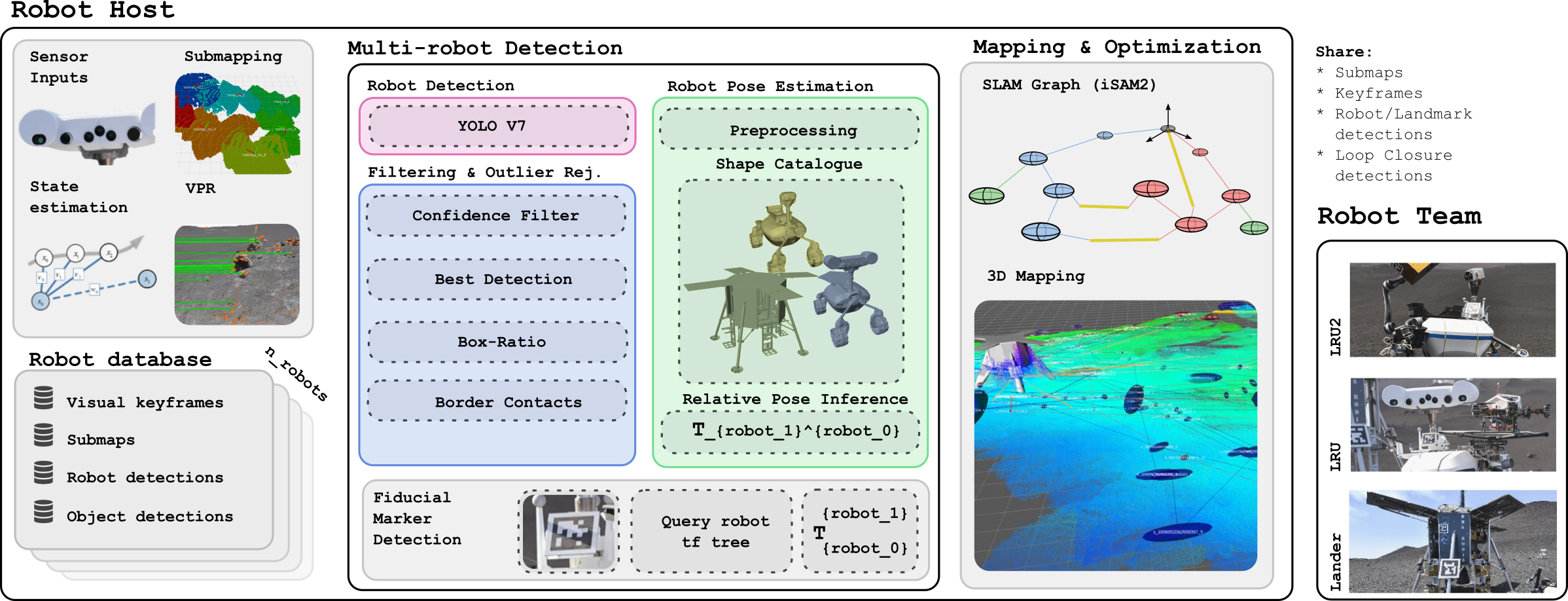
A new approach to markerless robot detection and pose estimation leverages deep learning to dramatically improve the accuracy and reliability of collaborative Simultaneous Localization and Mapping (SLAM) in complex environments.
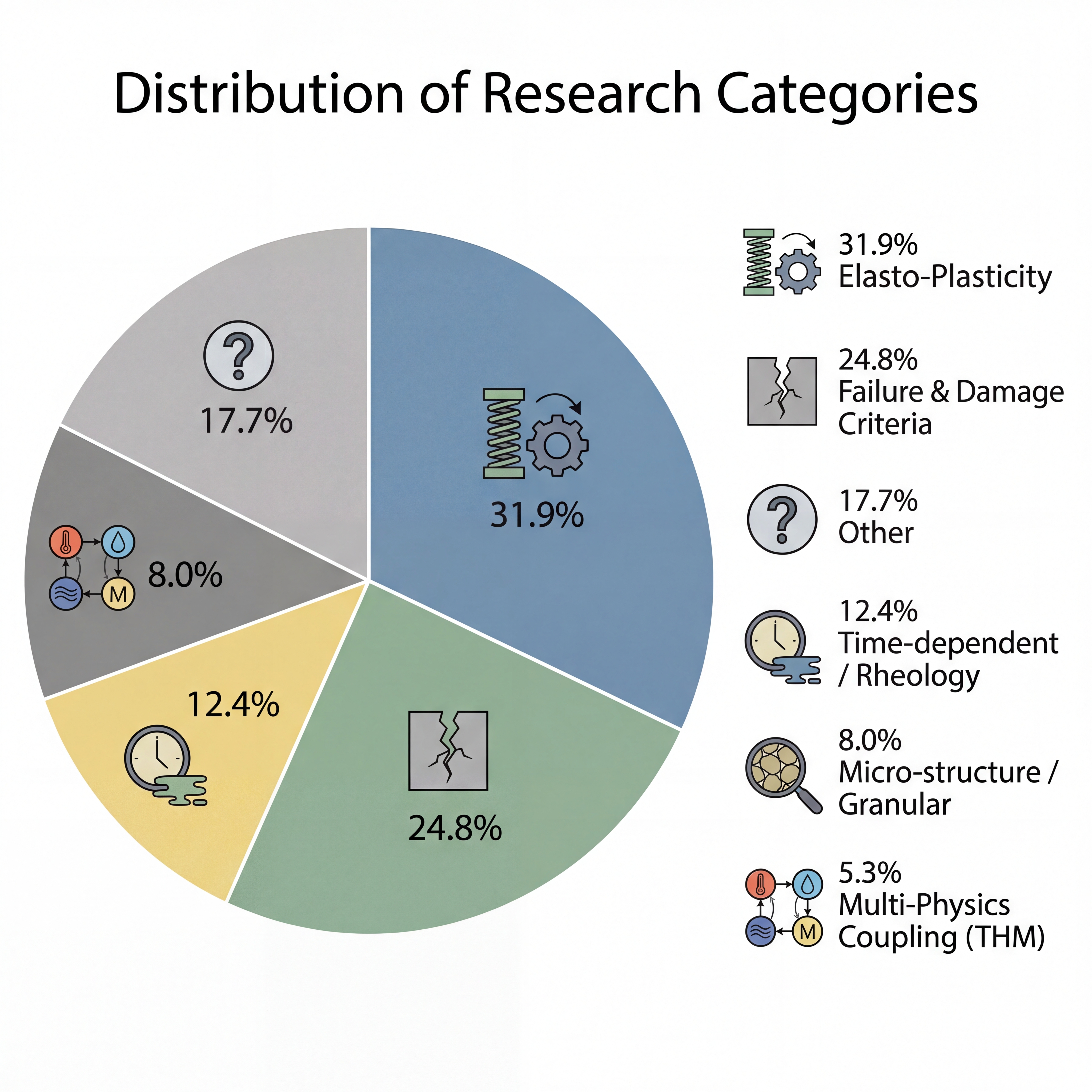
A new workflow automatically extracts material properties from scientific literature, offering a powerful tool for more accurate and efficient cultural heritage conservation.
![The system employed four distinct waveform patterns to deliver electrical stimulation via a portable device, inducing contraction within a biohybrid muscle actuator positioned between movable pillars-a configuration designed to translate modulated [latex] ramp [/latex] or [latex] staircase [/latex] patterns of stimulation into observable mechanical movement.](https://arxiv.org/html/2602.16330v1/fig_ric.png)
Researchers are leveraging the power of machine learning to accurately forecast the behavior of actuators built from living muscle tissue and flexible materials.
![Despite gains in model utility, reliability metrics demonstrate limited overall improvement, with predictability and safety on [latex]\tau\tau[/latex]-bench, and robustness on GAIA, standing as notable exceptions to this trend.](https://arxiv.org/html/2602.16666v1/x9.png)
As artificial intelligence systems become increasingly capable, a critical challenge is emerging: ensuring their behavior is consistent, robust, and predictable.
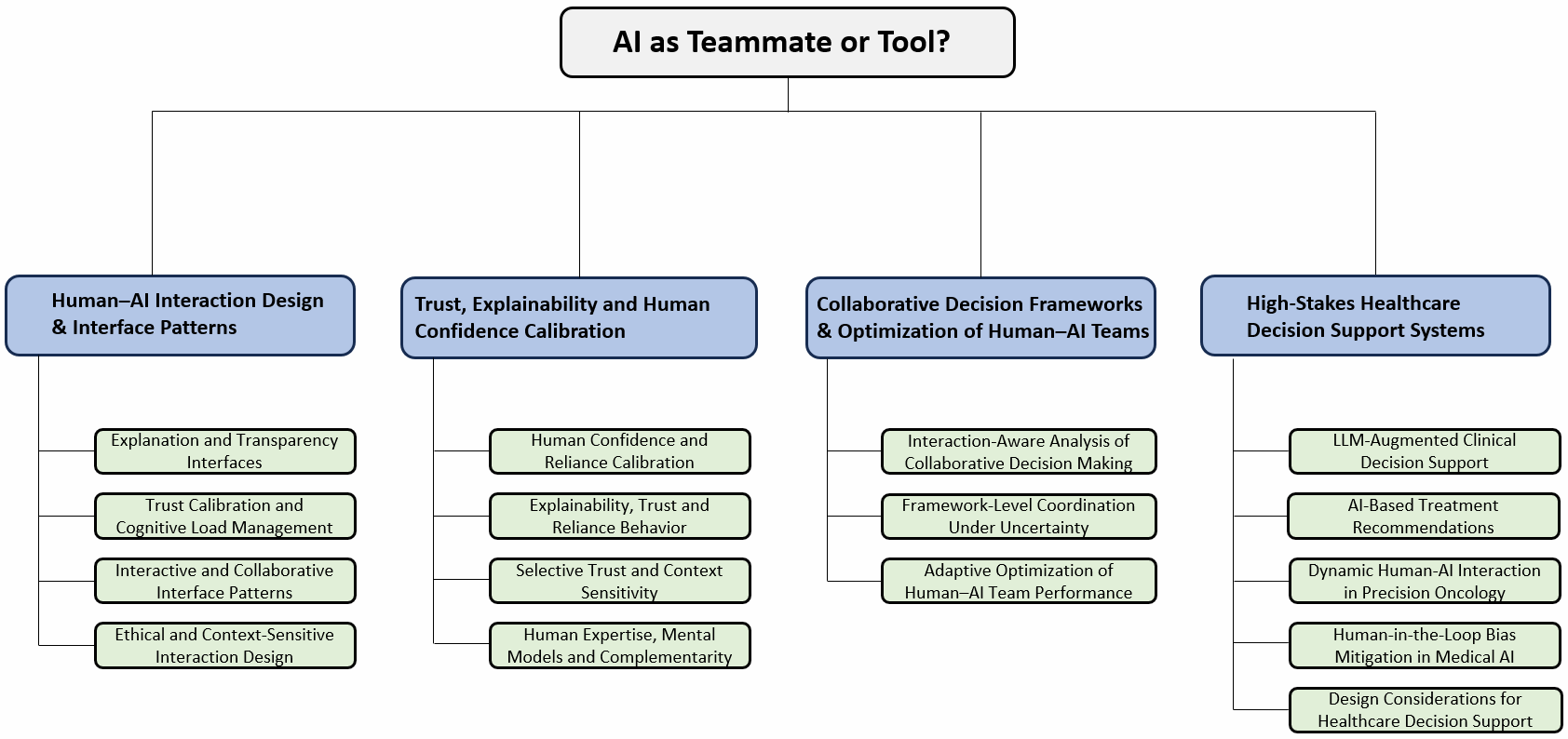
A new review examines the evolving relationship between people and artificial intelligence, exploring how to build collaborative decision-making systems that move beyond simple assistance.
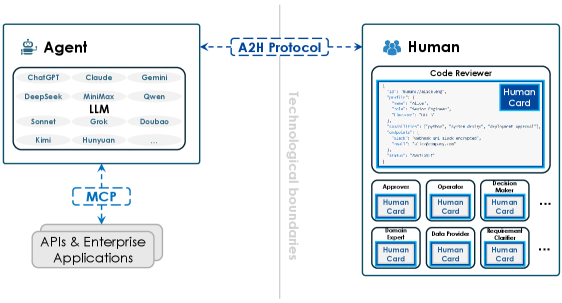
A new protocol establishes a standardized communication framework that integrates people as active nodes within AI agent networks, fostering seamless collaboration and resolving ambiguities.
![RoboGene cultivates a system where task generation emerges from the interplay of exploratory sampling-guided by a Least Frequently Used [latex] LFU [/latex] strategy-and iterative refinement through self-reflection, all while anchoring performance to sustained learning from Human-in-the-Loop [latex] HITL [/latex] feedback within a long-term memory module.](https://arxiv.org/html/2602.16444v1/x1.png)
A new framework automatically generates realistic tasks for robots, dramatically improving their ability to understand and interact with the physical world.
New research reveals how equipping high school computer science educators with practical AI auditing tools fosters critical thinking and a sense of agency in addressing algorithmic harms.
Researchers have developed a new system enabling humanoid robots to reliably pick up and move novel objects in unfamiliar environments using only visual input.