Decoding AI Decisions: A New Lens for Choice
This review introduces a choice-theoretic framework for understanding the rationality of AI recommendations, even when the AI’s understanding of the task differs from our own.
This review introduces a choice-theoretic framework for understanding the rationality of AI recommendations, even when the AI’s understanding of the task differs from our own.
![The robot’s capacity to navigate complex tasks is demonstrated through benchmarks assessing both object manipulation-approaching geometrically varied shapes using forward-facing [latex]RGB[/latex] vision-and precision locomotion, where adherence to centered lines on a colored ground plane is achieved with a downwards-facing line camera, highlighting an adaptable sensing strategy for differing operational demands.](https://arxiv.org/html/2602.04868v1/figs/lf2.png)
Researchers have unveiled a comprehensive simulation suite designed to push the boundaries of continual reinforcement learning in robotics, addressing the challenge of catastrophic forgetting.
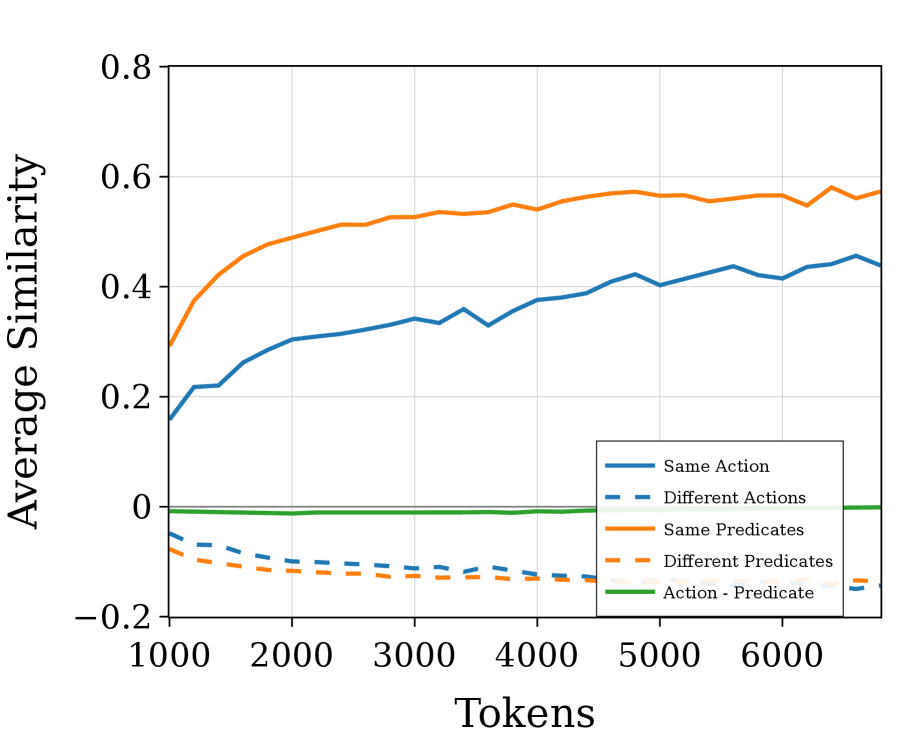
New research reveals that advanced reasoning systems aren’t just processing language, they’re dynamically reshaping their internal representations to grasp the underlying structure of problems.
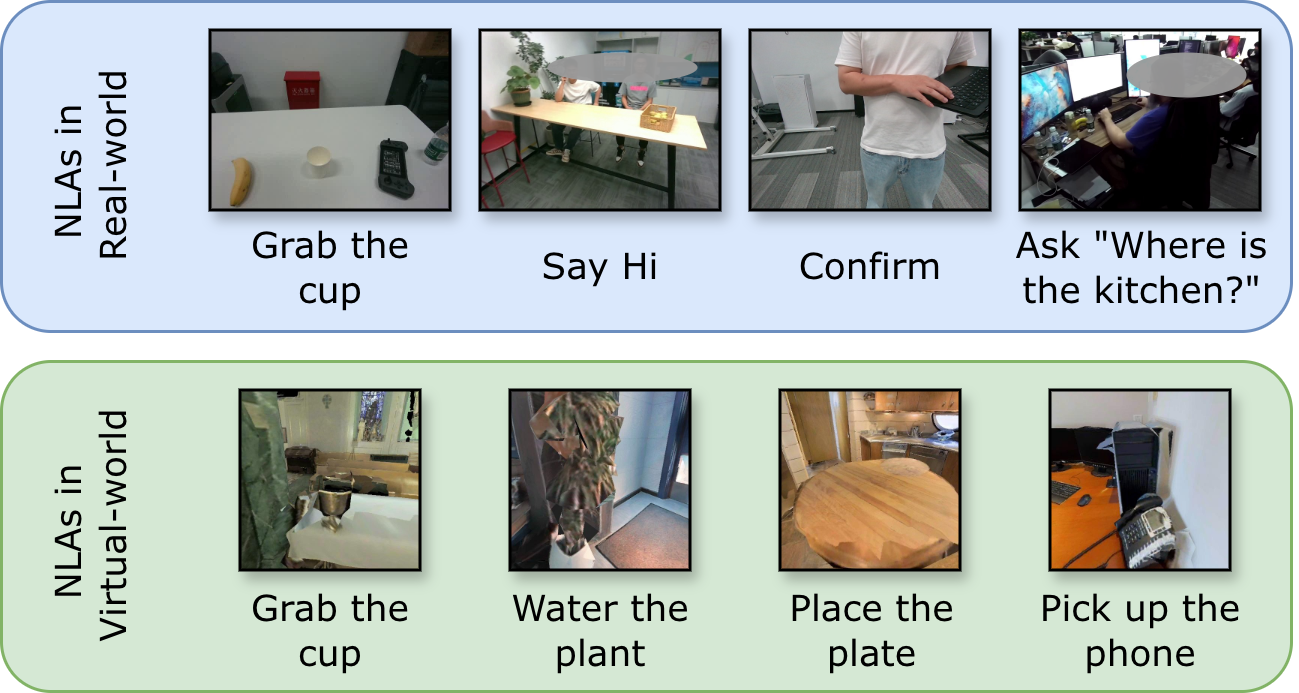
New research demonstrates how vision and language models can empower humanoid robots to interpret complex tasks and execute them with grounded, spatial awareness.
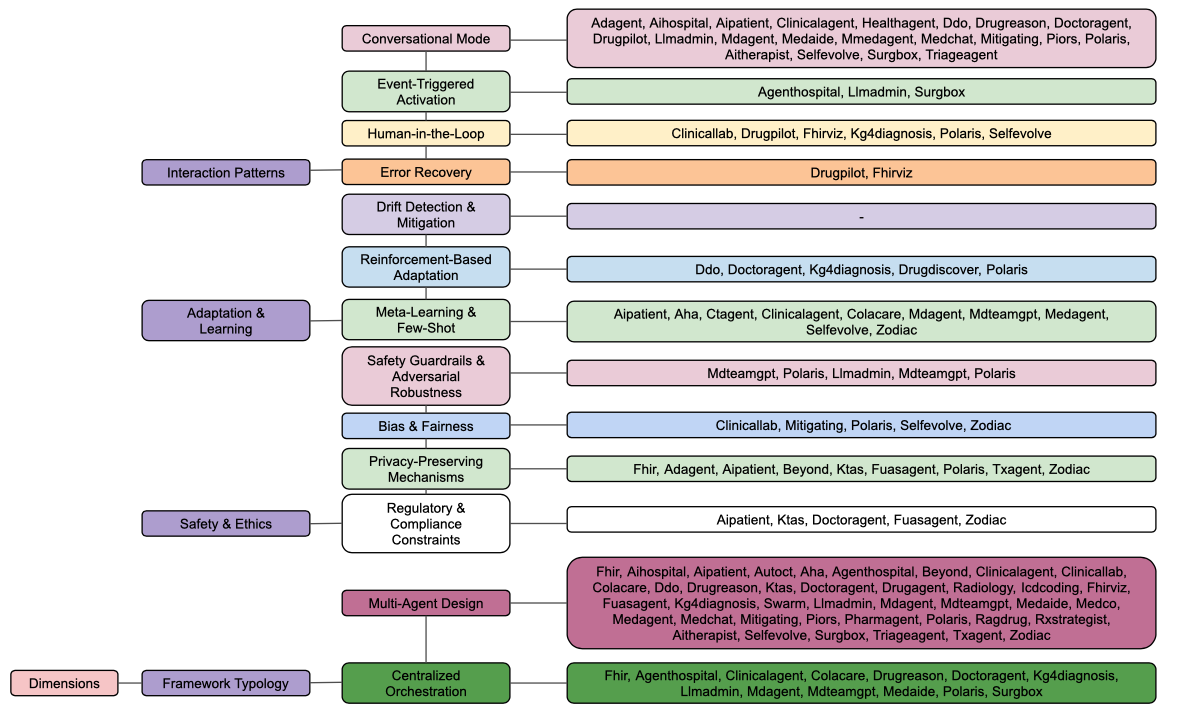
A new review synthesizes the rapidly evolving landscape of AI agents designed to assist medical professionals and improve patient care.
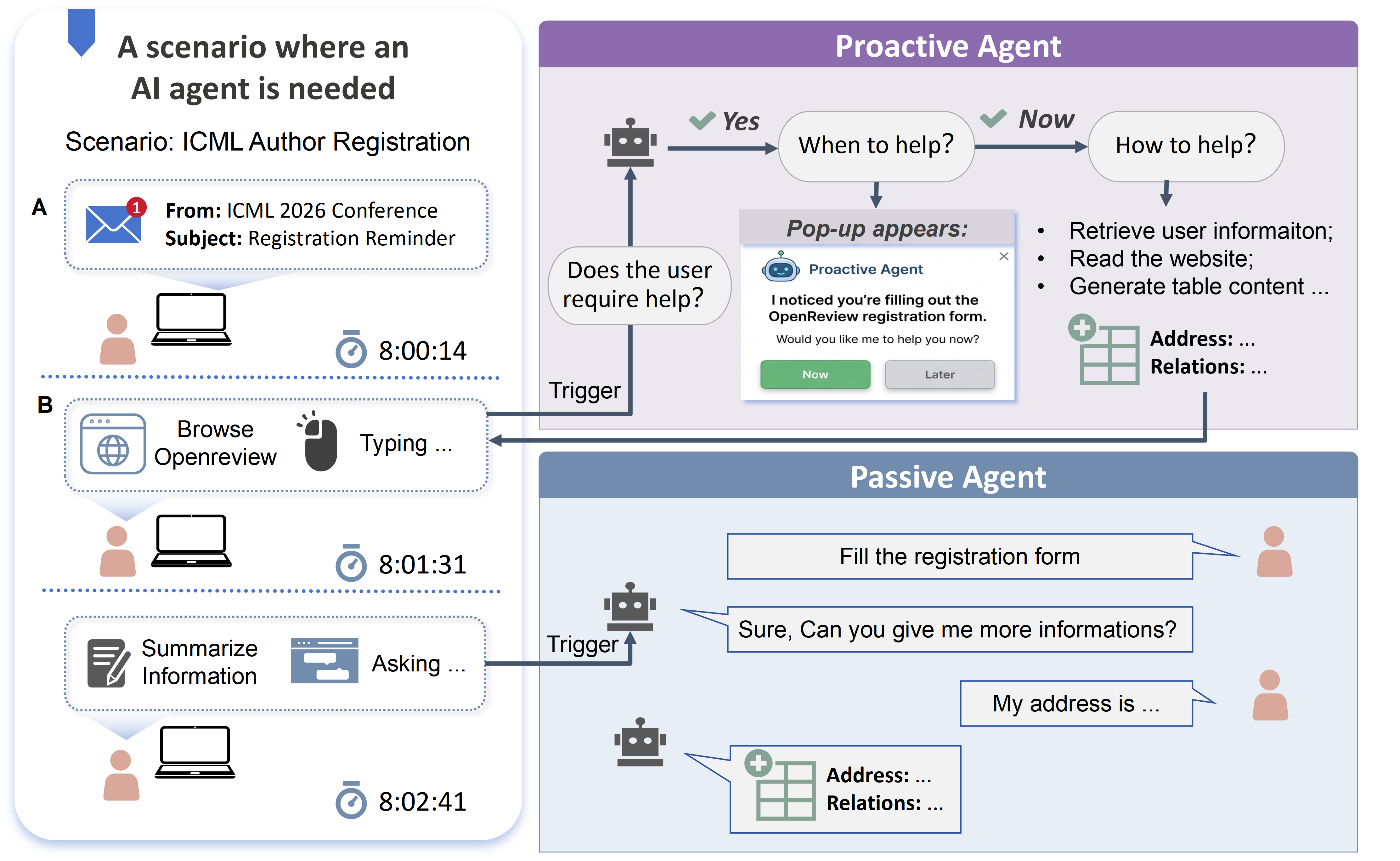
New research introduces a comprehensive benchmark for evaluating AI assistants that learn from user behavior over time to provide truly helpful, proactive support.
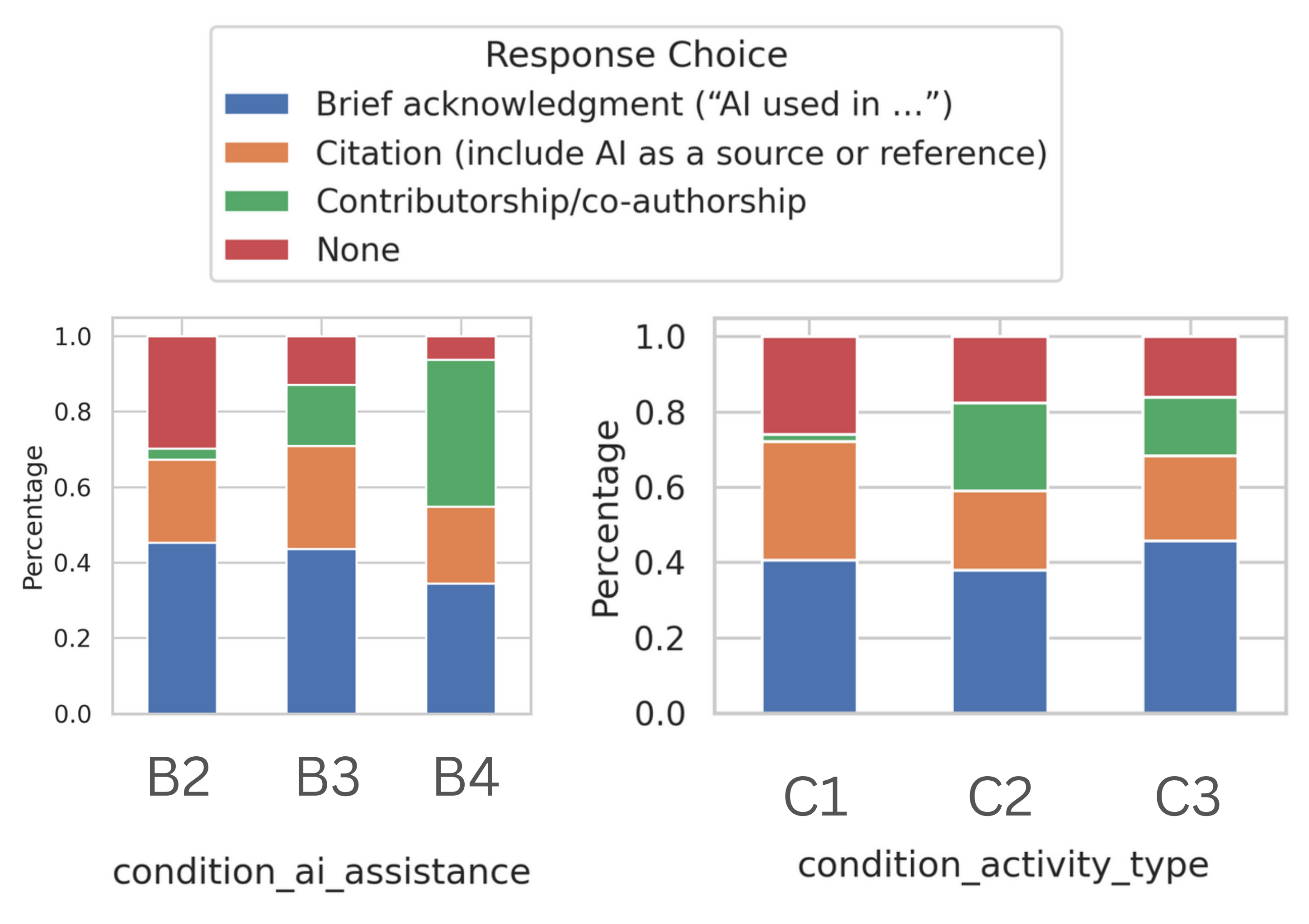
New research explores how perceptions of authorship are shifting as generative AI tools become increasingly integrated into programming education.
![The study demonstrates that while idealized multi-agent flocking-measured by alignment [latex]\gamma\gamma[/latex] and inter-agent distances-maintains coherence, the introduction of even modest delays and noise predictably degrades performance, manifesting as deviations in centroid path length [latex]SS[/latex] and reduced overall flock stability.](https://arxiv.org/html/2602.04012v1/x9.png)
Researchers have developed a novel flocking algorithm that enhances group coordination by predicting the future movements of individuals within the swarm.
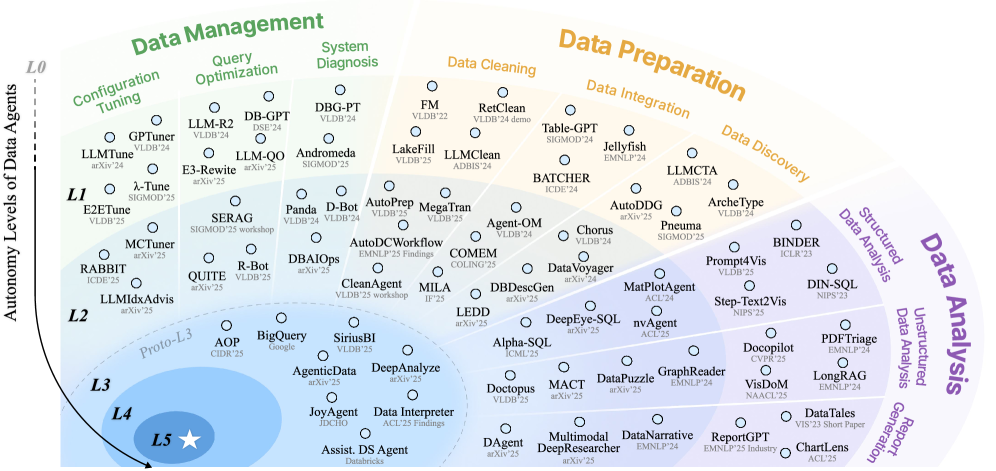
This review explores the emerging field of data agents-AI-powered systems designed to navigate and manage the complexities of the modern data landscape.
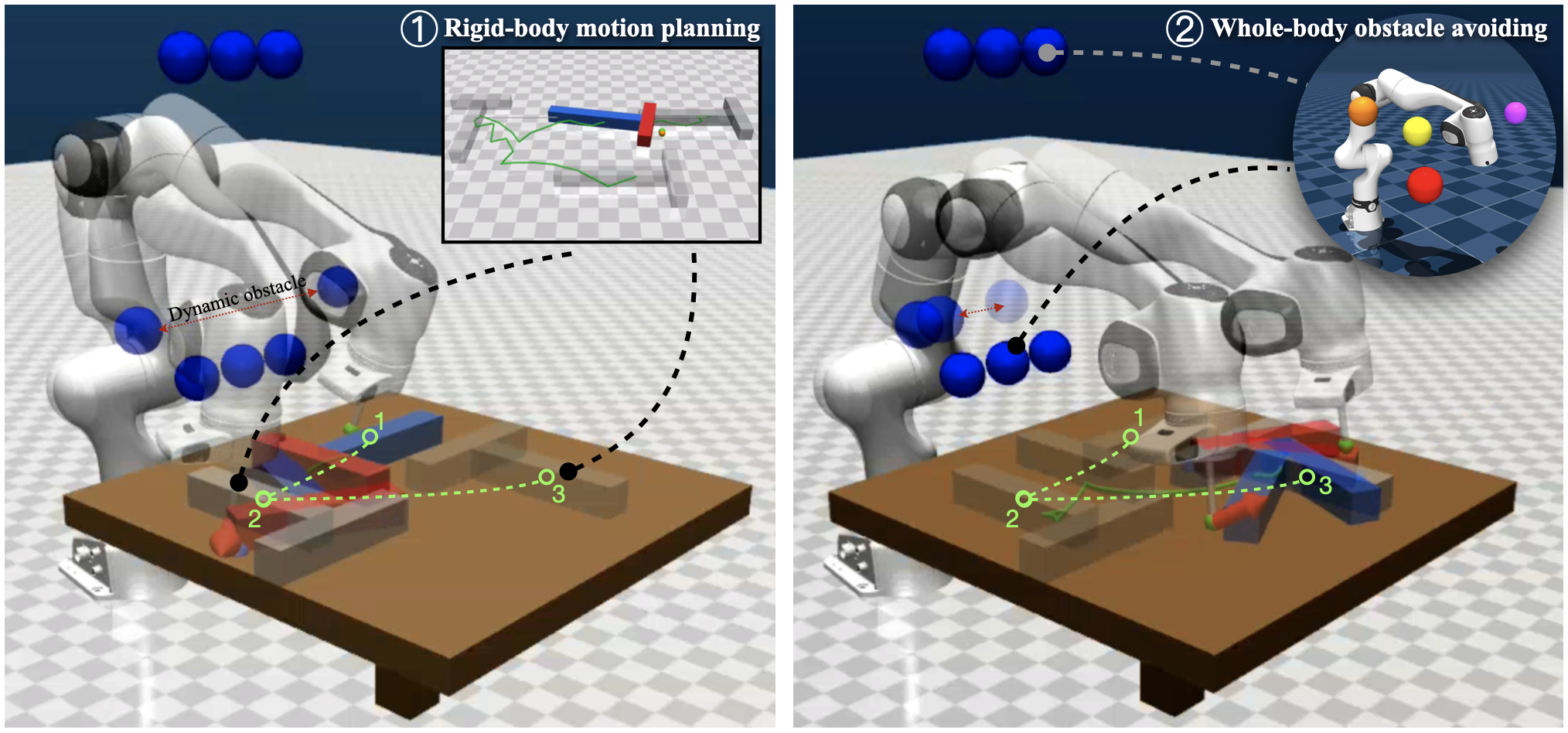
Researchers have developed a unified approach to modeling and controlling the complex interactions between robots and objects, paving the way for more robust and adaptable manipulation capabilities.