Uncovering Nature’s Equations with AI
![The KeplerAgent leverages physics-based tools to autonomously discover equations from data, demonstrating an ability to distill underlying mathematical relationships from observed phenomena [latex] \implies [/latex] a capacity for generalized analytical reasoning.](https://arxiv.org/html/2602.12259v1/x1.png)
A new framework combines the reasoning power of large language models with physics principles to automatically derive interpretable equations from data.
A new framework combines the reasoning power of large language models with physics principles to automatically derive interpretable equations from data.
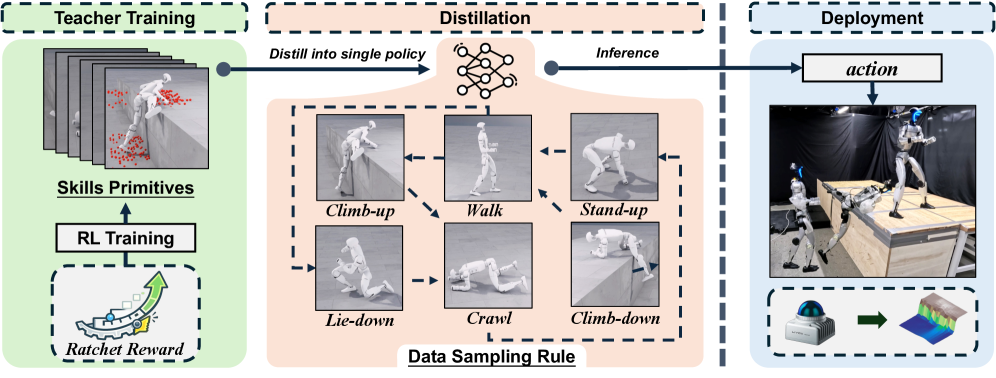
Researchers have developed a new system that allows humanoid robots to reliably navigate challenging elevated platforms using a combination of learned locomotion and full-body manipulation skills.
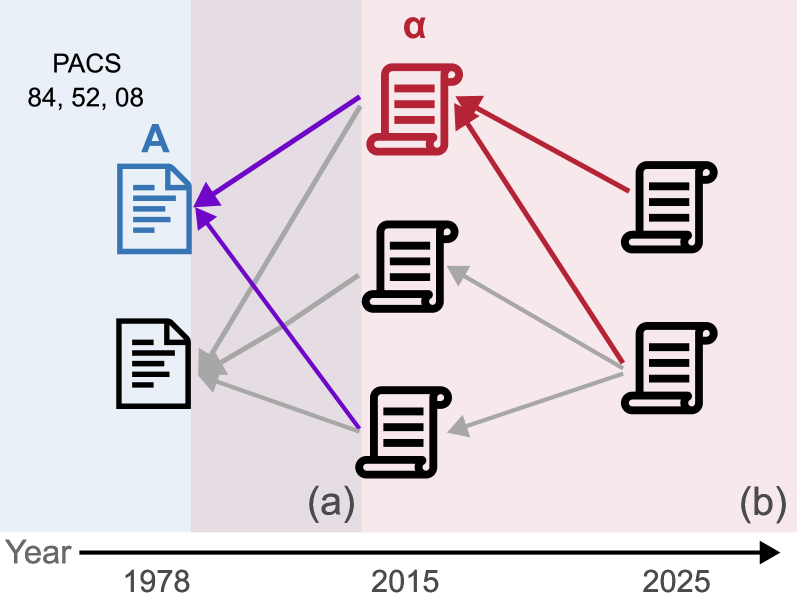
New research reveals that while interdisciplinary approaches can open doors for physicists in policy debates, impactful influence ultimately hinges on providing domain-specific evidence.
![A capsule, subject to an externally commanded magnetic field [latex]\mathbf{B}_\text{ext}[/latex] tilted by γ, experiences rotational excitation-specifically, roll motion α-driven by the interplay between its net magnetic moment [latex]\mathbf{m}[/latex] and the applied field, demonstrating how external manipulation induces predictable, yet nuanced, dynamic responses in magnetic systems.](https://arxiv.org/html/2602.10688v1/image/side.jpg)
Researchers have developed a 3D-printed capsule robot steered by magnetic fields, demonstrating stable movement within simulated gastric environments.
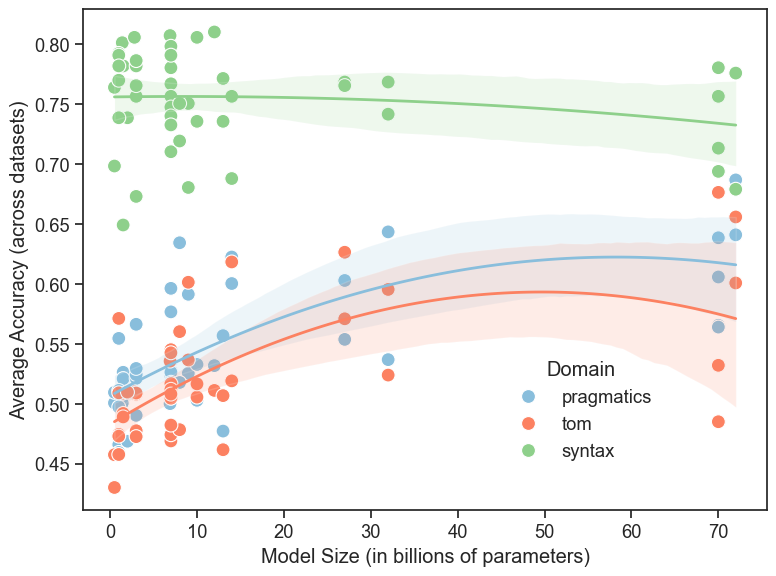
New research suggests that large language models aren’t just processing text, but developing shared computational mechanisms for understanding intentions and navigating social contexts.
A pilot study explores how a social robot, named Maya, can provide emotional support and reduce pain during medical procedures for children undergoing cancer treatment.
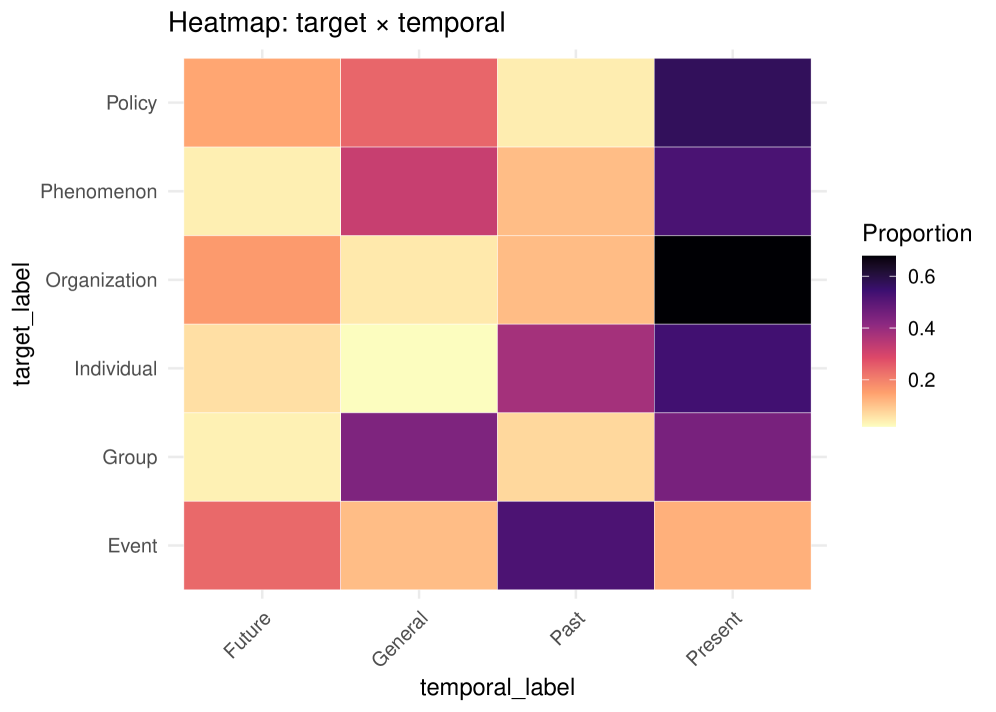
New research reveals a significant gap between the types of claims users seek to verify and the focus of current fact-checking efforts.
A comprehensive review of the Astrobee, CIMON, and Int-Ball robots reveals key insights into the challenges and successes of deploying free-flying robots to support human crews aboard the International Space Station.
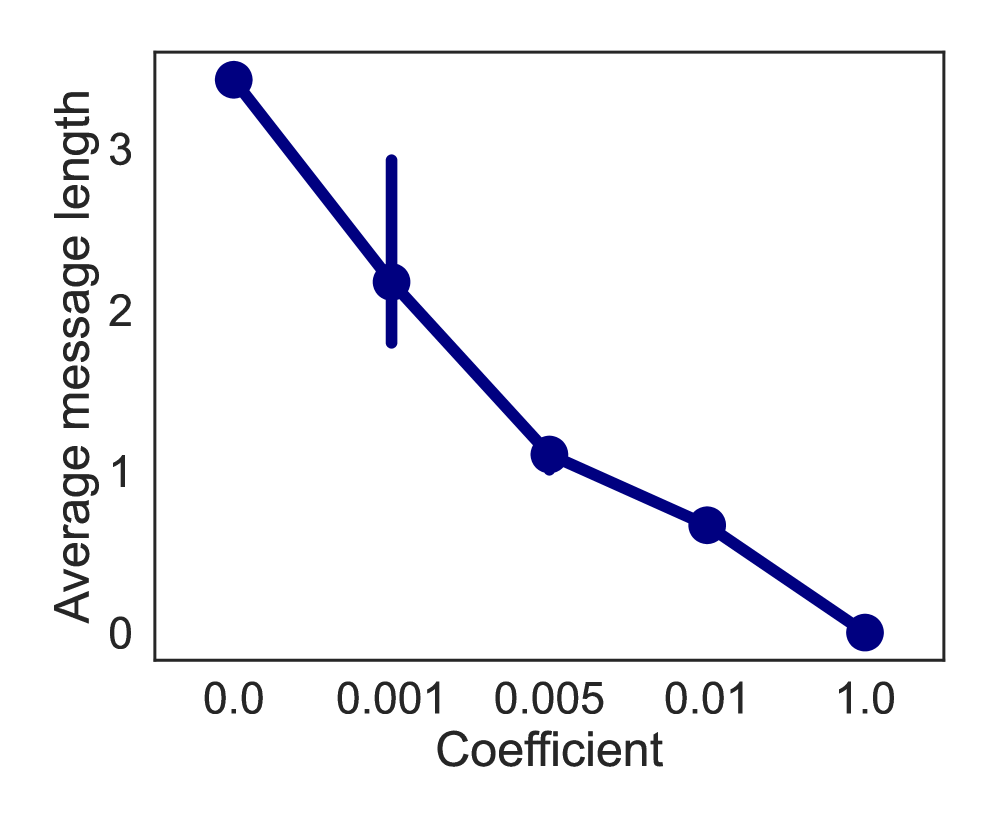
New research reveals how artificial agents develop numerical communication through interaction, showcasing both impressive precision and inherent limitations in scaling to unseen numbers.
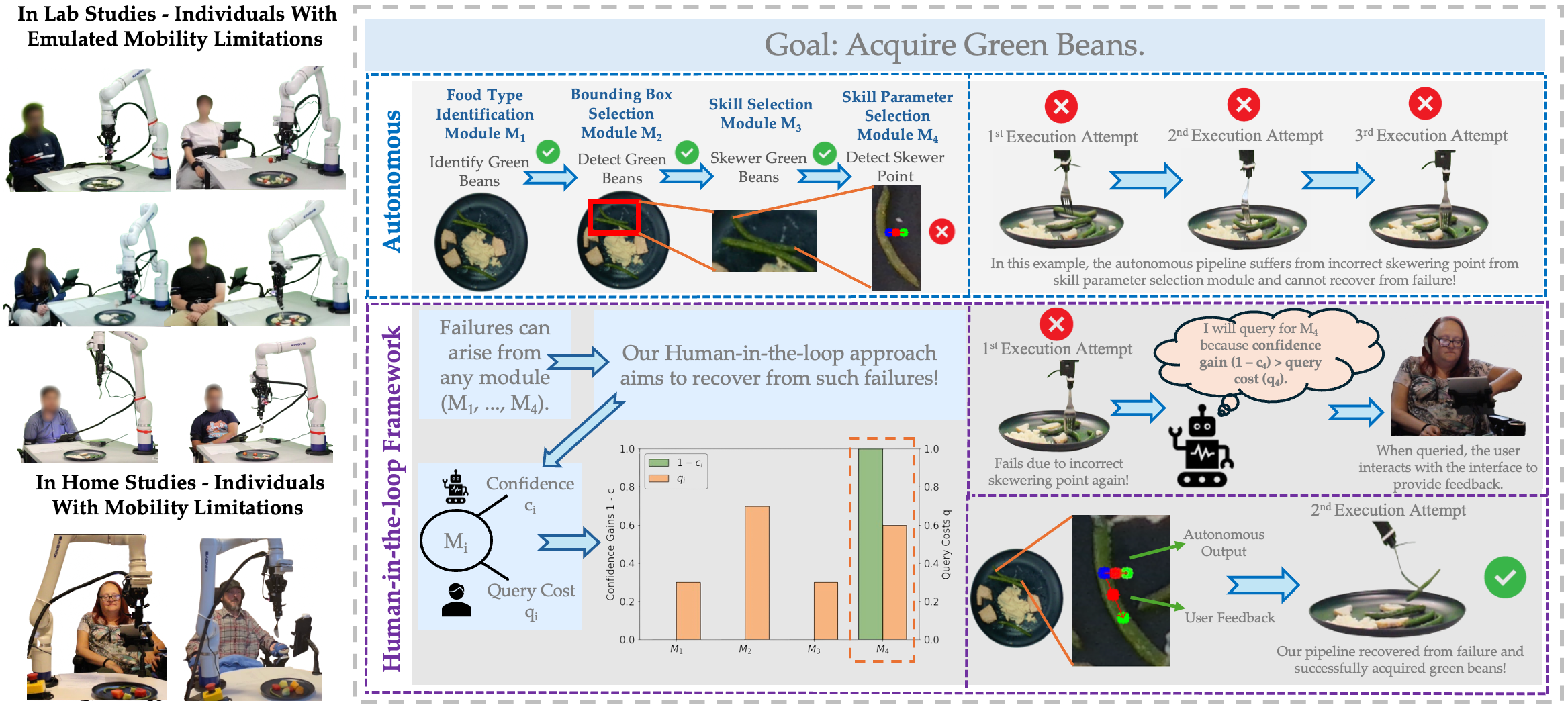
Researchers have developed a human-in-the-loop system that allows robots to intelligently request assistance when they encounter difficulties, improving task reliability and reducing human workload.