Designing Drugs with AI: A New Approach to Molecular Discovery
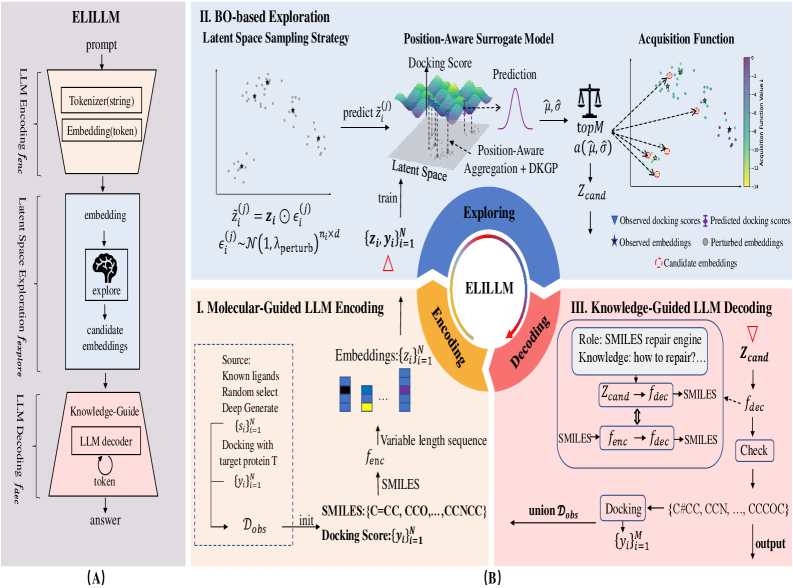
Researchers are leveraging the power of artificial intelligence to navigate complex chemical spaces and generate promising drug candidates.
Researchers are leveraging the power of artificial intelligence to navigate complex chemical spaces and generate promising drug candidates.
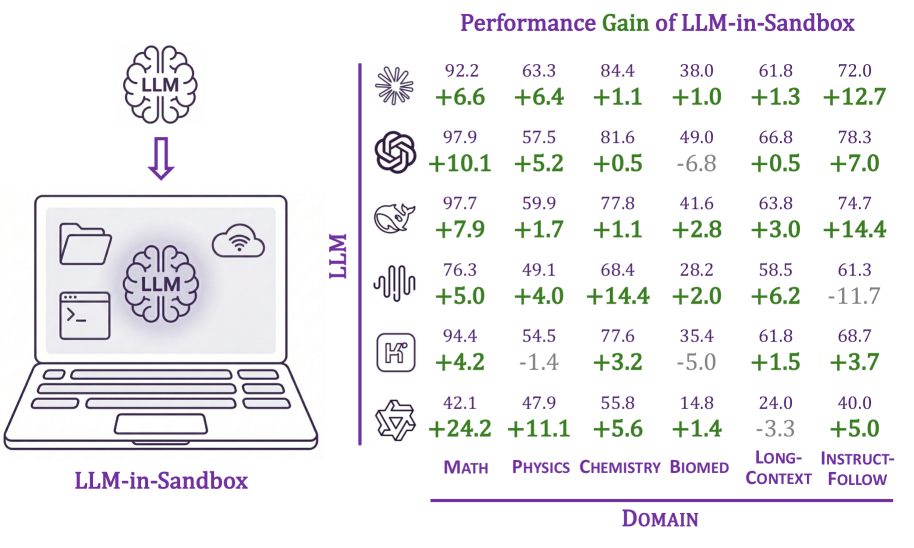
A new approach lets large language models interact with a virtual machine, dramatically improving their problem-solving abilities and efficiency.
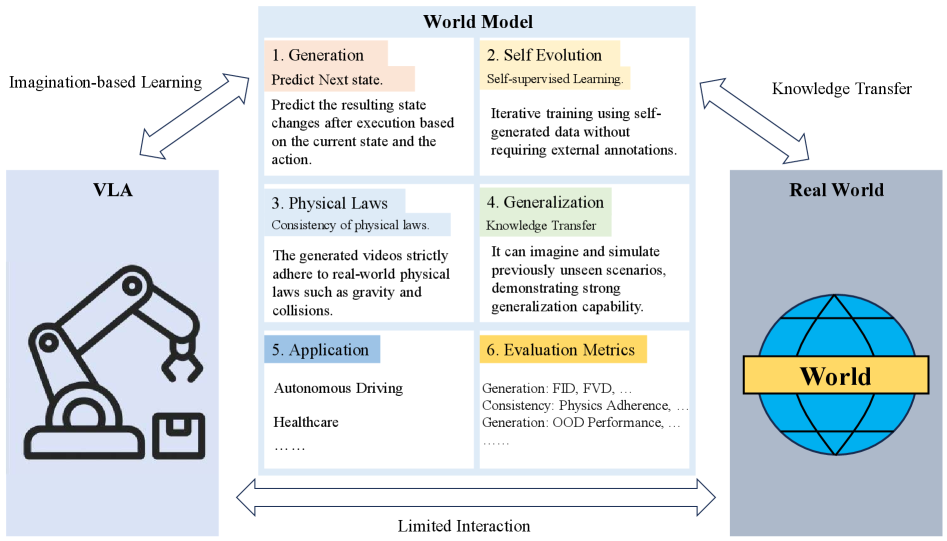
The next generation of AI demands more than just realistic simulations-it requires world models grounded in physical laws to enable reliable and safe decision-making.
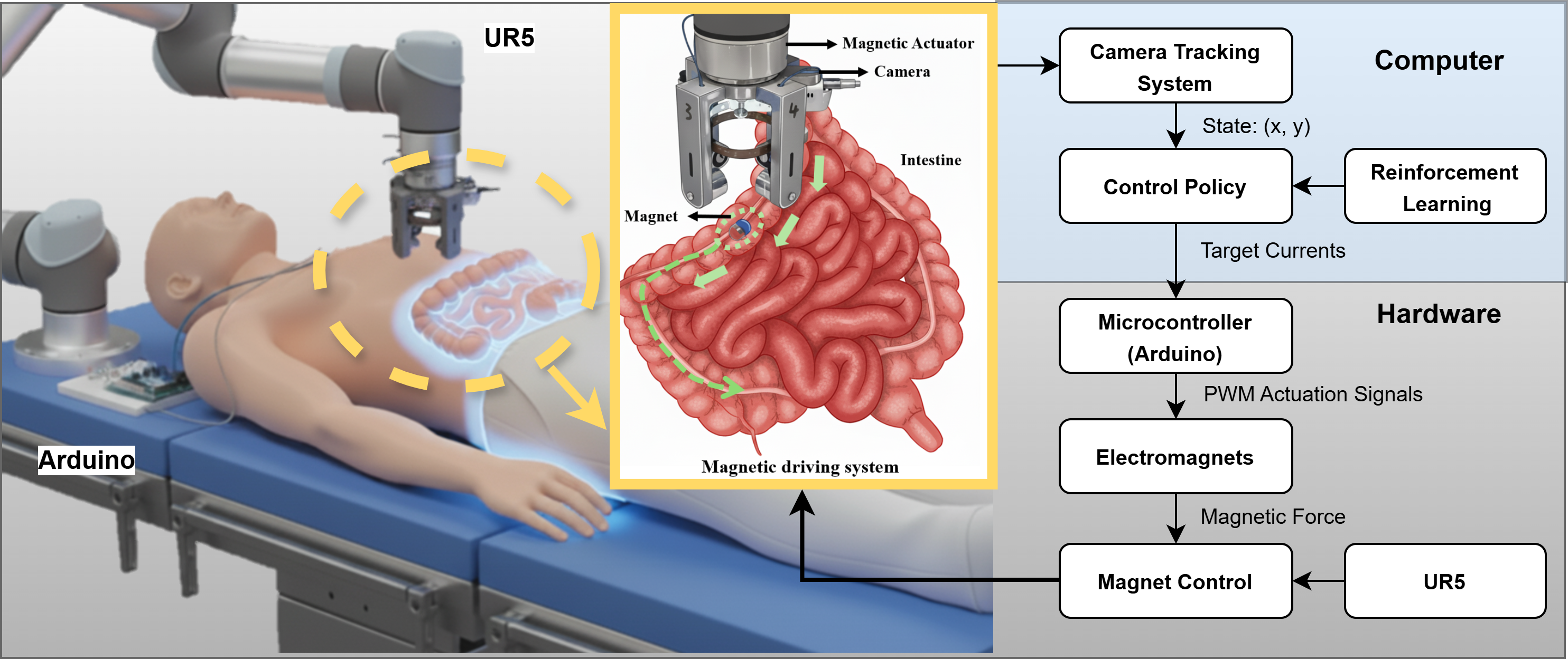
Researchers have developed a portable magnetic platform and AI algorithm enabling precise, calibration-free control of microrobots within the gastrointestinal tract.
Researchers have developed a new AI-powered system that streamlines the entire process of materials creation, from initial design to predicting how a synthesis will unfold.
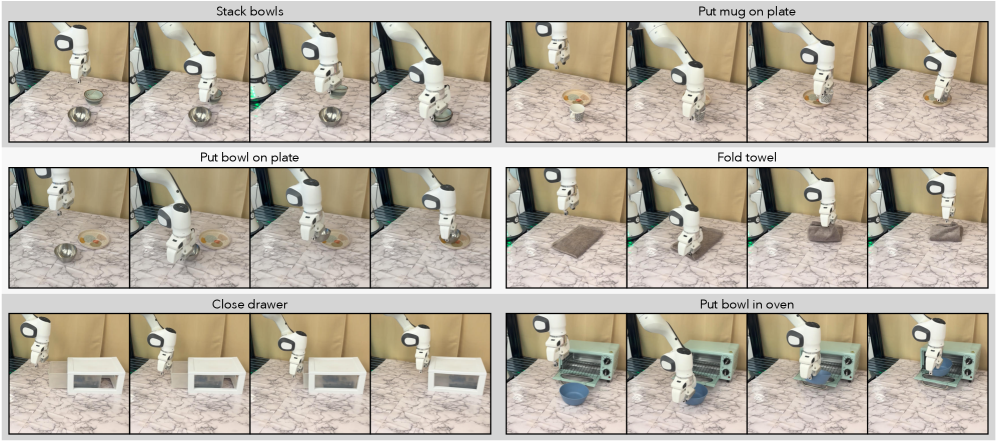
A new framework leverages unified 3D scene representations and large language models to enable robots to perform tasks in the real world with minimal real-world training data.
New research evaluates the ability of artificial intelligence to identify causal relationships within complex datasets, revealing both promise and limitations.
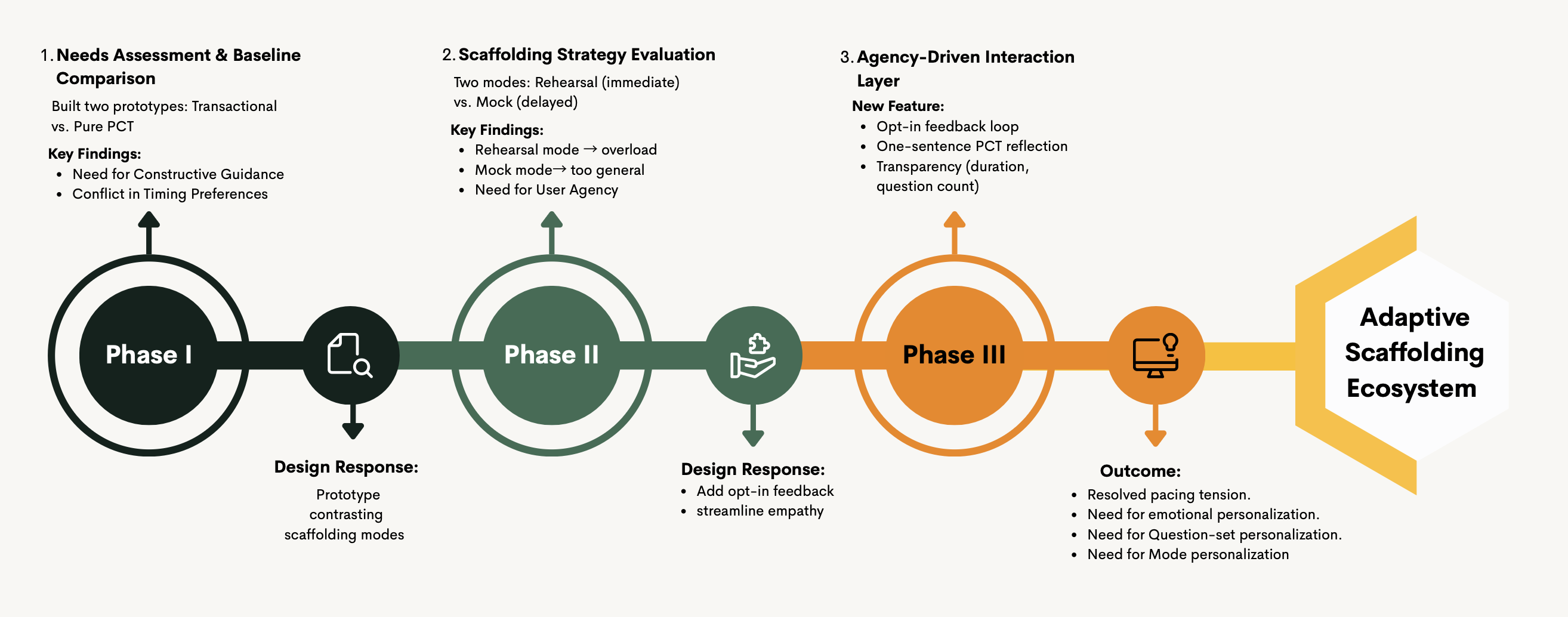
New research explores how socially intelligent robots can provide personalized guidance and emotional support to help individuals confidently navigate job interviews.
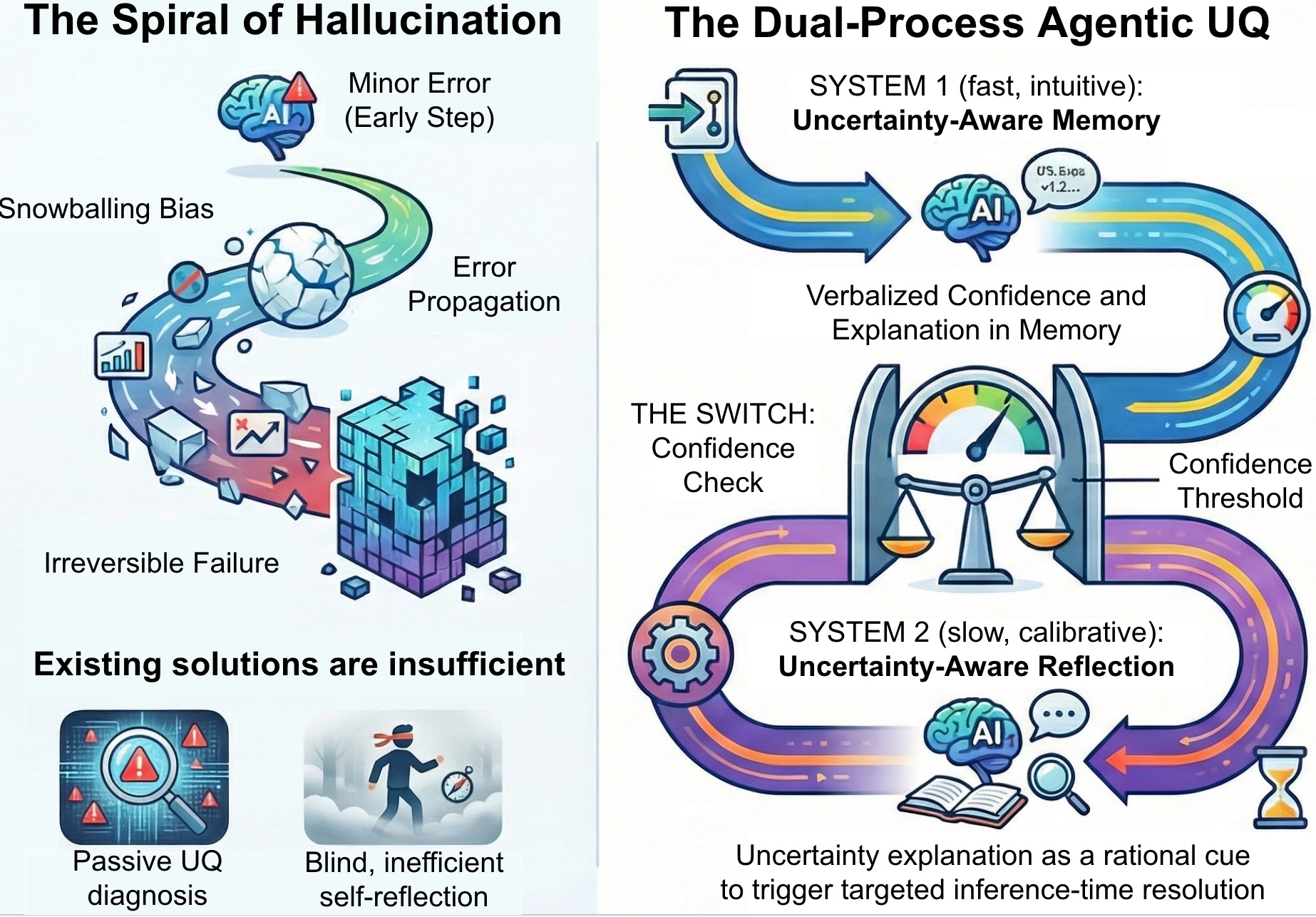
Long-horizon AI systems need to know what they don’t know, and this research introduces a framework for quantifying and acting upon that uncertainty to improve performance.
Researchers have developed a magnetically controlled, soft robotic device mimicking the elegant undulation of a cownose ray for precise underwater navigation.