Building a Better Scientific Pipeline
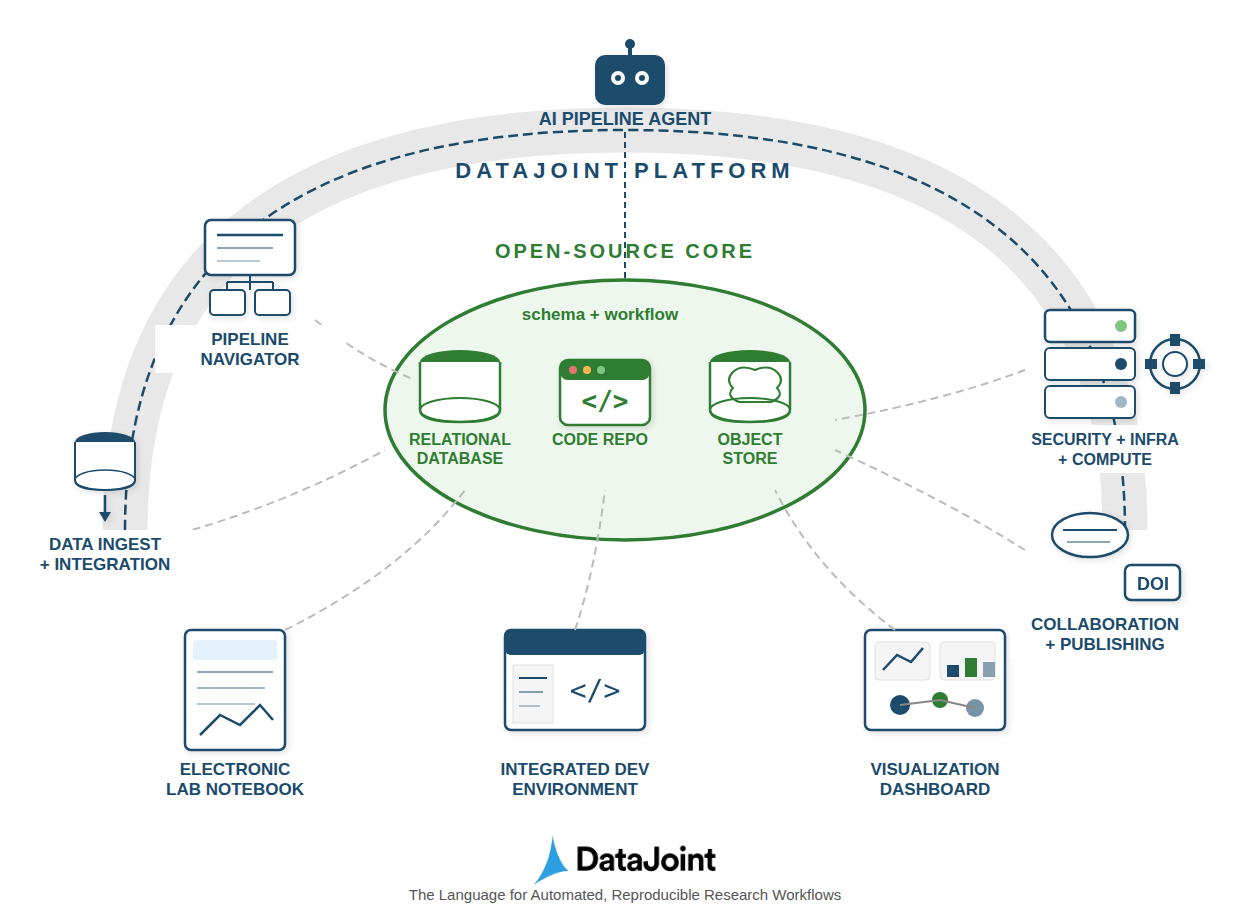
A new framework unifies data and computation, empowering researchers to create reliable and scalable scientific workflows.
A new framework unifies data and computation, empowering researchers to create reliable and scalable scientific workflows.
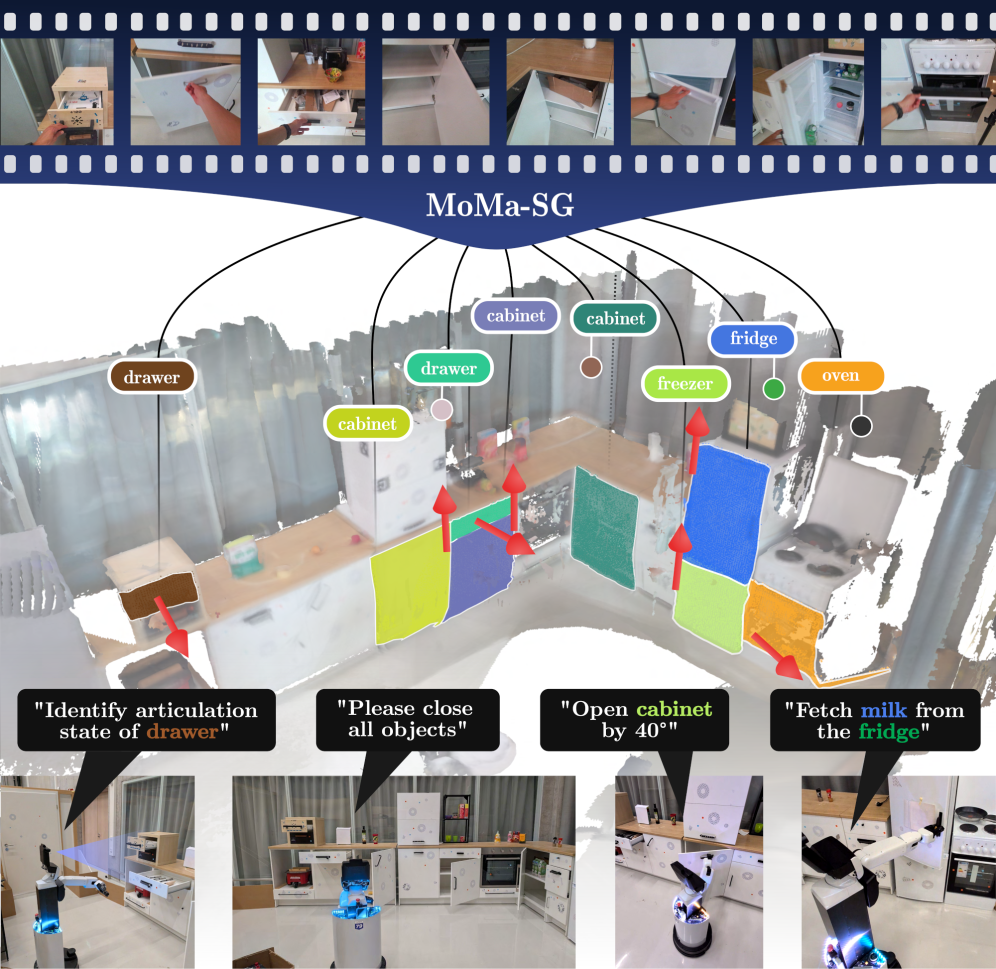
Researchers have developed a new framework allowing mobile robots to create detailed 3D representations of environments, focusing on how objects move and connect.
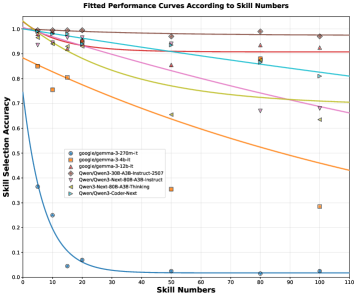
This review explores how carefully crafted ‘skill frameworks’ unlock the potential of smaller language models for complex tasks in real-world industrial settings.

Researchers have successfully trained reinforcement learning agents to manipulate and unfold cloth in real-time, bridging the gap between simulation and real-world robotics.
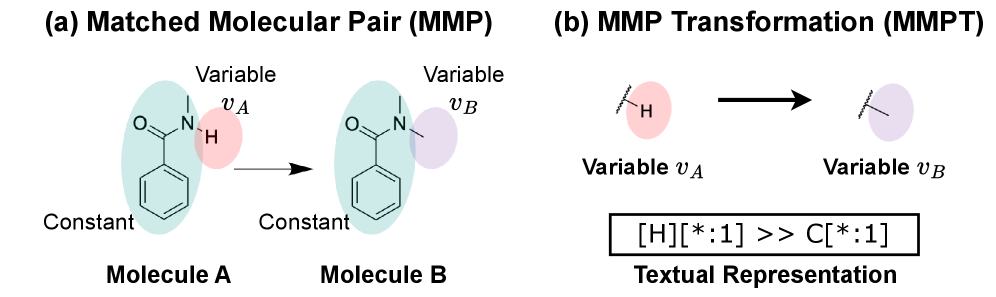
A new approach uses artificial intelligence to predict how changing a molecule’s structure will affect its properties, accelerating the search for better drug candidates.
Researchers have developed a new system enabling robots to actively adjust onboard illumination, dramatically improving their ability to map and navigate complex environments.
A new study investigates whether artificial intelligence can effectively assist novices performing complex biological experiments.
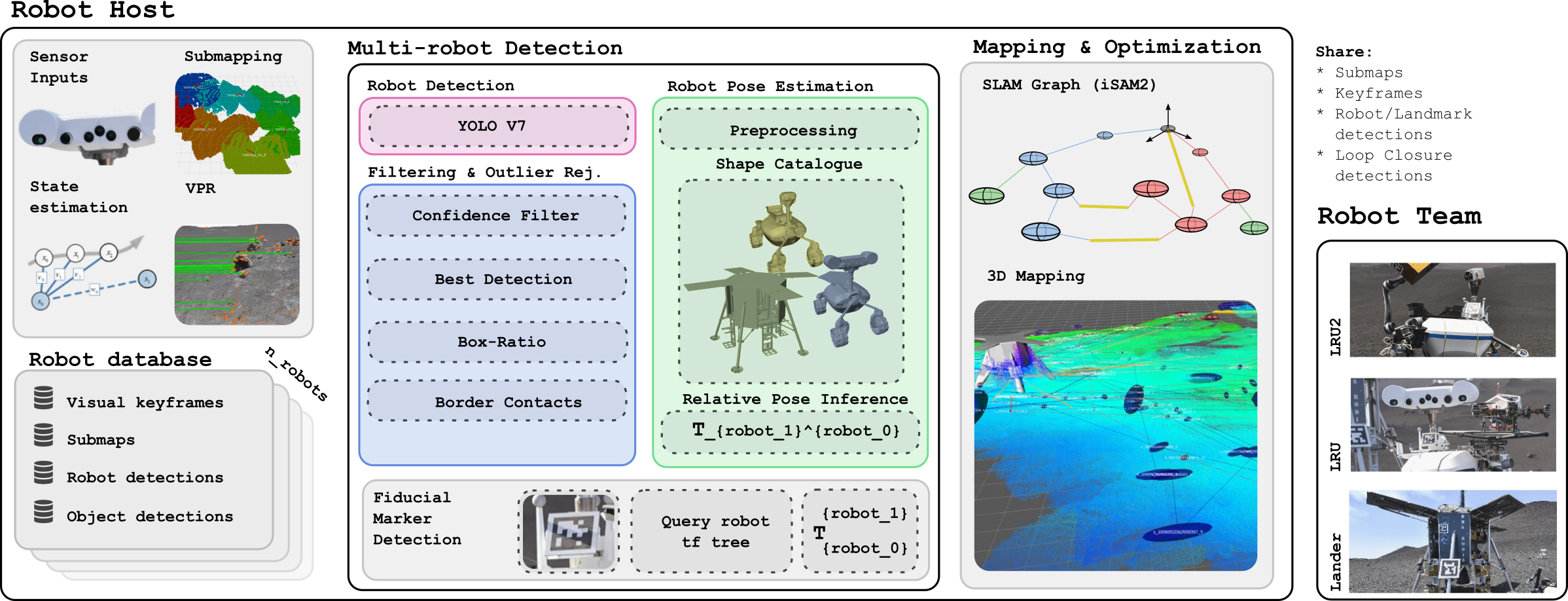
A new approach to markerless robot detection and pose estimation leverages deep learning to dramatically improve the accuracy and reliability of collaborative Simultaneous Localization and Mapping (SLAM) in complex environments.
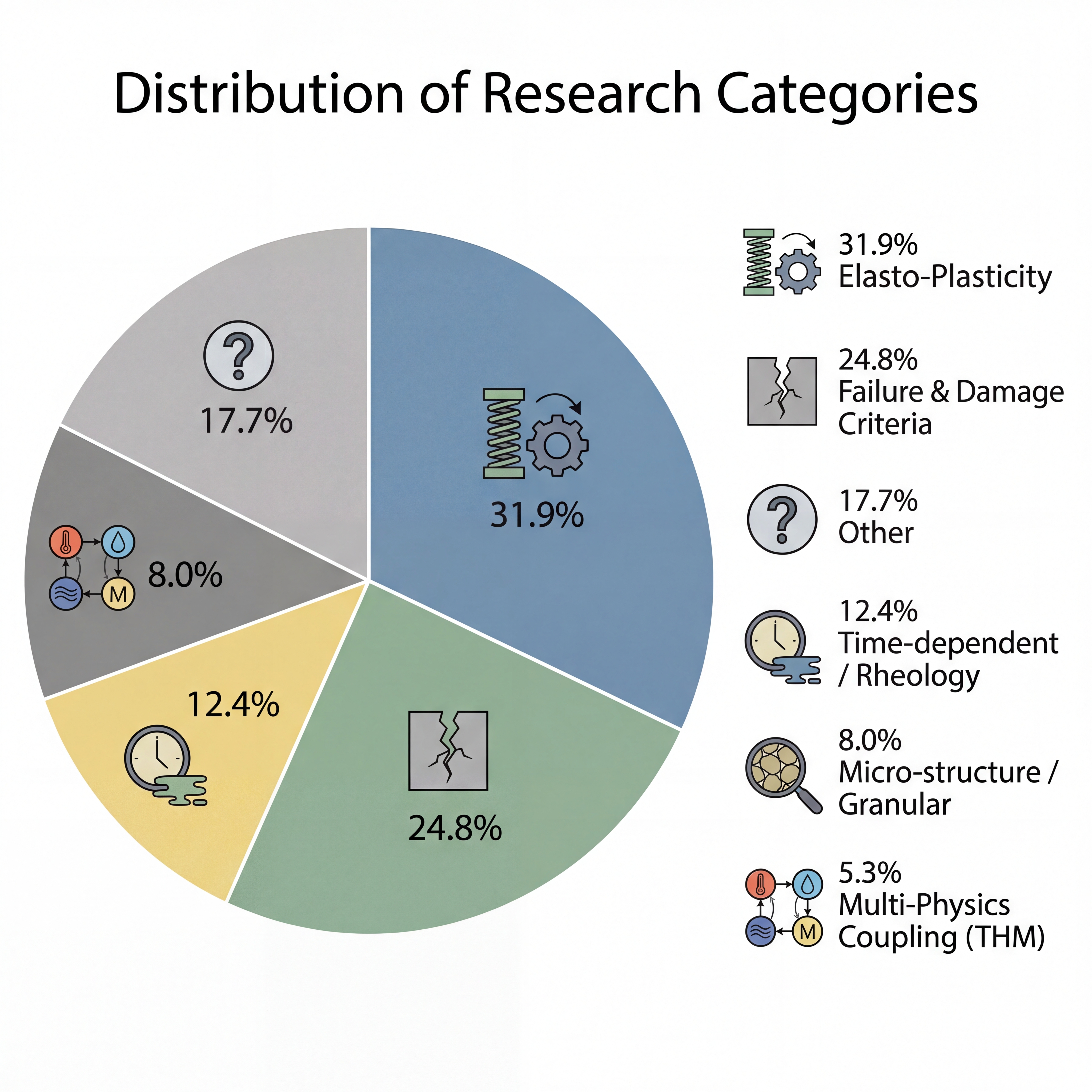
A new workflow automatically extracts material properties from scientific literature, offering a powerful tool for more accurate and efficient cultural heritage conservation.
![The system employed four distinct waveform patterns to deliver electrical stimulation via a portable device, inducing contraction within a biohybrid muscle actuator positioned between movable pillars-a configuration designed to translate modulated [latex] ramp [/latex] or [latex] staircase [/latex] patterns of stimulation into observable mechanical movement.](https://arxiv.org/html/2602.16330v1/fig_ric.png)
Researchers are leveraging the power of machine learning to accurately forecast the behavior of actuators built from living muscle tissue and flexible materials.