Simulating Human Movement: A New Approach to Realistic Digital Worlds
![The M2LSimu framework establishes a methodology for modeling and simulating multi-legged locomotion, enabling the analysis of dynamic stability and gait planning through the application of [latex] \mathbf{q}, \dot{\mathbf{q}}, \ddot{\mathbf{q}} [/latex] representing joint positions, velocities, and accelerations, respectively.](https://arxiv.org/html/2602.16726v1/x6.png)
Researchers are leveraging the power of large language models and real-world data to create more believable and scalable simulations of how people move and interact.
Researchers are leveraging the power of large language models and real-world data to create more believable and scalable simulations of how people move and interact.
New research reveals that prioritizing equal-sized prediction sets-rather than uniform coverage-significantly improves fairness when using conformal prediction in real-world decision-making.
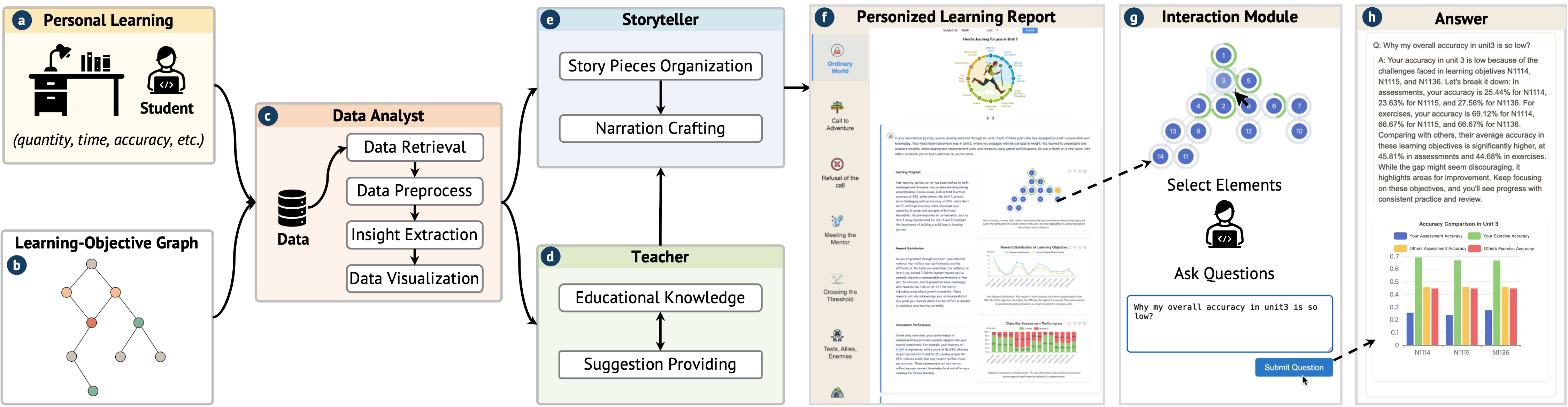
Researchers have developed a system that transforms student performance data into engaging narratives, offering a more human-centered way to understand learning progress.
![Through iterative feature engineering and selection-specifically utilizing the [latex]mRMR[/latex] method-the FAMOSE system autonomously discovered that the moment of force precisely predicts balance scale equilibrium, surpassing the performance of a model reliant on four initially observed, yet ultimately extraneous, weight and lever features.](https://arxiv.org/html/2602.17641v1/figures/Fig2.png)
A new framework empowers language models to autonomously identify and refine the most impactful features in tabular datasets, boosting machine learning performance.
New research details a method for generating exceptionally smooth toolpaths for parallel kinematic milling robots, enhancing accuracy and efficiency.
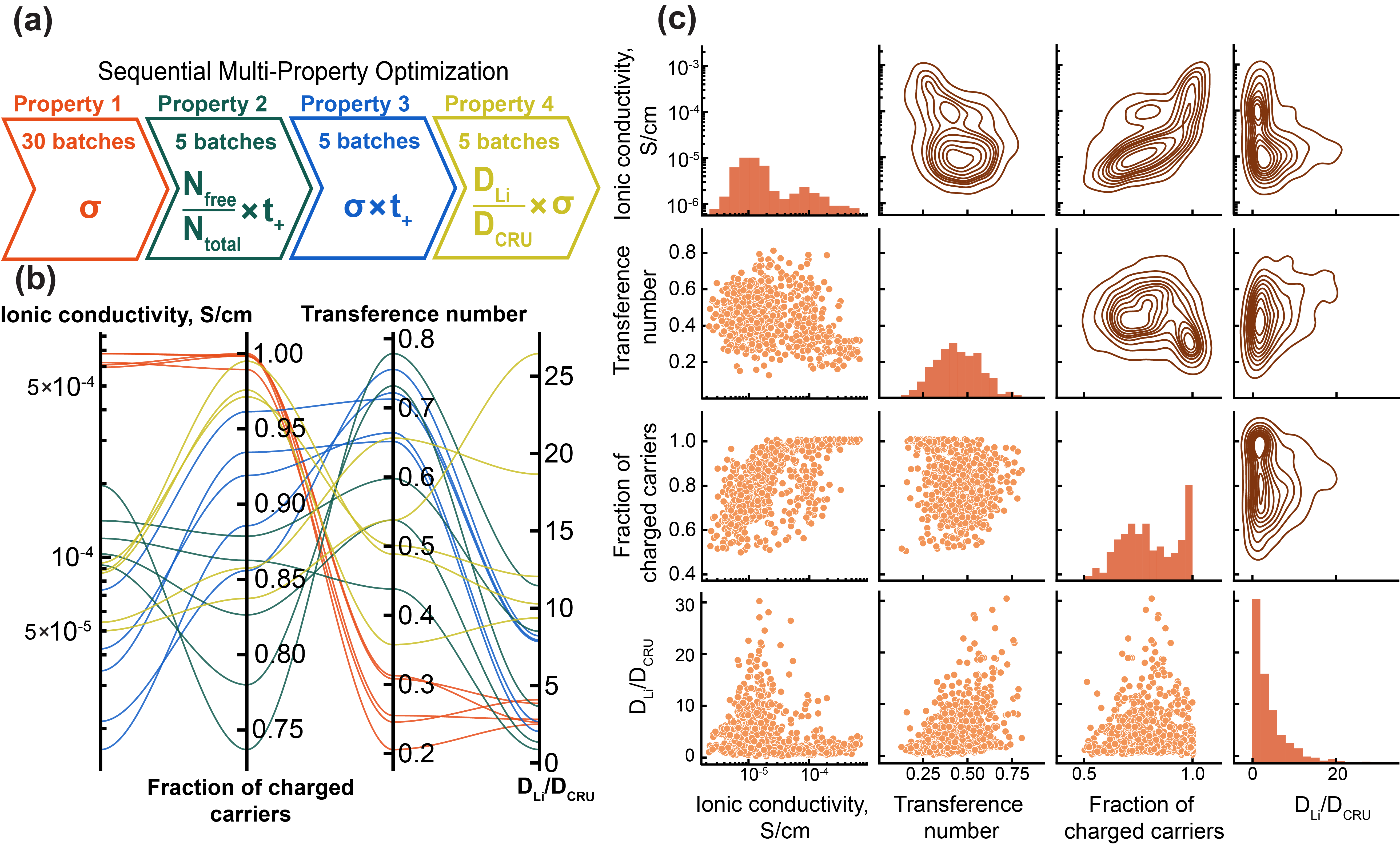
A new computational pipeline combining machine learning and molecular simulations rapidly identifies promising polymer electrolytes with enhanced ionic conductivity.
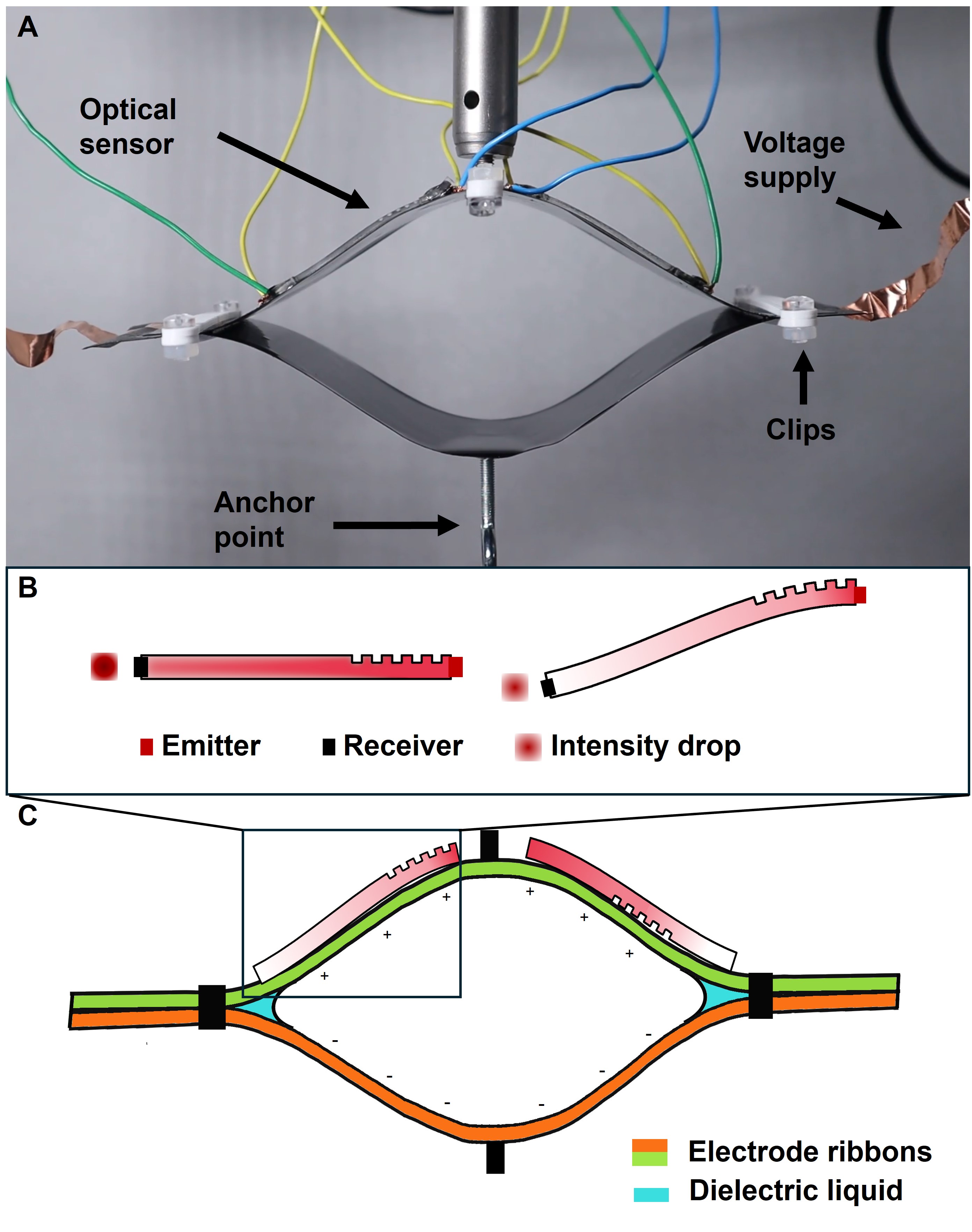
Researchers have developed a novel sensing system for electro-ribbon actuators, enabling more precise and adaptable movements in soft robotic systems.
![The evolutionary process demonstrably prioritizes recall at the expense of normalized discounted cumulative gain, as evidenced by the near-monotonic improvement in [latex]Recall@100[/latex] alongside occasional regressions in [latex]nDCG@10[/latex], indicating deliberate optimization trade-offs.](https://arxiv.org/html/2602.16932v1/x2.png)
Researchers have developed a system that leverages the power of artificial intelligence to automatically design and refine algorithms for retrieving relevant information.
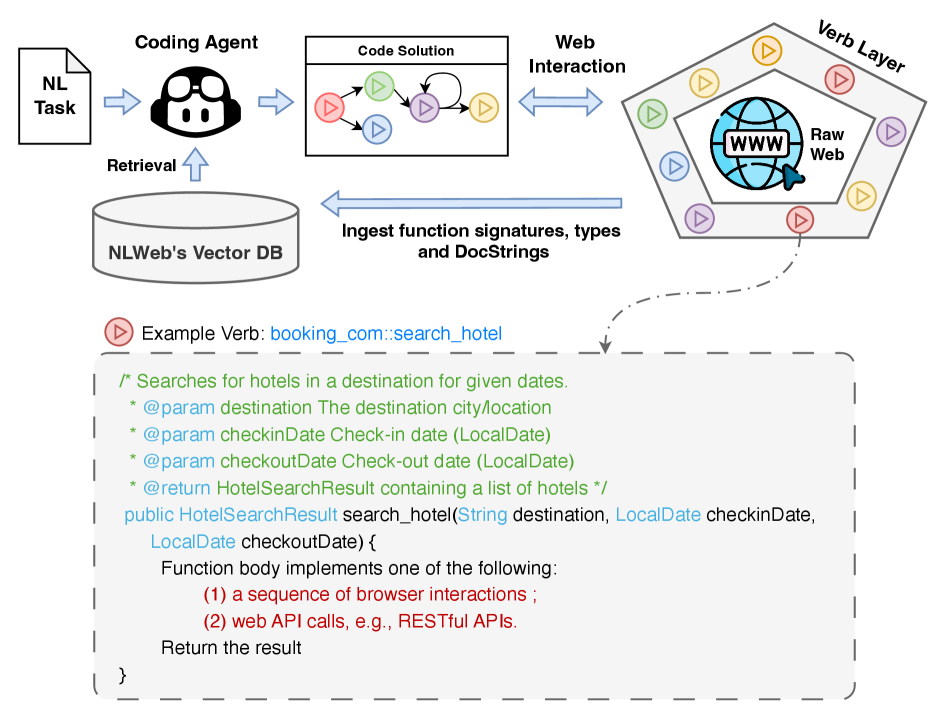
Researchers propose a new layer of typed functions, dubbed ‘web verbs’, to enable more reliable and efficient interactions between web agents and online services.
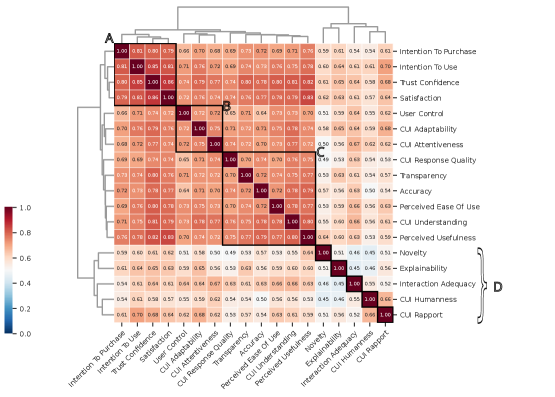
New research reveals that human ratings of conversational recommender systems are surprisingly susceptible to bias, casting doubt on their use as reliable benchmarks.