Anticipating Actions: Smarter Robots Through Human Prediction
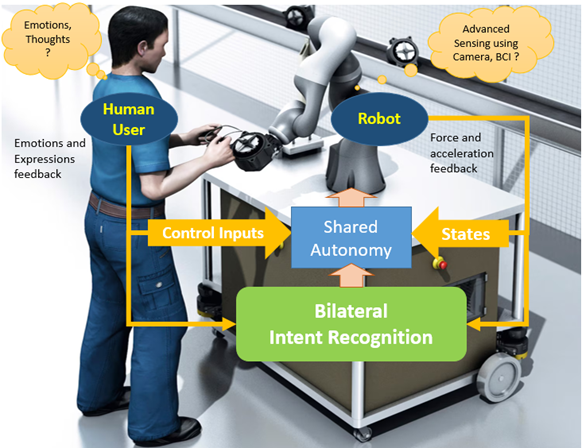
A new framework leverages probabilistic modeling to enable collaborative robots to better understand and respond to human intent in industrial settings.
A new framework leverages probabilistic modeling to enable collaborative robots to better understand and respond to human intent in industrial settings.
A new analysis challenges the notion of ‘interpretable’ AI as uncovering inherent model logic, instead framing it as a dynamic process shaped by interactions between humans and machines.
A new review explores how natural language can unlock seamless teamwork between humans and multiple robots in shared environments.
A new paradigm for software architecture envisions systems that dynamically adapt and improve themselves by generating and deploying code at runtime using generative AI.
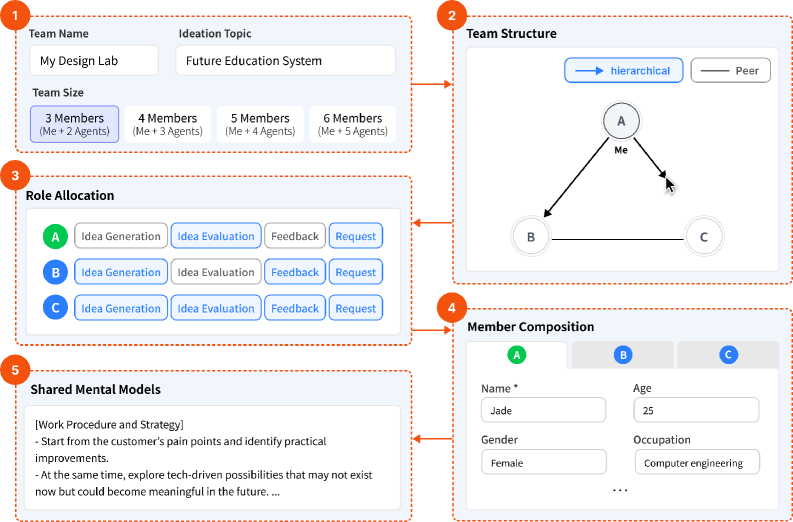
New research reveals that unlocking creative potential with artificial intelligence requires more than just assembling a team of agents – it demands human guidance and critical judgment.
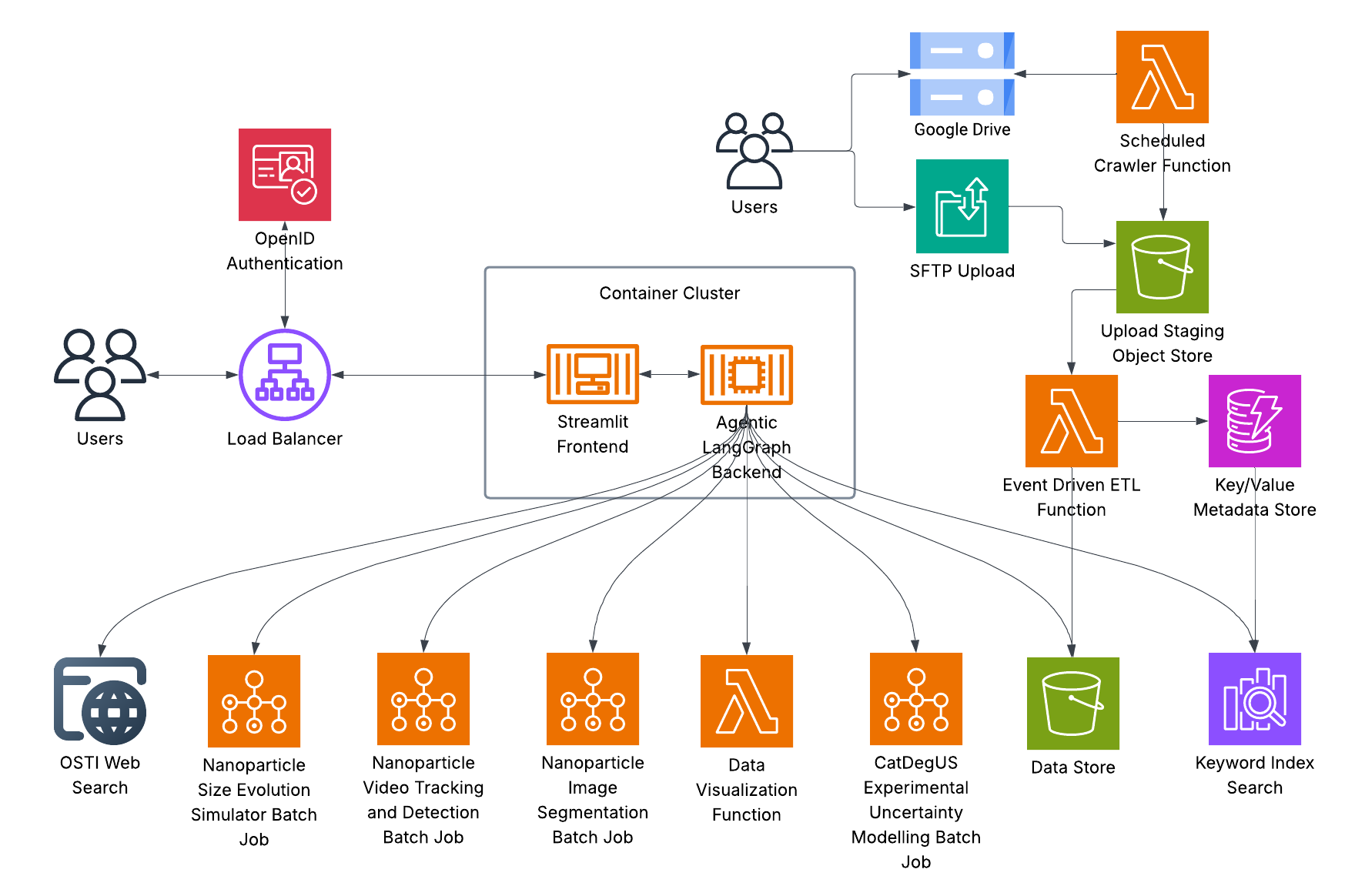
A new framework leverages the power of artificial intelligence to streamline scientific workflows and accelerate research in complex fields like catalysis.
New research reveals that a robot’s voice isn’t just heard, it’s experienced – and how we perceive it is heavily influenced by the surrounding environment and social cues.
Artificial intelligence is rapidly accelerating the discovery and design of new materials, transforming fields from energy to manufacturing.
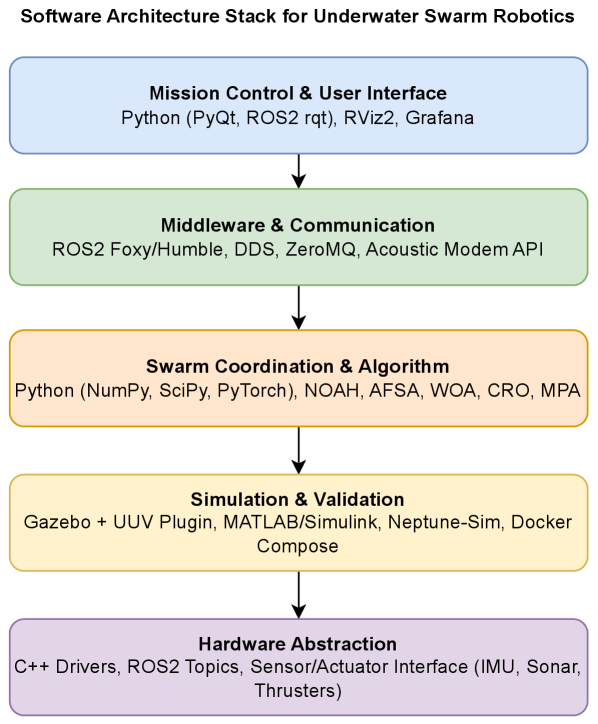
This review explores how biological systems inspire the design of coordinated, communicative, and scalable underwater robot teams.
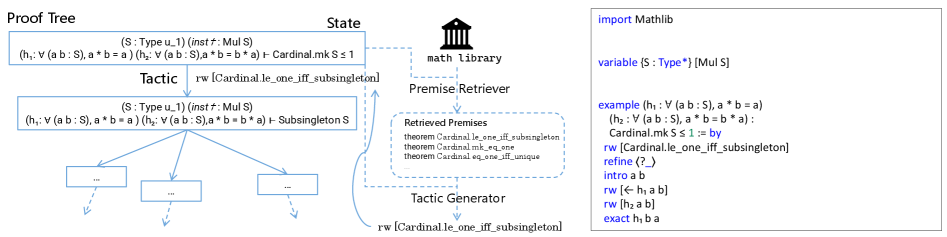
Artificial intelligence is rapidly changing the landscape of mathematical research, offering new tools for problem-solving and discovery.