
Kathryn Bigelow’s A House of Dynamite taps into current anxieties by revisiting Cold War fears. Instead of simply asking what would happen if another country launched a nuclear attack, the film explores a more frightening scenario: what if our defenses failed and millions of Americans were certain to die? The movie vividly shows how communication breakdowns and systemic failures could lead to such a devastating event.
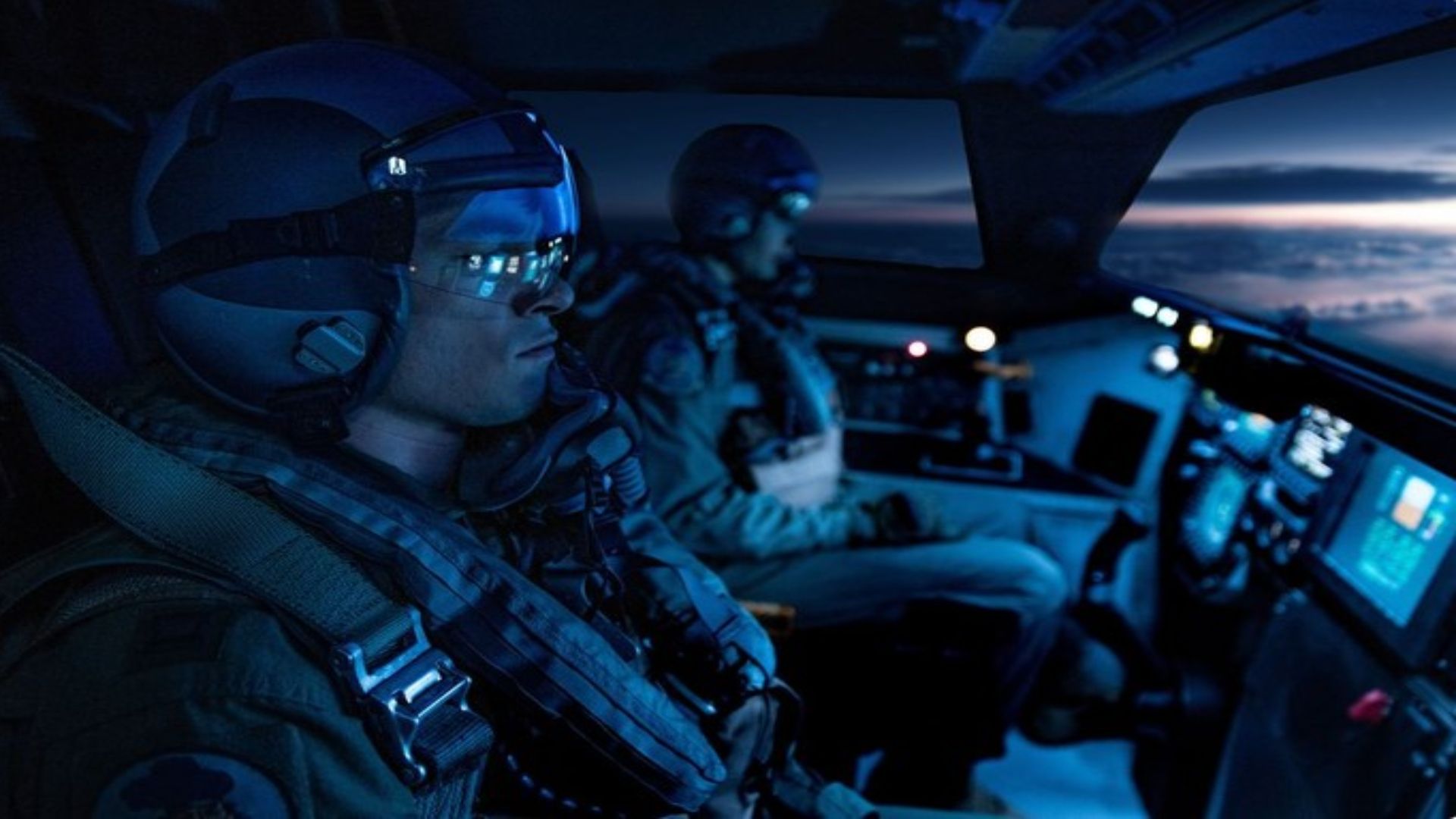
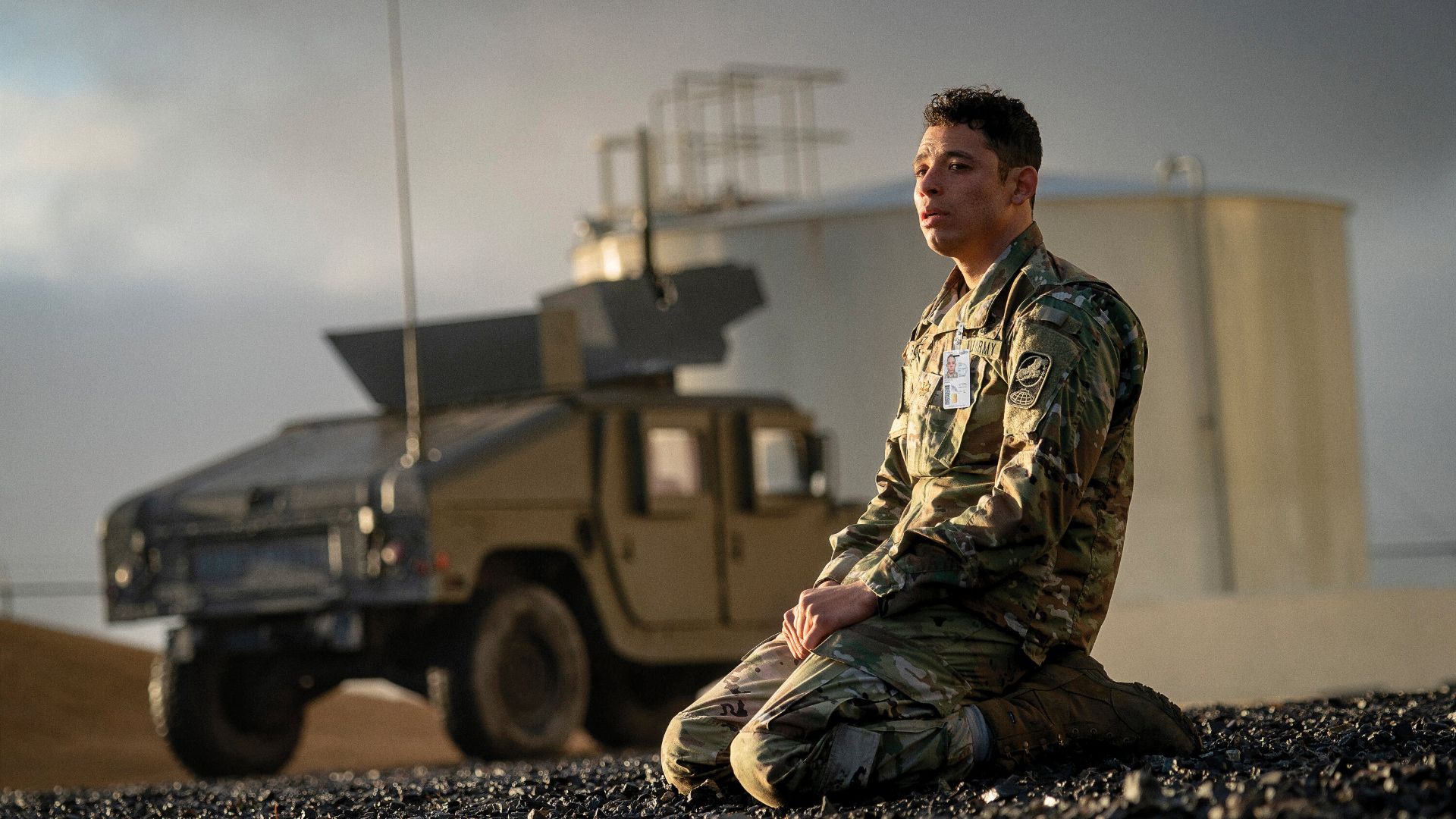
Noah Oppenheim’s A House of Dynamite unfolds through the eyes of people across the military and intelligence communities, reaching all the way to the President, portrayed by Idris Elba. The film features a large cast – including Rebecca Ferguson, Greta Lee, and Anthony Ramos – and follows individuals like soldiers working in a missile silo, intelligence officers trying to prevent a catastrophe, and top officials racing against time as disaster looms.
The “What If” of the Atomic Age
Netflix
“A House of Dynamite” isn’t the first film to explore the idea of a world-ending event. During much of the Cold War, people weren’t asking if disaster would strike, but when and how severe it would be. The dropping of atomic bombs on Hiroshima and Nagasaki in 1945, as World War II ended, quickly marked the beginning of the Atomic Age.
As a movie buff, I’ve always been fascinated by how quickly things changed after World War II. It took a while for people to really understand the full extent of the war’s horrors, but by 1947, the fragile partnership between the U.S. and the Soviet Union had fallen apart. This marked the beginning of the Cold War, and it was terrifying. Suddenly, the people we’d fought alongside were now our enemies, and they had the power to destroy the world just as easily as we did. It felt like we were living under a constant threat – one wrong move and it could all be over, a single mushroom cloud signaling the end of everything. That sense of dread really permeated the era.
Early films addressing the Atomic Age were primarily government productions and newsreels, many of which are featured in the 1982 documentary The Atomic Cafe. This film uses original footage of bomb tests, interviews, and speeches by leaders, along with cheerful public service announcements like ‘Duck and Cover’ and popular songs of the time. It serves as both a historical record and a critical look at the era, exposing the misinformation often spread through official films and news reports.
Many films about nuclear war explore life after the bombs fall. While some, like A House of Dynamite, only hint at the aftermath, movies from the 1950s, such as Five and On the Beach, began to show what a post-apocalyptic world might actually be like, and whether people would cooperate or descend into chaos. The film The World, the Flesh and the Devil, starring Harry Belafonte, depicts a world nearly destroyed by nuclear war, leaving only three survivors, but even then, racial prejudice persists as a problem for Belafonte’s character.
Satire, Dramas, and Changes After the Vietnam War

Columbia Pictures
During the 1960s, as the world became more aware of the dangers of nuclear weapons and societal norms were challenged, several films began to directly address the threat of nuclear war. The most well-known example is Stanley Kubrick’s Dr. Strangelove or: How I Learned to Stop Worrying and Love the Bomb, a satirical comedy showing how reckless leaders and a flawed system could accidentally start a war. Another notable film, Sidney Lumet’s 1964 thriller Fail Safe, explores a terrifying scenario where New York City is potentially destroyed as a response to a first strike on Moscow, based on a dangerous ‘tit-for-tat’ agreement.
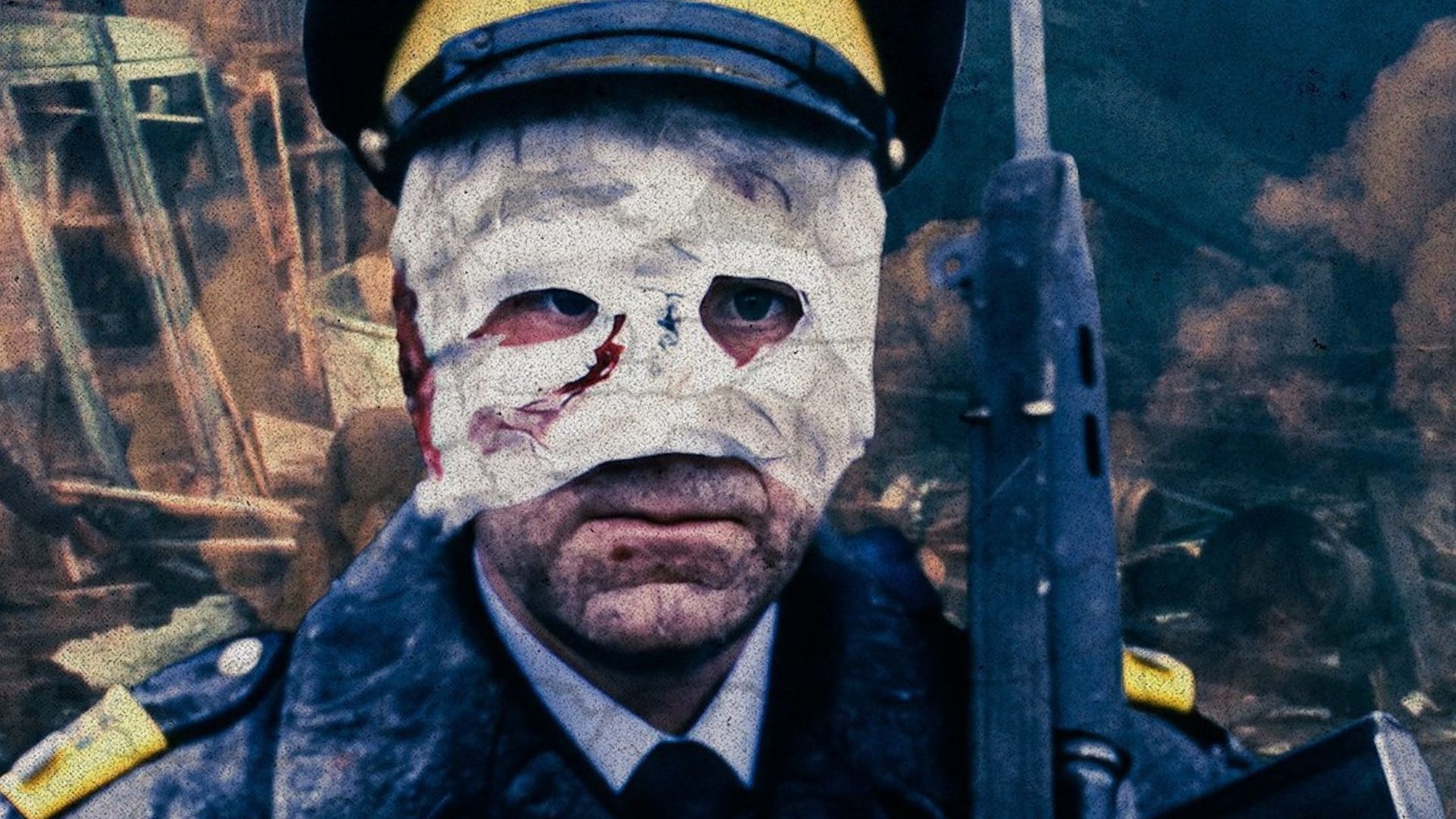
I remember being really disturbed by Frank Perry’s film, Ladybug Ladybug – it showed how scary the threat of nuclear war was, especially when seen through the eyes of kids. Over in England, the BBC made a docudrama called The War Game in 1966, aiming to show how awful a nuclear war would be, but they were so worried about how upsetting it was that they didn’t show it on TV for almost 20 years! Even so, it eventually won an Oscar for Best Documentary, which I thought was really powerful.
During the 1970s, the Vietnam War captured most of the public’s attention, and films about nuclear war were less common. However, as tensions rose again between the U.S. and the Soviet Union in the 1980s, movies began to reflect this anxiety with increasingly grim and disturbing depictions of nuclear conflict. Many films have explored this topic, both in theaters and on television. Examples include the somber drama Testament, which portrays a community’s struggle for survival in the face of radiation, and the unique cult classic Miracle Mile, which combines a love story with the impending destruction of Los Angeles.
The Fallout of Nuclear Warfare
BBC
As people learned more about the dangers of nuclear radiation, movies started showing more realistic consequences than earlier, simpler depictions. In 1983, the TV movie The Day After took the popular disaster movie format of the late 1970s—like The Towering Inferno—and applied it to a nuclear attack. The film portrays a bomb detonating in Lawrence, Kansas, and follows the devastating effects on ordinary people, showing some dying from radiation sickness and others struggling to survive in the aftermath.
Both the 1986 animated film When the Wind Blows and the 1984 TV movie Threads depict the grim aftermath of a nuclear attack. While When the Wind Blows focuses on an elderly couple struggling to survive, Threads is widely considered the most disturbing British film about life after a nuclear war. It’s not just the initial destruction that’s frightening; the film realistically portrays the rapid breakdown of society, leaving a bleak and hopeless vision of a future where even communication itself is lost.
Unlike some serious depictions of nuclear threats, the movie WarGames, starring Matthew Broderick, offered a more hopeful take. It tells the story of a young hacker who unintentionally triggers a realistic war simulation on government computers. Ultimately, the film delivers a comforting message: peace is possible even without relying on the threat of total destruction, which was a refreshing contrast to many other nuclear-themed films of the time that often ended on a bleak note, emphasizing that no one could win a nuclear war.
Following the end of the Soviet Union in 1991, concerns about nuclear war diminished, and attention shifted towards promoting peace and development. Films like 1990’s Dawn’s Early Light suggested ways to de-escalate situations involving accidental explosions, while 1995’s Crimson Tide depicted a naval officer challenging his captain’s quickness to order a missile launch.
The Modern View of Nuclear War
Netflix
The imagery of the Atomic Age has become a nostalgic reminder of the past. This is reflected in popular culture, like the 1990s comedy Blast From the Past, which tells the story of a man adjusting to modern life after being raised in a fallout shelter. More recently, the popular series Fallout examines the conflicts between people who struggled to survive after a nuclear apocalypse and those who lived comfortably in retro-futuristic underground shelters.
As a huge movie fan, I’ve always been fascinated by thrillers that tap into real-world anxieties, and the threat of nuclear war definitely still feels very present, maybe even more so with new global players. That’s what makes A House of Dynamite so gripping. What really struck me wasn’t just the action, but the film’s focus on how incredibly fast and devastating a nuclear attack would be – how there’d be virtually no escape. Some of the most unsettling moments weren’t the frantic rush for safety, but the cold, hard realization that twenty minutes simply isn’t enough time to save everyone, and that one day, the chances of surviving might be slim to none. If you’re looking for a tense watch, you can find A House of Dynamite streaming on Netflix.
Read More
- Clash Royale Best Boss Bandit Champion decks
- Vampire’s Fall 2 redeem codes and how to use them (June 2025)
- Clash Royale Furnace Evolution best decks guide
- Best Hero Card Decks in Clash Royale
- Mobile Legends: Bang Bang (MLBB) Sora Guide: Best Build, Emblem and Gameplay Tips
- Mobile Legends January 2026 Leaks: Upcoming new skins, heroes, events and more
- Best Arena 9 Decks in Clast Royale
- Clash Royale Witch Evolution best decks guide
- Wuthering Waves Mornye Build Guide
- Dawn Watch: Survival gift codes and how to use them (October 2025)
2025-10-24 17:51