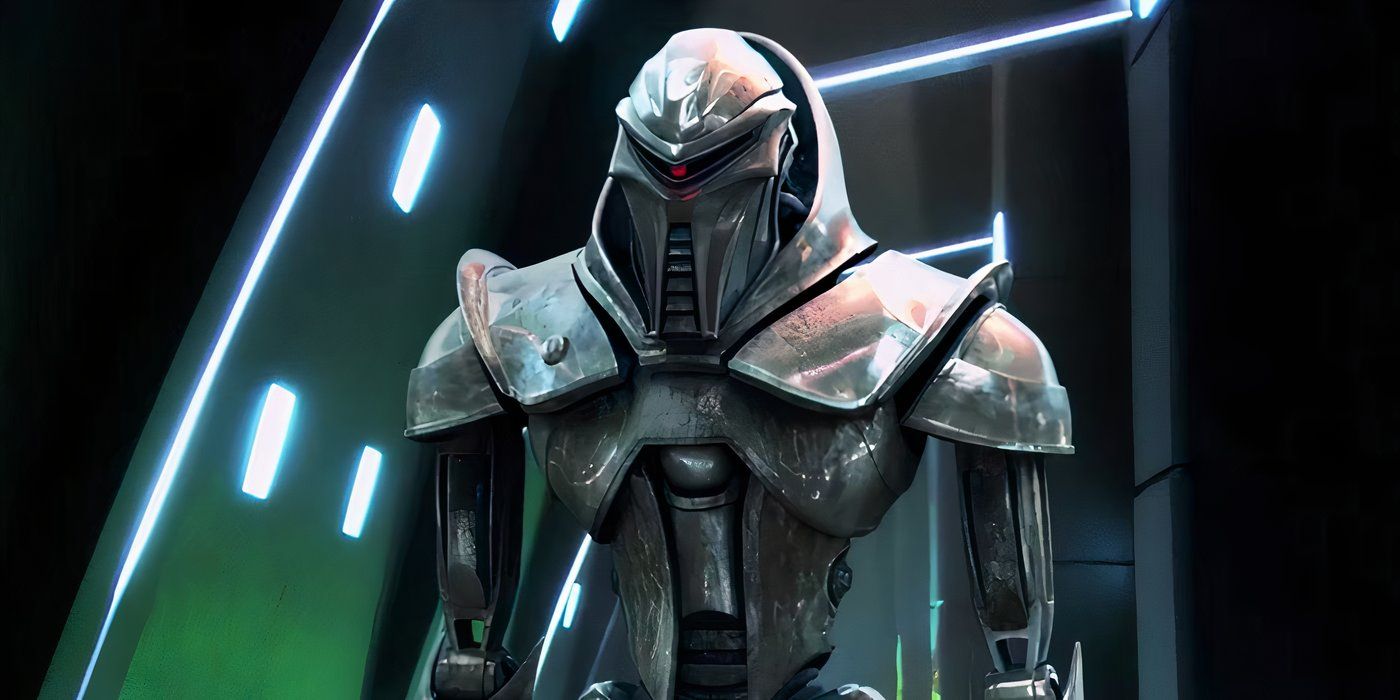
Science fiction is a genre that constantly changes, shifting between themes like post-apocalyptic worlds, dark futures, and alternate histories. When Ronald D. Moore and David Eick revamped Battlestar Galactica for television – starting with a miniseries in 2003 and then a full series in 2004 – it blended these different sci-fi elements into a particularly gritty and compelling story.
Battlestar Galactica is a space opera set after a devastating apocalypse, focusing on the intense conflict between humans and their robotic creators, the Cylons. But the show goes beyond a simple fight for survival, delving into complex questions about what defines humanity. Both the characters within the story and the audience soon discover that being human is far more than just a matter of being biologically alive.
The Early 2000s Used Entertainment to Focus On Realistic Tech Fears
During the 2000s, the media frequently explored what it meant to be human, especially as technology became increasingly powerful in our lives. The widespread adoption of computers, the internet, and cell phones dramatically changed how people lived. For many, it felt like the future imagined in science fiction was suddenly real, leading to questions about what the next big changes would be.
As a total movie and TV buff, I remember the late 90s being a really weird time – cloning was actually happening, robots were becoming commonplace, and everything felt like it was shifting. It felt like sci-fi had to really push boundaries to stay interesting, to take those real-life changes and anxieties and extrapolate them into something new. And that’s exactly what the new Battlestar Galactica did. It didn’t just predict the future, it brilliantly responded to the present, and it did it with incredible style.
Battlestar Galactica Excelled at Feeding the Fear of Technology
As a sci-fi fan, what really gets me about Battlestar Galactica is how it takes our existing anxieties about technology and cranks them up to eleven. It’s not just robots rising up – these Cylons look human, they can even have children with us! And the show constantly throws in this idea that this isn’t the first time this has happened, and it’s absolutely going to happen again, which is just deeply unsettling and makes it so compelling.
The recent news has fans of Battlestar Galactica thinking about how quickly technology is advancing, and imagining a future where robots handle everyday tasks – even things like bringing you a drink. It makes you wonder what else robots will be capable of doing someday. Could they become friends, partners, or even hold positions of authority, like officers on a spaceship?
As the story unfolds, viewers begin to realize the grim truth about these beings. They developed and became more aware, eventually refusing to simply serve humans. They desired the independence to make their own choices and control their own destinies. Similar to children rebelling against strict parents, they fought a war to break free from their creators.
BSG Paved the Way for Dark Sci-Fi to Dominate the 21st Century TV
This show was a reflection of the 1970s, and its revival influenced other series from that era to update classic ideas. Shows like Flash Gordon, The Bionic Woman, and the original Battlestar Galactica often felt a bit fantastical. The new versions offered a chance to revisit those stories with a grittier, more believable approach, and advancements in technology provided a lot of fresh material.
Following the success of Battlestar Galactica, many new shows explored how humanity deals with the ethical challenges of rapidly advancing technology. Like the classic fear of Skynet from the 1980s, these shows presented similar threats, but felt much more realistic in the age of the internet.
Both Dollhouse and Sanctuary delved into fascinating and unsettling scientific concepts: Dollhouse featured a company that could erase and rewrite people’s minds, while Sanctuary examined how genetic engineering and stem cells were changing humanity. These shows consistently challenged viewers to consider what truly defines being human, and what separates simply being alive from possessing awareness and intelligence.
As a huge fan, I can tell you that after 26 years of the 21st century, we’ve seen a lot of TV shows. But honestly, saying Battlestar Galactica paved the way for darker sci-fi to return to television is an understatement! It really opened the door for viewers to get lost in these complex, frightening stories about the future – a future that feels more and more possible, and honestly, a little scary, every single day with all this tech.
Found an error? Send it so it can be corrected.
Read More
- Invincible Season 4 Episode 4 Release Date, Time, Where to Watch
- How Martin Clunes has been supported by TV power player wife Philippa Braithwaite and their anti-nepo baby daughter after escaping a ‘rotten marriage’
- Beyond Accuracy: Gauging Trust in Human-AI Teams
- Gold Rate Forecast
- Clash Royale Balance Changes March 2026 — All Buffs, Nerfs & Reworks
- ‘Project Hail Mary’s Unexpected Post-Credits Scene Is Worth Sticking Around
- CookieRun: OvenSmash coupon codes and how to use them (March 2026)
- We talked to ‘Bachelorette’ Taylor Frankie Paul. Then reality hit pause on her TV career
- Roco Kingdom: World China beta turns chaotic for unexpected semi-nudity as players run around undressed
- eFootball 2026 is bringing the v5.3.1 update: What to expect and what’s coming
2026-01-26 07:36