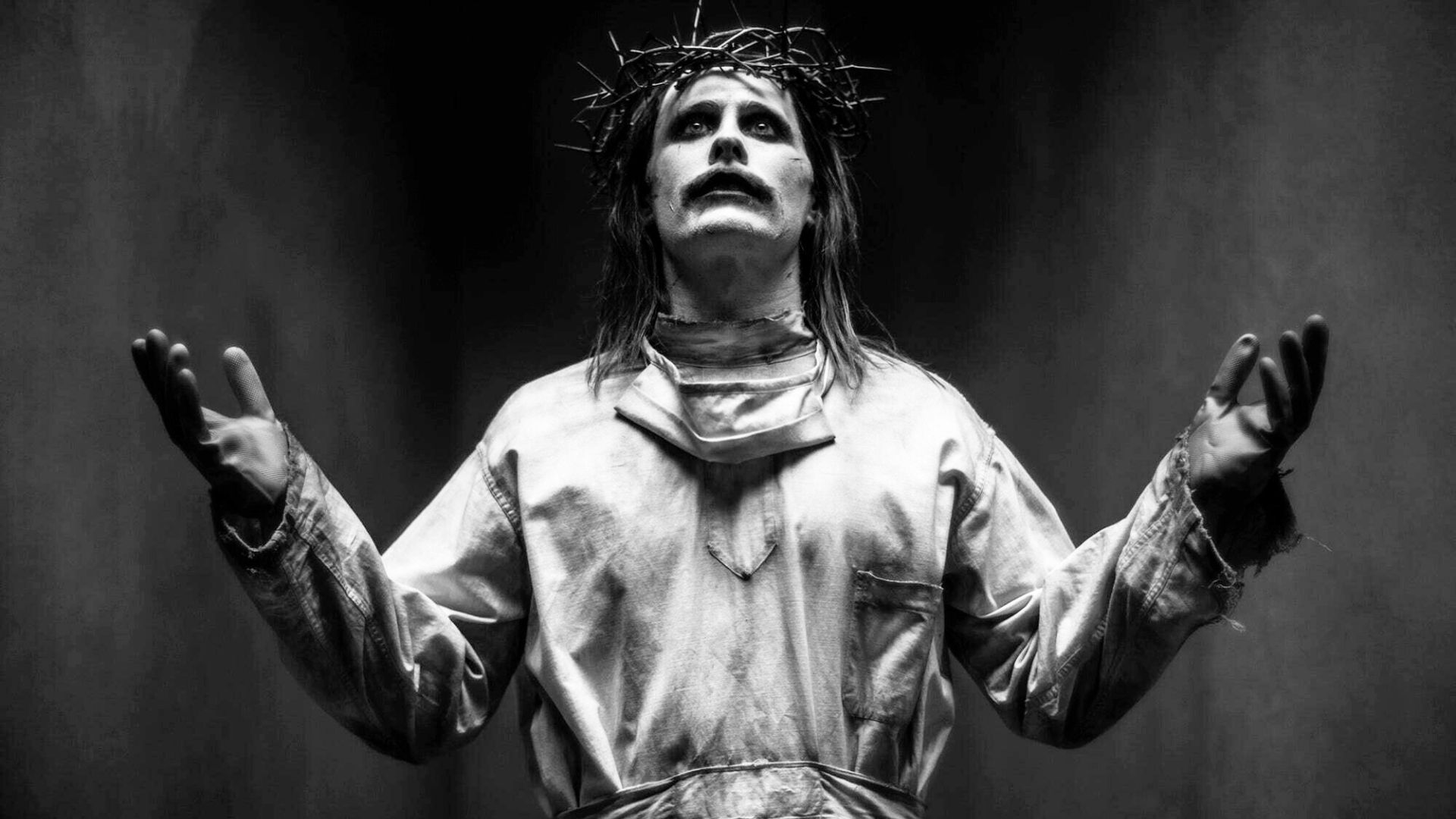
Warner Bros. is one of the most historically significant film studios, boasting over a hundred years of creative filmmaking, often tackling important social issues. From its founding in 1923 by the Warner brothers, the studio has consistently been a leader in the film industry. A prime example of its impact is the passionate fan campaign that successfully pushed for the release of Zack Snyder’s Justice League, and most recently, the studio produced the Oscar-winning film, One Battle After Another.
The online movement #ReleaseTheSnyderCut gained huge momentum as fans campaigned to see director Zack Snyder’s original vision for the DC superhero film, a story that started with 2013’s Man of Steel. After Justice League was released in late 2017, finished by director Joss Whedon following Snyder’s departure, fans continued to push for Snyder’s version. Finally, on March 18, 2021, Snyder was able to release his cut. Five years later, the Snyder Cut has become a symbol of both passionate fan activism and, at times, negative fandom behavior. But the big question remains: does it truly demonstrate the importance of protecting a director’s creative vision?
Does ‘Zack Snyder’s Justice League’ Hold Up?
Zack Snyder’s Justice League definitely sparks debate, but it’s a unique kind of division. Unlike some of his other films, like Batman v Superman – which still has a wide range of opinions, even with its extended ‘Ultimate Edition’ often praised as a superhero masterpiece – reviews for Snyder’s Justice League are generally more positive. The story surrounding the film – seen as a victory for fans over the studio, Warner Bros. – seemed to influence how it was received, with critics being more forgiving of its flaws because of the circumstances.
Although opinions on Zack Snyder’s Justice League aren’t as sharply divided as they were for Batman v. Superman, there’s still a wide range of reactions. Some viewers consider it a brilliant work by a visionary director, while others see it as a long, self-indulgent superhero film that isn’t particularly groundbreaking, though not necessarily bad. After five years, I’m inclined to agree more with that latter perspective.
As a lifelong DC Comics fan, I’m pretty forgiving when it comes to these movies, especially when Batman and Superman are involved. While Zack Snyder’s Justice League is arguably better than the version made by Joss Whedon, it still suffers from many of the same problems as other modern superhero films – it’s just longer and more visually dramatic. Major weaknesses include Ezra Miller’s difficult-to-watch performance as The Flash and the uninspired villain, Steppenwolf. Now that we know a planned sequel was cancelled, Steppenwolf feels even more like a weak, placeholder villain whose only purpose was to set up a bigger threat, Darkseid, which will now never happen. He’s stuck being the disappointing final boss of the DC Extended Universe.
The introductions of Zheng Kai’s Ryan Choi and Wayne T. Carr’s John Stewart feel ultimately unsatisfying, serving mostly as a nostalgic nod to the original plans for the DC Extended Universe (DCEU) from 2016-2020—plans that never materialized. The Martian Manhunter’s appearance, following a touching moment between Lois Lane and Martha Kent (which is later revealed to have been orchestrated), diminishes a well-developed character from Man of Steel by turning them into a pointless cameo, only to reappear briefly for an uncomfortable scene with Bruce Wayne. These kinds of choices are exactly what fans criticize in Star Wars and the Marvel Cinematic Universe.
While Zack Snyder’s Justice League is a decent film, it doesn’t really stand out compared to the many similar superhero movies that came out around the same time. It also doesn’t reach the same level as other impressive epics from the 2020s, like Killers of the Flower Moon or One Battle After Another.
Does the #RestoreTheSnyderCut Message Hold Up?
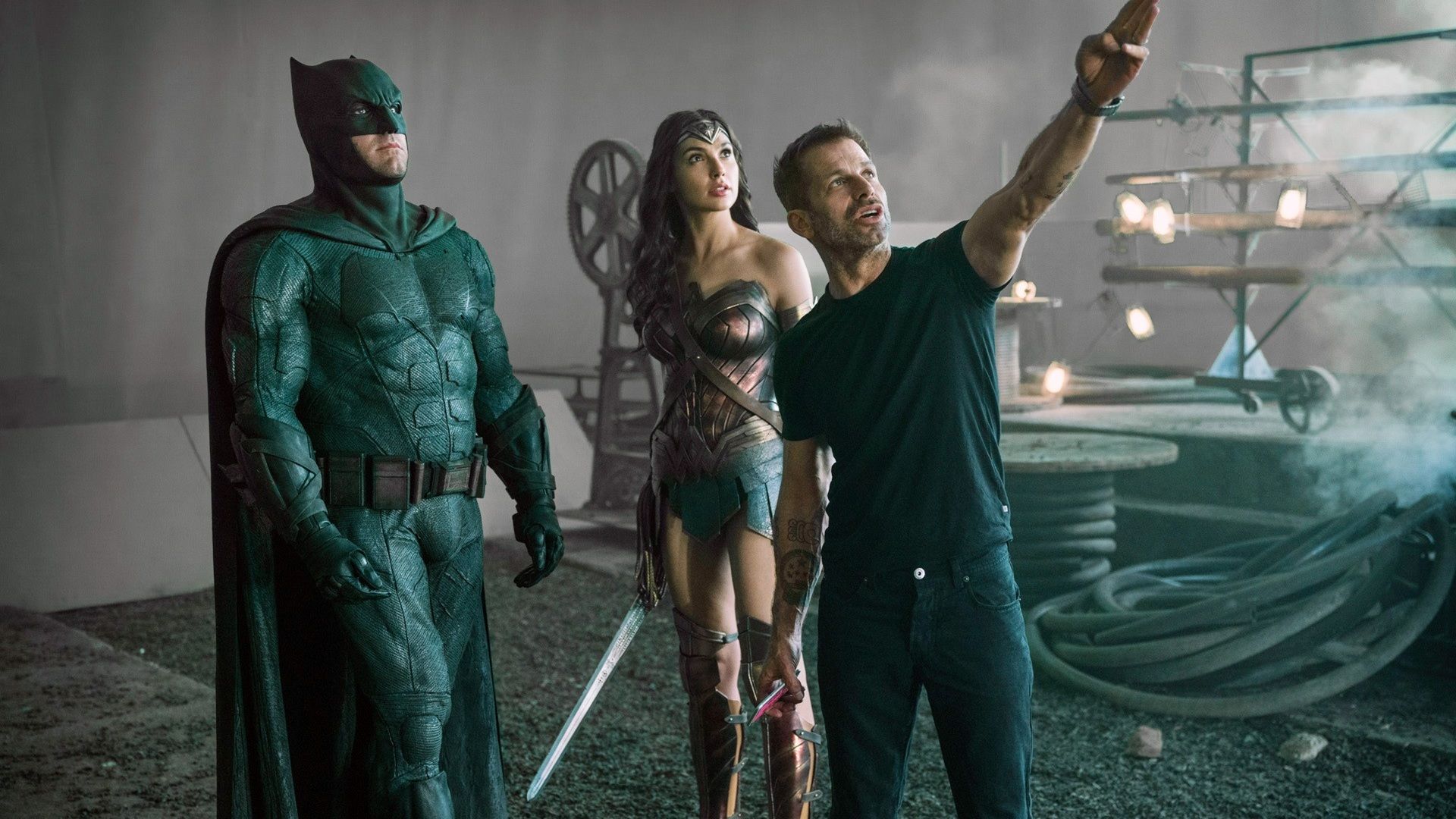
Clay Enos / © HBO Max / Courtesy Everett Collection
The real impact of the Snyder Cut isn’t the movie itself, but what the campaign to release it achieved. Fans raised $500,000 for the American Foundation for Suicide Prevention and proved how powerful online campaigns can be when fans rally to support a creative project. This fundraising effort was a remarkable success, demonstrating what people can accomplish when they work together. That positive energy continues today, with fans now campaigning against Warner Bros. Discovery’s decisions to cancel projects like Batgirl and Coyote v. Acme – the latter of which will now see a theatrical release this August.
While the #ReleaseTheSnyderCut movement achieved its goal, it also faced legitimate criticism. The recent petition demanding rewrites for Stranger Things Season 5 highlights a troubling sense of entitlement, missing the original point of the Snyder Cut campaign. Zack Snyder’s Justice League wasn’t about fans getting the movie they wanted; it was about supporting an artist’s vision and fighting for a director to have creative control over their work, free from studio interference. This is a strong and important message, but it would be even more meaningful if that same level of enthusiasm was directed towards smaller, independent films, not just big-budget superhero movies.
Subscribe for deeper takes on studios, fandom & film
Want nuanced analysis? Subscribe to the newsletter for thoughtful context on Warner Bros., fan movements like the Snyder Cut, and how studio-creator dynamics shape modern cinema — plus wide-ranging film commentary and critical perspectives.
For years, online fan communities have sometimes become overwhelmingly negative and harmful. This has been seen in cases like the harassment directed at Kelly Marie Tran, star of The Last Jedi, and Diane Nelson, the former president of DC Entertainment, who had to delete her Twitter account due to online attacks from fans of the ‘Snyder Cut.’ While the initial push for the Snyder Cut had understandable origins, it unfortunately fostered a space where negativity and anger spread widely and became destructive. Even now, some online groups continue to target James Gunn’s new DC films and the people making them, still hoping for a restoration of Zack Snyder’s original vision.
Post by @jamesgunn
View on Threads
The release of Zack Snyder’s Justice League is a remarkable accomplishment, but the journey to get here wasn’t perfect.
Read More
- The Division Resurgence Best Weapon Guide: Tier List, Gear Breakdown, and Farming Guide
- Last Furry: Survival redeem codes and how to use them (April 2026)
- Clash of Clans Sound of Clash Event for April 2026: Details, How to Progress, Rewards and more
- Kagurabachi Chapter 118 Release Date, Time & Where to Read Manga
- Guild of Monster Girls redeem codes and how to use them (April 2026)
- GearPaw Defenders redeem codes and how to use them (April 2026)
- After THAT A Woman of Substance cliffhanger, here’s what will happen in a second season
- All Mobile Games (Android and iOS) releasing in April 2026
- eFootball 2026 “Countdown to 1 Billion Downloads” Campaign arrives with new Epics and player packs
- Wuthering Waves Hiyuki Build Guide: Why should you pull, pre-farm, best build, and more
2026-03-20 21:42