
A man is grieving the death of his famous mother when she unexpectedly reappears as a hologram in their old family home, performing a song on her guitar.
A heartwarming moment comes from the new short film, “Sweetwater,” which is surprisingly funded by Google.
Despite concerns about artificial intelligence potentially harming Hollywood and creative jobs, the tech company is trying to shift the conversation with a 21-minute film. The film explores whether technology can assist people in dealing with loss and grief in today’s digital world.
Google kicked off a conversation about the future of entertainment with a glamorous event Monday night at the Academy Museum of Motion Pictures. The event, held in Los Angeles, drew a large crowd of actors, filmmakers, producers, and other industry professionals who gathered to watch the premiere of “Sweetwater,” featuring Michael Keaton and Kyra Sedgwick.
Google partnered with Sweetwater and Range Media Partners, a talent management firm in Santa Monica, to investigate the intricate connection between artificial intelligence and people.
Google has a clear reason to present AI positively. As a significant investor and partner in the AI company Anthropic – which is currently facing copyright lawsuits related to artistic works – Google benefits from a good public perception of AI. Beyond this partnership, Google is also independently creating its own AI technologies like Gemini and Project Astra.
As a movie and media fan, I found Robert Thompson from Syracuse University’s take on AI really interesting. He basically said that right now, companies aren’t necessarily trying to sell us AI technology. Instead, they’re focused on building a sense of trust and comfort around it. They want us to embrace AI without hesitation, just like we all jumped into social media. He thinks getting people to that point has actually been harder with AI than it was with social media, and I can see why – it feels a lot more… unknown, you know?
Shows like “Black Mirror” often portray a dark vision of the future, suggesting that after we die, we might be brought back as chatbots or robots. These depictions can be unsettling and paint a grim picture of what’s to come.
The short film “Sweetwater” features a holographic mother, creating an emotional experience that suggests AI could one day help people preserve memories of loved ones who have passed away or offer support during times of grief.
In an interview, Sean Douglas, Keaton’s son and the film’s writer, admitted he’s still grappling with a central question the movie raises: if you could experience something like this, would you want to, and how convincingly real could it even be?
As artificial intelligence becomes more common, people are increasingly discussing and questioning its effects, including how it might alter our everyday lives.
The entertainment industry is facing new challenges as artificial intelligence advances. Concerns are growing about copyright, fair pay, and the potential for AI to replace actors, writers, and artists. Technology now allows for the digital recreation of deceased performers, and AI is even being used in roles like therapy, raising questions about its impact on creative professions and beyond.
Companies like Google, which create AI tools for things like images, writing, and videos, emphasize that these tools are meant to assist creatives, not take their jobs.
Although Google has AI-powered holographic communication technology called Google Beam, it isn’t featured in the movie “Sweetwater”.
I was reading this new report, and it’s interesting how people are feeling about AI and creativity. It seems like a lot of us – around 53% – are worried that AI might actually hurt our ability to be creative. But there’s a smaller group, about 16%, who think AI could actually boost it. A lot of people are still on the fence, or feel it won’t make much of a difference either way. It’s definitely a mixed bag of opinions out there!
According to Neil Parris, who leads content partnerships for Google’s 100 Zeros initiative focused on film and TV, seeing different kinds of stories about AI – especially those that aren’t entirely negative – could broaden people’s perspectives on how technology can be used.
Parris, the film’s executive producer, explained that the technology is designed to boost human creativity. Like any new technology throughout the history of filmmaking, it will change the kinds of jobs people have in creative fields and how those jobs are done.
Hollywood Inc.
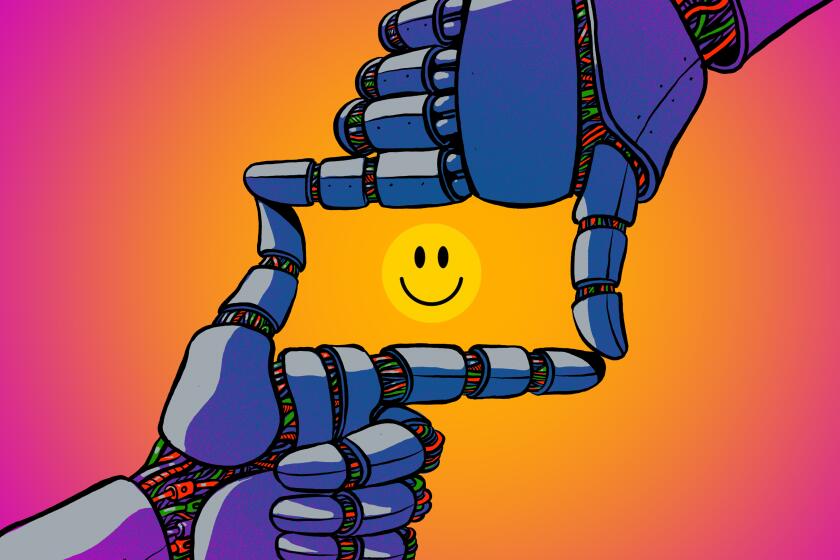
Google is investing in short films that explore the positive side of AI, rather than focusing on fears about its potential dangers.
The film “Sweetwater” debuted in New York in September, but it’s still seeking wider release. The creators are also considering adding more footage to extend the film’s length.
The discussion after the film highlighted the conflict between people and technology.
Sedgwick expressed her enthusiasm for the idea of a human actor portraying artificial intelligence, rather than AI imitating a human performance, saying, “I thought that was a good thing,” to applause from the audience.

Hollywood Inc.
YouTube creators are worried that Google is using their videos to improve its new AI video generator, Veo, without giving them a way to prevent it. This is especially concerning for those who rely on YouTube as their main source of income, as they fear it could impact their future earnings.
Earlier this year, Hollywood actors expressed strong concerns when the creator of Tilly Norwood – a character generated by artificial intelligence – announced plans to have Norwood represented by a talent agency. This AI character could potentially appear in movies and television, taking roles that could otherwise go to human actors.
Though he’s not a tech expert, Keaton directed and starred in the film because he was curious and wanted to collaborate with his son. He emphasizes that the movie isn’t an advertisement for artificial intelligence.
The actor praised Google on Monday, calling their team ‘great.’ However, he also voiced worries about how artificial intelligence could affect employment and fairness.
Google’s YouTube has introduced AI features that learn from videos made by its users. Some video creators are worried this technology could allow others to easily imitate their content and unique style.
Keaton explained in a recent interview that he believes in respecting people’s jobs and doesn’t think anyone should simply be replaced. However, he also admitted to being fascinated by the changing landscape of work and new developments in the industry.
While the film is about AI, the filmmakers intentionally didn’t use AI to create digital actors.
Douglas explained they wanted to be upfront about their use of AI and openly discuss it, rather than being vague or unclear.
He mentioned that a perk of working at Google was the opportunity for researchers and tech employees to explore the concept of a digital afterlife.
Jed Brubaker, a University of Colorado Boulder professor who studies the pros and cons of AI-powered digital legacies—work he’s done with Google DeepMind—helped the filmmakers create the holographic representation of the mother in the film “Sweetwater.” In the movie, the mother appears as a hologram projected from a glowing orb.
Brubaker explained that when creating these AI-powered ‘ghosts,’ we have many choices to make, and those choices will affect how people connect with them. It’s similar to the difference between reading a personal journal and looking at a collection of photographs – each offers a unique and different experience.
Following the preview, Google reported that several people in the film industry have already reached out about potential collaborations on future movies.
Stephen Galloway, dean of Chapman University’s film school, notes that Hollywood has greatly amplified our anxieties about machines over the years. He suggests that movies often reflect and exaggerate existing public fears.
Read More
- Clash Royale Best Boss Bandit Champion decks
- Vampire’s Fall 2 redeem codes and how to use them (June 2025)
- Mobile Legends January 2026 Leaks: Upcoming new skins, heroes, events and more
- World Eternal Online promo codes and how to use them (September 2025)
- How to find the Roaming Oak Tree in Heartopia
- Best Arena 9 Decks in Clast Royale
- Clash Royale Furnace Evolution best decks guide
- Clash Royale Season 79 “Fire and Ice” January 2026 Update and Balance Changes
- Clash Royale Witch Evolution best decks guide
- Brawl Stars December 2025 Brawl Talk: Two New Brawlers, Buffie, Vault, New Skins, Game Modes, and more
2025-12-04 22:02