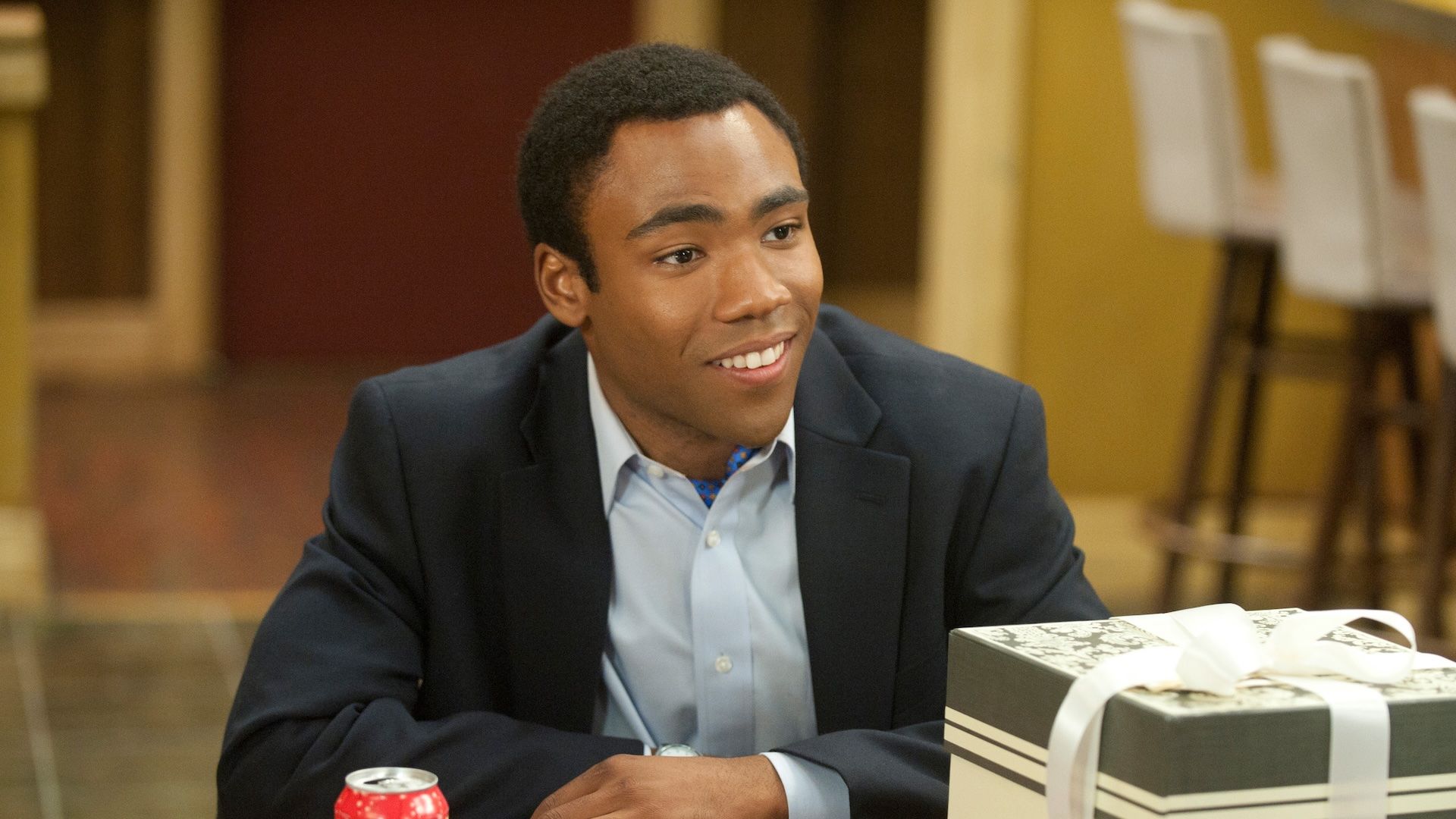
When “Remedial Chaos Theory” first aired, critics enjoyed the Community episode, but no one realized how impactful it would become over time. The show’s strongest episodes demonstrate that Community was truly unique and stood out from other sitcoms.
Dan Harmon’s show, Community, was a remarkably clever comedy, standing out from other sitcoms at the time. Its playful, self-referential humor was comparable to that of shows like 30 Rock and Arrested Development. While Arrested Development innovated with its documentary-style format, Community took that self-awareness a step further, creating a show that constantly acknowledged its own sitcom nature.
Abed frequently pointed out the predictable patterns common in sitcoms, and soon other characters started playfully acknowledging their roles within the show itself. This created a unique series that was both aware of and critical of traditional sitcoms, yet still managed to be genuinely enjoyable and hilarious.
“Remedial Chaos Theory” Brought Multiverse Theory To The Mainstream
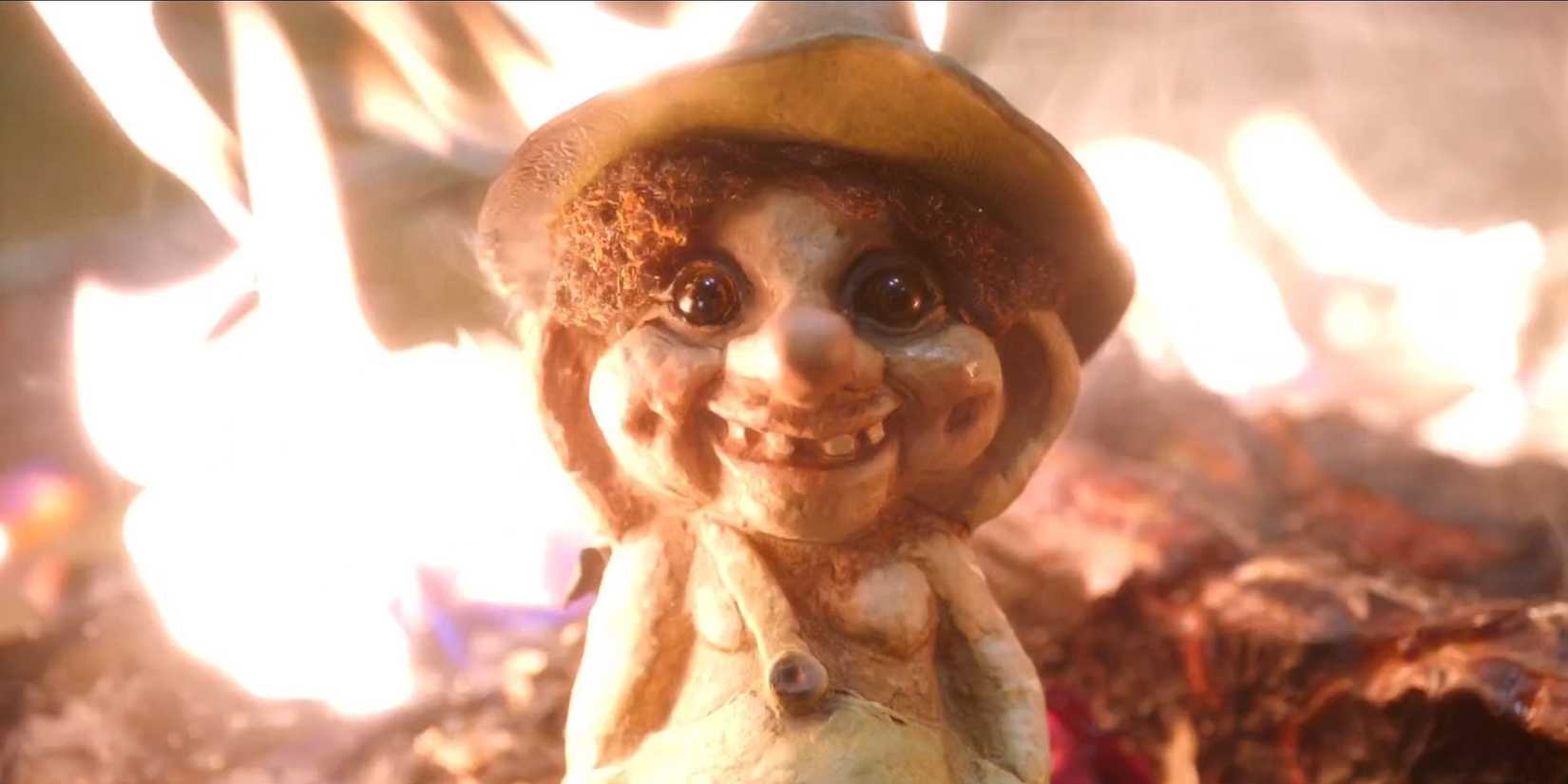
Many episodes of Community stand out as important moments in television history, because the show was so creatively ambitious and avoided typical sitcom tropes. But one episode, in particular, was incredibly impactful and continues to influence media today.
The Community episode “Remedial Chaos Theory,” a memorable installment known for being filmed primarily in one location, first aired on October 11, 2011. The episode centers around a housewarming party at Troy and Abed’s apartment, where the study group plays a game of Yahtzee.
Jeff decides who gets the pizza by rolling a die, and this simple act creates seven different possible scenarios. In six of these, a different character goes to pick up the pizza, leading to completely different outcomes. The seventh scenario happens when Abed stops the die before it lands, preventing any of those changes.
“Remedial Chaos Theory” is a genuinely funny episode on its own, succeeding with a straightforward idea. As the episode explores different timelines, things get progressively more ridiculous and unbelievable, culminating in the ‘Darkest Timeline’ where a fire breaks out and Pierce gets shot.
The episode is enjoyable, but it didn’t stand out much within the overall season. Season 3 of Community is widely considered the show’s best, consistently delivering strong content. In fact, the following episode, “Horror Fiction in Seven Spooky Steps,” also used an anthology format, dividing its 21-minute runtime into seven smaller stories.
Over the 15 years since it first aired, the “Remedial Chaos Theory” episode has become widely recognized as a landmark achievement in sitcom history. It introduced many viewers, accustomed to simpler TV storylines, to the ideas of multiverses and alternate realities.
Community’s Multiverse Plot Wasn’t A One-Off Story
 MovieStillsDB
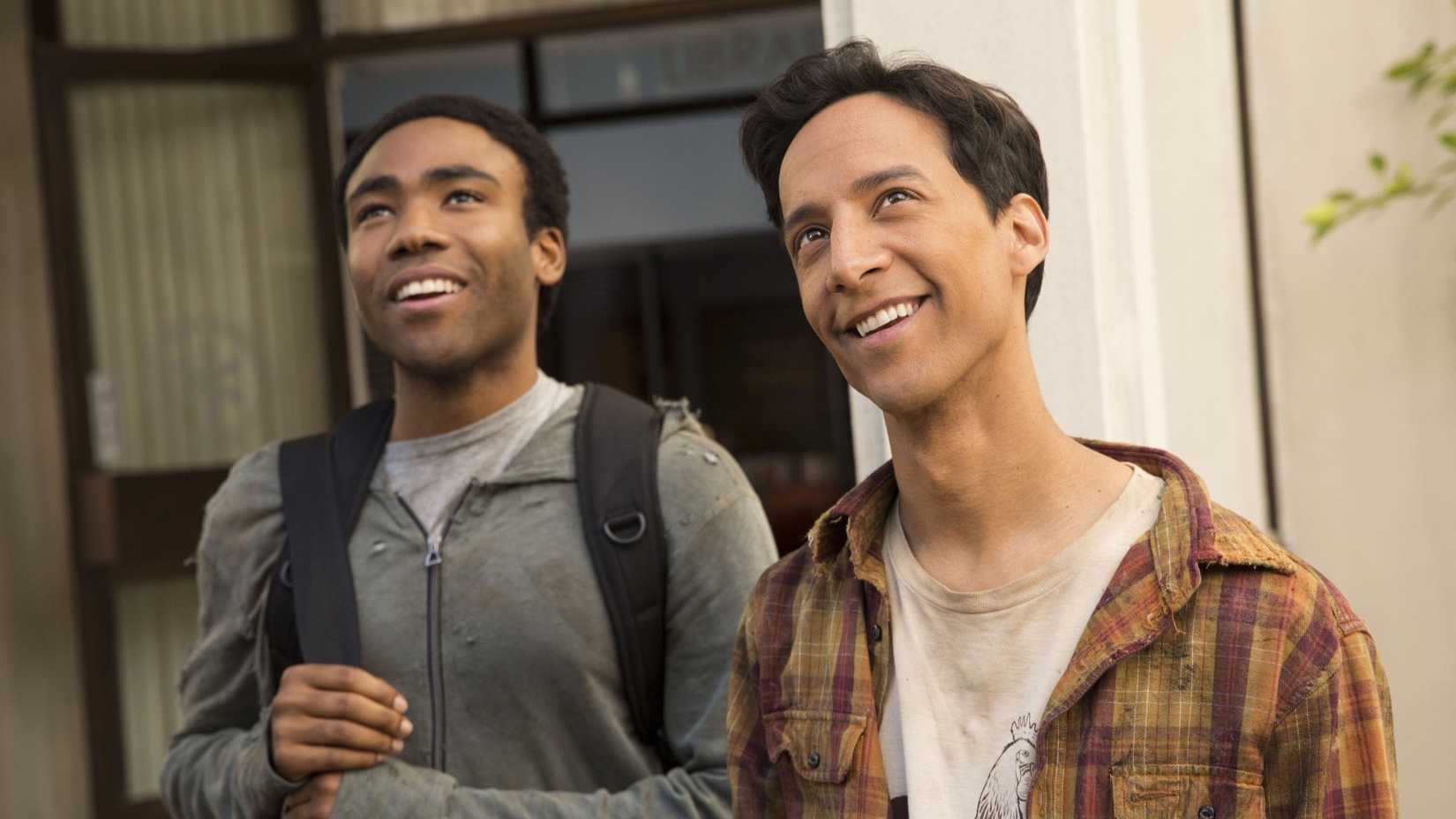
While Community wasn’t the first show to explore the idea of a multiverse – shows like JJ Abrams’ Fringe were doing that around the same time – it approached the concept in a unique way. Fringe was a complicated, dramatic sci-fi series, but Community‘s take on multiple realities felt different because of its lighter, more comedic tone.
Interestingly, the “Remedial Chaos Theory” episode is often left out of lists of multiverse episodes from popular TV shows. This is probably because the episode’s core idea – based around a game of Yahtzee – was straightforward and didn’t need a lot of explanation. However, it still cleverly used the concept of the butterfly effect and made the idea of branching timelines seem normal.
The Community episode “Remedial Chaos Theory” was so popular that the show kept revisiting its “Darkest Timeline” concept as a running joke. This storyline continued throughout seasons 3 and 4, making what started as a complex science fiction idea feel familiar and ultimately influencing how similar concepts were used on television.
15 Years After Remedial Chaos Theory, The Multiverse Has Taken Over Pop Culture

Once the show Community started playing with the idea of multiple universes, other popular TV shows felt more comfortable exploring similar complicated concepts. Dan Harmon, the creator of Community, continued this trend with his later show, Rick and Morty, which frequently shifted between different realities. Even The Big Bang Theory dipped into this idea, presenting an episode where Sheldon’s absence created seven alternate realities.
Big-budget films like 2018’s Spider-Man: Into the Spider-Verse and movies within the Marvel Cinematic Universe (MCU) popularized the idea of the multiverse. This concept gained even more traction with the critically acclaimed and Oscar-winning 2023 film Everything Everywhere All at Once. Both Deadpool & Wolverine and 2022’s Doctor Strange in the Multiverse of Madness used humor to explore the multiverse, taking inspiration from the style of the TV show Community.
The films and series varied greatly in their feel, presentation, and type, but they all shared one connection: a single, memorable episode of Community likely played a key role in popularizing the idea of the multiverse. Without that episode, it’s hard to say how long it would have taken for the concept to become widely known.
Read More
- The Division Resurgence Best Weapon Guide: Tier List, Gear Breakdown, and Farming Guide
- Kagurabachi Chapter 118 Release Date, Time & Where to Read Manga
- Last Furry: Survival redeem codes and how to use them (April 2026)
- Clash of Clans Sound of Clash Event for April 2026: Details, How to Progress, Rewards and more
- Gold Rate Forecast
- ‘Project Hail Mary’s Soundtrack: Every Song & When It Plays
- Top 5 Best New Mobile Games to play in April 2026
- Guild of Monster Girls redeem codes and how to use them (April 2026)
- All Mobile Games (Android and iOS) releasing in April 2026
- Genshin Impact Version 6.5 Leaks: List of Upcoming banners, Maps, Endgame updates and more
2026-03-01 17:39