
When
It’s not surprising that the show continued with new volumes in 2021, 2022, and 2025. But Love, Death & Robots’ success isn’t just about its animation. Compared to other well-known sci-fi anthology series like The Twilight Zone and Black Mirror, Love, Death & Robots is unique. While those shows also deal with thought-provoking concepts, none offer the same level of visual boldness and variety in mood and style within each short episode.
Love, Death & Robots is impressive on many levels, with groundbreaking animation and bold stories. But what really makes it stand out is how well it uses the anthology format – you can genuinely enjoy the episodes in any order. In a sci-fi landscape often focused on complex, connected storylines, this show proves that short, independent stories can still be incredibly successful.
Love, Death & Robots Is A True Anthology
Every Episode Reinvents The Wheel In Ways Few Anthologies Dare

Science fiction anthologies—shows with different stories each episode—have been around for a long time. The Twilight Zone really established the format, and Black Mirror updated it for today’s streaming services. Amazon Prime’s Secret Level is another adult animated anthology, similar to Love, Death & Robots, and was created by the same person behind LD+R, Tim Miller.
Love, Death & Robots truly masters the anthology format, surpassing many similar shows. While series like The Twilight Zone and Black Mirror present new stories each episode, they generally share a common theme and overall message. Love, Death & Robots goes further, offering a wider range of styles and ideas while still maintaining a high level of quality.
Unlike many shows, Love, Death & Robots doesn’t stick to one type of story. Some episodes, like “Suits” from season 1, are intense, action-packed sci-fi horror tales about farmers using giant robots to fight aliens. Others, such as the visually stunning and almost silent “Jibaro” from season 3, feel like dark and dreamlike fantasy stories.
The animation in Love, Death & Robots really adds to the show’s surprising nature. Each episode has a completely different visual style – some look incredibly realistic, others like moving comic books, and a few are deliberately over-the-top and cartoonish. You never quite know what you’re going to get.
What truly makes Love, Death & Robots special is its constant innovation. It’s not just a collection of stories exploring similar ideas; each episode feels like a completely new and unique experiment. The show doesn’t simply tell different stories – it creates entirely different worlds with each one.
There’s No Correct Order To Watch Love, Death, & Robots
The Show Is Designed To Be Watched However You Want

While there’s an official order to watch the episodes of Love, Death & Robots – Volume 1 came out in 2019, Volume 2 in 2021, Volume 3 in 2022, and Volume 4 in 2025 – you don’t have to watch them that way. Each volume has a specific list of episodes, but the show is flexible, and you can enjoy it in any order you like.
When the first volume of the show was released, Netflix tried something unusual: it showed episodes in a different order to different viewers. This meant two people watching could end up having completely different starting points! Although Netflix didn’t keep doing this in later seasons, it showed just how adaptable and non-linear the show really is.
With Love, Death & Robots, you don’t need to watch the episodes in any specific order. Feel free to start with the popular ones, the newest releases, or just choose randomly. You could even watch them in numerical order if you like – it really won’t affect your enjoyment of the show.
Most anthology series are best watched in a certain order, with episodes building on a common theme or mood. But Love, Death & Robots is different. It’s designed to be enjoyed in any order, which makes it incredibly replayable.
Some Love, Death, & Robots Episodes Are Connected
One Sequel Exists, But The Series Smartly Stops There
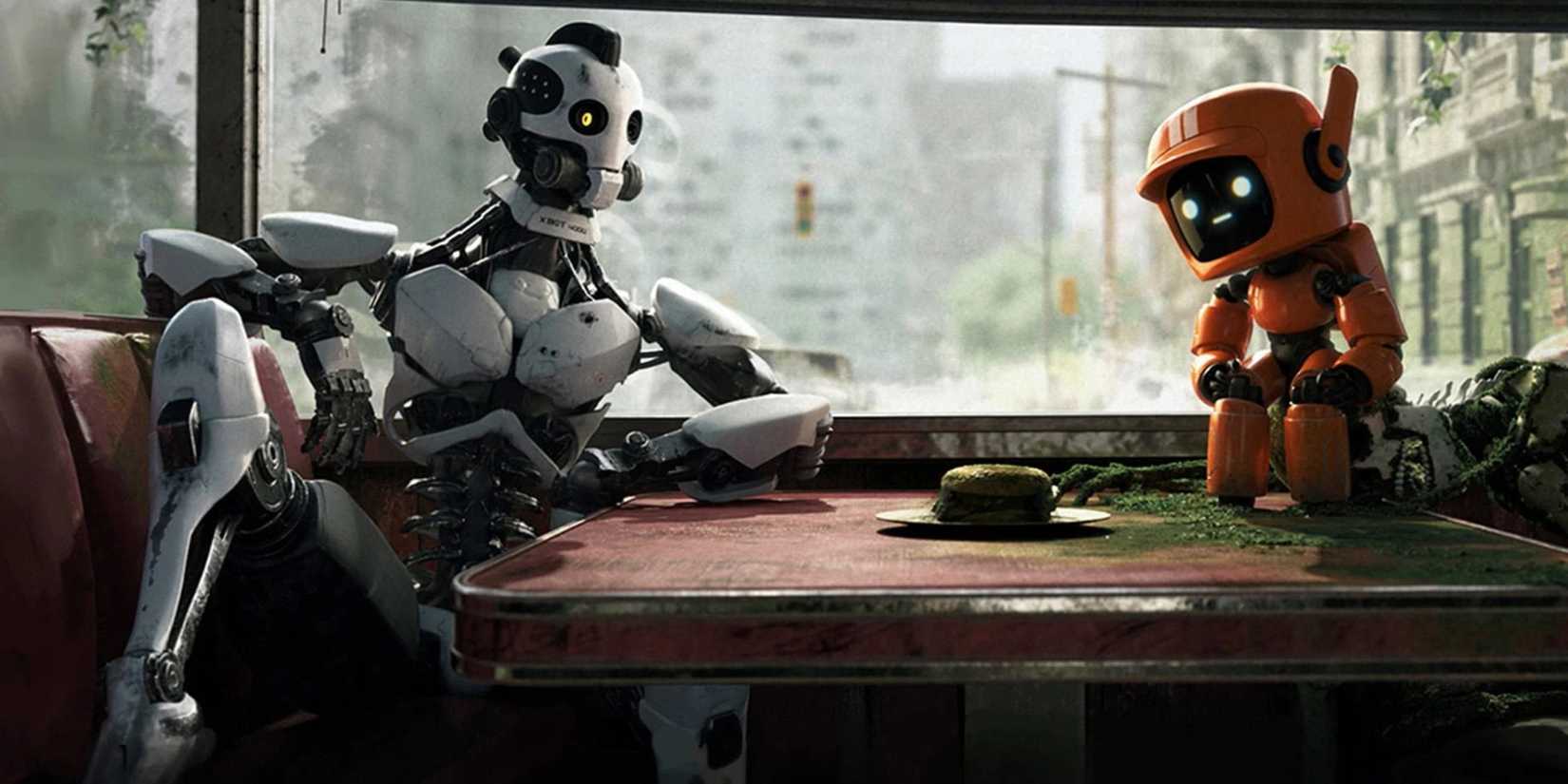
While most episodes of Love, Death & Robots tell complete stories on their own, ‘Three Robots’ from Volume 1 is different. This episode features three witty robots exploring a deserted city after humans are gone. They humorously analyze what human life used to be like.
I absolutely loved “Three Robots: Exit Strategies” in Volume 3! It’s a direct follow-up to the first one, and it was so cool to see those three robots back. This time, they were checking out how the super-rich tried to ride out the apocalypse in their fancy bunkers. It was just as funny as the original, but with even more sharp satire. And then, Season 4 gave us “The Other Large Thing,” which was a prequel explaining how everything went down – it really filled in the backstory!
The recent continuation and backstory installments were both thrilling and well-received. The robots introduced in them were instantly iconic, and fans really connected with how they interacted. While the continuation felt justified, it’s probably best that Love, Death & Robots hasn’t relied too heavily on sequels, prequels, or ongoing storylines.
What makes Love, Death & Robots so appealing is that you never know what you’re going to get. Introducing lots of recurring characters would make the show feel predictable. By only having one sequel, the series maintains its unique quality: each episode feels fresh and surprising.
2026-03-04 21:49