
During the 1930s, the wealthy white women of Natchez, Mississippi – a town that had once thrived on cotton produced by enslaved people – began opening their historic homes to tourists. This helped them financially, though the tours presented a romanticized version of the South that glossed over the brutal reality of slavery which had created the town’s wealth.
Suzannah Herbert’s documentary, “Natchez,” is a compelling and often unsettling film. It skillfully explores the city of Natchez, Mississippi (population 14,000), and its residents’ complicated relationship with their history. The film highlights the contrast between the town’s beautiful, carefully preserved appearance and the more difficult truths that some people are beginning to acknowledge.
I’ve noticed that because Natchez has historically downplayed certain parts of its story, it’s become harder to attract younger visitors—they’re looking for authenticity. And honestly, I’ve realized that truly improving things goes far beyond just updating a museum display or what the tour guides say. It requires a deeper change.
Natchez, Mississippi, is a city with a complex history. Known for its beautiful homes and the annual Pilgrimage festival that celebrates them, it also contains the site of a former slave market called Forks of the Road. The question is whether the city can reconcile its appealing image as a tourist destination with this difficult past. The mayor seems hopeful, as demonstrated by a recent upbeat event – a luncheon hosted by the Garden Club, where Deborah Cosey became the first Black member of the organization – where he spoke of a revitalized Natchez.
Movies
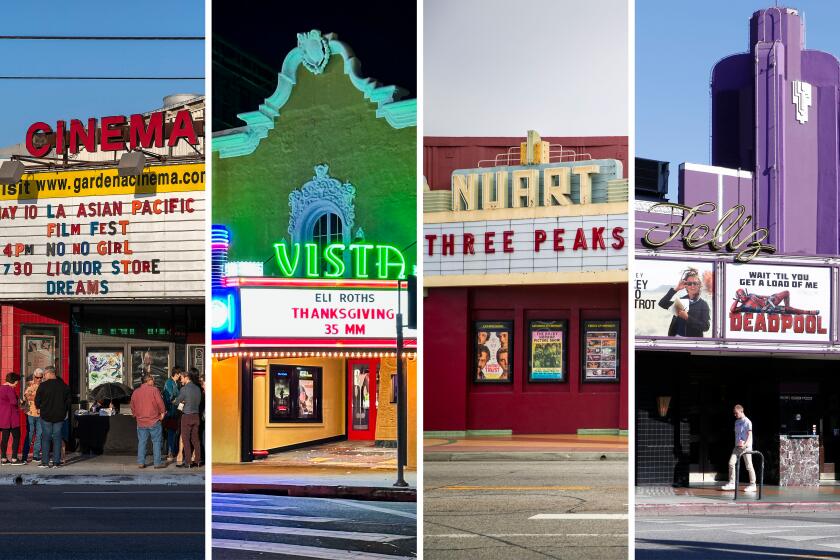
The 27 best movie theaters in Los Angeles
We’ve created a guide to 27 fantastic movie theaters in Los Angeles, including iconic spots like the TCL Chinese and New Beverly, popular chains like Alamo Drafthouse, and the best AMC location in Burbank.
Cosey manages Concord Quarters, the sole surviving structure from a plantation that was destroyed by fire, and where enslaved people once lived. She also resides there. Her main goal is to honor the lives and work of those who were forgotten, believing it’s important to share the complete history. In a difficult conversation with her white coworkers, Cosey reacts negatively to their slow and limited understanding of the past – the restoration project is progressing very slowly.
I recently visited a grand old estate, and honestly, it felt like stepping back in time. The family still clings to tradition and shows off all the historical details, but you can sense they’re starting to realize the romanticized ‘Gone With the Wind’ version of history isn’t sitting well with everyone, especially as money gets tighter. Thankfully, the highlight of my trip was a tour led by Rev. Tracy Collins, a local pastor. He offered a much-needed, honest look at the realities of slavery and its lasting impact, all delivered with a fantastic sense of humor. It was a truly insightful and refreshing experience, showing a side of Mississippi you don’t often see.
The situation becomes more complex when the documentary follows David Garner, a gay veteran and Garden Club member who does charity work for the LGBTQ+ community. This seems to suggest Natchez is becoming more accepting. However, Garner’s strong Southern accent and jokes reveal a deeply troubling racism, quickly reminding viewers of the town’s problematic history and a continuing, openly Confederate way of thinking – even when being filmed.
The film “Natchez” is filled with subtle, powerful scenes set against beautifully scenic backgrounds, thanks to Noah Collier’s rich visual style. This style creates a sense of wistful longing, hinting that careful observation will reveal deeper layers of meaning. Director Herbert skillfully avoids simply showcasing Natchez’s charm; instead, the film explores how the town’s complicated history continues to shape the lives of its residents, even those profiting from its image.
2026-02-07 01:01