Author: Denis Avetisyan
A new review examines the evolving landscape of online education and reveals the critical need for personalized learning strategies to ensure effective skill development in an age increasingly shaped by artificial intelligence.
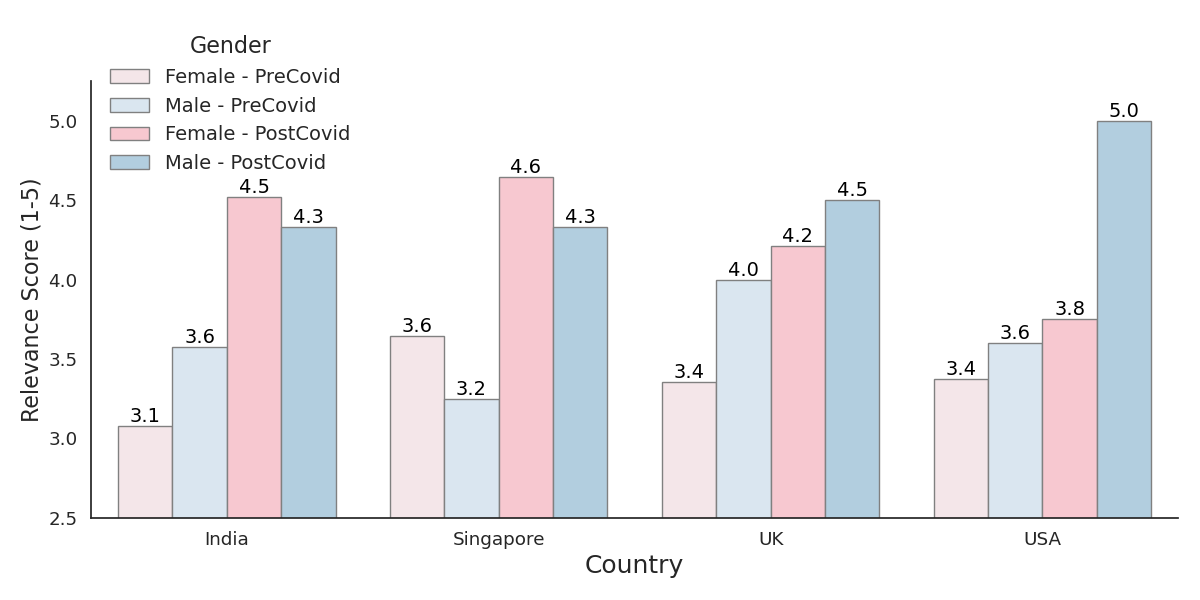
This research analyzes demographic trends and key factors influencing the successful adoption of digital lifelong learning platforms, emphasizing usability, content quality, and accuracy concerns surrounding AI-driven educational tools.
Despite the proliferation of digital resources, effectively engaging adult learners remains a persistent challenge, particularly as technology rapidly evolves. This study, ‘Digital Lifelong Learning in the Age of AI: Trends and Insights’, examines contemporary patterns in digital learning, revealing a notable increase in relevance post-pandemic, yet highlighting demographic disparities in engagement and a prioritization of usability over gamification. Our analysis of [latex]\mathcal{N}=200[/latex] respondents indicates that successful adoption hinges on addressing concerns surrounding AI accuracy and tailoring content to specific learner needs. How can educators and policymakers best leverage AI-powered tools to foster equitable and effective lifelong learning opportunities for a diverse workforce?
The Evolving Landscape of Continuous Growth
Contemporary educational structures, largely inherited from models designed for younger learners, frequently struggle to engage adults seeking to upskill or reskill. These learners often balance work, family, and other commitments, demanding learning experiences that accommodate their schedules and integrate directly with their professional lives. Traditional classroom settings, fixed curricula, and a focus on theoretical knowledge can feel disconnected from the immediate needs of adult learners, who prioritize practical application and demonstrable skills. This mismatch creates a significant barrier to participation and effectiveness, highlighting the necessity for pedagogical approaches that prioritize flexibility, relevance, and personalized learning pathways tailored to the unique circumstances and goals of each individual.
The shift towards online learning has become markedly pronounced in recent years, establishing it as a pivotal response to the evolving demands of modern education and professional development. Recent data indicates a substantial increase in the perceived relevance of digital learning, with an impressive 86% of respondents reporting a heightened appreciation for these resources following the COVID-19 pandemic compared to pre-pandemic levels. This surge isn’t merely a reaction to circumstance; it reflects a fundamental change in how individuals approach skill acquisition, favoring the flexibility and accessibility that online platforms provide. Consequently, institutions and organizations are increasingly prioritizing the development and refinement of digital learning experiences to meet this growing demand and ensure continued engagement in a rapidly changing world.
Effective lifelong learning isn’t simply about providing information; it demands experiences meticulously designed for both approachability and inherent appeal. Recent data indicates that a substantial 77.4% of learners place ‘Ease of Use’ as the most critical factor in maintaining engagement, suggesting that complex platforms or convoluted curricula actively discourage continued participation. This highlights a fundamental shift in pedagogical priorities – learning must seamlessly integrate into the demands of modern life, offering flexible, intuitive pathways to skill development. Consequently, successful strategies prioritize user-centered design, microlearning modules, and readily available support systems, fostering an environment where motivation stems not from obligation, but from the sheer pleasure of acquiring new knowledge and abilities.
Empowering Engagement Through Innovative Platforms
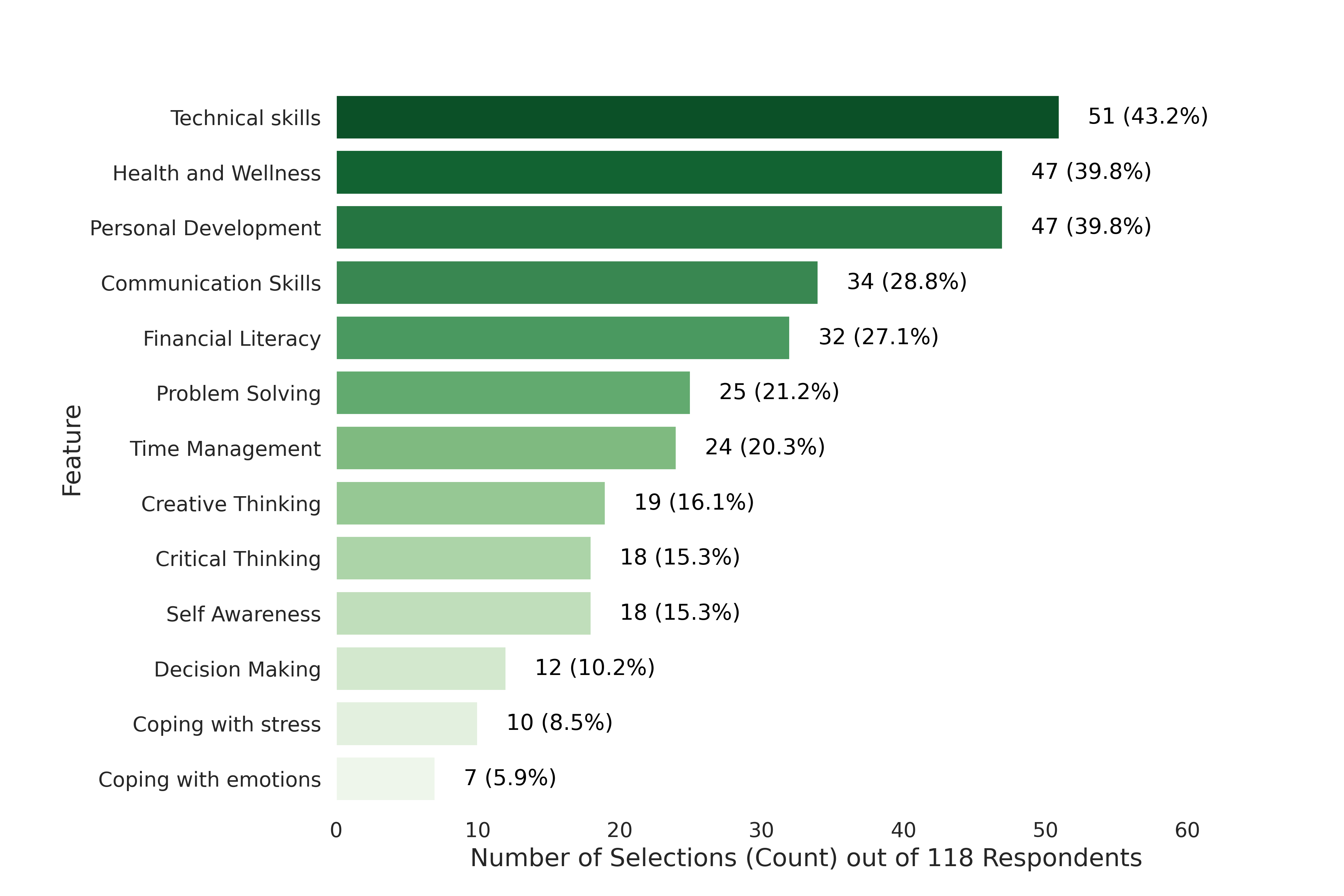
Digital learning platforms are increasingly utilized as core components of modern educational and training programs, shifting from supplemental resources to primary delivery mechanisms. This transition necessitates a strong emphasis on content quality, as the perceived credibility of both the platform and the originating institution is directly correlated with the accuracy, relevance, and pedagogical soundness of the materials presented. Poorly designed or inaccurate content can lead to knowledge retention issues, decreased learner motivation, and ultimately, a negative perception of the platform’s value; therefore, robust content validation processes, including subject matter expert review and regular updates, are critical for sustained user engagement and demonstrable learning outcomes.
Gamification strategies utilize elements common in game design – such as points, badges, leaderboards, and challenges – to drive learner motivation and participation within non-game contexts. These techniques tap into intrinsic motivators like achievement and competition, increasing time spent on learning activities and improving knowledge retention. Implementation varies, ranging from simple point systems rewarding task completion to complex simulations incorporating narrative and role-playing. Data indicates a positive correlation between the strategic application of gamification and increased learner engagement metrics, including completion rates and active participation in online forums and collaborative exercises.
Effective digital learning platform implementation necessitates acknowledging the heterogeneity of learner characteristics. Individuals exhibit preferences for various modalities – visual, auditory, kinesthetic, and read/write – and demonstrate differing levels of prior knowledge, cognitive abilities, and motivational factors. A platform designed solely for one learning style or knowledge level will likely underperform with a significant portion of the intended audience. Consequently, successful strategies incorporate features allowing for personalized learning pathways, adaptable content difficulty, and multiple content formats to cater to these diverse needs and maximize overall learning outcomes. This includes options for self-paced learning, collaborative activities, and varied assessment methods.
The Promise of Tailored Learning Paths
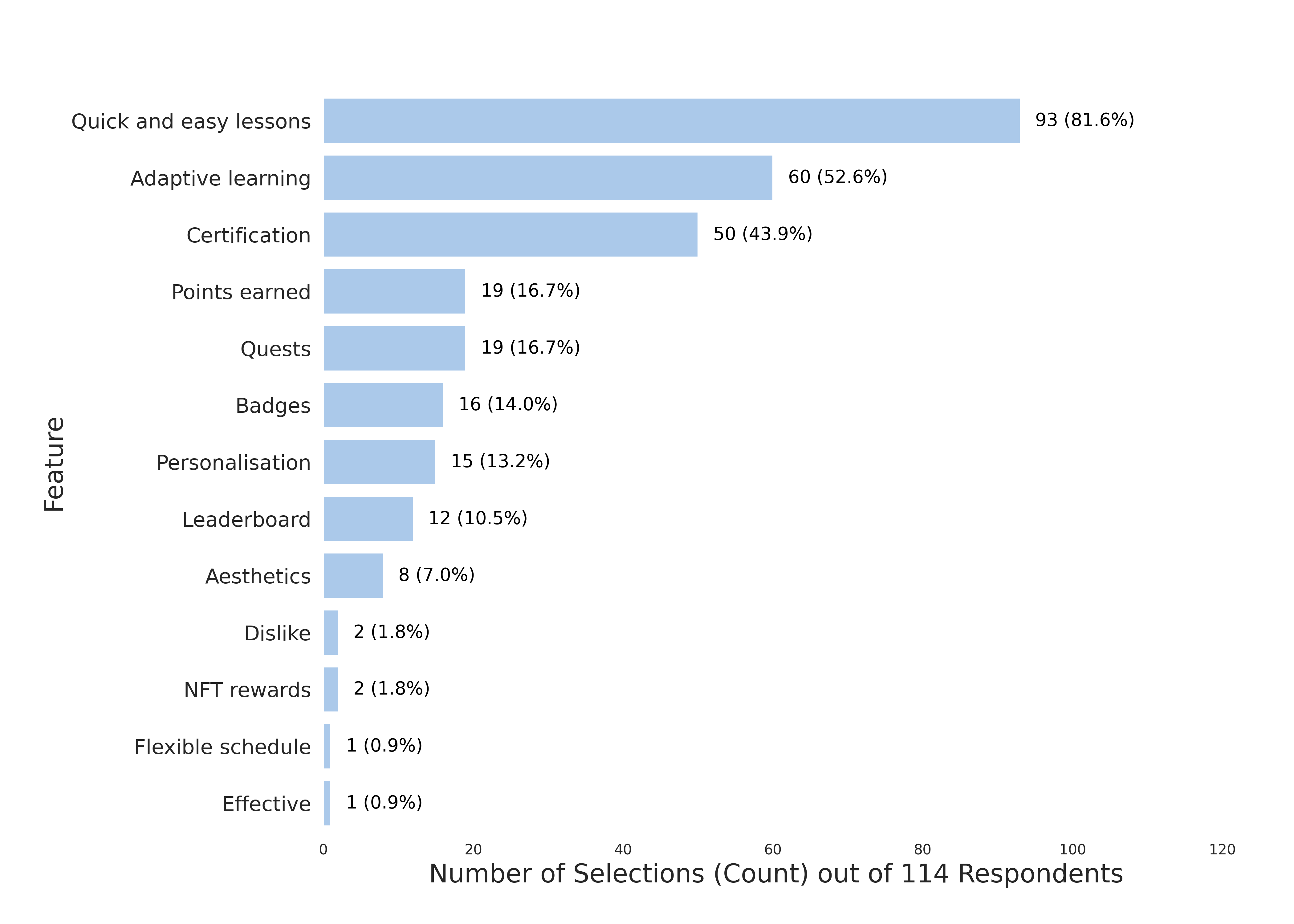
Personalized learning leverages data analytics and technological solutions, notably AI-powered tools, to adjust the delivery of educational content and the rate at which it is presented to each learner. Current usage statistics demonstrate a high degree of adoption, with 80% of respondents reporting the use of ChatGPT or similar AI tools as part of their learning process. This indicates a significant shift towards technology-driven approaches aimed at accommodating individual learning styles and knowledge gaps. The tailoring process relies on identifying individual needs through data collection and algorithmic analysis, enabling a more focused and potentially efficient learning experience.
The effectiveness of AI-powered personalized learning tools is fundamentally dependent on the accuracy of the information they provide; however, current user data indicates a significant limitation in this area. A recent survey reveals that 65% of respondents express concerns regarding the accuracy of AI tools used in their learning process. This perceived lack of reliability directly impacts the potential for these tools to deliver truly effective personalized learning paths, as inaccurate or irrelevant information can hinder comprehension and knowledge retention. Addressing these accuracy concerns is therefore critical for broader adoption and successful implementation of AI in education.
Effective personalized learning strategies depend on detailed learner profiling, commonly achieved through demographic segmentation and the consideration of age-based preferences. Demographic segmentation involves categorizing learners based on characteristics such as education level, profession, and geographic location to anticipate knowledge gaps and preferred learning styles. Recognition of age-based preferences accounts for generational differences in technology adoption and learning approaches; for example, younger learners may respond favorably to gamified content and mobile learning, while older learners may prefer structured, self-paced modules. Combining these approaches allows for the creation of learning paths that are not only tailored to individual needs but also align with broader demographic and generational trends, thereby maximizing engagement and knowledge retention.
Skills for the Future: Validation and Digital Fluency
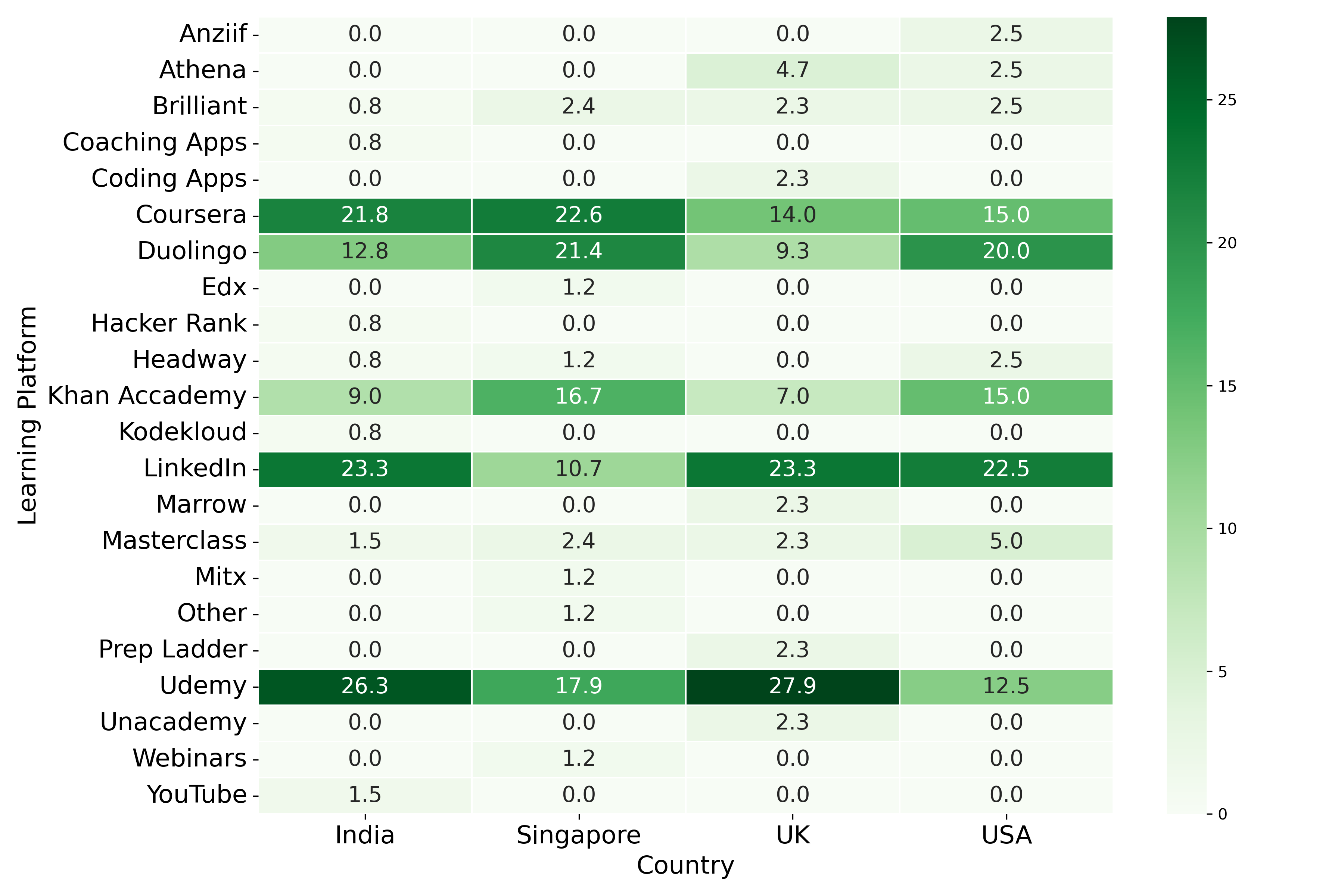
The pursuit of knowledge isn’t simply about accumulating information, but fostering demonstrable skill development – a cornerstone of effective lifelong learning. This process often reaches its apex with formal certification, serving as a validated testament to acquired expertise and competency. These credentials aren’t merely symbolic; they represent a tangible measure of an individual’s capabilities, increasingly vital in fields demanding specialized knowledge. Certification provides a standardized benchmark, allowing individuals to articulate their proficiency to employers and peers, and offering assurance of quality within a given discipline. Consequently, investment in skill development, culminating in recognized certification, becomes a crucial strategy for both personal growth and professional advancement in a competitive landscape.
The modern world presents an overwhelming deluge of information, demanding more than just specialized knowledge to thrive; individuals must cultivate robust digital literacy. This competency extends beyond simply using technology; it encompasses the ability to critically evaluate online sources, discern credible information from misinformation, and effectively communicate and collaborate in digital environments. Without these skills, even highly trained professionals can be hampered by an inability to navigate the complexities of the information landscape, hindering problem-solving, innovation, and informed decision-making. Digital literacy, therefore, serves as a crucial meta-skill, enabling continuous learning and adaptation in a perpetually evolving digital world and empowering individuals to participate fully in the 21st-century economy and society.
The acquisition of skills and digital literacy extends far beyond the confines of traditional education, functioning as critical determinants of professional success in today’s dynamic job market. Increasingly, employers prioritize candidates who demonstrate not only specialized knowledge, but also the adaptability to learn new technologies and critically evaluate information. This demand is fueled by the accelerating pace of automation and the constant emergence of novel roles requiring competencies unforeseen even a decade ago. Consequently, individuals possessing strong digital literacy – the ability to find, evaluate, and utilize information effectively – are better positioned to navigate career transitions, embrace lifelong learning, and remain competitive in a landscape where job security increasingly depends on continuous skill development and demonstrable adaptability.
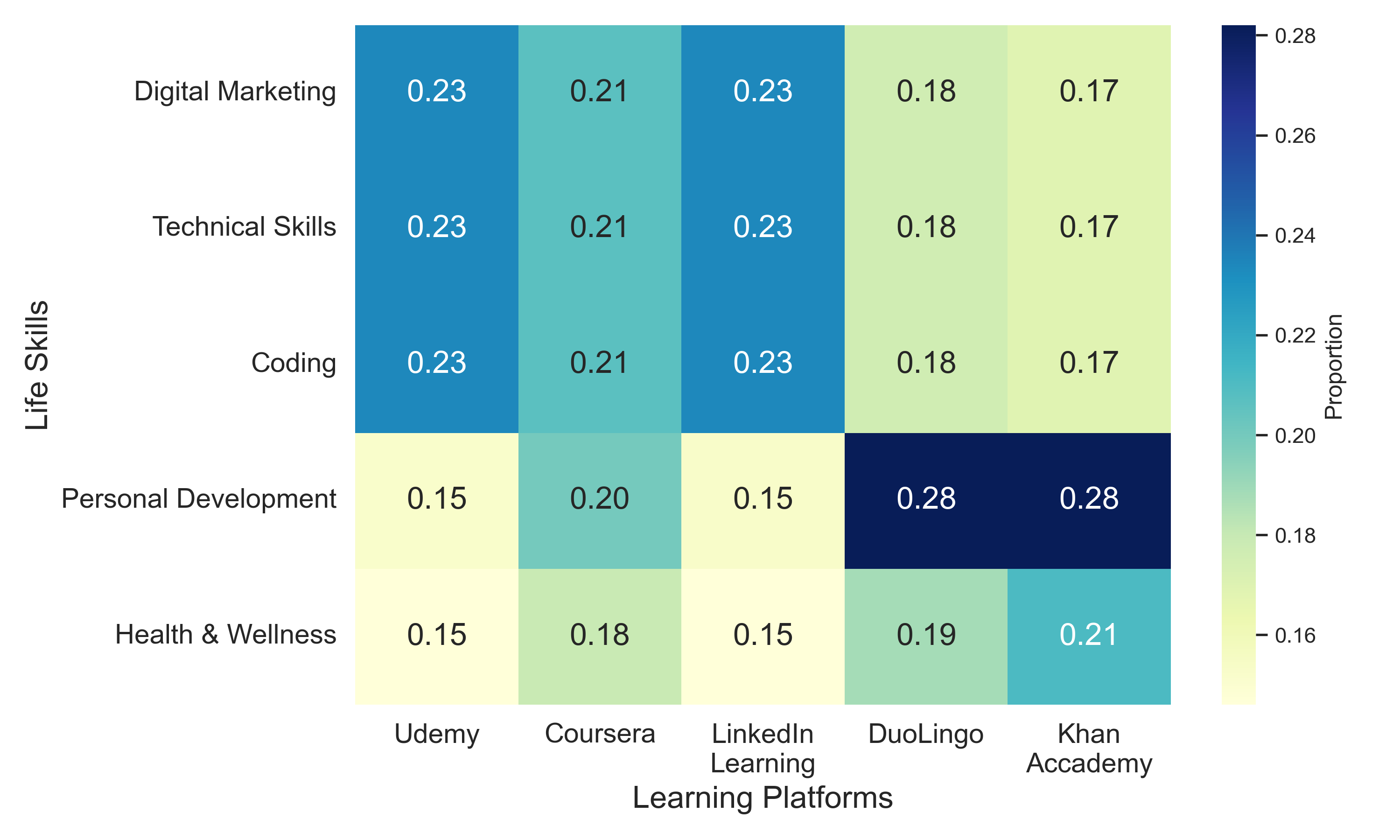
The study emphasizes a pragmatic approach to digital lifelong learning, recognizing that effective implementation hinges on clarity and utility, not superficial enhancements. This resonates with Donald Davies’ observation that, “Simplicity is a prerequisite for reliability.” The research demonstrates that demographic-specific usability and trustworthy content are paramount-a direct application of Davies’ principle. Attempts to simply layer gamification onto platforms, without addressing foundational needs for accuracy and ease of use, introduce unnecessary complexity. The core finding-that successful AI adoption requires verifiable accuracy-is essentially an insistence on lossless compression of information, eliminating extraneous noise and ensuring reliable knowledge transfer. It’s a rejection of bloat in favor of functional elegance.
The Road Ahead
The proliferation of digital lifelong learning platforms is not, in itself, progress. The data suggest a landscape cluttered with tools, yet frequently deficient in genuine engagement. The pursuit of novelty – particularly gamification – appears, in many instances, a distraction from the core imperative: accessible, accurate, and demonstrably useful content. Unnecessary is violence against attention, and the current emphasis on superficial interaction risks eroding trust in these systems.
Future inquiry must address the demonstrable limitations of algorithmic personalization. The assumption that AI can flawlessly curate learning pathways for diverse demographics is, at best, optimistic, and at worst, actively detrimental. Rigorous validation of AI-driven content accuracy, coupled with transparent error reporting, is not a feature; it is a foundational requirement. Density of meaning is the new minimalism; less noise, more signal.
The ultimate metric is not platform adoption, but demonstrable skill acquisition and sustained behavioral change. Research should shift from quantifying participation to measuring genuine competency. Until this occurs, the field remains trapped in a cycle of technological solutionism, mistaking the map for the territory. The challenge is not building more platforms, but cultivating more effective learning experiences.
Original article: https://arxiv.org/pdf/2602.03114.pdf
Contact the author: https://www.linkedin.com/in/avetisyan/
2026-02-05 03:59