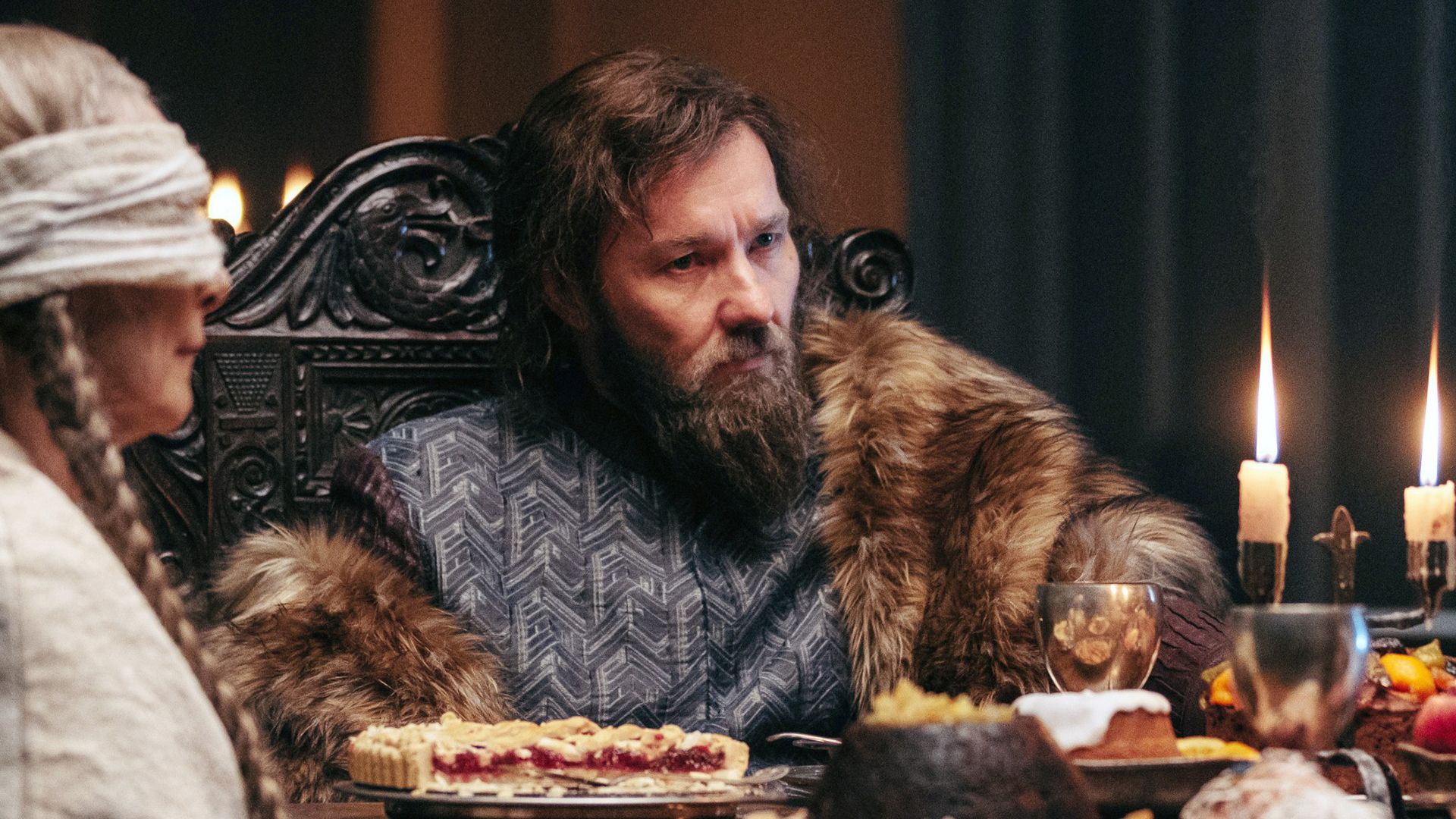
Movies are currently drawing a lot of inspiration from video games and comic books, and now, popular books from BookTok are becoming the next big source of adaptations. What connects all these projects is the enduring power of storytelling, with mythology playing a central role. We see this in adaptations of stories like God of War, Thor, and The Song of Achilles, as well as those based on Arthurian legends. These adaptations could all benefit from strong storytelling techniques.
The stories of King Arthur, Merlin, and the Knights of the Round Table have been retold many times. Surprisingly, many of these versions don’t quite capture the enchanting feeling of the original legends. Some try to be funny, while others aim for realism, but they often miss the mystical core of the Arthurian myth. A24’s The Green Knight, however, truly understands what makes these stories special.
The Green Knight Is An Epic Retelling
Sir Gawain and the Green Knight is a beautiful poem from the 1300s, written by an unknown author. It’s a famous story with a straightforward, powerful plot that continues to resonate today. The poem explores a common theme: every choice has a consequence, and there’s often a trade-off involved.
The poem, which influenced writers like J.R.R. Tolkien, tells a short story that circles back to its very start. This sense of repetition is central to The Green Knight, and the recent film adaptation immediately grasped this idea. The movie is built around an ending that feels predetermined, inescapable, and always present, even from the beginning.
The movie begins with Sir Gawain, a knight of the Round Table, making a fateful choice. The Green Knight arrives at the court, and when he feels endangered, Gawain cuts off his head. This is an unusual act for a hero. Killing someone within your own court has always been a serious offense, and to commit murder while offering hospitality is a grave sin.
This is only the beginning of a year-long challenge. The Green Knight retrieves his severed head and reattaches it, then announces that Gawain must travel to his location in one year to receive the same fate – a blow to the neck. Essentially, Gawain has a year to prepare to be beheaded.
Some versions of the story show the Green Knight simply leaving a small cut on Gawain’s neck, a sign that he approved of Gawain keeping his promise, even though it came at a cost. The recent film version, however, doesn’t make Gawain’s fate so clear. While the Green Knight could still show mercy, as he has in other tellings, the movie keeps the audience guessing. Without giving anything away, the story focuses on Gawain’s own anxieties as he travels to meet his destiny.
For most of the movie, Gawain journeys across bizarre and atmospheric landscapes. He encounters everything from giants and vast wildernesses to strange scavengers and ghosts, and while he’s fascinated by this new world, he constantly struggles with the urge to give up and return home.
The Film Takes Its Subject Matter Seriously
The magic of The Green Knight lies in the immersive world it builds. It feels perfectly aligned with the traditional stories of Arthurian legend, embracing the fantastical without needing to over-explain anything unusual that happens.
Rather than providing clear resolutions, the film mirrors the enigmatic nature of the original Camelot stories and poems, leaving viewers with lingering questions. The Green Knight doesn’t aim to explain everything; instead, it invites the audience to experience Gawain’s challenging journey and grapple with his struggles alongside him.
David Lowery directed and wrote this film, building on his talent for reimagining classic stories. From the fantastical world of Pete’s Dragon to the chilling atmosphere of A Ghost Story, he clearly knows how to present familiar themes and ideas in a way that resonates with today’s viewers.
The Green Knight also stands out in how it’s made. Unlike some versions, it prioritizes realism. While Pete’s Dragon leans into a more Disney-like style, The Green Knight avoids that. It’s far from a typical movie adaptation – it’s something much richer and more complex.
One of the key reasons Lowery’s film works so well is the incredible cast he brought together. Dev Patel is particularly captivating as Gawain, portraying a character weighed down by his past and aware of the challenges ahead. Patel, a talented British actor known for his expressive performances, elevates the script, transforming quiet moments into some of the film’s most enchanting scenes.
Performers like Barry Keoghan as the Scavenger and Kate Dickie as Queen Guinevere truly elevate the film. What’s striking is that no one plays their role as if it’s a grand, fantastical story. Instead, they portray believable people with genuine lives, set against an unbelievable world. Despite all this, the film lacks a sense of awe or wonder.
The characters all seem as worn down by their struggles as the world around them. While this world appears amazing, it’s actually filled with danger, deceit, and constant heartbreak, all supposedly for the sake of being a hero. Ralph Ineson’s powerful voice stands out, sounding like the only genuine thing in a place full of illusions.
The Green Knight Is Vastly Different From Other Contemporary Adaptations
It’s interesting to consider how The Green Knight offered a fresh and unique take on the classic Arthurian stories. To understand this, it helps to compare it to other recent adaptations. Often, when filmmakers or writers try to update these tales for modern audiences, they lose sight of what made the original stories so powerful.
Consider a film like King Arthur: Legend of the Sword. These movies often include dark themes or complicated situations, but ultimately, they’re made to be big, popular hits. They don’t focus on stories with deep roots in tradition or personal meaning; they’re aiming for broad appeal instead of a heartfelt connection with the audience.
The stories of King Arthur are deeply personal, open to individual interpretation and imagination. However, recent adaptations often rely on common fantasy tropes instead of the darker, more complex themes of the original legends. This results in a lighter, more upbeat tone that doesn’t quite capture the spirit of the source material.
To really get to the heart of a story, it’s important to consider the reason it was created. For example, the legend of King Arthur likely gave people hope. It may have inspired young children to imagine themselves as brave knights, worthy of joining the King at the Round Table.
Many of these stories aimed to show humanity realistically, flaws and all. They explored themes of morality, choices, and their consequences—similar to the tale of The Green Knight. Ultimately, these stories were about depicting how people act when faced with their most difficult challenges.
The story of the Green Knight isn’t so much about what happens to Gawain, but about his journey and the people he encounters. Along the way, he’s flawed – he lies, bends the rules, does good deeds, and makes mistakes – making him a relatable human, even as a legendary figure. Ultimately, though, all of his actions lead to a single, crucial moment, and it’s one decision that truly defines him.
The point of a story like this one isn’t about huge conflicts or traditional heroic feats. The Green Knight doesn’t rely on battles, dragons, or grand displays of magic. It’s a story focused on characters and a realistic, powerful take on Arthurian legend.
Found an error? Send it so it can be corrected.
2026-02-04 20:16